Road trip in the UK: the best routes, ideas and how to plan your trip
By Eva Alkemade
Apr 7, 2026
The best part of a road trip in the UK is how fast the country changes: within a single week, you can drive through the Scottish Highlands, pass stone villages in the Cotswolds, and stop by lakes in Cumbria. What many people do not realise is that some of the most loved drives are actually quite short in mileage, yet packed with old market towns, national parks, coastal roads, and historic sites. That is exactly why the UK works so well by car. Inside this road trip guide, we’ll help you choose a route that fits you, and show you how to plan it.
Best road trips in the UK: routes you’ll want to drive
Thinking about a road trip in the UK? You’ve actually got quite a few great routes to choose from. Right away, you’ll notice how different each route is, and that’s exactly what makes choosing fun. Across these best road trips in the UK, you get everything from coastal drives to mountain roads, so it really comes down to what kind of trip you want to build.
North Coast 500: A loop starting in Inverness, taking you past places like Applecross, Ullapool and Durness, with coastal roads and mountain passes.
Lake District loop: A compact route through Windermere, Ambleside and Keswick, known for short driving distances and constant viewpoints.
Cotswolds road trip: A countryside route linking villages such as Broadway, Stow-on-the-Wold and Bibury, with very short distances between stops.
Cornwall and the Atlantic Highway: A coastal drive from Barnstaple towards Newquay, passing cliffs, beaches and towns like Tintagel and Padstow.
Wales Coastal Way: A route along Cardigan Bay, with stops like Aberystwyth and St Davids, known for castles and coastal views.
Yorkshire Dales and North York Moors: A varied route linking York, Whitby and the moors, with a mix of countryside roads and coasts.
North Coast 500: Scotland’s most iconic drive
Already from the first stretch out of Inverness, you’ll notice how quickly the surroundings change, and that continues for the entire loop. Among all UK road trips, this one stands out because the distance is longer, the roads are quieter, and the views keep changing every few miles.
What you’ll see along the North Coast 500
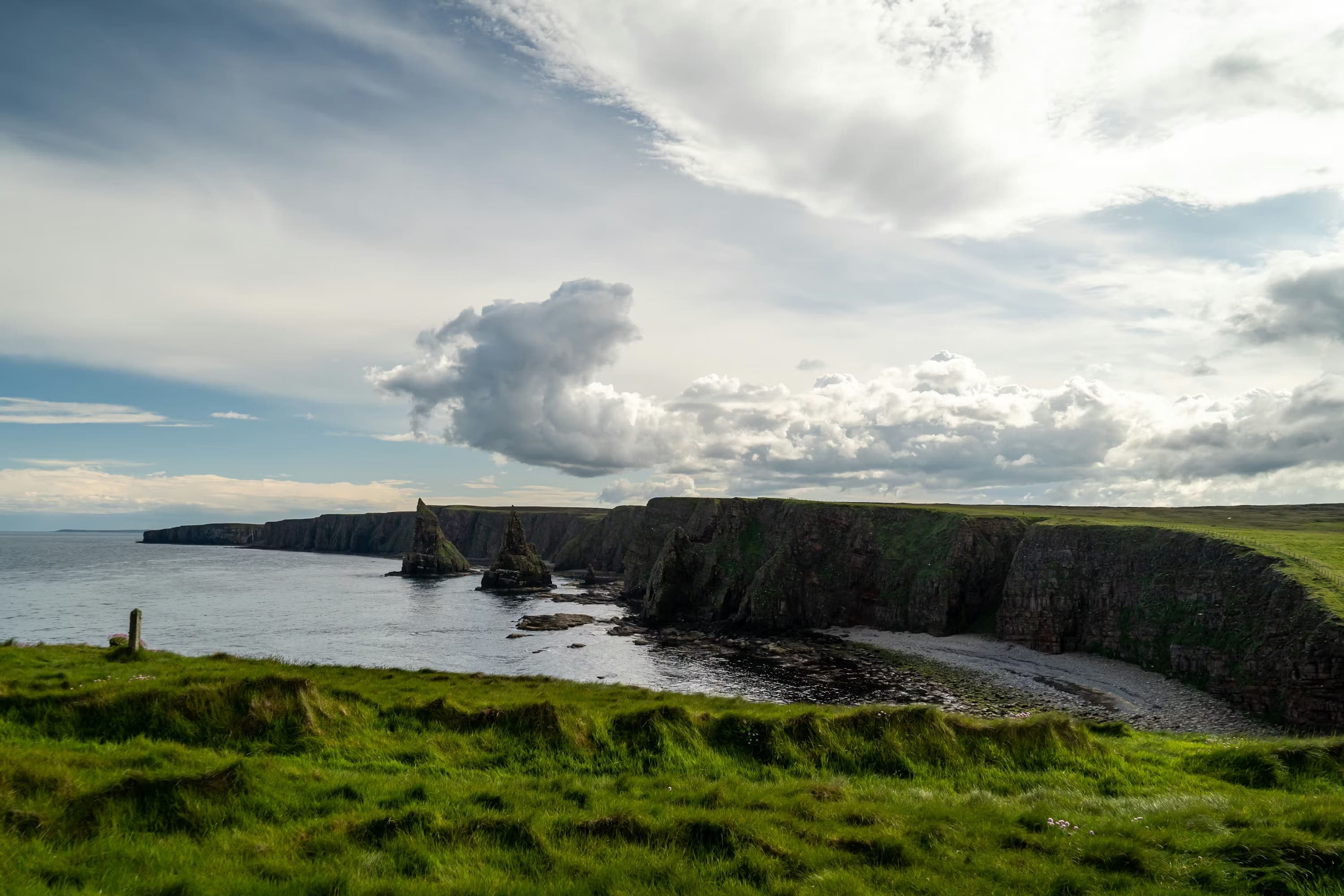
Once you leave Inverness, you’ll quickly notice how the surroundings open up, and before you know it, you’re already heading towards Applecross, where you can drive the Bealach na Bà, a steep mountain pass with sharp bends and views stretching out over the coastline. Along the west coast, you’ll pass places like Gairloch and Ullapool, where you can stop at small harbours, walk along quiet beaches or sit down somewhere overlooking the water for a break. In the far north around Durness, you’ll find wide beaches with light sand and clear water, the kind of place where you might stop longer.
As you continue the route, you’ll reach places like Thurso and John o’ Groats, where you can stand at the northern edge of mainland Britain before heading down the east coast. On this side, you can visit castles, walk along cliffs, or take short detours to hidden spots that are not directly on the main road. Along the way, you’ll constantly find reasons to stop, whether that’s for a short walk, a viewpoint or just because the road ahead looks too good not to pause for a moment.
Who this route is best suited for
For anyone who enjoys long drives and changing surroundings, this route works really well. With fewer towns and longer stretches between stops, you’ll get a more remote experience compared to other routes in this guide.
How long you need and what driving here looks like
At least five days is needed to complete the full loop, although a week or more gives you time to stop properly along the way. Even though the total distance is 516 miles, driving takes longer than expected because of winding roads and frequent stops.
North Coast 500 itinerary with key stops
Inverness
Applecross
Gairloch
Ullapool
Durness
Thurso and John o’ Groats
Wick
Inverness
Road trip in lake district UK: scenic roads and lakes
Compared to longer routes, this one is much easier to fit into a shorter trip, and that’s exactly why many people start here.
What you’ll see in the Lake District
Once you arrive in the Lake District, you’ll notice how everything is within easy reach, so you can drive for a short time and already be somewhere completely different. Around Windermere, you can walk along the lake, take a boat across the water or stop at viewpoints before continuing towards Ambleside and Grasmere. Here you can wander through small streets, grab something to eat or sit down for a break. Between these stops, you can easily add short walks to places like Rydal Water or viewpoints above the valleys without needing to plan much in advance.
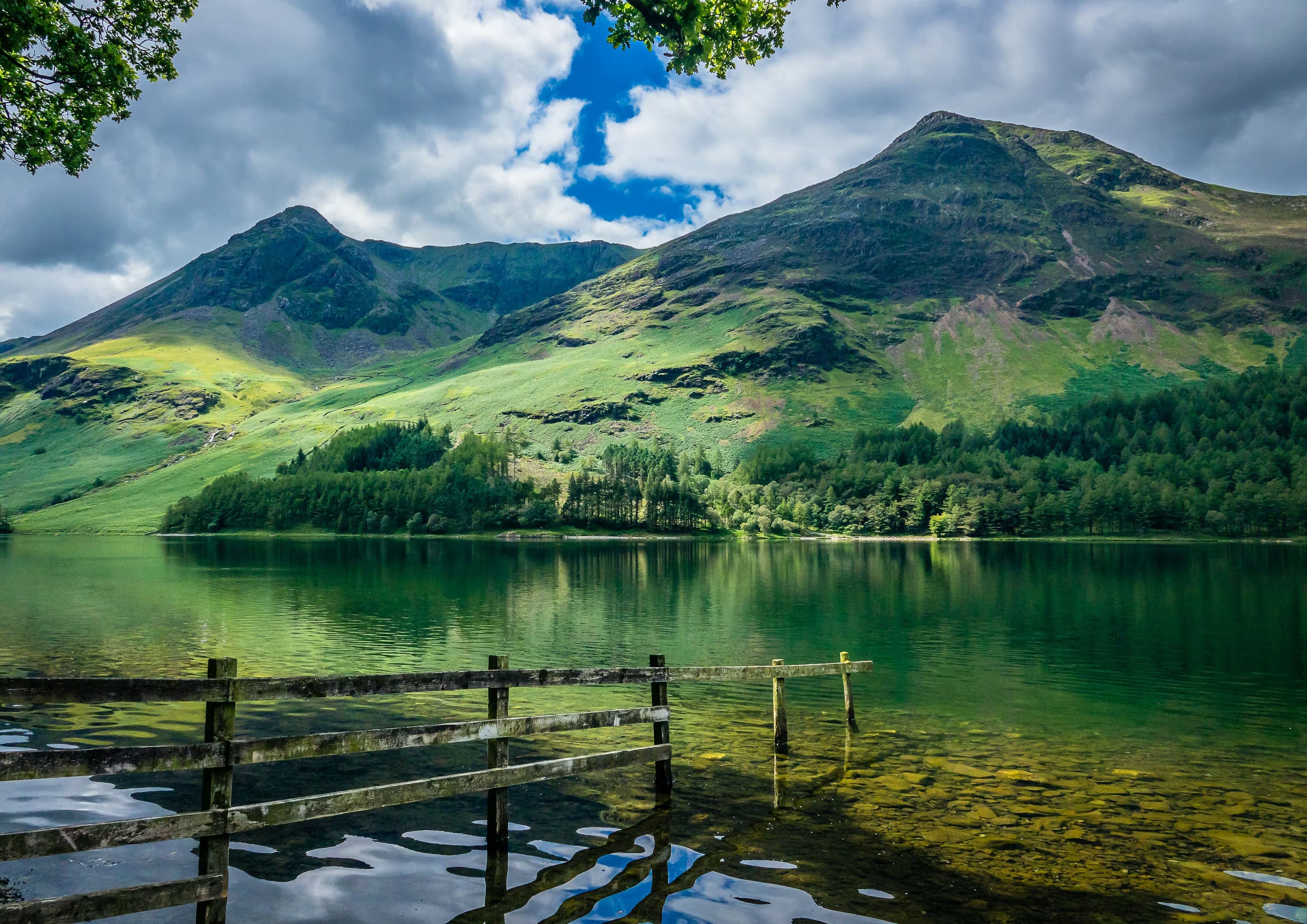
Further north near Keswick and Derwentwater, you’ll get wider views with mountains surrounding the lakes, and this is where you can choose how active you want your day to be. You can rent a kayak, go for a longer hike or simply drive from one viewpoint to the next with stops in between. Because distances are short, you’ll spend less time driving and more time actually exploring.
Why this route works so well for a first road trip
For a first road trip in the UK, this region makes things easier because navigation is simple and distances are pretty short. At the same time, the number of stops along the way keeps the trip really fun.
How many days to plan and how much time you’ll spend driving
Around three to four days is enough to cover the main highlights without feeling like you’re constantly in the car. Driving between Kendal and Keswick actually takes about an hour without stops, but most people take longer because there are so many nice places to visit.
Lake District itinerary with the best stops
Kendal
Windermere
Ambleside
Rydal
Grasmere
Keswick
Derwentwater
Cotswolds road trip: countryside villages
Right from the first turn into the countryside, you’ll notice how everything starts to slow down, and that’s exactly the point of this kind of trip. This region stands out for short distances, small villages and the kind of stops where you’ll want to stay longer than planned.
Rolling hills, stone villages and English countryside views
As you drive into the Cotswolds, you’ll move through narrow roads lined with fields and low stone walls, with villages appearing one after another without long stretches in between. In places like Broadway and Chipping Campden, you can walk through streets filled with old houses, stop at small cafés or browse local shops before continuing your drive. Around Stow-on-the-Wold and Bourton-on-the-Water, you’ll find open squares, little bridges and riverside spots where you can sit for a while before heading on.
Further along the route, Bibury and Burford give you more beautiful views, with rows of cottages and quiet lanes that are easy to explore on foot. Between villages, you’ll pass viewpoints over the countryside and short walking paths. Because everything sits so close together, you can easily shape your day around what catches your attention.
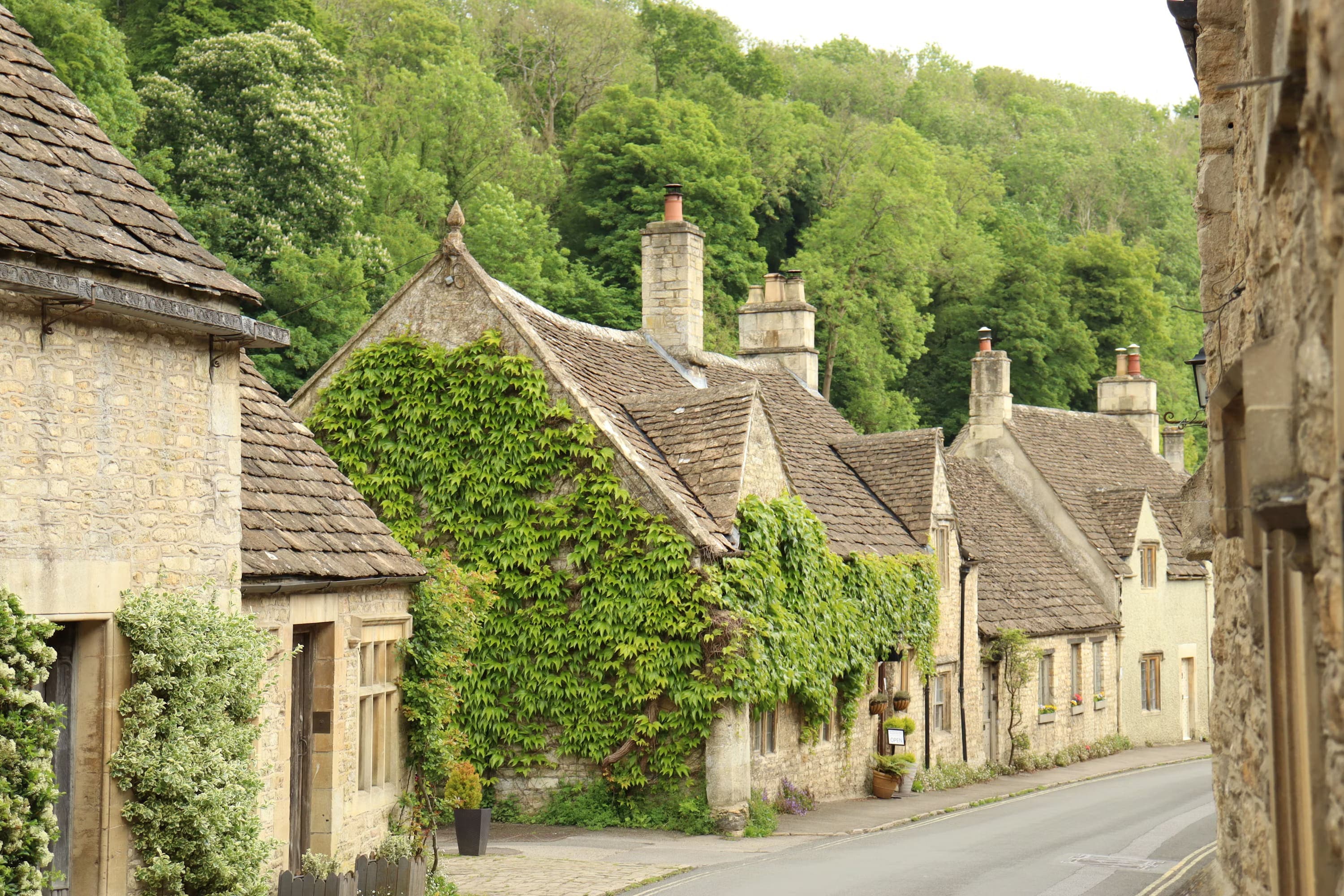
Best for a relaxed trip with short drives and frequent stops
This route works well if you like stopping often and spending more time exploring than driving. With short drives between each stop, you’ll find yourself getting out of the car more often than staying in it, which makes the whole trip more relaxed.
How much time you need for a proper Cotswolds road trip
Around one to three days works well depending on how many villages you want to include. You don’t need to drive much, so most of your time goes into exploring.
Route through the most beautiful Cotswolds villages
Cheltenham
Broadway
Chipping Campden
Stow-on-the-Wold
Bourton-on-the-Water
Bibury
Burford
Cornwall and the Atlantic Highway: coastal drives
From the moment you get closer to the coast, the road starts opening up with sea views, cliffs and small towns that are perfect for stopping along the way.
Cliffside roads, surf towns and coastal views
Along the Atlantic Highway, you’ll drive stretches where the coastline appears suddenly, with cliffs dropping into the sea and viewpoints where you’ll want to pull over straight away. Around Tintagel, you can walk towards the cliffs and explore castle ruins, while places like Port Isaac give you narrow streets leading down to a small harbour. In Padstow and Newquay, you’ll find beaches, places to eat and spots where you can spend a few hours before continuing. As you move along the coast, you’ll keep coming across beaches, short walking paths and places where you can stop for a swim or just sit overlooking the water.
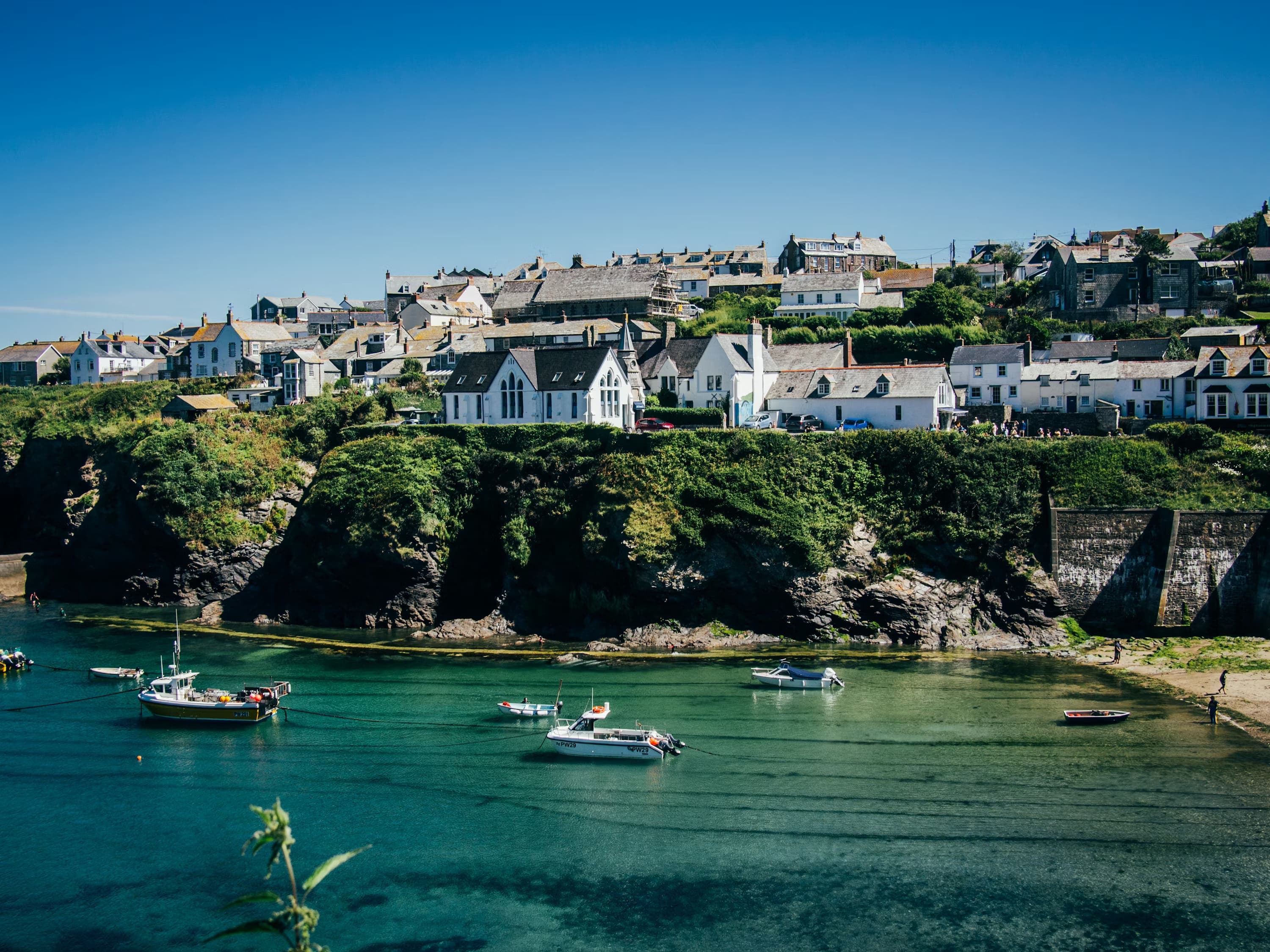
Perfect if you prefer sea views, beaches and a laid-back road trip vibe
If the beach is your kind of place, this route will suit you really well. With the coast never far away, you’ll find plenty of chances to stop at beaches, walk along the water or sit down and take a break with a sea view.
How long to plan for this coastal road trip
Around three to four days gives you enough time to stop along the way.
The driving distances are not very long, but roads can be narrow and slower.
Route with the best coastal stops along the Atlantic Highway
Barnstaple
Bude
Tintagel
Port Isaac
Padstow
Newquay
Wales Coastal Way: castles and coastline
Across road trips in the UK, this route stands out for its balance between sea views, small towns and historic sites.
What you’ll see along the way
Following the coastline along Cardigan Bay, you’ll pass places like Aberystwyth and New Quay, where you can walk along the harbour, sit by the water or watch boats come in and out. Around Harlech, you can visit the castle and walk along the nearby beach, while further along you’ll reach areas like St Davids with coastal paths and viewpoints. Along the route, beaches, cliffs and small villages keep alternating, so you’re never driving for long without something to see.
In several places, you can take short detours down to the coast, follow walking trails or stop in towns that are not directly on the main route. You can also spot wildlife here, with chances to see dolphins or seabirds depending on where you stop. Because of the mix between coast and culture, each part of the drive gives you something slightly different.
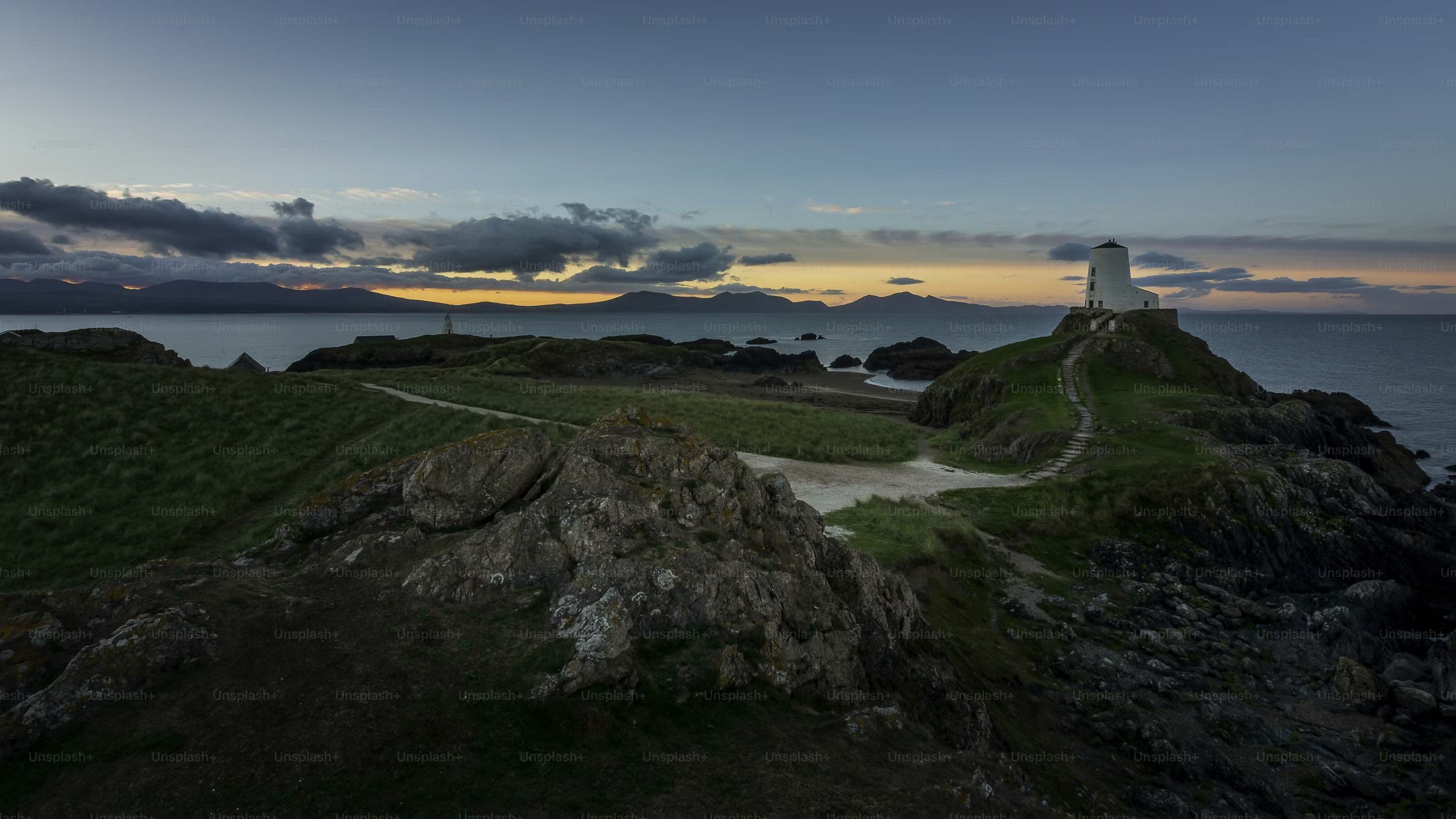
A great choice if you want fewer crowds and more local atmosphere
With fewer busy stops along the way, this route suits you if you prefer a more relaxed setting. It gives you more space between destinations.
How many days to spend exploring the Welsh coastline
Between three and seven days works well depending on how many stops you want to include. The full route is around 180 miles, so the distances are very reasonable.
Best stops along the Wales Coastal Way
Aberdaron
Harlech
Barmouth
Aberystwyth
New Quay
St Davids
Yorkshire Dales and North York Moors: variety in one road trip
From the moment you leave York, you’ll notice how quickly the surroundings change, and that continues throughout the entire route. You get countryside, coastline and historic towns all in one trip.
Moorland roads, coastal views and historic towns
As you head out of York, you can walk through the old streets or visit the cathedral before driving towards Helmsley and the North York Moors, where open roads and wide views take over. Around the moors, you’ll pass heather-covered hills, quiet roads and viewpoints where you can stop without planning much in advance. Moving towards the coast, Whitby brings in a completely different setting, with a harbour, cliffs and streets leading up to the abbey.
Further along, places like Robin Hood’s Bay give you steep streets and views over the sea. In the dales, you’ll find green valleys, stone walls and small towns where you can stop for a walk or a break.
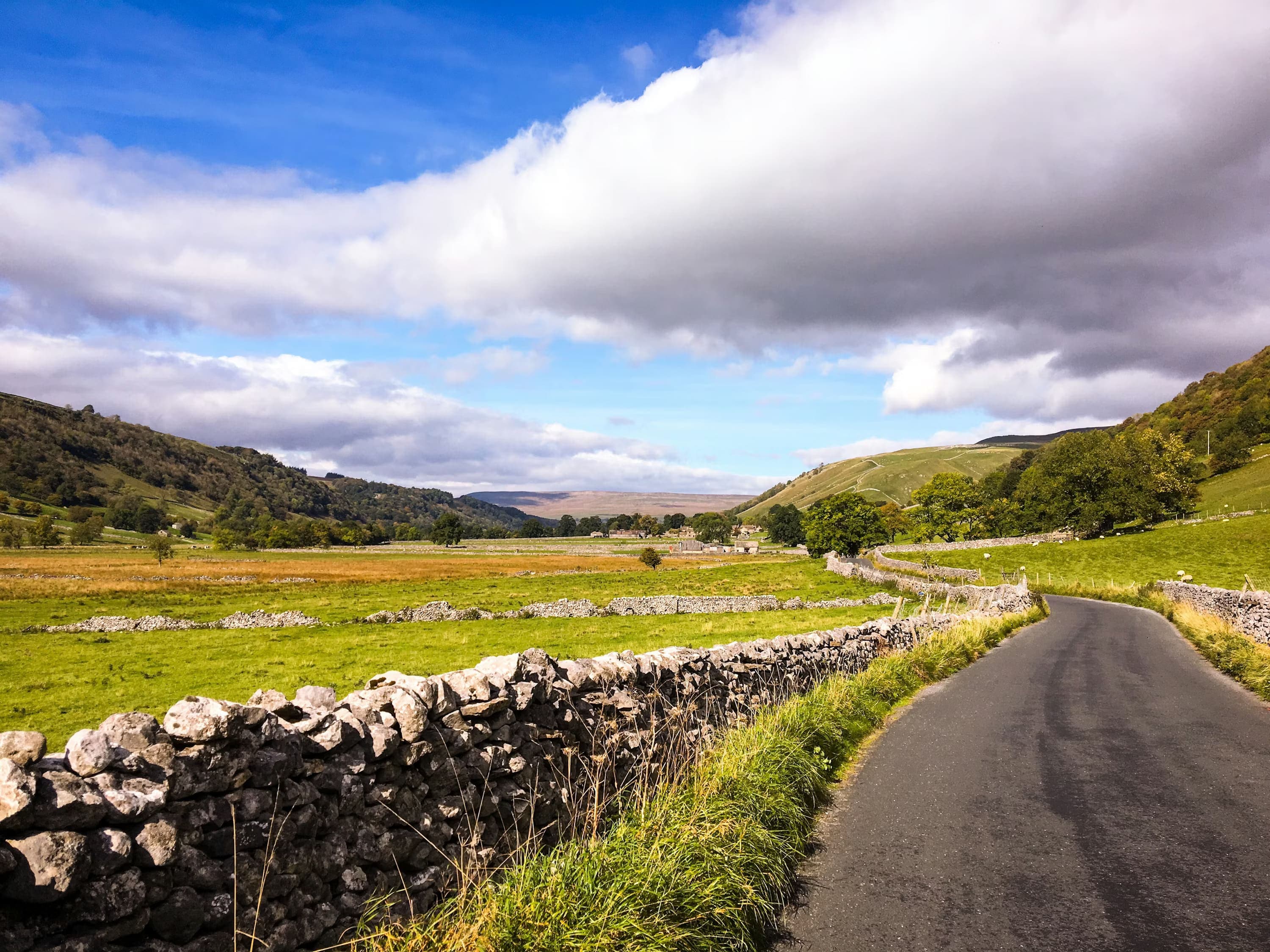
A route that works well if you want more than one type of landscape
For a road trip in the UK, this route is a nice option if you’re unsure what kind of scenery you’ll enjoy most. With both coast and countryside included, you’ll get more variety compared to routes that focus on just one region.
How long to spend and how to divide your days
Between five and nine days works well depending on how many stops you include. You can split your time between exploring and driving because the distances between the stops are reasonable.
Route combining moors, coast and dales
York
Helmsley
North York Moors
Whitby
Robin Hood’s Bay
Yorkshire Dales
Scenic drives and hidden gems you don’t want to miss
When going on a a road trip through the UK, you’ll often come across smaller roads and stops that turn out to be just as memorable as the big highlights. These are the places that you’ll want to explore:
Jurassic Coast: You can walk along cliffs, visit natural rock formations like Durdle Door, and stop at small seaside towns along the south coast.
Peak District: Here you’ll drive through open countryside with viewpoints, caves and short walking trails that are easy to add between stops.
Isle of Skye: You can extend your trip north and explore mountain roads, waterfalls and coastal viewpoints that feel completely different from mainland routes.
Hardknott Pass, Lake District: This is one of the steepest roads in England, with sharp turns and views that make the drive itself part of the experience.
How to choose the right road trip in the UK for you
Choosing between routes can feel tricky at first, especially when each one offers something completely different. It really comes down to your time, your interests and how you want your days to look.
When you have 3 to 5 days and want a short but complete trip
A shorter trip works best in regions where everything sits close together, like the Lake District or the Cotswolds. You’ll spend less time driving and more time stopping, which makes your days feel full without covering long distances.
When you have about a week and want a mix of scenery
Around a week gives you enough time to combine different types of landscapes without rushing between them. Routes like Wales Coastal Way or Yorkshire let you move between coast, countryside and small towns all in one trip.
When you have more than a week and want a full experience
More time opens up longer routes like the North Coast 500 or a combination of multiple regions. You can add detours, stay longer in places you like and avoid planning every day too tightly.
When you prefer coastal views and beach stops
Coastal routes like Cornwall or Wales keep you close to the sea, with plenty of opportunities to stop along the way. You’ll notice that these trips focus more on the journey between stops than covering distance.
When you prefer countryside, villages and slower travel
Regions like the Cotswolds and the Lake District are better suited if you enjoy shorter drives and more time outside the car. You’ll move between villages, viewpoints and short walks without needing to travel far between each stop.
Planning a road trip in the UK: what you need to know
Before you get too deep into picking routes and stops, a few practical things can make everything a lot easier once you’re actually on the road.
What time of year works best for your trip
Longer daylight hours between May and September give you more time in the evening, so adding extra stops becomes much easier. Spring and autumn can still work really well too, with fewer people around and often better prices in many areas.
Read our blog about the best time to visit the UK to help you match your trip to the kind of experience you want.
What driving in the UK is really like
In the UK you’ll drive on the left side of the road. In the countryside, roads can get narrow with passing places, so slowing down and staying aware makes things much easier. Smaller cars tend to be more practical on narrow roads and in small villages. Automatic cars are less common here, so booking one ahead of time helps if you don’t drive manual.

Roundabouts come up a lot, so you’ll quickly get used to giving way to traffic already on them before entering. Speed cameras are quite common too, especially on main roads and near towns, so sticking to the limits matters more than you might expect. In more remote areas like parts of Scotland or Wales, fuel stations can be further apart, so filling up when you have the chance is always a good idea.
Where to stay along your route
Where you stay can really shape your trip, so it helps to think in terms of good base locations instead of moving every night. Two nights in one place often makes everything feel more relaxed, since you won’t need to keep packing and unpacking.
In the Lake District, Windermere or Ambleside work well for the southern area, and Keswick is a great base further north. Across the Cotswolds, Stow-on-the-Wold sits right in the middle of many villages, and Burford works well if you’re coming from the south.
Along the coast in Cornwall, Padstow and Newquay give you easy access to beaches and nearby stops, and in Wales Aberystwyth and St Davids are well placed along the route. On longer routes like the North Coast 500, splitting your stay between Inverness, Ullapool and the Wick or Thurso area helps break up the drive.
What to budget for your road trip
Fuel prices usually sit around £1.40 to £1.60 per litre, so longer routes can add up depending on how far you drive. Car rental often falls between £30 and £70 per day for a standard car, with automatic cars usually costing more.
For more details about the cost of a trip to the UK, plus tips on where to go and how to plan everything, you can check our full UK destination guide.
Enjoyed This Blog? Continue Reading!
There is more travel inspiration waiting for you on our blog. You can take a look below and start mapping out your next travel adventure!