Best time to visit the UK: plan your trip around the perfect season
By Eva Alkemade
Apr 7, 2026
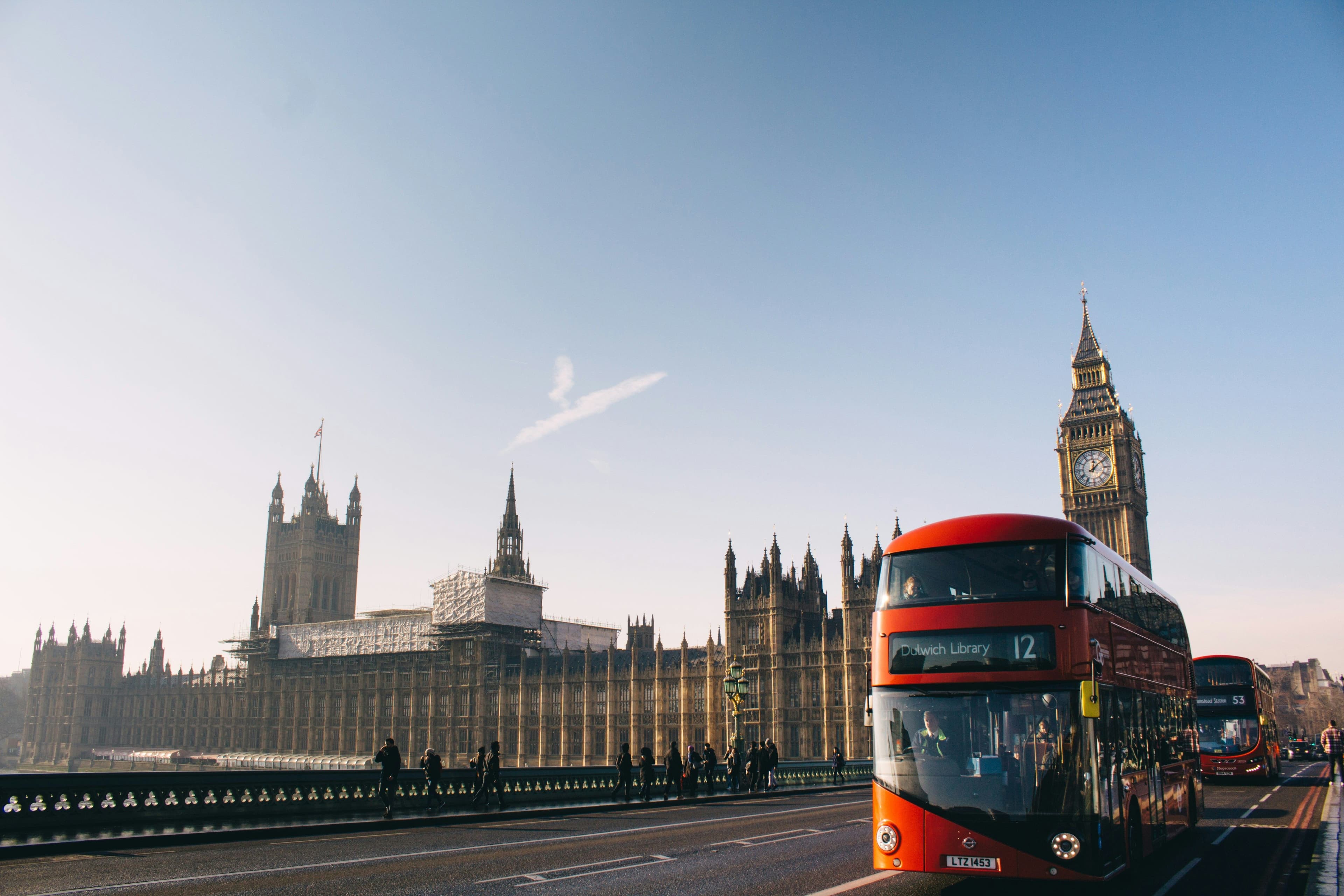
Did you know summer days in the UK can go on until almost 10pm, which suddenly gives you way more time to explore than you planned for. When you think about the best time to visit the UK, it’s actually less about how warm it gets and more about things like daylight, local events and how busy it gets during school holidays or bank holiday weekends. Summer brings the big festivals and winter turns cities into festive spots with better prices. The same place can feel completely different depending on when you go, which is exactly why timing your trip matters so much. So let’s figure out the best time to visit the UK based on your interests.
When is the best time to visit the UK
The timing your trip to the UK makes way more difference than people expect. Between longer days, changing weather and those classic rainy moments, the best time to visit in the UK really depends on what kind of experience you’re after.
Late May to early June: mild temperatures, longer days, fewer busy moments before peak summer
September: still pleasant weather, easier to explore without peak-season pressure
July and August: warmest months, lots going on, though prices go up and places fill up quicker
Winter months: lower prices, festive atmosphere, shorter days and colder conditions
Around bank holiday weekends: more local travel, so things can feel busier than expected
The UK by season: what to expect throughout the year
Between changing daylight, temperatures and rain, every part of the year gives you a completely different kind of trip.
Spring in the UK: mild weather, blooming parks
After those colder months, things slowly start waking up again, and spring in the UK is where colour comes back into parks and cities. Around 9 to 15°C is what you can expect, though earlier weeks can still feel a bit chilly.
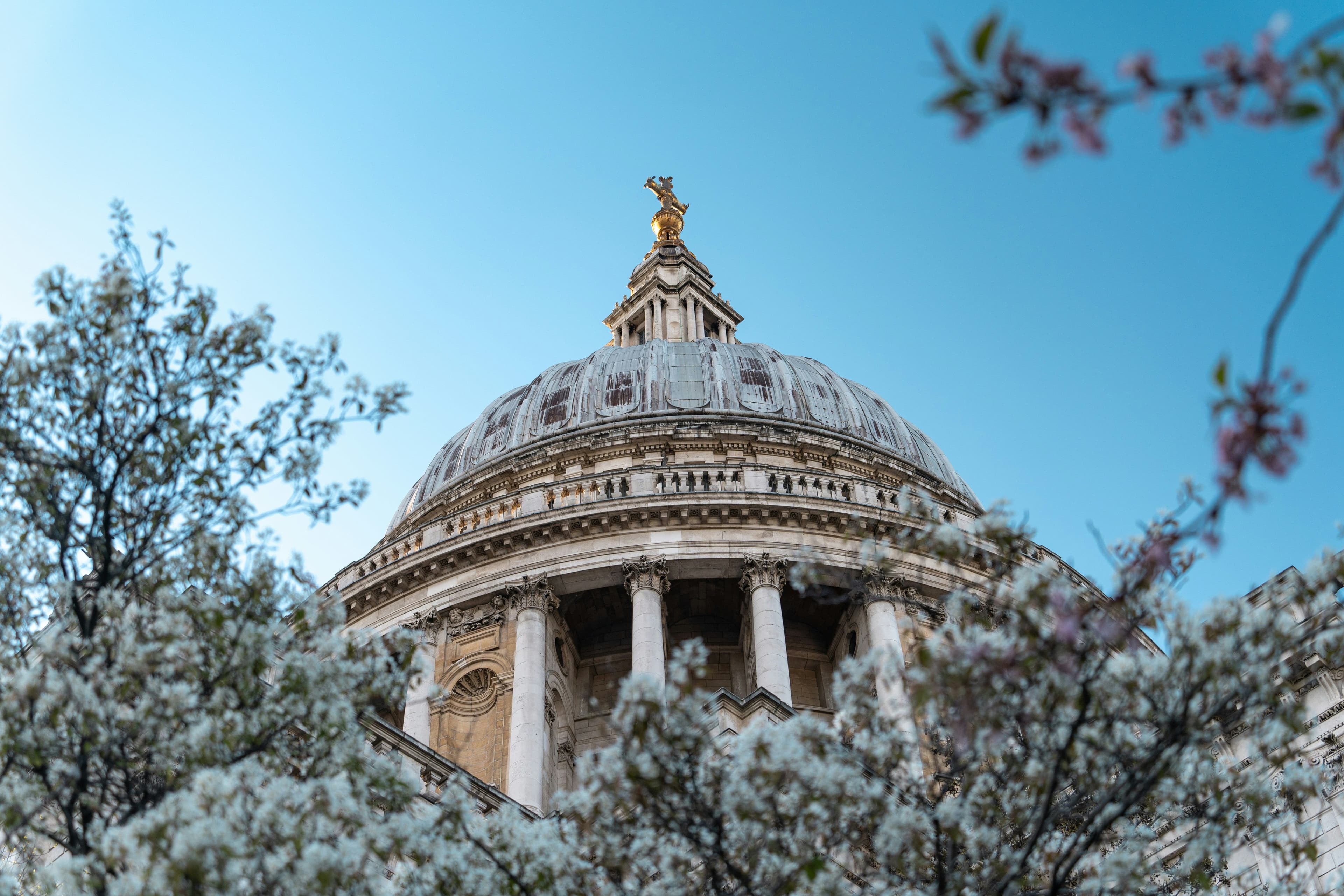
Longer days start returning, which makes being outside much more enjoyable, and places are easier to explore compared to summer. Events like the Chelsea Flower Show add something extra, and by May, you’ll notice things warming up, even if a rain shower still shows up now and then.
Summer in the UK: warmest weather, and long days
Once summer hits, everything feels more alive, and those long days really stand out, with daylight lasting well into the evening. Around 18 to 25°C is common, with the occasional warmer day.
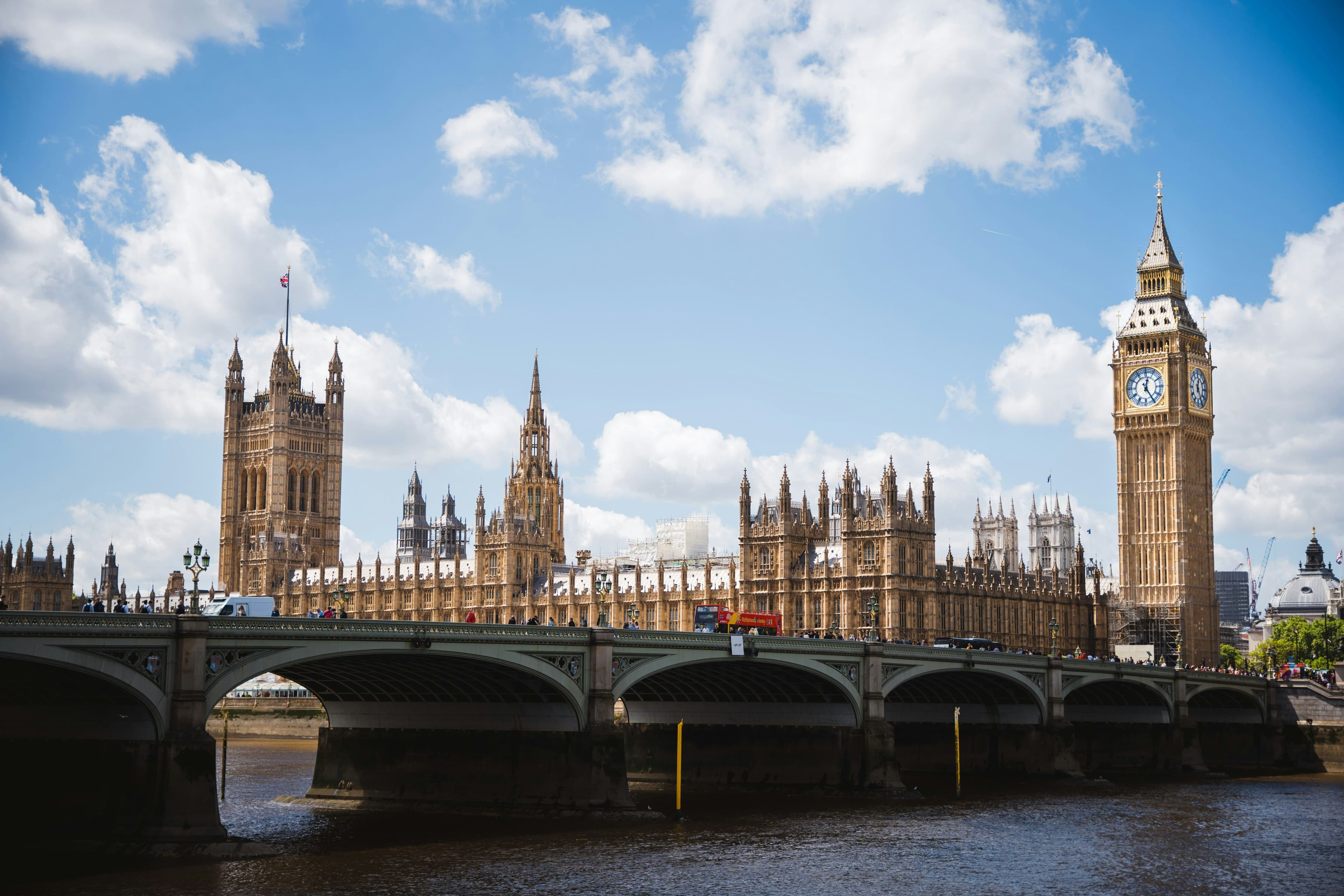
June, and early June in particular, feels like that sweet moment before things get busier. By July and August, you’ll notice more people around and higher prices, though you also get the best conditions for beaches, festivals and longer trips.
Autumn in the UK: cooler days, cosy atmosphere
Once September rolls in, things start calming down again, which makes this such a nice time to explore. Around 10 to 18°C early in the season, then gradually cooler as weeks go by.
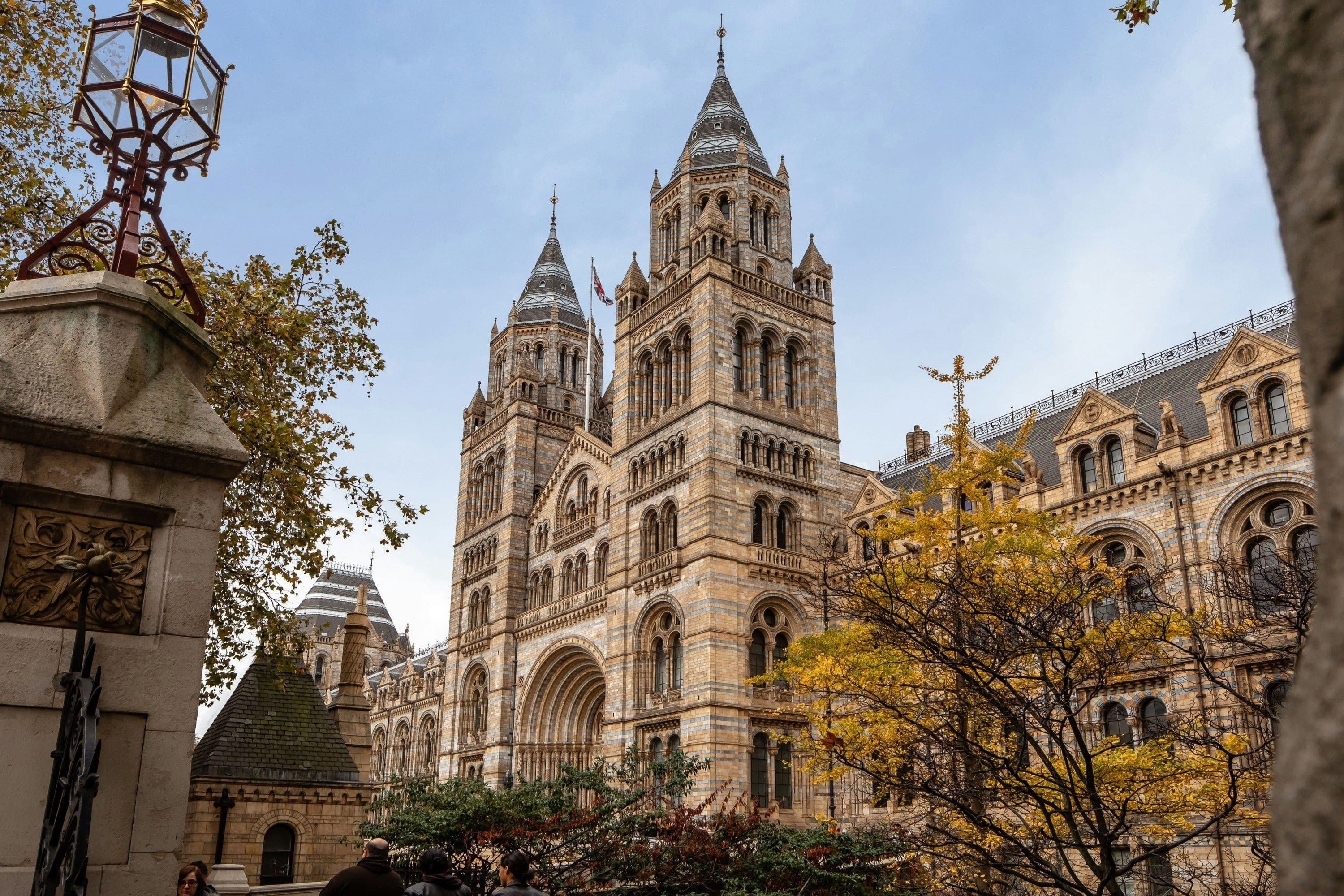
Early autumn still feels quite comfortable, and places are easier to enjoy without that peak-season intensity. Later on, shorter days and cooler evenings set in, along with moments like Guy Fawkes Night. September sits right in the shoulder season, where you get a great mix without the summer rush.
Winter in the UK: festive cities, and lower prices
From November to March, things slow down quite a bit, and this is where the UK shifts into its quieter period. Around 2 to 8°C is typical, with colder conditions further north and occasional frost or even snow.
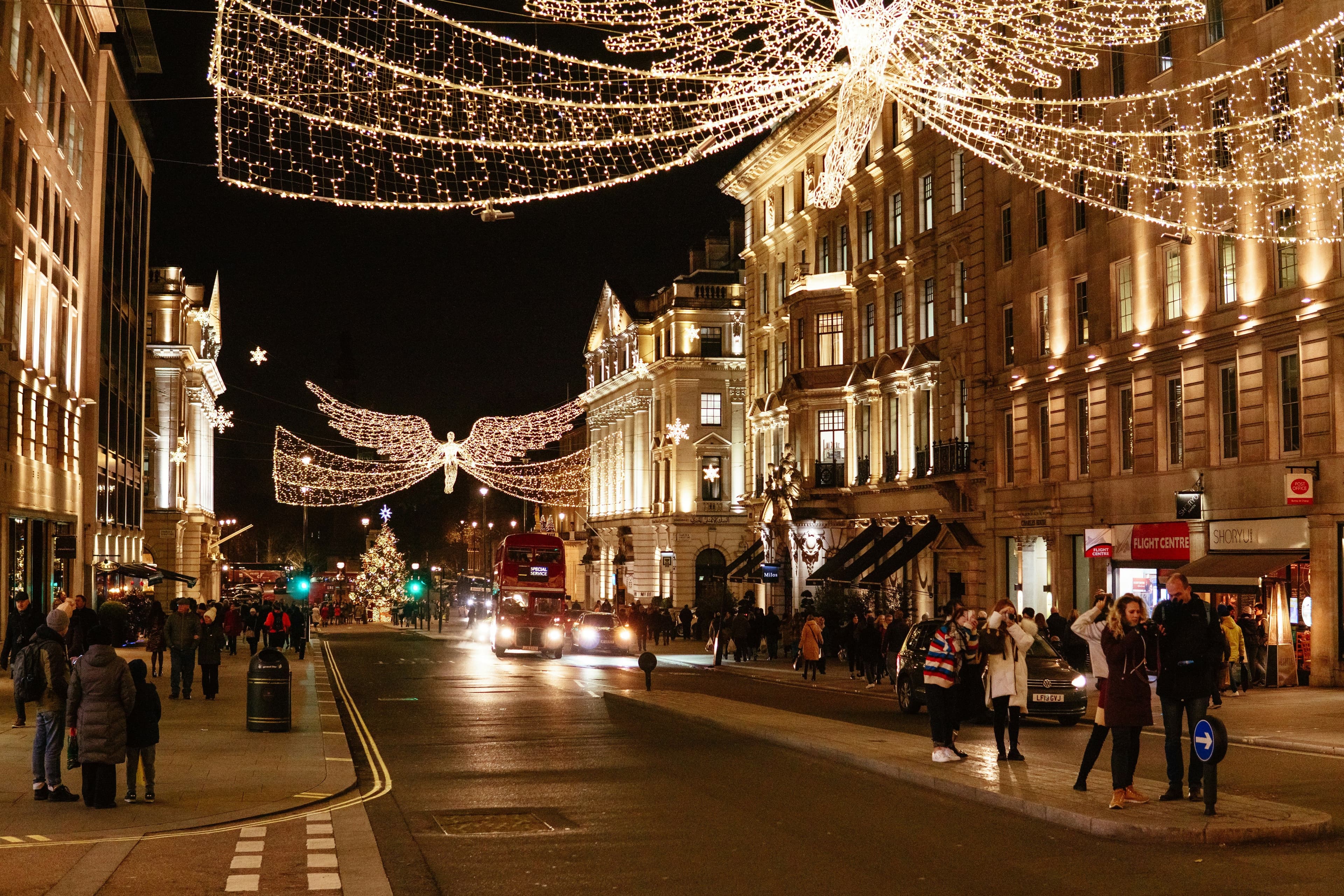
December brings Christmas markets and celebrations around New Year’s Eve, which completely change the atmosphere in places like London and Edinburgh. Outside of that festive period, prices drop. Just keep your umbrella close, you’ll probably end up using it.
Best time to visit the UK for different travel styles
Thinking in terms of what you want to do makes choosing your travel period way easier. Linking your plans to specific months gives you a much clearer picture than just picking random dates.
Best time for good weather: May, early June and September
For warmer and more comfortable days, late spring and early autumn usually work best. Around May and early June, temperatures sit nicely without getting too warm, and you get those longer days that make exploring feel relaxed.
Compared to peak summer, September still keeps that mild temperature but without the intensity of July and August, which makes it a really strong option if you want something in between.
Best time to avoid busy periods: April, May and September
If having more space during your trip matters, then these months are a safer choice. Outside peak summer and away from bank holiday weekends, places feel easier to move through and you won’t spend your time waiting around.
Best time for budget travel: January to March
For lower prices, winter months are where you’ll notice the biggest difference. After the festive period, accommodation and flights drop, which makes January and February great for city trips.
Around this time, indoor attractions, museums and restaurants stay open, so even with colder weather, you still have plenty to do.
Best time for festivals and events: May to September
For events, summer stands out, though late spring already kicks things off in a big way. Across the UK, this period is packed with major events happening in different cities and regions.
Here are some of the main ones you’ll come across:
Glastonbury Festival: One of the world’s biggest music festivals with legendary performances and a massive global audience (June)
Notting Hill Carnival: Europe’s largest street festival fills London with Caribbean culture, music and parades (August)
Wimbledon Championships: The most prestigious tennis tournament in the world draws fans from across the globe (late June to early July)
Edinburgh Festival Fringe: The world’s largest arts festival takes over the city with thousands of performances (August)
London Marathon: A world-famous race with elite runners and huge crowds lining the streets of London (April)
BBC Proms: A long-running classical music festival with iconic concerts at the Royal Albert Hall (July to September)
Chelsea Flower Show: A prestigious garden show known for creative designs and royal appearances (May)
Isle of Wight Festival: A major UK music festival with big international headliners and a long history (June)
Hay Festival: A globally recognised literary festival attracting writers, thinkers and visitors from around the world (May to June)
Best time to visit different regions in the UK
Not every part of the UK works the same way at the same time. From our experience, adjusting your timing per region gives you a much better trip than trying to fit everything into one fixed period.
Best time to visit Scotland UK: May to September
Up in Scotland, daylight changes everything, much more than temperature ever will. Around late spring and summer, those longer evenings give you extra hours to be outside, which really matters when you’re exploring places like Fort William or driving through the Highlands.
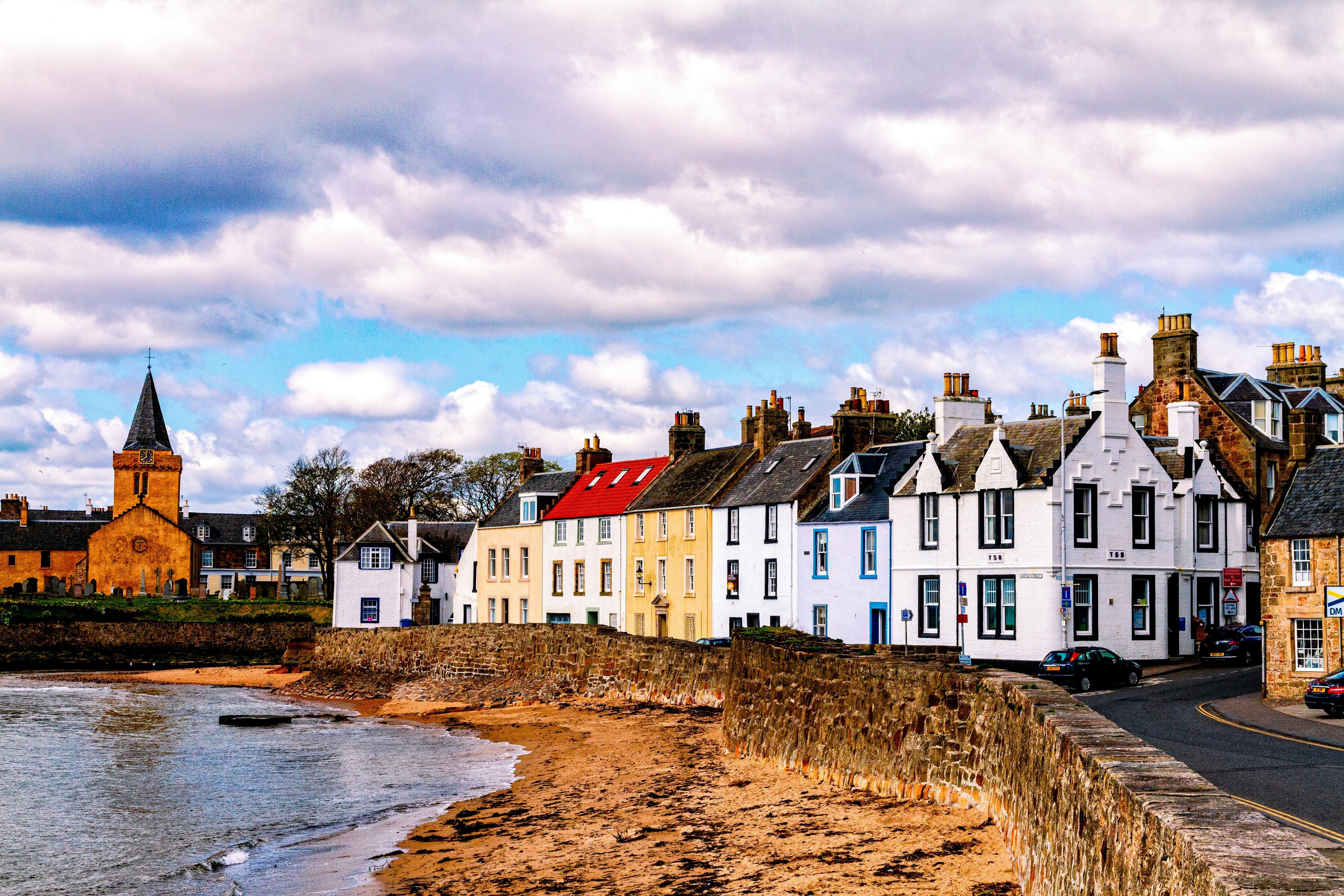
Compared to southern parts of the UK, cooler air tends to stay a bit longer here, so earlier months can still feel crisp, even when the rest of the country is already warming up. Between May and September, the weather is more comfortable for longer drives, hikes and viewpoints, since you’re not racing against early sunsets.
Best time to visit Lake District UK: April to September
Looking at the Lake District, timing really depends on how much time you want to spend outside. Between April and October, you get the best window for walking routes, viewpoints and lake activities, since daylight gives you enough time to explore everything.
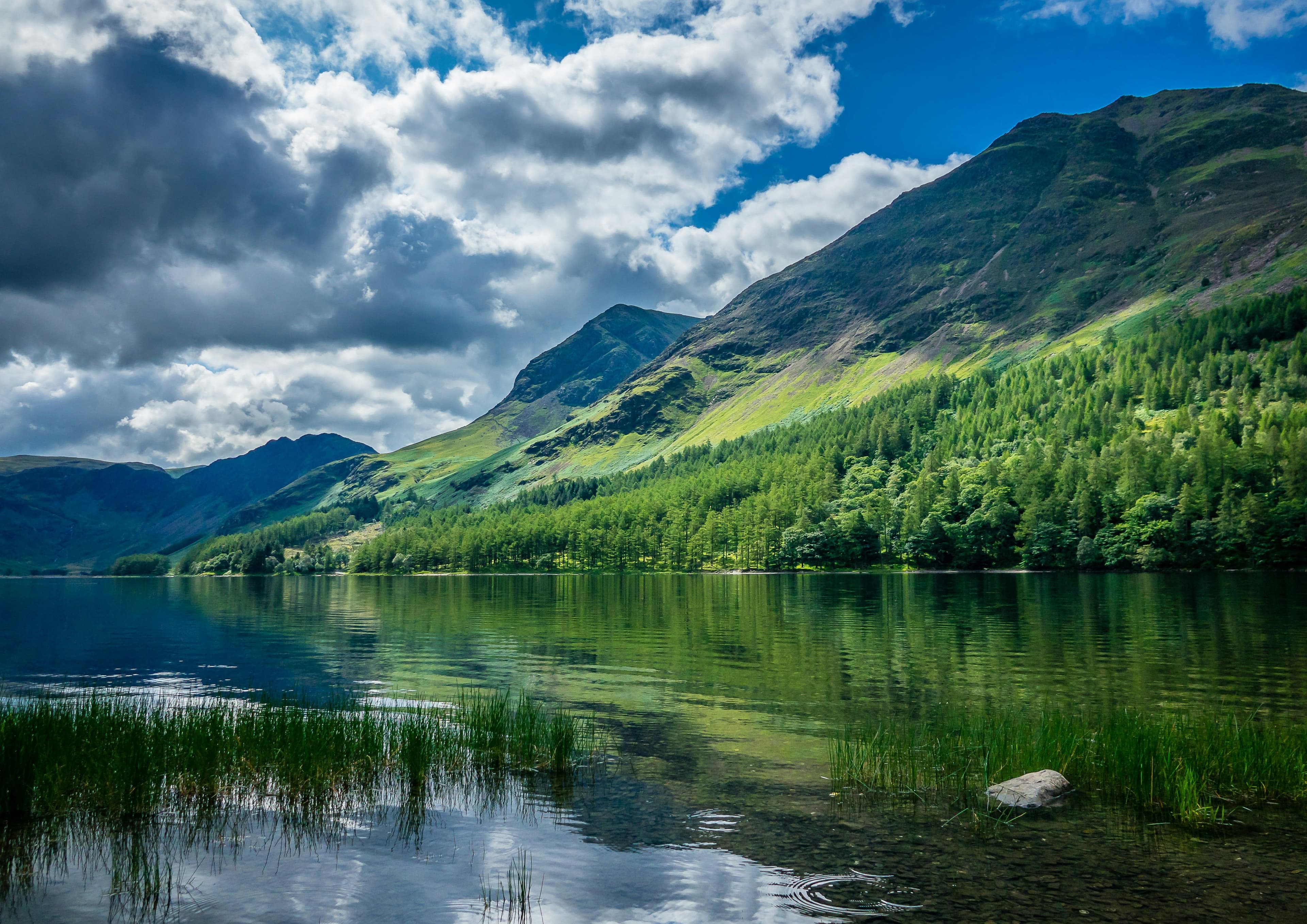
Early spring is a lot calmer, with fewer people on the trails and landscapes starting to open up again after winter. On the otherhand, summer gives you the longest days, which helps if you’re planning full-day hikes or multiple stops across the region.
Travelling to the lake district or going on a road trip? Around the Lake District, having a car just gives you more freedom, since short drives between lakes, viewpoints and villages. We put together a UK road trip guide with Guided favourite routes and stops, which can help you map things out.
Best time to visit Cornwall UK: June to September
Down in Cornwall, everything revolves around the coast, so warmer months make a huge difference. Between June and September, sea views, beaches and coastal paths become much more enjoyable, simply because temperatures are higher and the days last longer.
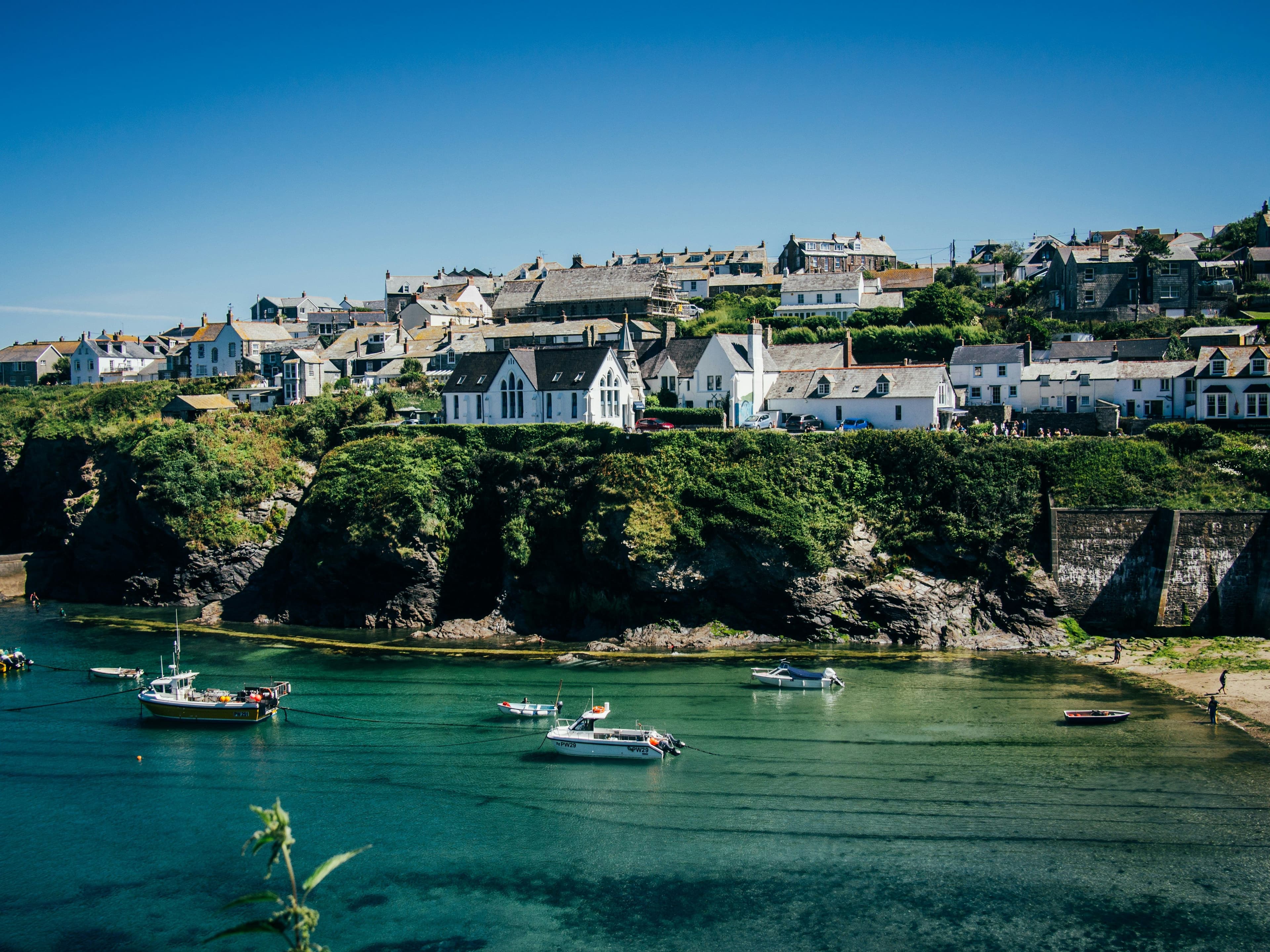
Around early summer, you still get that relaxed atmosphere before peak holiday weeks fully arrive, which gives you more freedom to explore small towns and coastal routes.
Later in summer, the whole region gets more active, with beach days, outdoor dining and longer evenings.
Best time to visit London UK: March to May and September to November
In a city like London, timing is less about weather extremes and more about comfort during the day. Between March and May, temperatures sit at a level where walking through the city is easy, and the parks start filling with colour again.
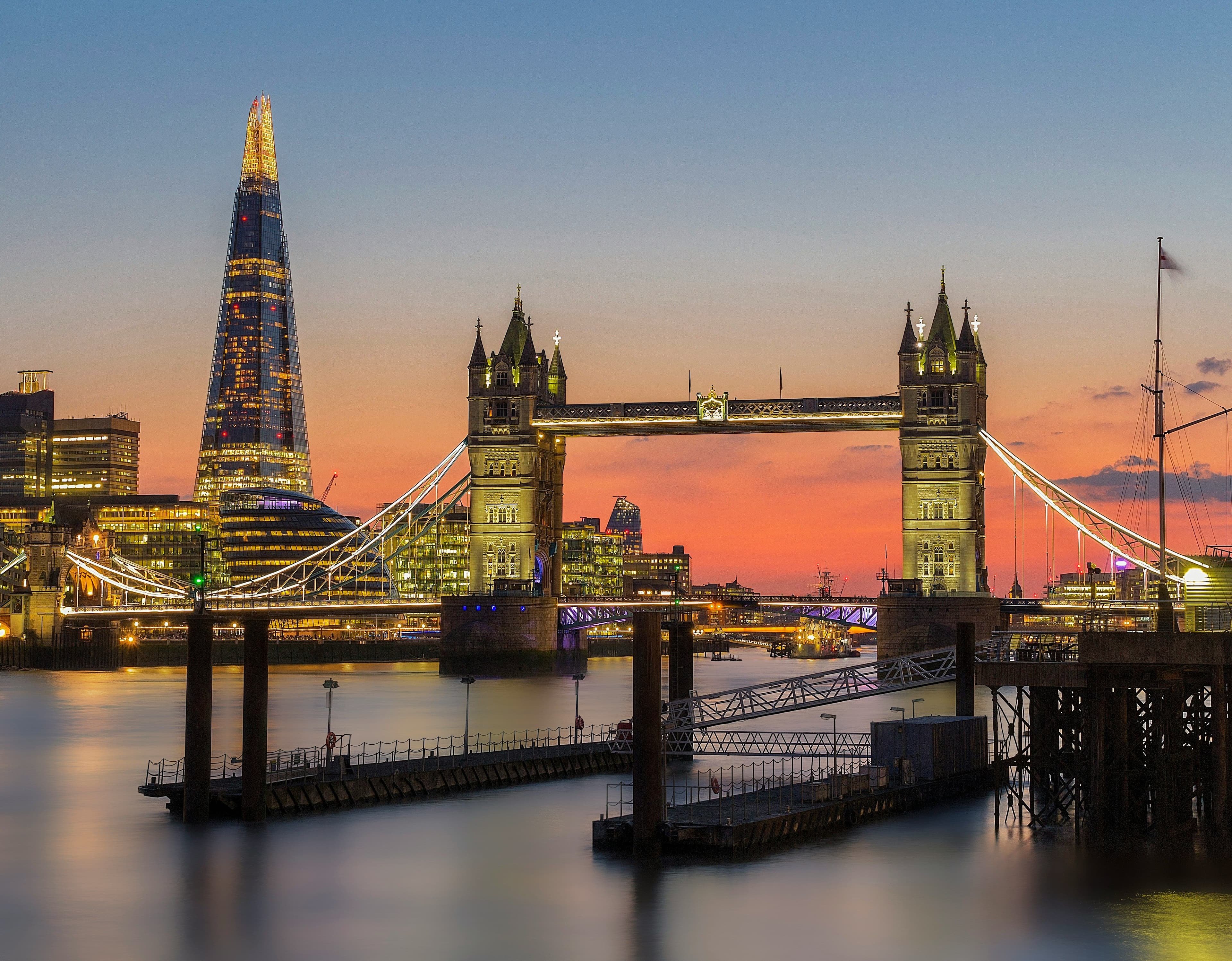
Around this period, events like the Chelsea Flower Show bring something extra to your visit, adding to the overall experience without needing to plan around it too much.
Later in the year, September through November gives you that same comfort again, though with slightly cooler evenings and a calmer atmosphere after the peak summer period. Between these months, moving through neighbourhoods, visiting museums and exploring different areas is much more relaxed compared to the busiest part of the year.
Best time to visit Wales: May to September
Across Wales, longer daylight plays a big part in how much you can actually see and do in a day. Between May and September, you get enough time for coastal walks, national parks and visiting smaller towns.
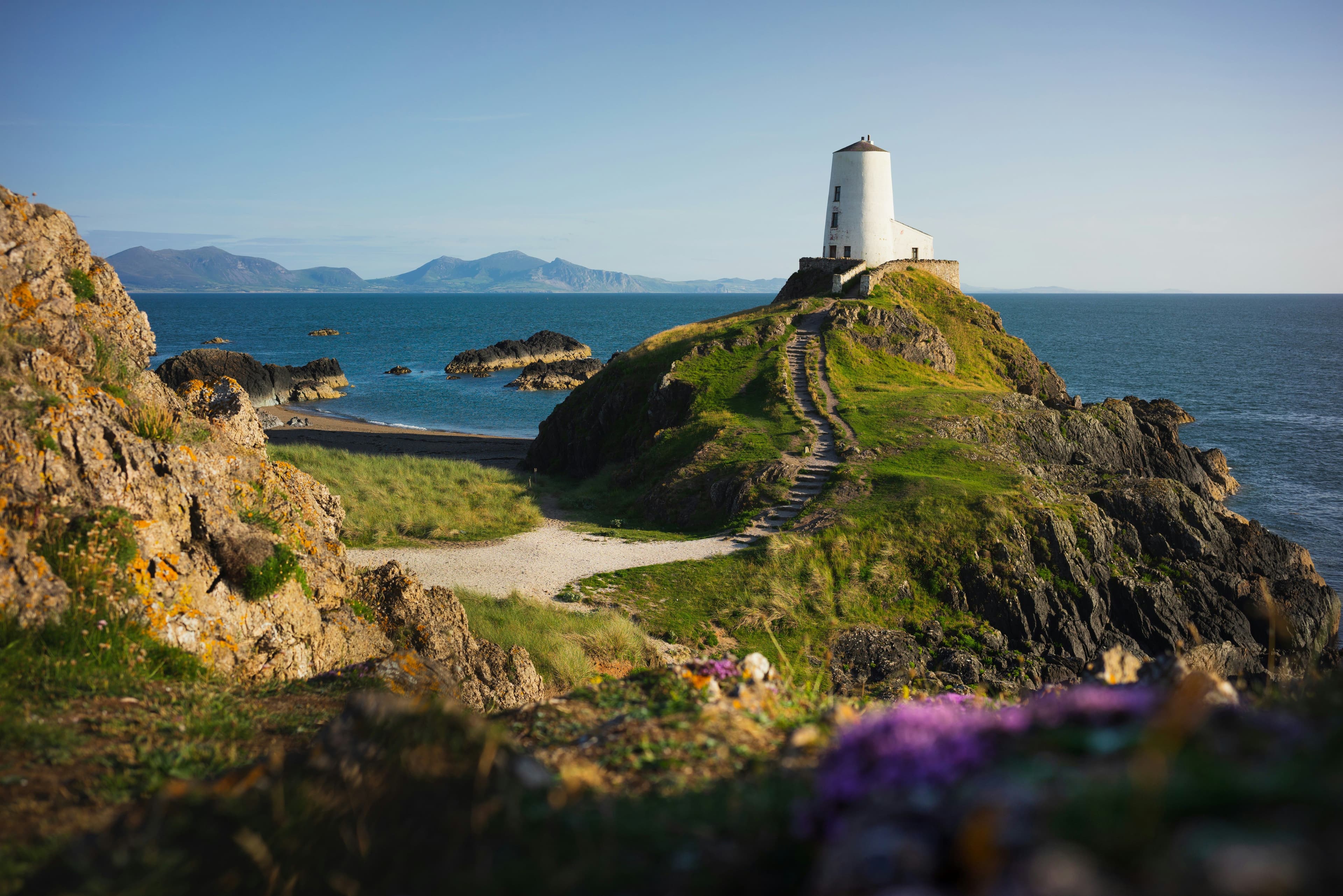
Around summer, temperatures reach their highest point of the year, which makes outdoor plans more enjoyable, especially along the coast. Earlier and later in the season, beautiful views and routes are still there, though with fewer people around.
Not sure where to go yet? You can read our full UK destination guide with all the best places and ideas to help you decide.
Best places to visit in England in December
Around December, cities light up and evenings become the best part of your day. This is less about ticking off sights and more about soaking up everything happening around you.
London is one of the nicest places to go to in England in December. Across the city, you can see Oxford Street lights, ice skating at Somerset House, Winter Wonderland in Hyde Park, theatre shows in the West End and food stalls everywhere. Through Covent Garden and Carnaby Street, decorations hang above you, music plays and it honestly feels like the whole city leans into the season.
Up in York, there is a cozy historic atmosphere with narrow streets, decorated shop windows and smaller markets that feel a bit more local. Bath follows that same idea, with its Christmas market, warm lighting and compact centre where you can just walk around without needing a plan.
Over in Manchester and Birmingham, bigger Christmas markets take over large parts of the city, with food, drinks and stalls spread out across squares and streets. Along Brighton, seaside walks mixed with winter events give you something a bit different if you want a coastal city break.
How to choose the best time to visit the UK
The best time to visit the UK really comes down to what you want your days to look like once you’re there. For some, that means longer daylight and being outside as much as possible, for others it’s about cosy city moments, lower prices or catching a festival at just the right time.
Longer days and more time outside: go for late spring or summer
Lower prices and city-focused trips: choose winter months
A bit of everything without peak intensity: aim for spring or autumn
Festivals, events and lively cities: plan around summer
Fewer people and easier exploring: avoid peak summer and holiday weekends
Start with what matters most to you, then shape your dates around that instead of forcing it the other way. A simple way to do this: write down the three things you really want to do in the UK, then match those plans to the time of year that suits them best.
Enjoyed This Blog? Continue Reading!
There is more travel inspiration waiting for you on our blog. You can take a look below and start mapping out your next travel adventure!