Best time to visit Morocco: picking the right time for your trip
By Eva Alkemade
Apr 29, 2026
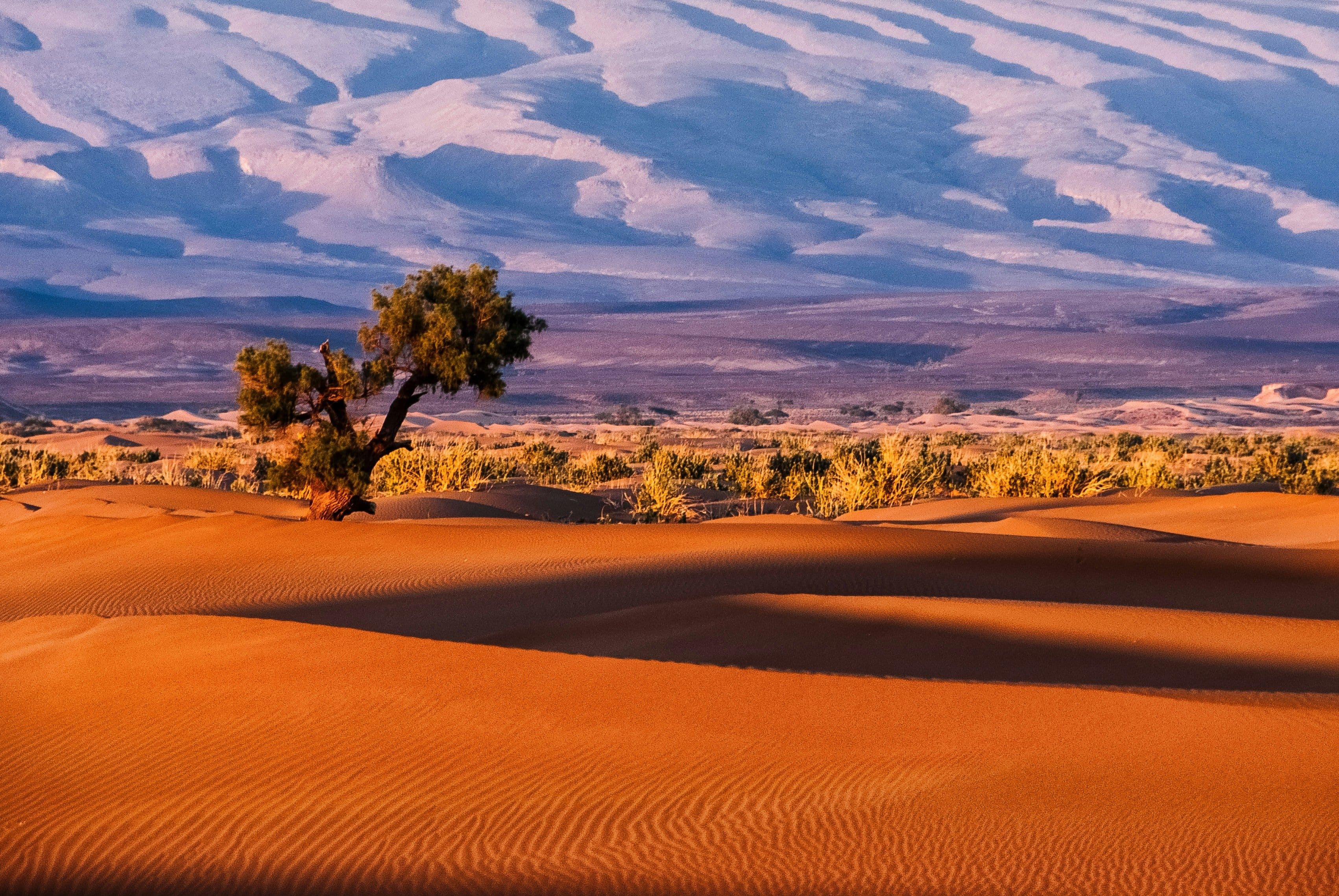
In Morocco, you can ski in the High Atlas in the morning and sit in 25°C sun by the Atlantic coast later that same day. In places like the Sahara Desert, heat during the day can go above 40°C, yet winter nights can drop close to freezing. Because of these big differences, the timing of your trip really changes your experience. So, the best time to visit Morocco comes down to the kind of weather you enjoy and the activities you want to plan into your trip.
What is the best time to travel to Morocco?
Across the year, conditions change quite a bit, so timing your trip really depends on what kind of days you want to have.
Best overall period: March to May and September to November, comfortable weather, easier to explore
Still a good time: April, May and October, strong mix of weather and travel conditions
More intense months: June to August, rising heat inland, better along the atlantic coast
Because of how different regions behave, there isn’t one perfect moment that fits every trip. When figuring out the best time to visit Morocco for your trip, start with what matters most to you, then match your timing to that.
Morocco by season: what each part of the year feels like
Each period brings its own advantages, so it really helps to know what you’re walking into before you decide when to go. Let’s take a look at what you can expect per season.
Spring: March to May
Morocco’s weather in March sits somewhere between 18 and 24°C, you can actually spend full days outside without feeling drained by the heat. Around cities and smaller towns, walking around is comfortable, and you don’t have to plan your day around avoiding the sun. For a lot of trips, this is the best time of year to travel to Morocco.
Moving into April, things get even better. The temperature in Morocco in April is usually between 20 and 26°C. Because the sun sets later, you will have more time to explore, which is nice if you’re moving between places. Up in the atlas mountains, the hiking trails start opening again, so hiking becomes a really good option too. Around this time, it’s easy to mix cities with nature.
By May, you’ll notice it getting warmer, though still very doable. The weather in Morocco in May is around 22 to 28°C, days feel warm without being too much. This is a good month to visit Morocco, mainly because you get good weather without the extremes that come later.
Summer: June to August
From June onwards, things start heating up pretty quickly, mainly inland. Morocco’s weather in June is around 25 to 35°C in places like Marrakech, which can feel like a lot during the day. Around midday, you’ll probably want to slow things down a bit. Over by the atlantic coast, it’s a different story, it is much more comfortable there.
During July and August, the heat really kicks in. With high temperatures hitting anywhere between 30 and 45°C inland, being outside all day isn’t always the easiest. Around the sahara desert, it can feel intense, so it’s not the best moment for longer desert trips.
Across summer, where you go matters more than when you go. Around coastal cities, temperatures stay closer to 22 to 28°C, which makes beach days actually enjoyable. Inland areas stay hot, so shorter outings work better there.
Autumn: September to November
Morocco’s weather in September is still around 25 to 32°C, it’s warm, but not as intense as before. Around this time, moving between places becomes a lot smoother again.
Coming into October, things really hit a sweet spot. Morocco’s weather in October sits between 20 and 28°C, pretty much every part of the country works well. Around cities, mountains and desert areas, everything lines up nicely, which is why for many people this is the best time to visit Morocco. If you want variety in your trip, this is one of the easiest times to plan it.
By November, temperatures drop a bit more. Morocco’s weather in November sits around 15 to 25°C. In the sahara desert, it is still comfortable during the day, which makes it a really nice moment to go. If you like things a bit less busy, travelling to Morocco in november is a great option.
Winter: December to February
During winter, things cool down, though not in the way you might expect if you’re coming from Europe. In Morocco, the temperature in December is usually around 12 to 20°C in cities, which still feels fine for exploring during the day. Though, evenings can get cooler, so you’ll want to wear an extra layer.
In January, not much changes temperature-wise. In Morocco the weather in January still sits in a similar range, days stay mild, though it gets colder once the sun goes down. During the winter months, the high atlas can get snow, which is a completely different side of Morocco. Out in the sahara desert, nights can get seriously cold, which you might not expect!
By February, things slowly start picking up again. The weather in Morocco in February is around 13 to 21°C, days get a bit longer and slightly warmer. Around cities and lower areas, this is still a good time to go if you don’t mind cooler temperatures. So for trips focused more on culture and exploring, winter can actually work really well.
Guided tip: Think about what kind of activities you like, then match the season to that.
Best time to visit Morocco based on your interests
Did you know you can be walking through warm coastal air in one part of Morocco, then a few hours later find yourself in much cooler mountain temperatures, and even snow if you head high enough? Across the country, every region comes with its own climate, so your timing can change a lot depending on where you go and what kind of days you want to have. Do you like hiking in the mountains, relaxing at the beach or going on a desert adventure?
For cities like Marrakech and Fes: Spring and autumn
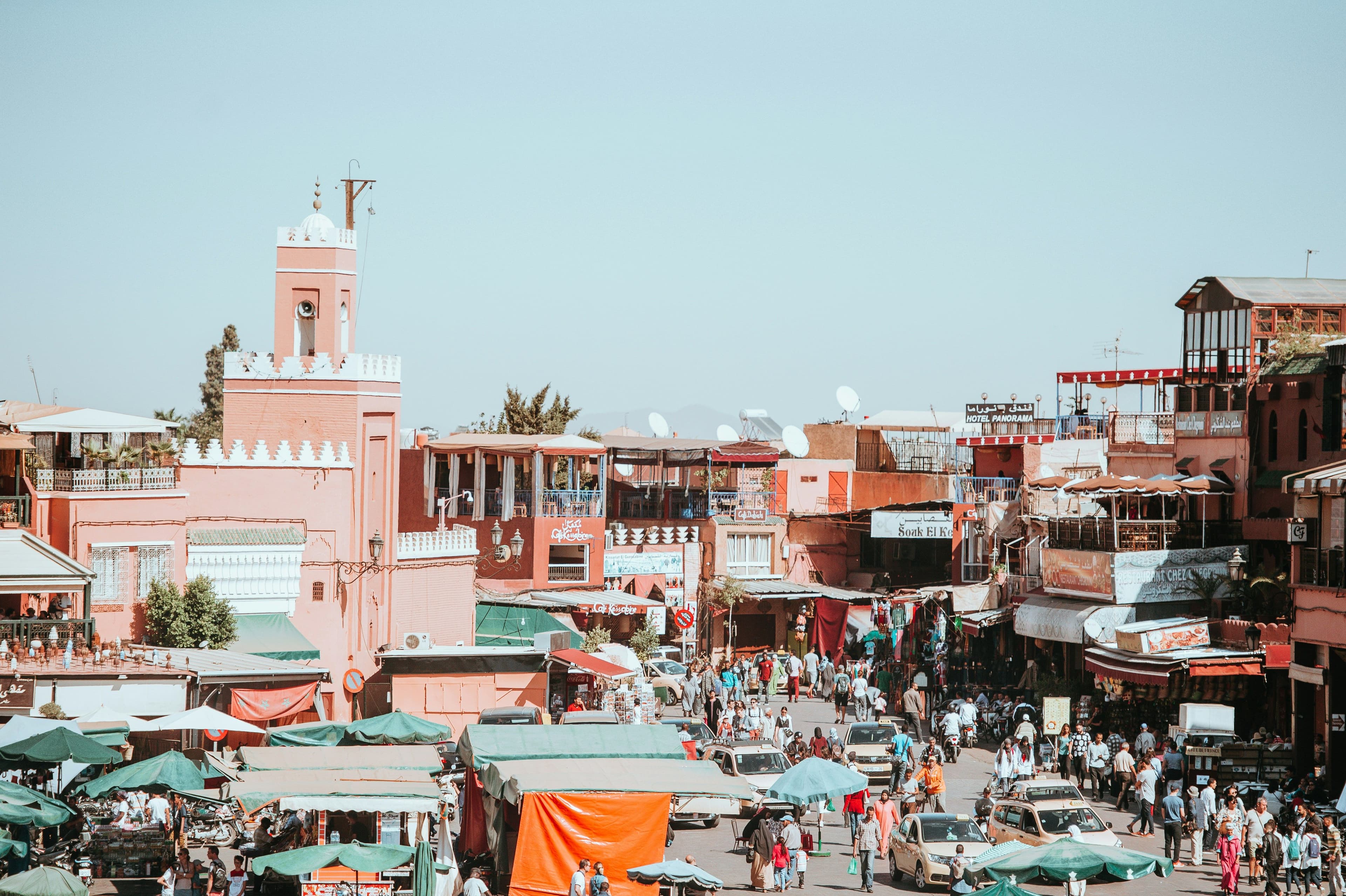
The best time to visit Marrakech is spring or autumn, when the temperatures stay pleasant enough to walk around for hours without needing constant breaks. Through the medinas and old streets, you can just explore without thinking too much about the heat.
During summer, things get intense here pretty quickly. With temperatures going above 35°C, midday simply gets too hot to explore the city. Around winter, it cools down, though it still works well for sightseeing if you’re okay with lighter temperatures.
For the Sahara Desert: Spring and autumn
For the desert, timing really changes the whole experience. Around spring or autumn is the best time to travel to Morocco for desert trips. The temperatures stay much more comfortable during the day. You can easily sit on the dunes, watch the sunset, and even stay overnight.
During summer, heat can go above 40°C, which makes longer desert trips really tough. Around winter, days are still fine, though nights can get surprisingly cold, so it’s a bit of a different kind of experience.
For beaches and coastal towns: Summer
For beach days, things work a bit differently compared to inland. Along the atlantic coast, temperatures stay more stable, which already makes it easier to plan your trip around that area. Around summer, it actually becomes one of the best spots in the country.
During July and August, when inland areas heat up a lot, coastal towns stay way more comfortable. With that sea breeze coming in, you can actually enjoy being outside all day.
Outside of summer, spring and autumn still work really well. Around those seasons, you still get nice temperatures without the peak heat, which gives you a bit more freedom in your plans.
For hiking and the Atlas Mountains: Spring and Autumn
For hiking, cooler weather generally makes everything easier. Around the atlas mountains, spring and autumn give you the best conditions, where temperatures stay comfortable for longer walks. Up in those areas, that really matters if you want to spend full days outside.
During summer, higher areas can still work, though lower parts get warmer. Around winter, snow shows up in the high atlas, which changes what you can and can’t do, especially on certain trails.
Not sure yet what to do in Morocco? Read our Morocco travel guide covering beautiful destinations, special activities, travel tips and more!
Crowds, prices and travel seasons in Morocco
Each season doesn’t just bring different temperatures and weather, it also comes with changes in prices and how busy places get. When planning your trip, this is something you’ll want to keep in mind, because it can really affect how your days look and what you end up paying.
Spring and autumn: more people travel, prices are higher and places fill up faster, so booking earlier helps.
Winter and peak summer: fewer people around, lower prices and more choice when booking.
It’s also worth taking a quick look at our guide on staying safe in Morocco before you go, so you know where to go and what to avoid.
Festivals, cultural events and holidays in Morocco
Around the year, different events pop up that can completely change what your days look like, and that’s where Morocco can get really fun too.
Ramadan
Ramadan is one of the most unique periods in Morocco, and you’ll notice it straight away once you’re there. Across the country, daily life slows down during the day, then picks up again after sunset, with streets filling, food being shared, and people spending time together outside. With fasting from sunrise to sunset, restaurants open later and streets stay calmer until evening. Once the sun goes down, everything comes alive again, people eating together, staying out longer, and spending time outside.
That means your days will look a little different. Lighter plans during the day, more happening later on. Across this period, you get a side of Morocco that you won’t see at any other time of the year.
Eid celebrations
Right after Ramadan, Eid al-Fitr brings a completely different atmosphere. Around cities and towns, families gather, food is everywhere, and there’s just more going on in general. Some places close for a bit, so it helps to keep that in mind when planning.
Later in the year, Eid al-Adha comes around with that same focus on family and tradition. Around those days, many shops close, transport can be a bit limited, and people spend more time at home with family, so you’ll notice fewer places open.
Festival of Roses
Around May, something quite unique happens in the Dades Valley. During the Festival of Roses, the whole area focuses on the harvest, with markets, music and local celebrations. As part of a spring trip, this fits in really nicely without needing to change much. Around that time, weather conditions also work well for exploring that region.
Gnaoua World Music Festival
In June, Essaouira turns into a music-focused town for a few days. Around the Gnaoua Festival, performances take place across the city, not just in one location. As you walk through town, you’ll hear music everywhere, which gives it a completely different energy. Around the coast, temperatures stay comfortable too, so being outside all day still works well.
Marrakech Popular Arts Festival
During summer, Marrakech hosts the Popular Arts Festival, where music, dance and storytelling take over different parts of the city. Around places like palaces and open squares, you’ll see traditional performances from all over Morocco, including folk dances, live music and even acrobatics. Late in the day is when most of it happens, since daytime heat can be strong, so evenings turn into the main moment to go out and watch.
Imilchil Marriage Festival
Up in the Atlas Mountains, the Imilchil Marriage Festival shows a very different side of Morocco. Around this event, you’ll see Amazigh traditions up close, with families gathering, people wearing traditional clothing, music playing, and a long-standing custom where couples meet and get engaged during the festival. It’s not set up as a show, it’s something that still belongs to the local community, which makes it quite special to witness. If your trip already includes the mountains, this can be a really interesting addition. Around late summer or early autumn, conditions there are also much more comfortable.
Local souks and weekly markets
Across Morocco, weekly markets pop up in towns and villages all year round, and they’re way more than just places to shop. Depending on the season, you’ll see piles of fresh fruit and vegetables, spices in every colour, handmade carpets, pottery, clothing, and sometimes even livestock being traded. Walking through one feels like stepping into everyday life, with people bargaining, chatting and picking up what they need for the week. As you move between places, these markets just become part of your trip without needing to plan for them.
Guided tip: Check event dates before booking, because planning your trip around one festival can change your experience.
So, what is the best time to visit Morocco for you?
Across Morocco, there isn’t one perfect moment, it all depends on what you want out of your trip. So let’s take a look what suits you:
Comfortable weather and easy travel: spring or autumn
Lower costs and less busy: winter or late autumn
Beach days: summer along the coast
Desert trips: spring or autumn work best
The best time to visit Morocco really comes down to your own plans. Across different seasons, the same place can feel completely different, so that’s what should guide your timing. Start thinking of the kind of trip you want, then match your dates to that. Just make sure to double check national festivals and holidays and you’re good to go!
Enjoyed This Blog? Continue Reading!
There is more travel inspiration waiting for you on our blog. You can take a look below and start mapping out your next travel adventure!