Is it safe to travel to Morocco in 2026?
By Eva Alkemade
Apr 28, 2026
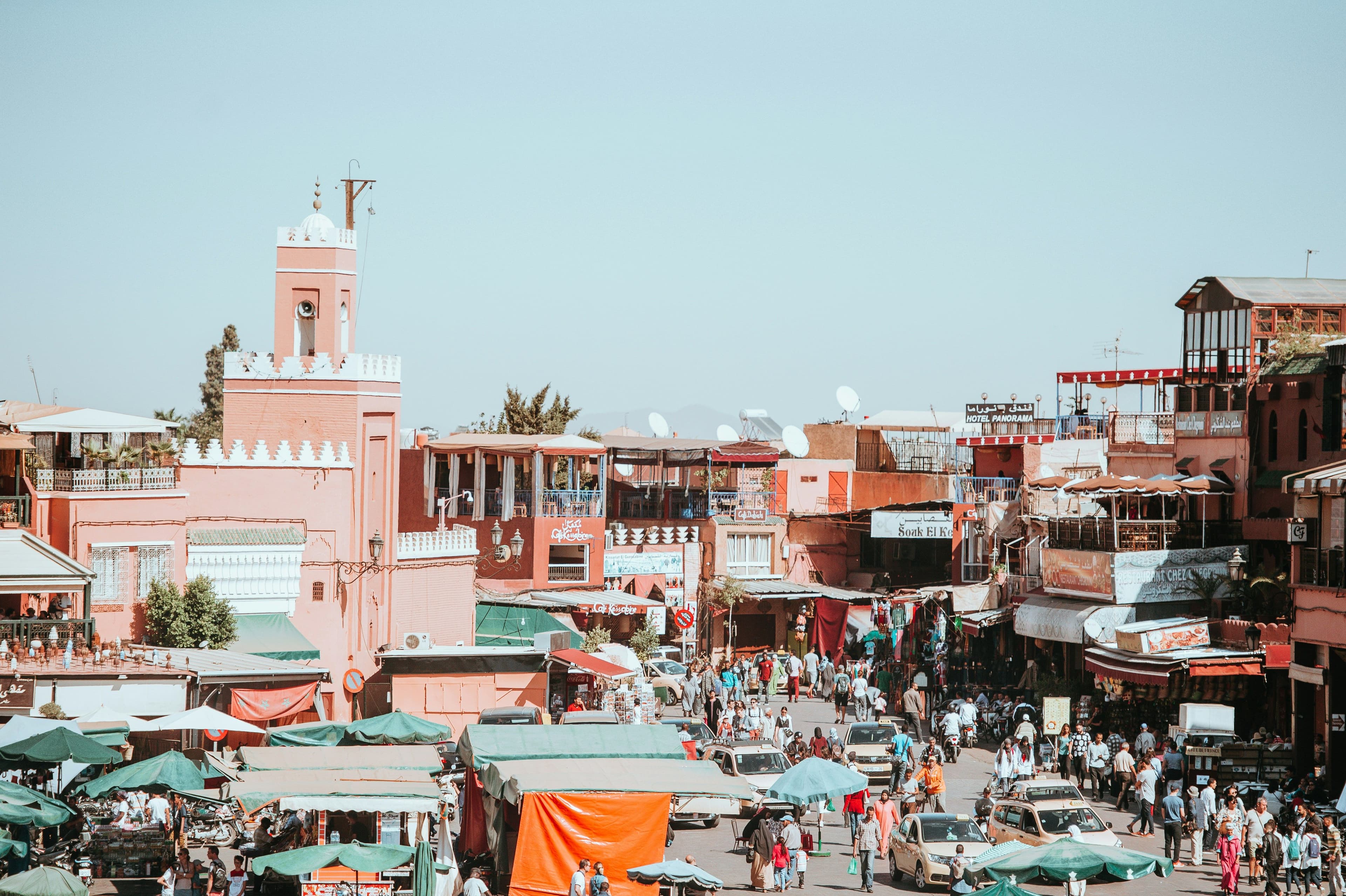
A place where call to prayer echoes across rooftops, where markets run on quick conversations and where getting lost is almost part of the plan, that’s Morocco in real life. When you step into the maze-like medinas, you will notice how different daily life works here compared to Europe or the states. Is it safe to travel to Morocco? Can you take your family there? And what are the roads like? Let’s walk through what you can expect, and how you can stay safe in this unique country.
Is Morocco safe for tourists?
Yes, you can go to Morocco, but it’s not one of those places where you completely switch off and just walk around without thinking. It’s not always about danger, it’s about how things work there.
Once you arrive, you’ll notice it straight away. More people talking to you, more things happening around you, more moments where you have to respond or just keep walking. That can feel like a lot in the beginning, but after a day or two, you kind of get into it.
Most situations that come up are small things. Someone trying to sell you something, or someone being a bit pushy. Knowing what you can expect makes everything easier to handle.
What are the main safety risks when you travel in Morocco?
Wondering what you actually need to watch out for? Let’s take a look at the situations people run into most.
Petty theft and common scams
In busy places, things like petty theft can happen. Not everywhere, but in spots where a lot of people are moving around, you have to stay a bit aware.
Then there’s tourist scams, which you’ll hear about a lot. Someone offering to guide you, someone telling you a street is closed, or helping you out and then asking for money after. In many cases, it comes down to locals trying to make some extra income and using these kinds of tricks to do it. After you’ve seen it once, you’ll already recognise it the next time.
Unwanted attention and cultural differences
At some point you’ll notice how often people talk to you. Not in a bad way all the time, but more than you’re used to. That includes sellers, questions, and unwanted attention. First day, it can feel a bit much. Second day, you already start figuring out how to deal with it. Short answers, or just walking on, usually does the trick.
Food and drinks
It is not safe to drink tap water in Morocco, so stick to bottled water. One small thing to keep in mind with drinks: ice can be made from tap water too, so it’s often easier to skip it.
Food is generally fine, just go for places where you see people eating. When a place is busy, ingredients move faster and dishes are made more frequently, which lowers the chance of anything sitting out too long.
Is Morocco safe for women?
Not sure what to expect as a woman? Let’s take a look at what you can expect day to day.
What you can expect as a female traveller
In cities, attention towards women can happen more than you might be used to. It usually stays at comments, looks, or someone trying to start a conversation. It can feel uncomfortable if you didn’t expect it.
Cultural expectations and local customs
Things just work a bit differently there, and understanding local customs helps more than you think. In tourist areas, people are more used to visitors, so you’ll notice more flexibility in how people dress and interact. In smaller towns, things can feel more traditional, and expectations around clothing and behaviour are a bit stronger. You’ll notice that difference pretty quickly, for example with how people look at you, how close you stand to others, or how public interactions play out.
How to reduce unwanted attention
Many people choose to dress modestly, just to blend in a bit more. Walking with confidence, not engaging too much, just continuing on your way, that usually works best.
Is Morocco safe for solo female travellers?
Going somewhere on your own is always a bit different. It’s definitely doable, though the first couple of days can feel a bit intense simply because everything around you asks for your attention.
What solo travel is like here
At the start, you’ll notice how much is happening around you compared to what you might be used to. And people will talk to you, offer help, or try to get your attention. Then after a day or two, you adjust without even thinking about it, just walking with purpose already create space without needing to say much.
Best places to go when travelling alone
For your first stop, it helps to choose somewhere calmer. And coastal towns give you more breathing room, with less interaction and less pressure overall. Then once you get used to how things work, bigger cities like Marrakech or Fes become much easier to handle. And for trips towards the Atlas Mountains, going with a guide just makes things simpler since routes and transport aren’t always obvious when you’re figuring it out by yourself.
Practical tips when you’re on your own
When you stay close to the centre, everything becomes easier, especially later in the day. And taxis are everywhere, so using them instead of walking longer distances makes things smoother. Also, having offline maps ready helps a lot when streets don’t follow clear layouts. And if something feels off, you just leave the situation straight away.
Guided tip: So give yourself a day or two to adjust, and after that everything already feels much easier.
Is Morocco safe for families?
When travelling with the whole family, you’re not just thinking about yourself anymore. Families are welcomed warmly, though daily life here can take a bit of getting used to.
Travelling with children
In many places, people react really positively to kids, with smiles and small interactions that feel friendly. But at the same time, streets can get busy and movement doesn’t follow the patterns you might expect. So you will need to stay aware and keep your kids close in busy areas. We recommend downloading a location-sharing app beforehand, so you can quickly see where everyone is if you get separated for a moment.
What to watch out for together
When it comes to crossing roads, things can feel a bit chaotic at first. And cars don’t always stop the way you might expect, so waiting for the right moment works better. Then there’s the heat, it can reach up to 40 degrees Celcius in summer. So plan enough breaks, keep water with you, and use facilities when you see them. If you choose more relaxed places, everything just feels easier with children. And accommodation with a courtyard or pool helps break up the day so you’re not constantly out.
Is it safe to drink alcohol in Morocco?
In general, alcohol is available, just not everywhere you look. And hotels, certain restaurants and bars usually serve it, while some supermarkets sell it in separate sections. Then in smaller towns, options can be limited, so it’s something to think about ahead of time. Also good to know: shops that sell alcohol can stop selling it earlier in the evening, sometimes around 8pm.
Can you drink in Morocco in public? When it comes to drinking in public, that’s not really something you’ll see. We recommend keeping it to places where it’s expected.
Is it safe to drive in Morocco?
You might want to rent a car during your trip, because distances can be quite big and public transport doesn’t reach everywhere. Driving is possible, just very different from what you might be used to.
Road conditions and driving experience
In general, main roads between cities are in good condition, and highways are easy to follow. But once you leave those routes, things can change quickly, with narrower roads, unexpected turns and less clear signage. And in cities, traffic can feel chaotic, with cars, scooters and pedestrians all moving at the same time, so staying focused is key.
Driving in cities vs rural areas
Inside cities like Marrakech or Casablanca, everything moves fast and not always in a predictable way, which can take a bit of getting used to. Outside the cities, driving becomes calmer, though you’ll still need to stay alert for things like goats on the road. And fuel stations aren’t always close together in remote areas, so we recommend filling up whenever you can.
Practical things to know before driving
When you rent a car, having your documents ready is important, since police checkpoints can come up along the way. And night driving is something many people avoid, because lighting can be limited and roads less clear. Also, choosing a smaller car makes a big difference, especially in tighter streets and parking situations.
Still figuring out when to go? We’ve put together a guide to help you choose the best time to visit Morocco based on what you want your trip to look like.
Is Morocco safe at night?
Evenings can look completely different from daytime, especially in bigger cities, so it’s good to know what to expect. It really depends on where you are and how you move around.
Walking around after dark
In busy areas, evenings are still active, with people outside, restaurants open and taxis moving around. But once you move into smaller streets or less busy parts, things can change quickly. And that’s where it’s better to stay on main routes instead of exploring too far.
Medinas and smaller streets
In older city centres, streets can be confusing during the day already, and that doesn’t get easier after dark. So sticking to routes you already know or using a taxi to get back helps avoid unnecessary stress. And if you’re unsure, asking your accommodation for advice before heading out is a good idea.
Using taxis and transport
Taxis are easy to find in most places and are usually the better option at night, especially for longer distances. And agreeing on a price before getting in avoids awkward situations later. Also, having your accommodation location saved on your phone helps when explaining where you want to go.
Safety in different cities in Morocco
Not every place feels the same, and that’s something you’ll notice quite quickly once you start moving around. Your experience depends a lot on which cities you include in your trip.
Is Marrakech safe?
In Marrakech, everything happens at once, and that’s something you notice within minutes of arriving. Streets stay busy, people approach you regularly, and the medina can feel like a maze where every turn looks the same at first. After a bit of time, patterns start to make sense, and moving around becomes much easier, especially once you recognise main routes and landmarks. Staying in well-known areas helps a lot, and later in the day it’s just better to stick to streets where there’s still movement instead of heading into empty alleys.
Is Casablanca Morocco safe?
In Casablanca, things feel more like a working city than a place built around visitors, which changes the whole experience a bit. Because there’s less focus on tourism, you’ll notice fewer people approaching you compared to cities like Marrakech, and moving around can feel more straightforward. At the same time, it’s still a large city, so stay aware in busy areas like stations and main streets. Places like the Hassan II Mosque are well organised and easy to visit, which makes that part of your time there very simple to plan.
Is Tangier Morocco safe?
In Tangier, there’s a mix of European and Moroccan influences that gives the city a slightly different feel compared to places like Marrakech or Fes. Areas around the centre, the marina and the medina are easy to explore on foot, with plenty of people around during the day. At the same time, busier spots like markets and transport areas are where pickpocketing can happen, so keeping your belongings close still matters. Compared to how the city was seen in the past, things have improved a lot, and it now feels much more open and straightforward to visit.
Other places to consider
In Fes, streets can feel even more local and less adapted to visitors, which makes it a bit more intense to navigate, especially inside the medina where signs are limited and routes aren’t always clear. In coastal towns like Essaouira or Agadir, things feel more relaxed, with wider streets, easier layouts and less interaction throughout the day. And in smaller areas like Chefchaouen or villages further inland, fewer facilities just mean you plan a bit more ahead, for example with cash, transport or where you’re staying, since options aren’t always around the corner.
Which areas should you avoid?
When it comes to regional considerations, most trips stay within well-known areas, and that’s where everything is set up for visitors. Areas near the Algerian border are best avoided, since they’re closed off and monitored. Parts of Western Sahara can also come with restrictions, so it’s worth checking updates before heading that way.
Still figuring out where to go? Take a look at our full Morocco travel guide and explore different trips to see what fits you best.
Practical tips to stay safe in Morocco
Before going, a few small habits already make a big difference once you’re there. And from what we’ve seen, most situations become easy to handle when you keep things simple and predictable.
Avoid following unofficial guides
In busy areas, people might offer to show you the way or guide you somewhere. And even if it sounds helpful at first, it usually ends with a request for money. Saying no politely and continuing to walk works best, and if you do want a guide, arranging one through your accommodation is best.
Agree on taxi prices before you get in
Across many cities, taxis don’t always use meters, especially for short rides. So agreeing on a price before getting in avoids awkward conversations at the end. Keeping small cash with you helps as well, since change isn’t always available.
Keep your belongings secure in crowded places
In places where a lot of people move around, keeping your bag closed and close to your body already lowers your risk. Backpacks are better worn on the front in tighter spaces, and always check your belongings before leaving a place.
Don’t walk into empty alleys or quiet areas
In medinas, it’s easy to take a wrong turn without realising it. And while most areas are fine, sticking to streets where people are still around just feels more comfortable. When you’re unsure, heading back to a main street is always the easiest option.
Dress in a way that respects local customs
Clothing doesn’t need to be complicated, but covering shoulders and knees helps you blend in more. And that usually means fewer interactions and less attention during the day.
Avoid displaying valuables
Phones, jewellery and cameras attract attention when they’re constantly visible. Keeping things simple and only taking out what you need makes a noticeable difference.
Use taxis at night instead of walking
Even when distances look short, using a taxi in the evening just makes things easier. And it saves you from navigating unfamiliar streets when it’s already dark.
So, is it safe to travel to Morocco?
At this point, you’ve probably started forming your own picture of what it’s like to be there. Across most trips, things go smoothly, and people explore without any real problems, which is why many people visit Morocco without hesitation. At the same time, the environment asks for a bit more awareness than you might be used to. So following our tips already puts you in great a position.
Enjoyed This Blog? Continue Reading!
There is more travel inspiration waiting for you on our blog. You can take a look below and start mapping out your next travel adventure!