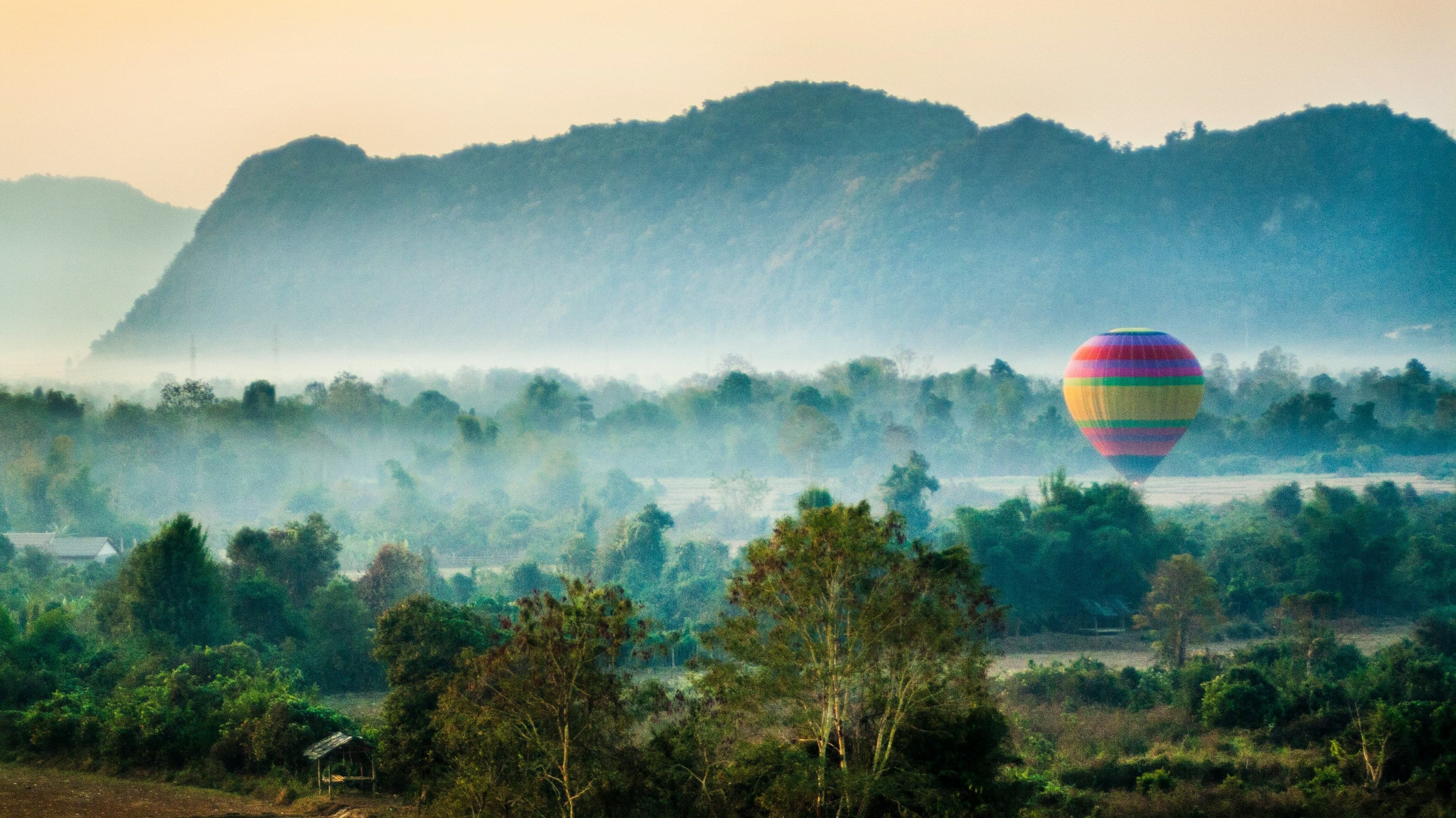
Best time to travel to Indonesia: the best months for every island
By Eva Alkemade
May 20, 2026
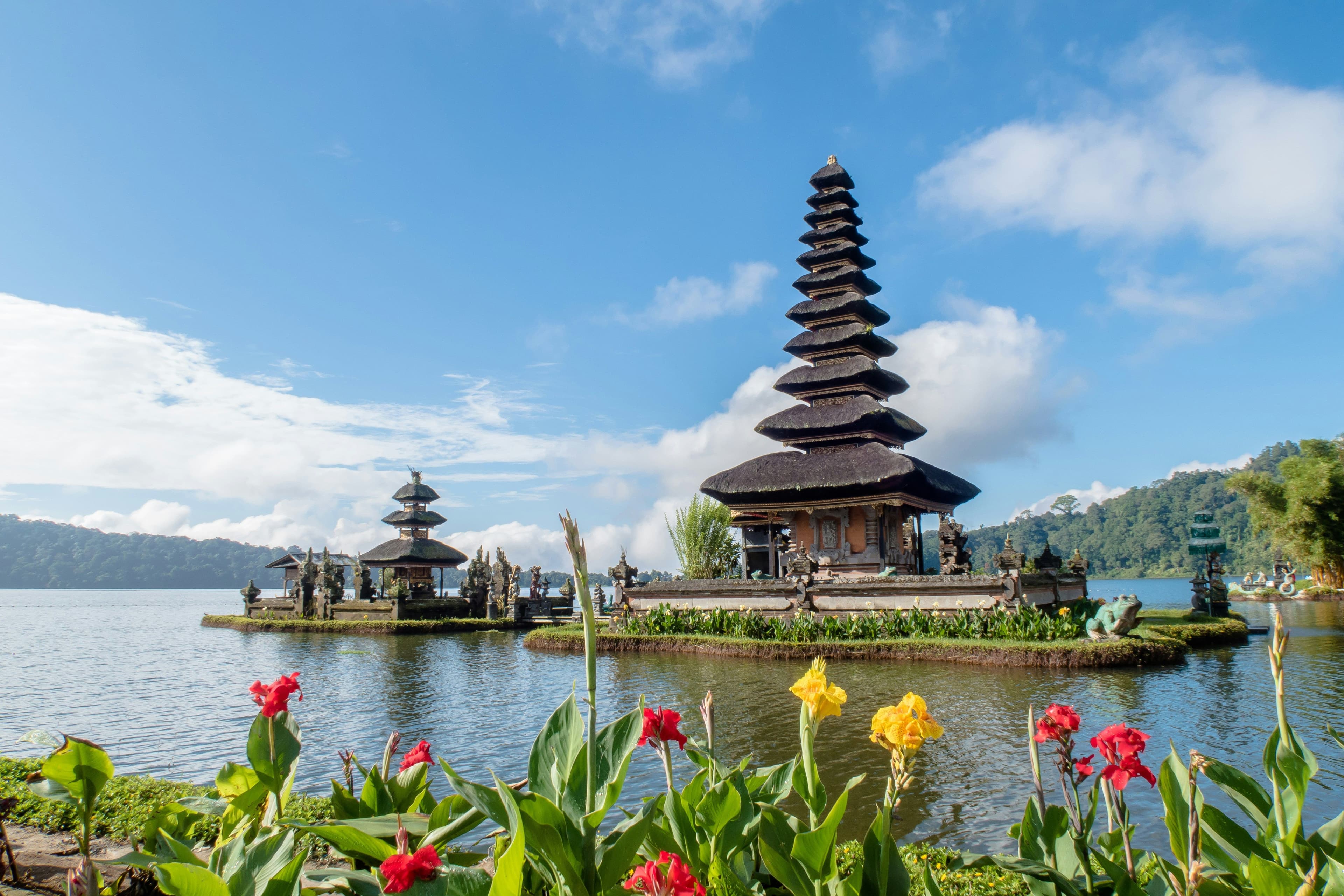
More than 17,000 islands are spread across Indonesia between volcanoes, jungle, coral reefs and some of the busiest ferry routes anywhere in Southeast Asia. In Bali, mornings can start with clear blue skies and beach weather, then a few islands farther east you could already run into completely different diving conditions or tropical rain showers. Large parts of the country also sit directly on the Ring of Fire, which means volcanoes like Mount Rinjani and Bromo still actively shape huge parts of the islands around them. Because seasons, transport conditions and temperatures shift so much between regions, the best time to travel to Indonesia depends on what kind of trip you like to have. Are you more into relaxing on the beach, hiking through the jungle or visiting ancient temples? In this blog we’ll help you figure out when to visit Indonesia for different activities and islands.
When is the best time to travel to Indonesia?
Huge differences exist between Indonesia’s islands, so your trip can look completely different only a few hours later. In Lombok, you could be sitting on the beach under clear skies in the morning, then later that same day you might already run into tropical storms or rougher seas once you move farther east.
Best overall period: May to June, really nice for beaches, volcano hikes and island hopping
Still a really good option: September to October, warmer sea temperatures and lower hotel prices
More intense months: july and august, hotter weather, busier beaches and packed ferries
Humidity changes a lot too depending on where you go. Around Bali and Lombok, you will usually get much calmer seas and more sunny weather during the middle of the year. Cooler evenings can still happen near volcanoes though, so bringing an extra hoodie is not a bad idea.
Guided tip: May, June and September usually work best if you want beaches, volcano hikes and island hopping during the same trip.
Indonesia’s dry season vs rainy season: what does it actually feel like?
Tropical seasons in Indonesia are way more about humidity, sea conditions and ferry crossings than cold versus warm weather. Some months make island hopping super easy, though during other periods you will probably end up changing plans once rougher seas or storms arrive.
Dry season in Indonesia: calmer seas and easier island hopping
Around April, weather slowly starts improving across Bali, Lombok and Komodo. During the dry season, you will usually get cleaner beaches, smoother ferry crossings and much easier volcano hikes because trails stay drier after rainfall.
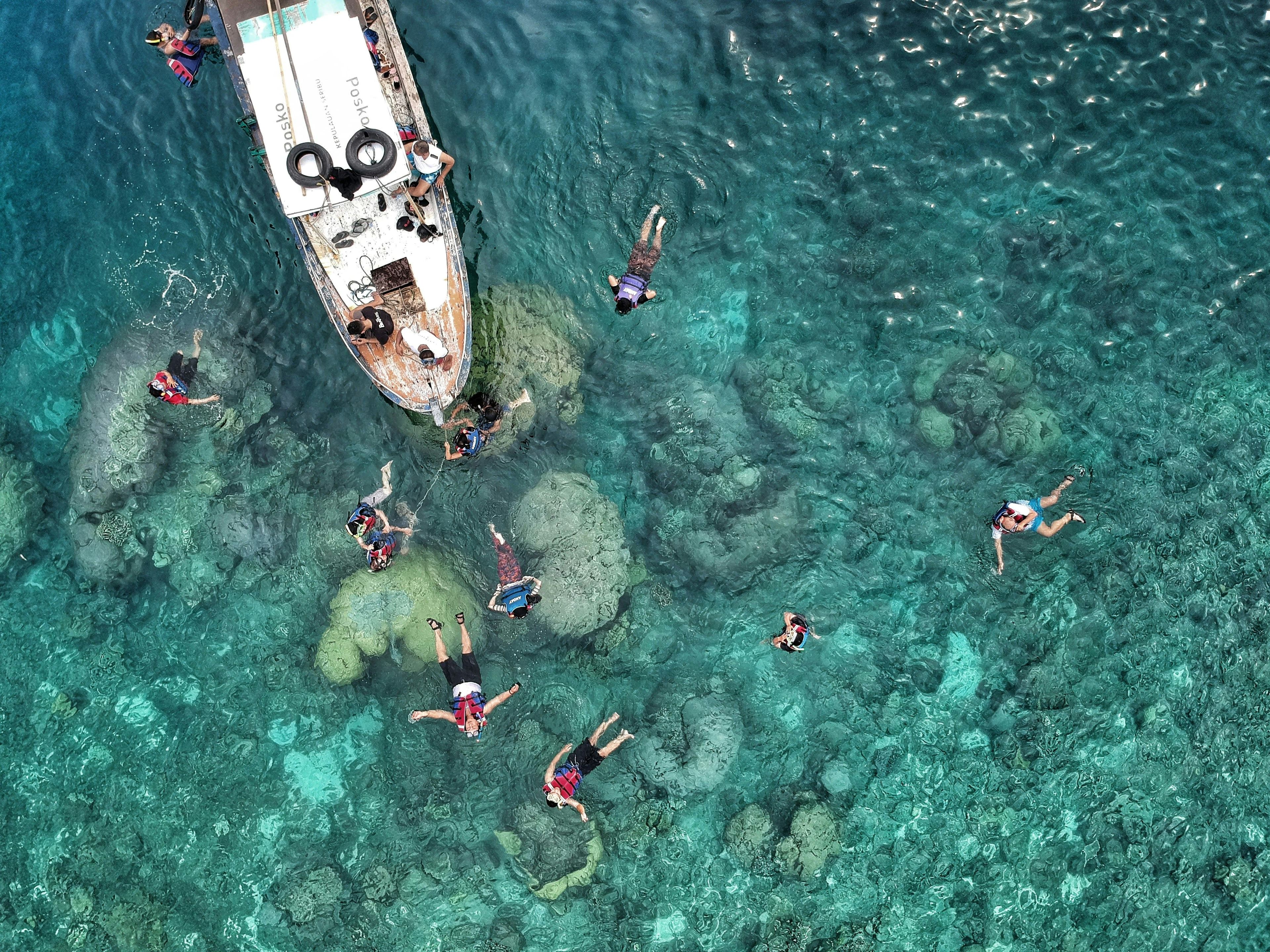
Long sunny days also make moving around the islands much easier. Around Bali and Komodo, you can usually expect much clearer diving conditions too because the water stays less cloudy once heavier rainfall disappears. Beach clubs, snorkelling trips and sunset dinners near the water all work really nicely around May, June and September.
Rainy season in Indonesia: greener islands and tropical storms
When picturing rainy season in Indonesia, you probably think of full days of heavy rain, grey skies and cancelled beach plans. Though your trip can definitely look different during these months, you’ll also get greener islands, lower hotel prices and much calmer beaches in many places. So when is rainy season in Bali and Indonesia, and what does it actually look like?
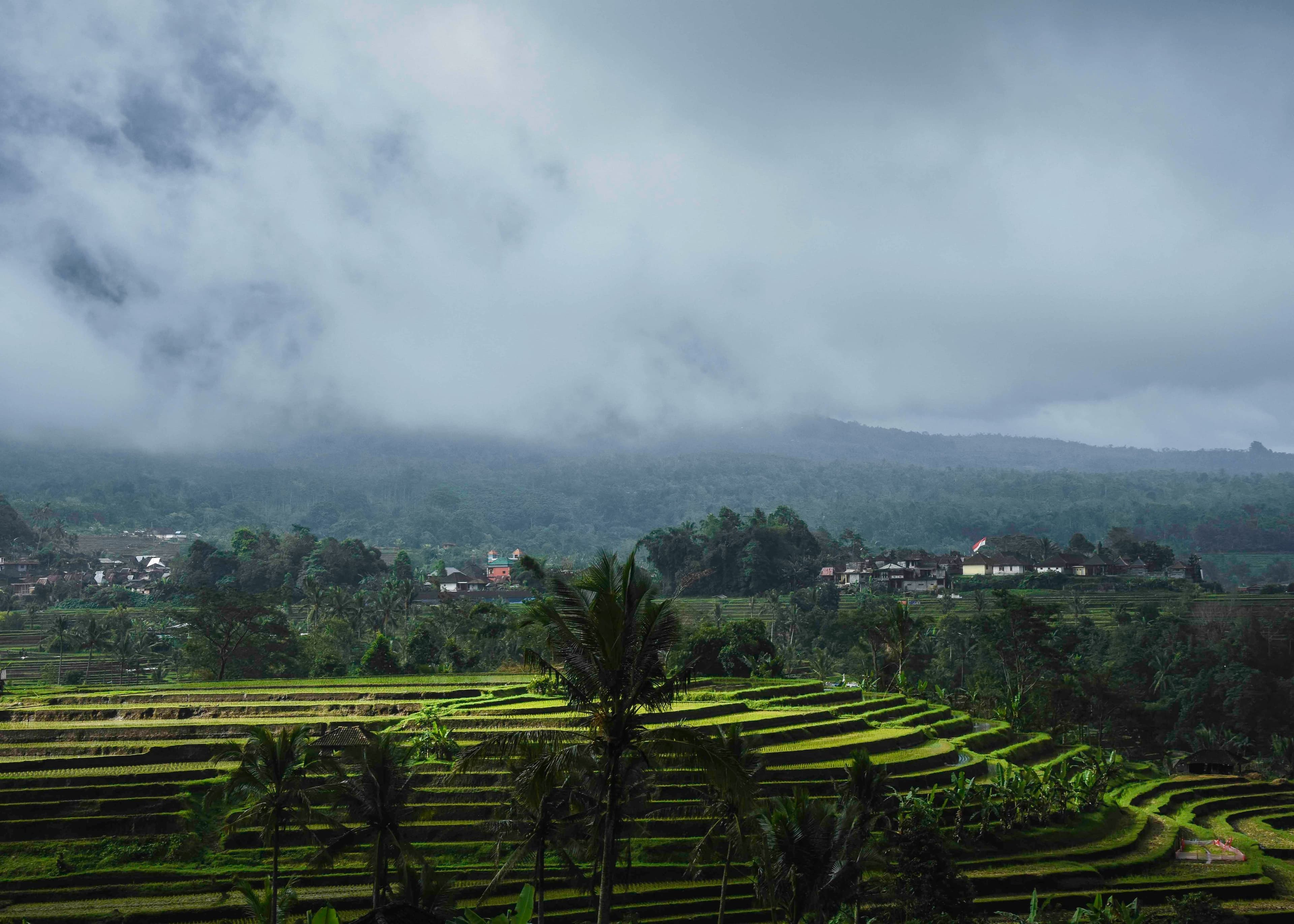
From roughly November until March, tropical storms start showing up more regularly around parts of Indonesia. You will still have sun on plenty of days though, so it is definitely not constant rain from morning until night.
Higher humidity becomes very noticeable during the wet season, mainly once you spend time around jungle areas or inland volcano regions. So prepare for ferry delays, muddy roads and rougher boat rides. In Bali, heavier rain showers usually appear later in the afternoon, so you can still enjoy beach time earlier in the day before the weather changes.
Which Indonesian islands are best during rainy season?
Some islands could actually work really well during wetter months. Rain in Bali does not automatically mean bad weather everywhere, because Indonesia is simply way too big for that.
These islands are still really good options during rainy season:
Raja Ampat: really nice diving conditions and clear water
Java: great for temples, food trips and city breaks year round
North Sulawesi: warm diving water and good snorkelling conditions
North Sumatra: jungle trips and orangutan trekking still possible
Bali: greener rice terraces, lower hotel prices and much calmer beaches
Wondering which islands fit your route? Take a look at our blog about the best places to travel to in Indonesia, including beaches, volcanoes, jungle regions and island hopping routes.
Shoulder season: why May, June and September work so well
Lower hotel prices usually make these months much nicer compared to major holiday periods. You will also notice beaches, ferries and roads becoming much easier once the busiest summer weeks pass.
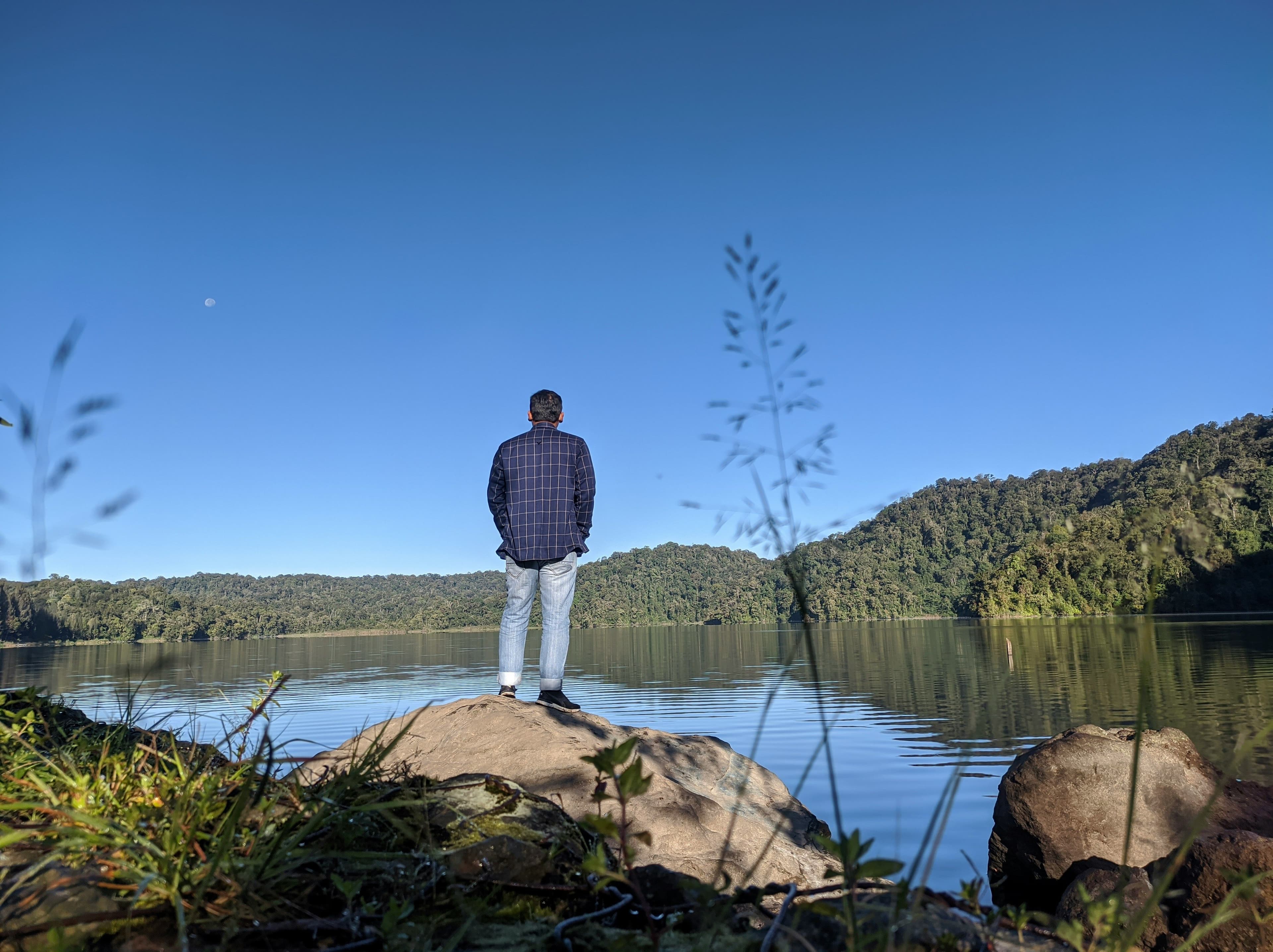
What’s also nice is that you still get warm sea temperatures during this period. Around Bali, Lombok and Komodo, you can still go diving, spend full days at the beach or hike volcanoes without dealing with packed ferries or fully booked hotels all the time. Much less waiting around also makes island hopping way more enjoyable when you move between places.
Guided tip: September can be one of the nicest months for Indonesia because sea temperatures stay warm long after the busiest summer period disappears.
Month by month: the best time to visit Indonesia
Different islands work better during different months, so there is honestly no single perfect answer for the whole country. Some of you will probably care more about diving or surfing, others might just want beach weather and smoother ferry crossings. Let’s take a look at what you can expect per month.
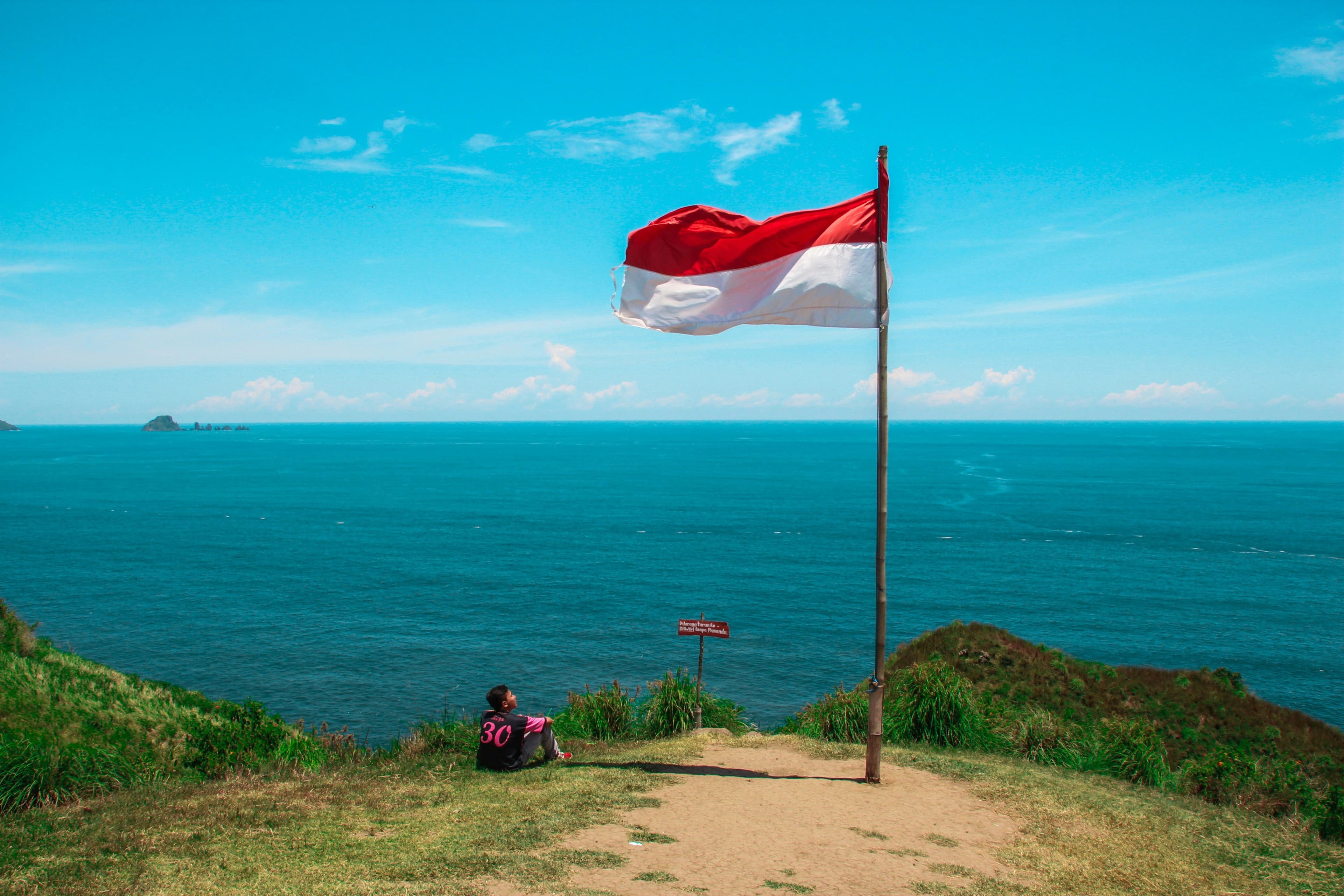
January to March: lower prices, tropical storms and greener islands
Around this period, you will usually get temperatures between 27°C and 31°C across Bali, Lombok and many tropical islands. Wetter months arrive across large parts of Indonesia, though sunshine still shows up regularly between storms.
Lower hotel prices make this period really nice if you want longer stays or slower island hopping trips. Tropical storms usually arrive later in the day too, so you can still spend plenty of time outside before the weather changes. In Raja Ampat, you can actually get excellent diving conditions during this period.
Festivals also become part of the experience during these months. Around larger cities and Chinese communities, chinese new year celebrations bring lanterns, markets and huge food events that completely change the streets around you. We’ll get into the best festivals, local celebrations and holiday periods later in this blog.
April to June: one of the nicest periods for beaches and island hopping
Warmer dry days slowly start arriving across Bali, Lombok and Komodo from April onward. During these months, you will usually get temperatures between 28°C and 32°C during the daytime, with cooler evenings around volcano areas.
Volcano hikes become much easier again because trails dry up properly after wetter months. Around Bali, beaches also start looking much cleaner once stronger rainfall disappears. Ferry crossings usually become smoother too, which helps a lot once you start moving between islands. For many people, this is the best time to travel to Indonesia because the weather stays warm without the busiest tourism period fully kicking in yet.
July and August: beach weather, volcano hikes and busy ferries
Long sunny days take over Bali, Lombok and Komodo during the middle of the year. Around beach destinations, you will usually get temperatures between 29°C and 33°C, though evenings near volcanoes can still cool down surprisingly fast.
Long sunny days take over Bali, Lombok and Komodo during these months, so you can spend hours outside at the beach, go snorkelling or hike volcanoes without dealing with much rainfall. Around the middle of the year, you will usually get the calmest seas and clearest diving conditions too.
What you will notice pretty quickly though, is how busy everything gets once summer holidays begin. Around Bali, hotels fill up much faster, beach areas become packed and ferry routes towards the Gili Islands can suddenly take much longer than expected. Higher hotel prices also become very noticeable around this period, mainly near popular beach towns and island routes.
Best time to visit Bali, Lombok and the Gili Islands
Most people travel to Bali, Lombok and the Gili Islands because getting between them is relatively easy once sea conditions stay calm. You will notice pretty quickly though that these islands can look completely different depending on the month you go.
Best time to travel to Bali Indonesia
Long dry days around May, June and September usually give you the nicest conditions around Bali. You will usually get temperatures between 28°C and 32°C during the daytime, with lower humidity compared to wetter months earlier in the year.
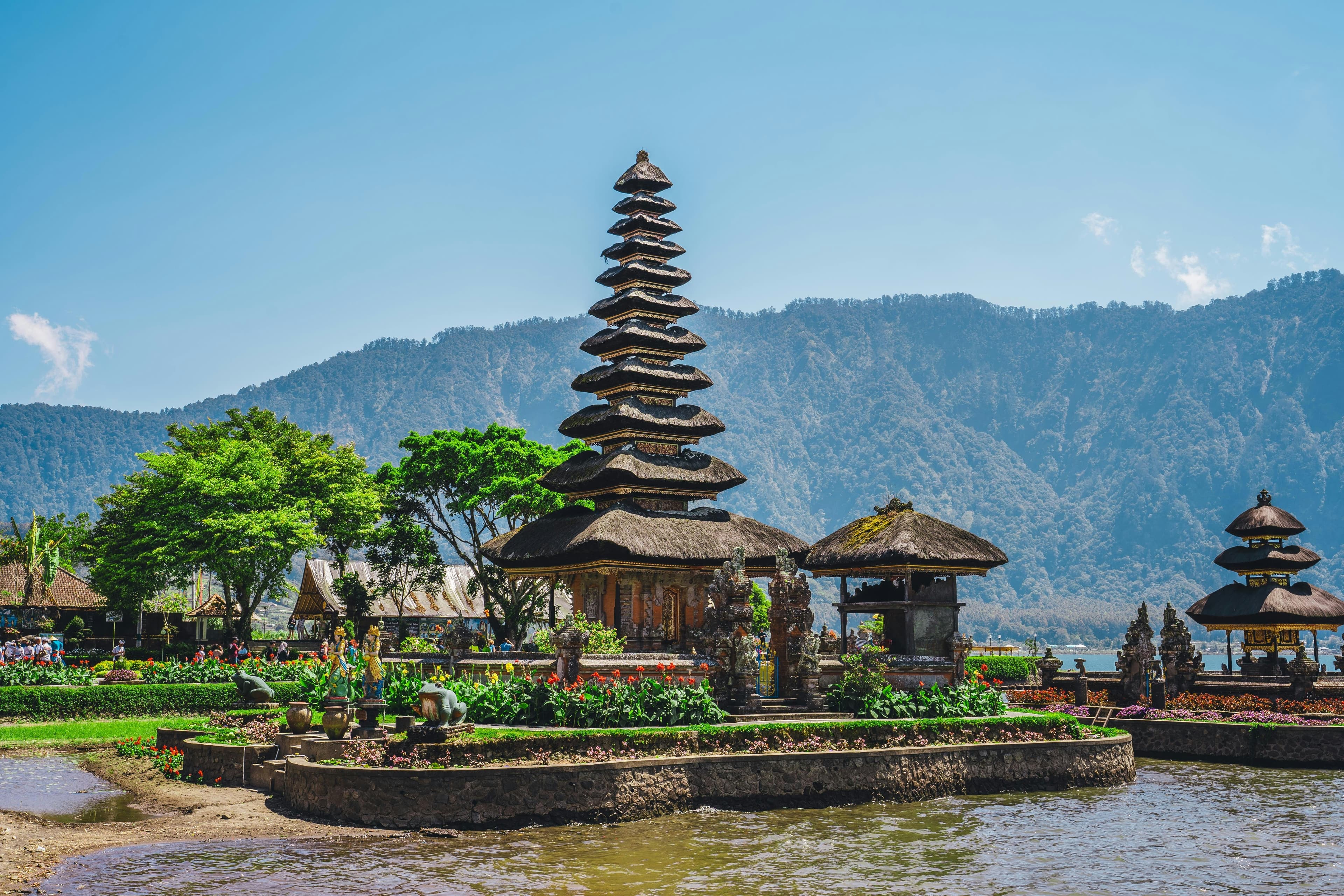
You can spend full days outside around this period without constantly checking the weather forecast. Around Ubud, rice terraces still stay super green after wetter months, though beaches and roads become much easier once stronger rainfall disappears. You will also notice beaches looking cleaner and waterfalls becoming easier to reach because roads stay much drier.
Busier roads become very noticeable once the middle of the year arrives though. You will probably spend much more time in traffic around Canggu, Seminyak and Uluwatu once summer holidays begin. If you like calmer beach days and easier transport, May, June and September usually work much better than peak summer months.
Best time to visit Lombok Indonesia
Much smaller tourism numbers make Lombok completely different compared to Bali. You will notice emptier beaches, less traffic and way more space once you start exploring waterfalls, beach towns and coastal roads.
Drier months from roughly May until September usually work best around Lombok. You will usually get temperatures around 28°C to 32°C during the daytime, which works really nicely for surfing, beach days and longer scooter rides around the island. You can also move around much more easily because roads and ferry conditions usually stay much better during these months.
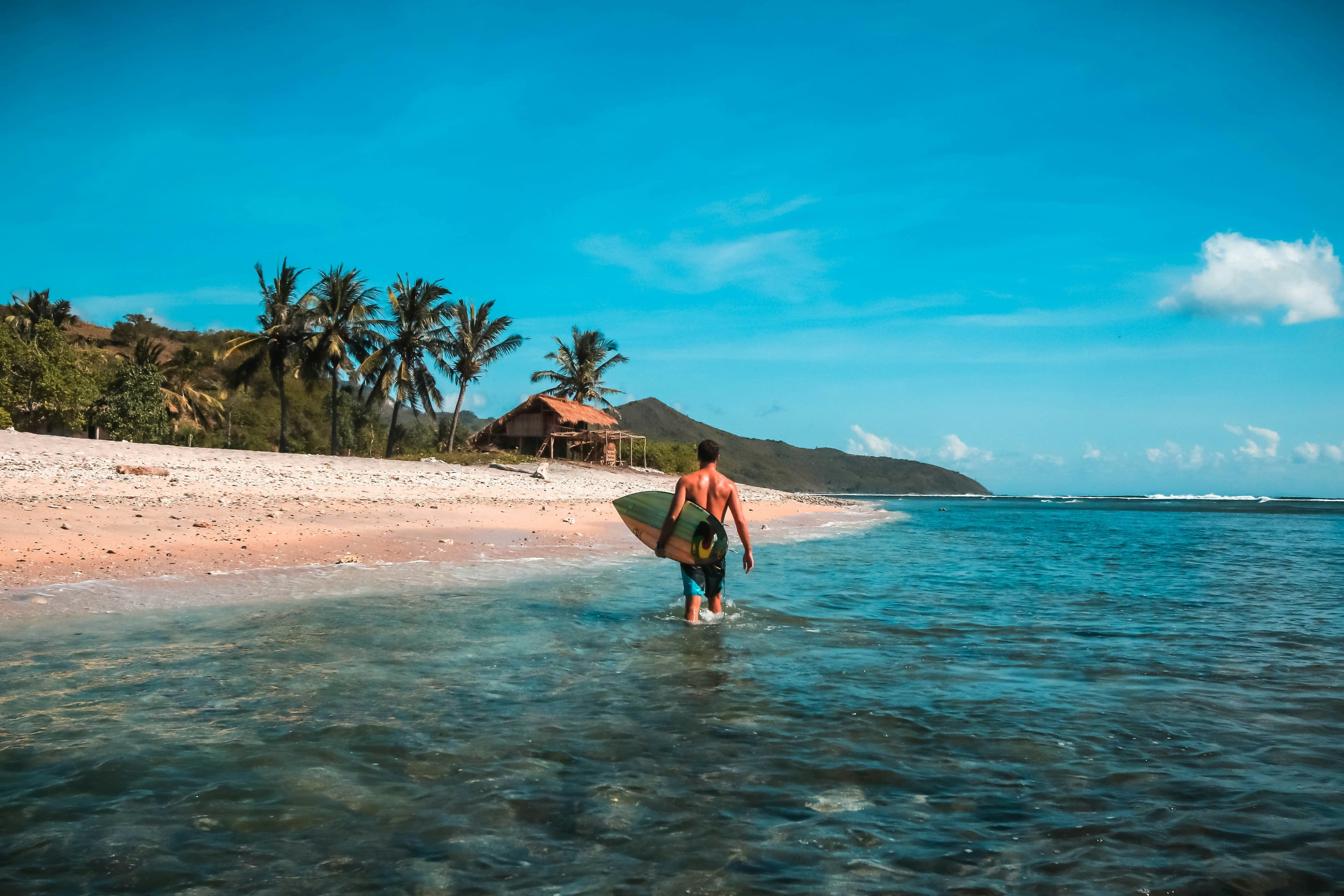
Long beach afternoons become super easy around southern Lombok too. You can spend hours around Kuta Lombok, watch sunset from the hills or drive between beaches without dealing with huge beach clubs or packed roads everywhere. Wetter months can slow things down quite a bit though, mainly once roads near waterfalls or mountain areas become muddier after rainfall.
Best time to go to the Gili Islands
Tiny islands like Gili Trawangan, Gili Air and Gili Meno stay warm almost the entire year. The weather at the Gili islands is usually around 29°C to 33°C during the daytime, with sea temperatures warm enough for swimming basically every day.
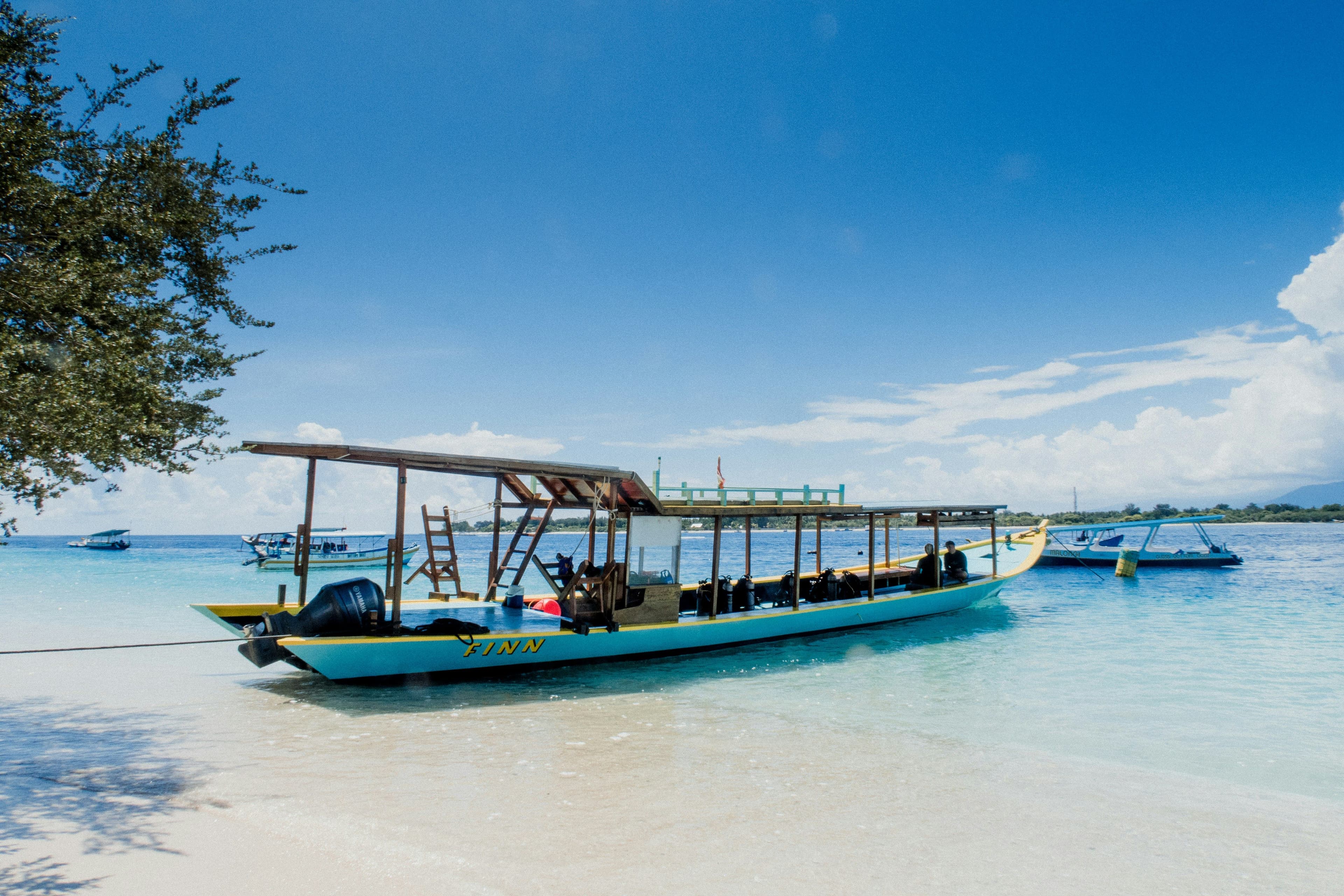
You will notice much clearer water around this period, which helps a lot once you start doing boat trips or snorkelling near turtle spots around the islands. Ferry crossings from Bali and Lombok also become way smoother once stronger winds disappear.
Busier holiday periods completely change the islands though. You will notice ferries arriving from Bali getting packed very quickly once summer holidays begin, and accommodation prices rise quite sharply around this time too. If you like calmer island days, May, June and September usually work way better.
Best time to hike Mount Rinjani
Huge volcano views around Lombok become much easier to enjoy once wetter months disappear. You will usually get warm temperatures near the base of the volcano, though colder mountain air becomes very noticeable once you climb higher up.
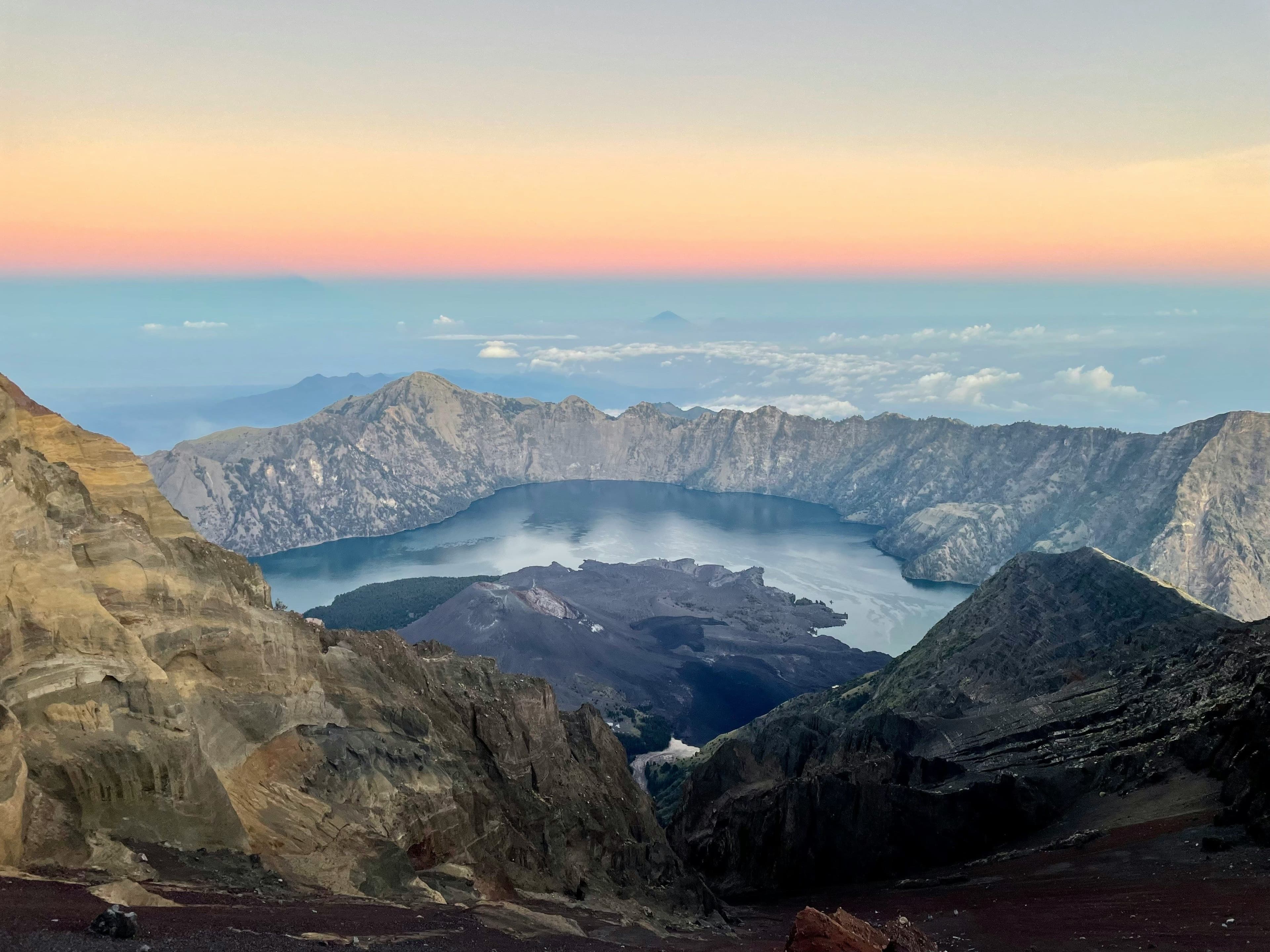
Drier months from roughly May until September work best for hiking Mount Rinjani because trails stay much safer and visibility improves massively near the crater rim. You will also get much clearer sunrise views during this period because clouds usually stay lower around the mountain.
You will probably want warmer clothes once you camp higher on the mountain because temperatures can drop close to single digits before sunrise.
Guided tip: June and September usually give you the nicest mix of beach weather, easier ferries and hikes around Bali, Lombok and the Gili Islands.
Best time to visit other parts of Indonesia
Besides the main hotspots of Indonesia, there are many more places you can travel to. Huge distances between Indonesia’s islands mean weather conditions can completely change depending on where you go. So make sure to read this before you travel.
Java and Komodo: volcano hikes and island hopping
Drier months from roughly May until September usually work best around Java and Komodo. You will usually get temperatures around 28°C to 33°C near coastal areas, with cooler evenings once you head into volcano regions.
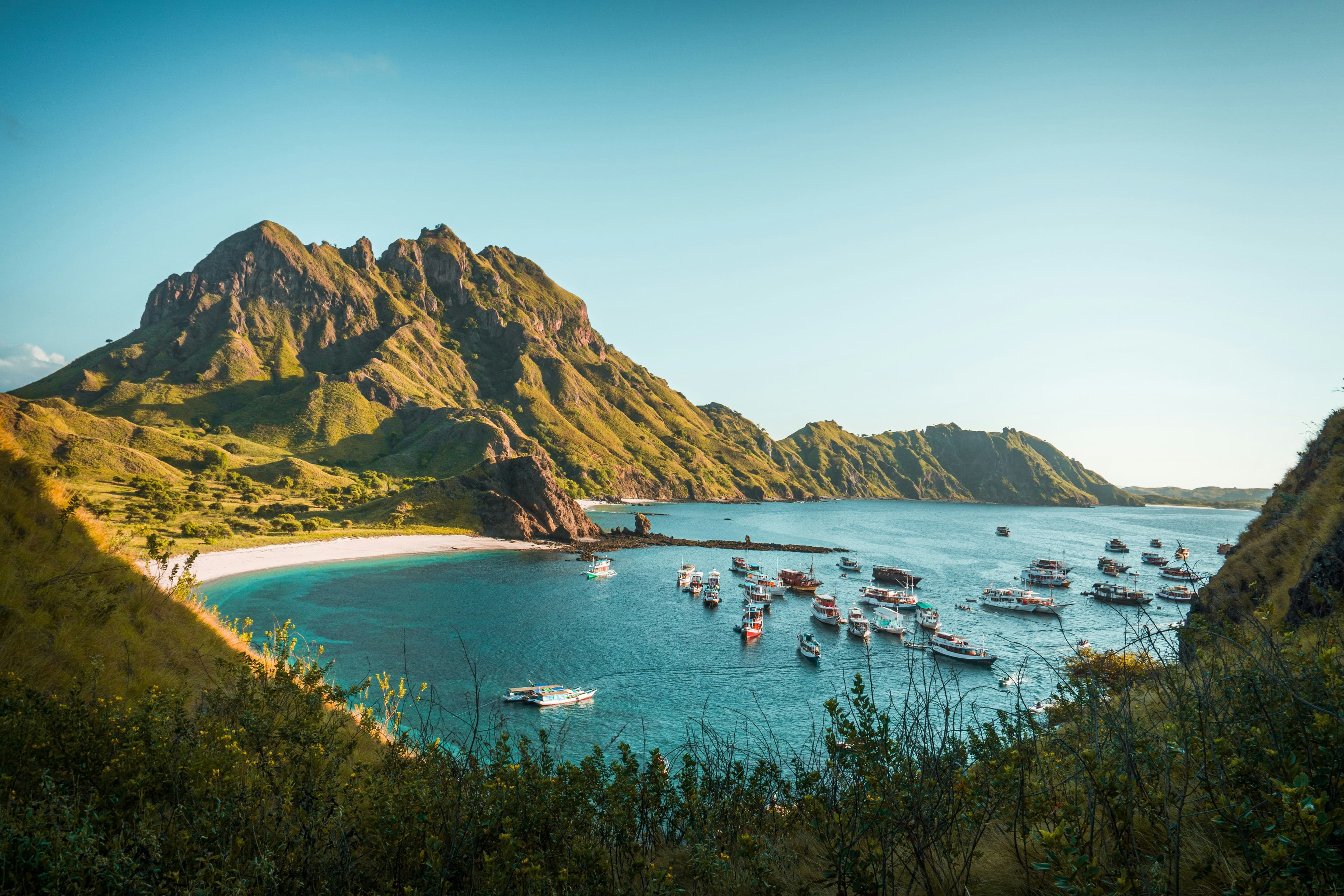
You can hike volcanoes much more easily during this period because trails dry up properly after wetter months. Around Bromo and Ijen, sunrise views also become way better because cloud cover usually stays lower during the morning. Boat trips near Komodo become much smoother too once stronger winds disappear from the area.
Long island hopping days work really nicely around Komodo during these months. You can spend entire days on boats visiting beaches, snorkelling spots and viewpoints without constantly dealing with rougher sea conditions.
Not sure what activities you want to do during your trip? Take a look at our Indonesia travel guide packed with route ideas, beaches, food and tips for moving between islands.
Raja Ampat and eastern Indonesia: one of the nicest diving periods during European winter
Completely different weather systems move through eastern Indonesia compared to Bali and Lombok. Around Raja Ampat, months from October until April can actually give you some of the nicest diving conditions of the entire year.
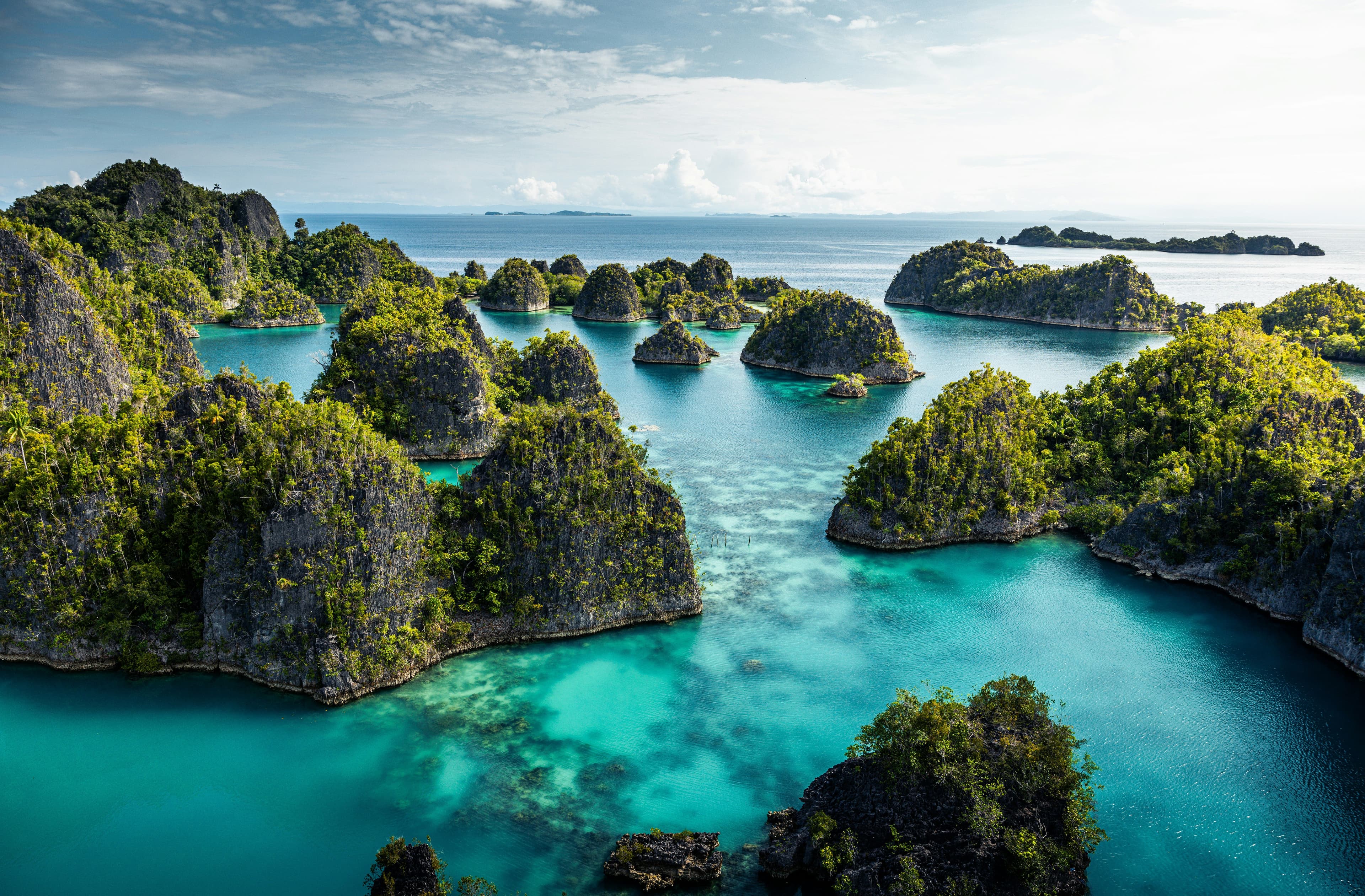
You will usually get water temperatures around 29°C to 30°C during this period, which works perfectly for longer diving and snorkelling trips. Marine life also becomes incredible around these months because nutrient rich water moves much more strongly through the area.
Here, you will spend much more time on boats, around tiny jungle islands and small beachfront stays instead of beach clubs or nightlife.
North Sumatra and jungle regions: orangutans, jungle treks and heavier humidity
Thicker jungle air becomes very noticeable around north Sumatra, mainly once you start hiking near Bukit Lawang or rainforest areas farther inland. You will usually get daytime temperatures around 27°C to 31°C during most of the year.
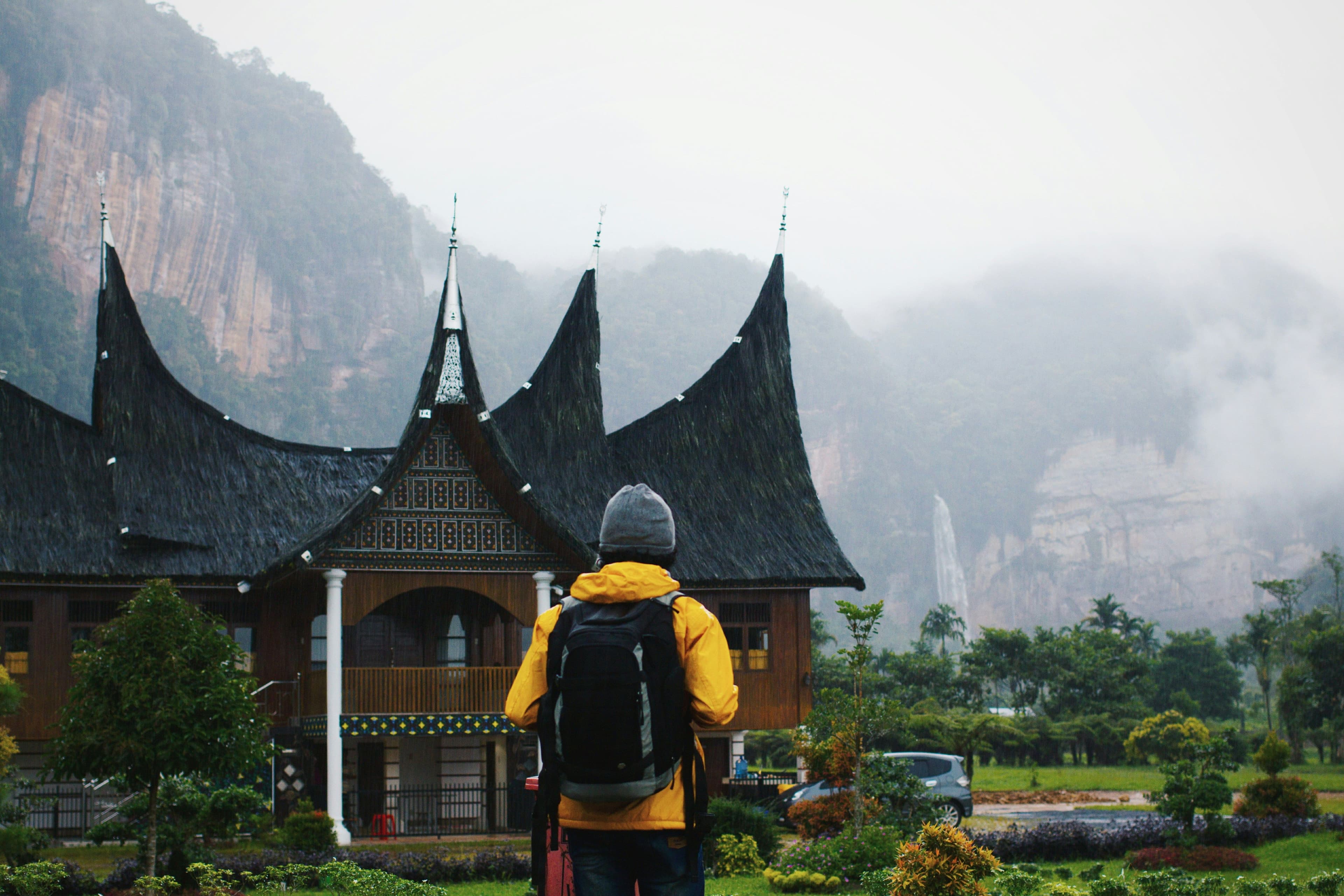
Rain can happen during almost any month here, though drier periods from roughly June until September usually help a lot for trekking conditions. You can hike much more comfortably once jungle trails stay less slippery and river levels stay lower after rainfall.
Cooler mountain temperatures near Lake Toba completely change this region too. You can spend one day hiking through humid jungle, then later sit outside near much cooler mountain air only a few hours later.
Cheapest time vs busiest time to visit Indonesia
Did you know you can easily pay around 1.200.000 IDR for a nice villa or hotel room during March or October, then suddenly see that exact same place jump towards 2.000.000 IDR in July and August. Different months can completely change hotel and ferry prices.
Cheapest months to travel Indonesia
Wetter months from January until March usually bring the lowest accommodation prices across large parts of Indonesia. You can find hotels around Bali and Lombok for much lower prices compared to peak summer periods.
Longer stays also become much more affordable around these months. You can spend way more time around cafés, beaches and island towns without needing reservations weeks ahead. Greener rice terraces also look amazing once rainfall increases around the islands.
Tropical storms still happen regularly though. You will sometimes run into ferry delays or rougher boat crossings once stronger winds move through the islands during wetter months.
If you want cheaper prices but less rain at the same time, then May, June and September are some of the nicest months to go. Around this period, you still get lots of dry weather and warm temperatures, though hotels and ferries are a bit cheaper compared to peak summer months.
Busiest months in Indonesia: packed ferries and rising hotel prices
Summer holidays completely change Bali, Lombok and the Gili Islands once July and August arrive. You will notice much longer waiting times near ports, busier beaches and hotels filling up way faster during these months.
And you will probably pay much more around popular beach towns in Bali once summer holidays begin. Ferry routes near Lombok and the Gilis also become extremely busy around this period.
Christmas and New Year bring another super busy period too. You will notice beach clubs, restaurants and ferries filling up very quickly around late December and early January, so booking earlier really helps around this time.
Festivals and events that are worth planning your trip around
Huge festivals and national celebrations can completely change your Indonesia trip. You will notice ferries filling up faster, hotels getting booked out much earlier and entire islands following completely different schedules during certain celebrations. At the same time, street festivals, temple ceremonies, night markets and local celebrations can be really fun to experience.
Nyepi in Bali: one full day where the island completely stops
One of the strangest things you can experience in Bali happens during Nyepi, also called the Balinese Day of Silence. You cannot leave your hotel, beaches become empty, roads completely stop and even Bali airport closes for 24 hours. It usually takes place around March following the Balinese calendar.
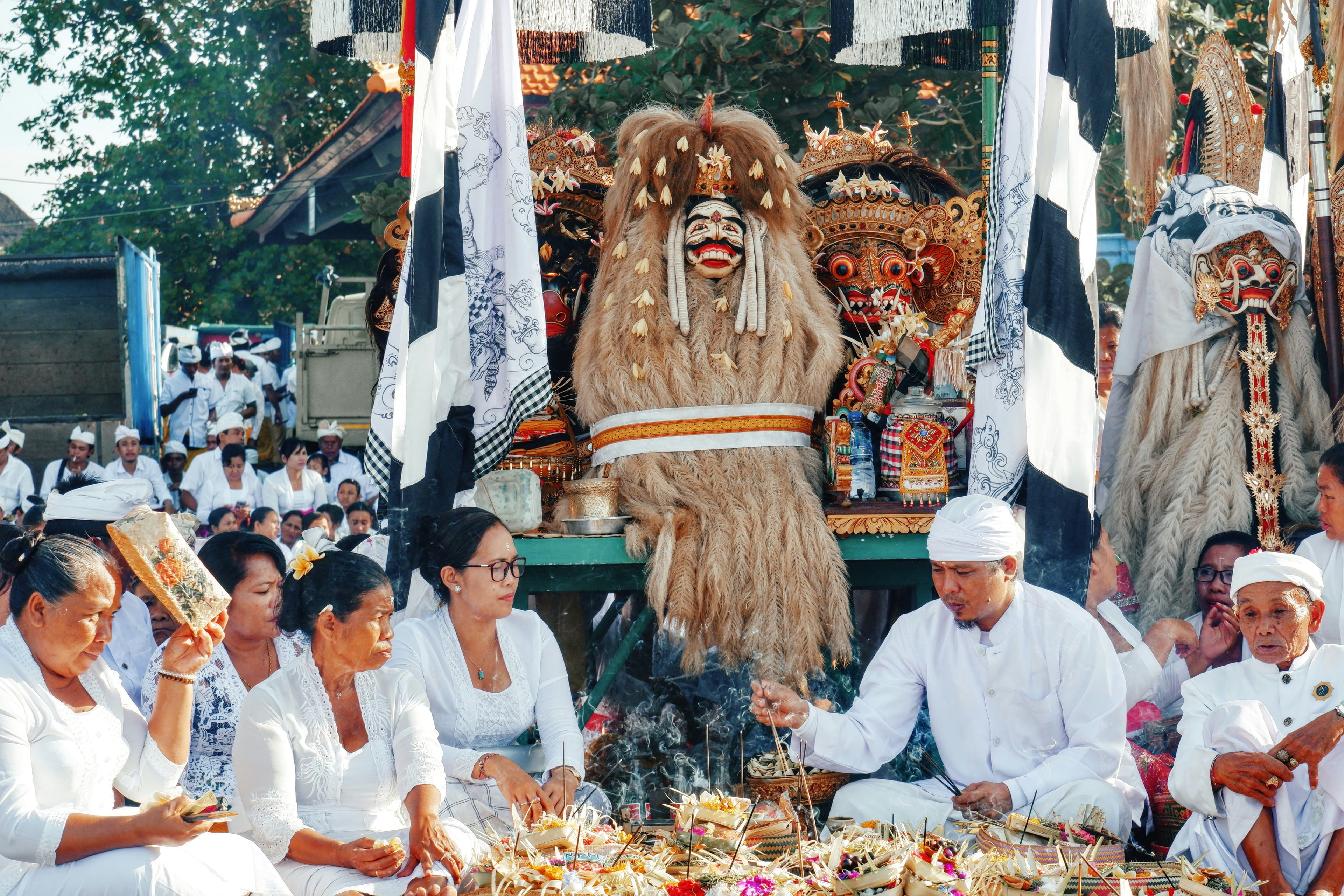
Dark skies during Nyepi become unbelievable because almost no lights stay on around the island. You can literally hear nature and the ocean much more clearly once everything stops around you. Around the evening before Nyepi, huge Ogoh Ogoh parades move through the streets too, with giant statues, music and ceremonies happening across Bali.
Chinese New Year and local celebrations around Indonesia
Large Chinese Indonesian communities celebrate Lunar New Year across several cities in Indonesia every year, usually somewhere between late January and mid February depending on the lunar calendar. Red lanterns, food markets and dragon dances completely take over parts of Jakarta, Medan and other cities around this period.
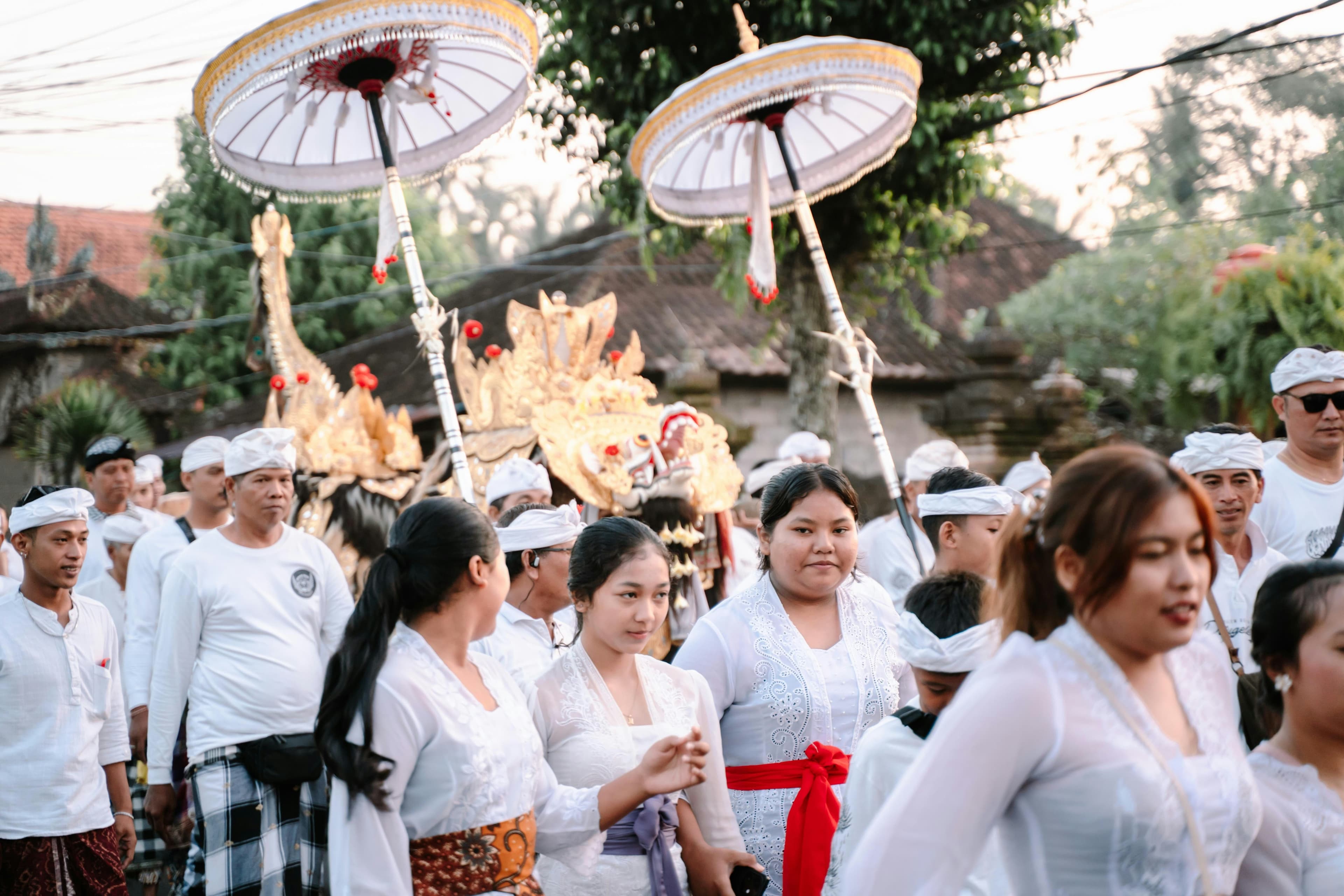
You will also notice temples becoming much busier around these celebrations. Around some areas, fireworks and evening events continue for several days after the main celebration itself. This can actually become a really fun time to visit cities if you like food markets and cultural festivals during your trip.
Ramadan and Eid: busier ferry routes and local tourism
While Nyepi and Chinese New Year can actually become really interesting to witness during your trip, Ramadan and Eid can make travelling around Indonesia slightly harder. You will notice flights, ferries and trains getting booked out much earlier once millions of Indonesians start travelling back towards family homes around the country.
Around Java and larger cities, restaurants and local schedules can also work differently during fasting periods. Smaller tourist islands still stay active, though transport around the country can become much busier than usual.
Ramadan and Eid usually take place somewhere between February and April depending on the Islamic calendar, with dates moving slightly earlier every year. So make sure to take this into account when choosing the best time to travel to Indonesia for your trip.
So, when is the best time to travel to Indonesia?
You will usually have the best trip once your timing matches the activities and islands you care about most.
You can use this quick overview to make planning easier:
Beaches, surfing and island hopping: May until September
Lower hotel prices and greener islands: January until March
Volcano hikes and clearer views: May until September
Diving and snorkelling around Bali and Komodo: April until October
Raja Ampat diving season: October until April
First decide what matters most to you, like beach days, volcano hikes, diving trips or island hopping between Bali, Lombok and the Gilis. They all work best during different parts of the year. So once you know what kind of trip you want, picking the best time to travel to Indonesia will be much easier.
Enjoyed This Blog? Continue Reading!
There is more travel inspiration waiting for you on our blog. You can take a look below and start mapping out your next travel adventure!