

Indonesia
Indonesia Travel Guide: Everything You Need to Know About Travelling to Indonesia
Did you know that Indonesia has more active volcanoes than any other country, with landscapes that are still changing as you travel through them? Across more than 17,000 islands, you can wake up near ancient temples in Java, spend the afternoon walking through rice fields in Bali, and end your day on a remote beach far from everything. In many parts of the country, local traditions and religions shift from island to island, which means no two stops ever feel the same. For your trip, that also means choices matter, since distances are larger than they look on a map and you can’t see everything in one go. In this travel guide, we’ll walk you through the most special sights to see in Indonesia based on what you enjoy, and how to combine them into a perfect trip.
5 reasons to visit Indonesia
Thinking about travelling to Indonesia? That’s a great idea, you’ll find a mix of islands, culture and nature
Across the Islands of Indonesia, every region brings its own mix of culture, nature and daily life
In places like Bali and Java, stretches of rice terraces and temples sit close to lively towns and coastlines
On islands like Komodo, seeing a komodo dragon in its natural habitat is something you won’t forget
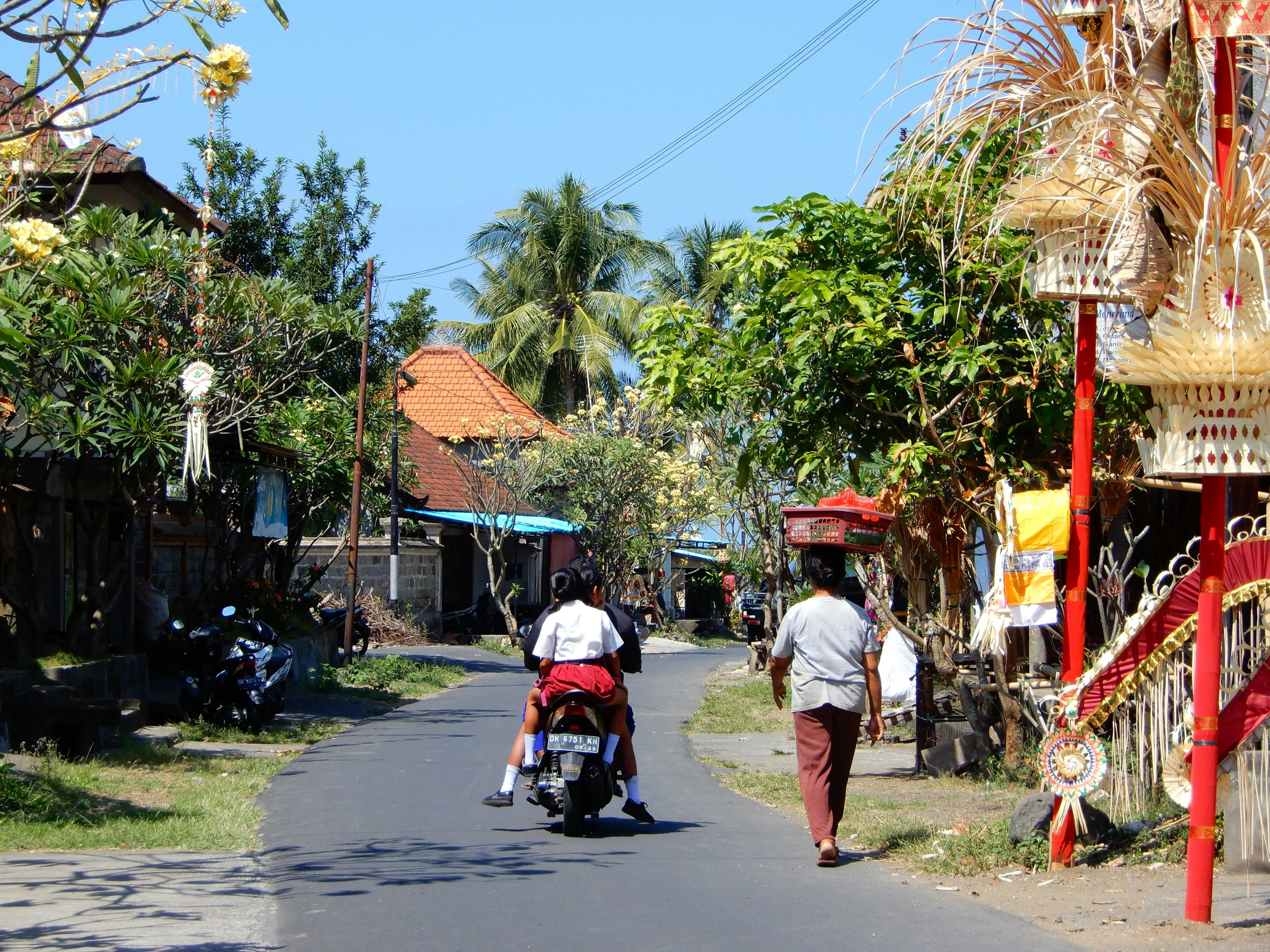
You’ll see offerings in Bali, temple ceremonies, and local festivals where villages come together
The mix of beaches, jungle and volcanoes keeps things interesting from start to end
Guided tip: In the beginning, picking a mix of one cultural island and one nature-focused island will already give you a really complete trip.
Best places to travel in Indonesia
Indonesia sure has a lot to offer, and once you start planning, you might wonder where you’ll actually experience that mix of culture, nature and island life. So let’s take a look at some of the best places to travel in Indonesia:
Bali
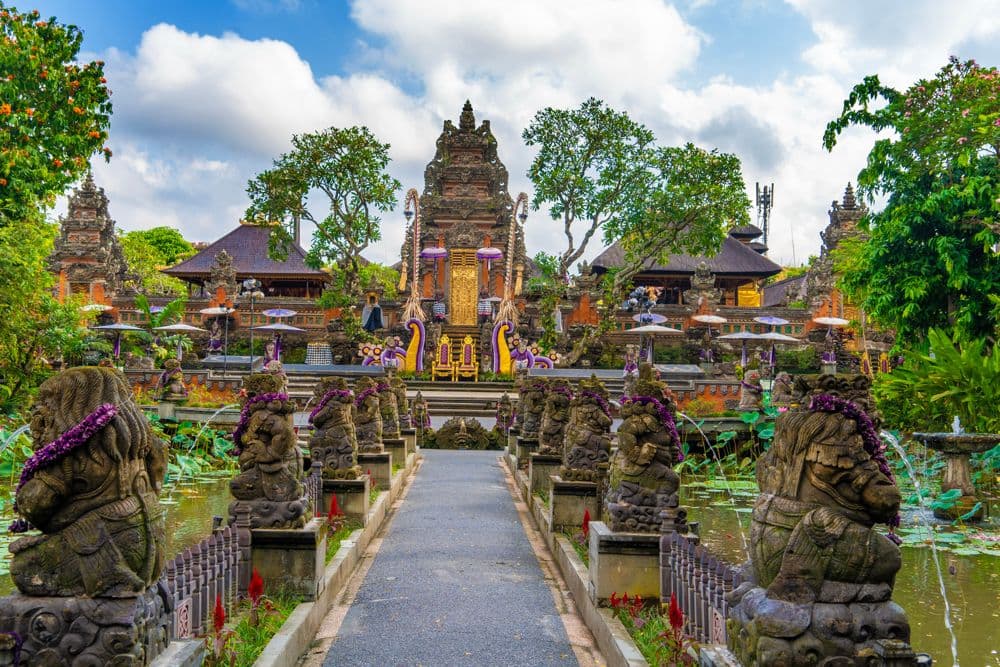
Chances are high that Bali will be part of your trip, and honestly, that makes sense when you see how much there is to do. Around Ubud, you’ll walk through green rice fields, visit temples like Tirta Empul and explore small cafés and markets that give you a glimpse into daily life. Down south, places like Uluwatu bring clifftop views, beach clubs and sunsets that are completely different from the inland vibe. Somewhere in between, you’ll find waterfalls like Tegenungan or Tibumana, small villages near Sidemen, and inland spots like the rice fields around Tegallalang or the quieter paths near Campuhan Ridge Walk where you can walk without running into many other people.

Java
Compared to Bali, Java feels more intense and a bit less polished, which actually makes it really interesting to explore. Around Yogyakarta, you can visit Ancient Temples like Borobudur and Prambanan, which give you a nice cultural experience, especially if you go early in the day. If you take a train, you’ll notice how the views keep changing, with villages, rice fields and cities passing by. The landscape shifts again as you move towards volcanic regions, with viewpoints near Mount Bromo that completely change the atmosphere.
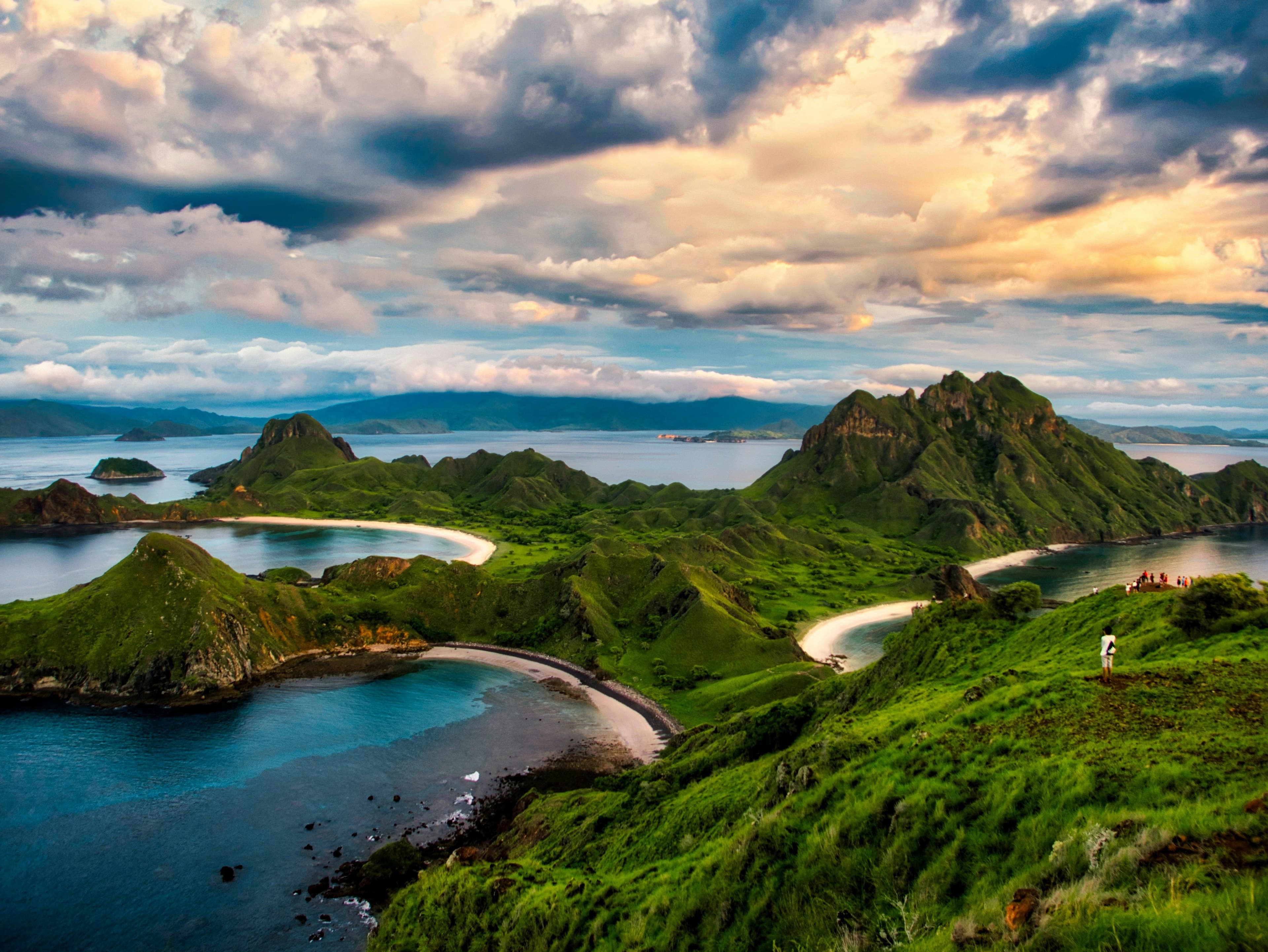
Komodo & Flores
Something about this region just feels like an adventure from the moment you arrive. Most trips here include a multi-day Boat Ride, where you move between islands like Kelor, Rinca and Komodo, stopping for snorkelling spots and short hikes along the way. Once you reach Padar Island, you can walk up a steep trail to one of the most famous viewpoints in Indonesia, with three curved bays in different colours below you. We recommend stopping at places like Pink Beach or Manta Point for coral reefs and marine life. Inside Komodo National Park, walking with a guide on Komodo or Rinca Island gives you the chance to see a komodo dragon up close in its natural environment.
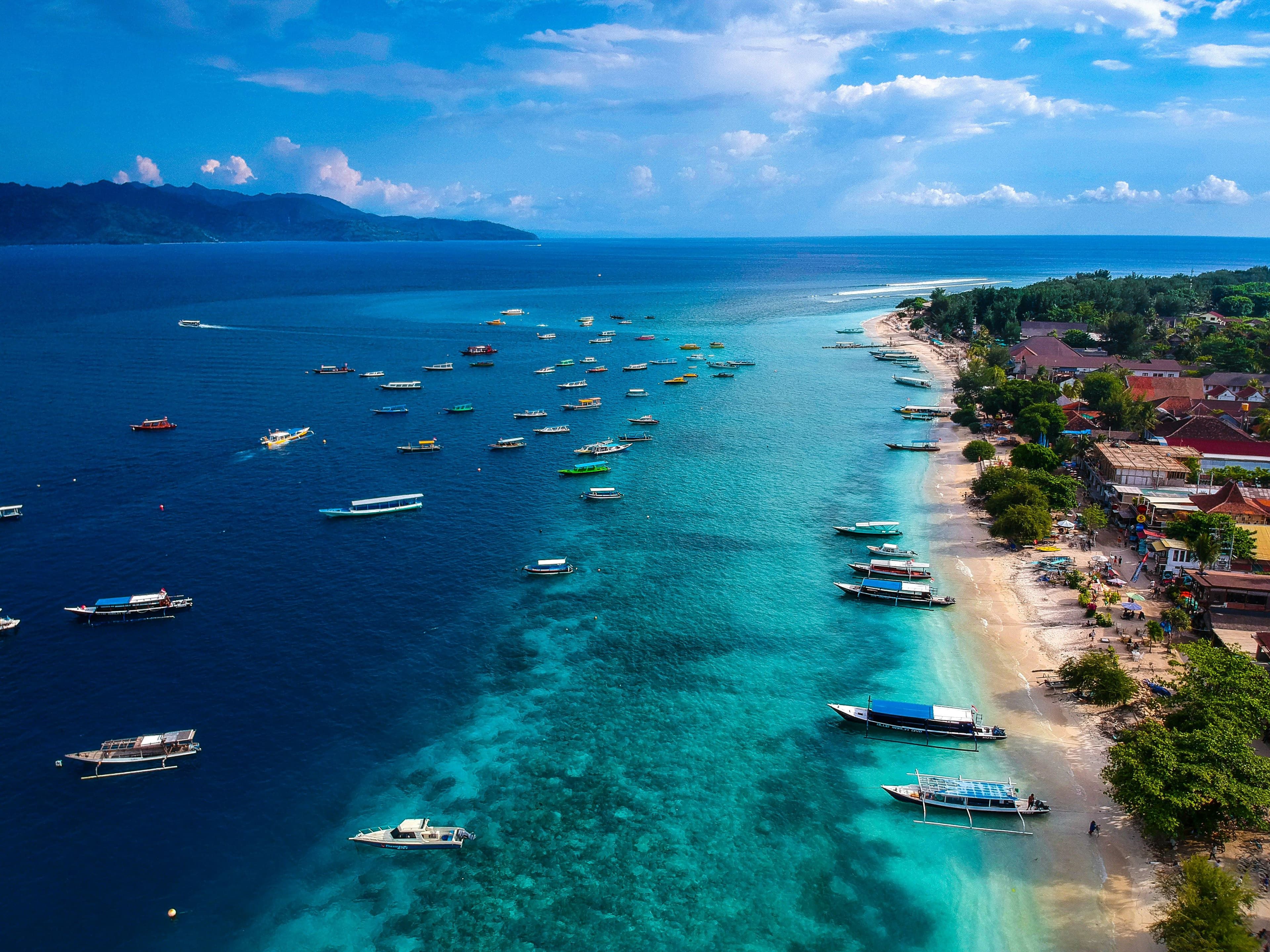
Lombok & Gili Islands
Once you reach Lombok or the nearby Gili Islands, everything slows down in a good way. On Gili Trawangan or Gili Air, you can cycle around the island, stop at beach cafés and even snorkel with turtles! In the water, spots like Turtle Point or the underwater statues near Gili Meno make it easy to spend hours exploring the water. Towards sunset, places on the west side of the islands give you beautiful views with Bali’s Mount Agung in the distance. Back on Lombok, waterfalls like Tiu Kelep and Sendang Gile near Senaru and the option to hike Mount Rinjani can add more variety if you feel like being active.
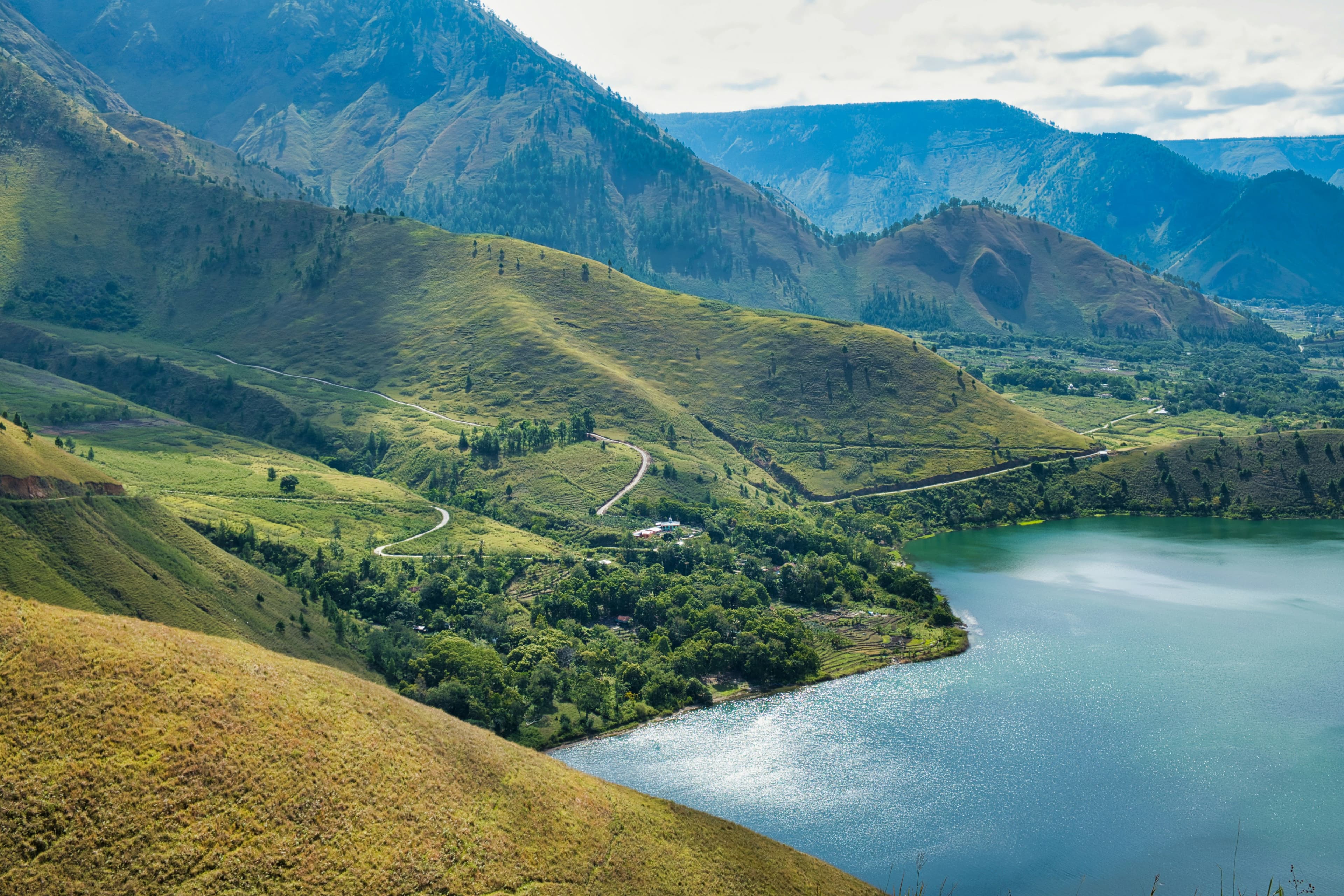
Sumatra
Fewer people include Sumatra, which is exactly why it can feel a bit more untouched. Around Bukit Lawang, you can join guided jungle treks, which take you deep into Gunung Leuser National Park, where you can spot orangutans, monkeys and other wildlife along the way. Getting from place to place takes a bit longer here, though that’s part of what makes the experience feel less structured and more local. Once you settle into it, your days naturally revolve around trekking and time in nature. Around Lake Toba, staying on Samosir Island gives you wide lake views, small villages and a completely different atmosphere compared to the jungle.
Raja Ampat
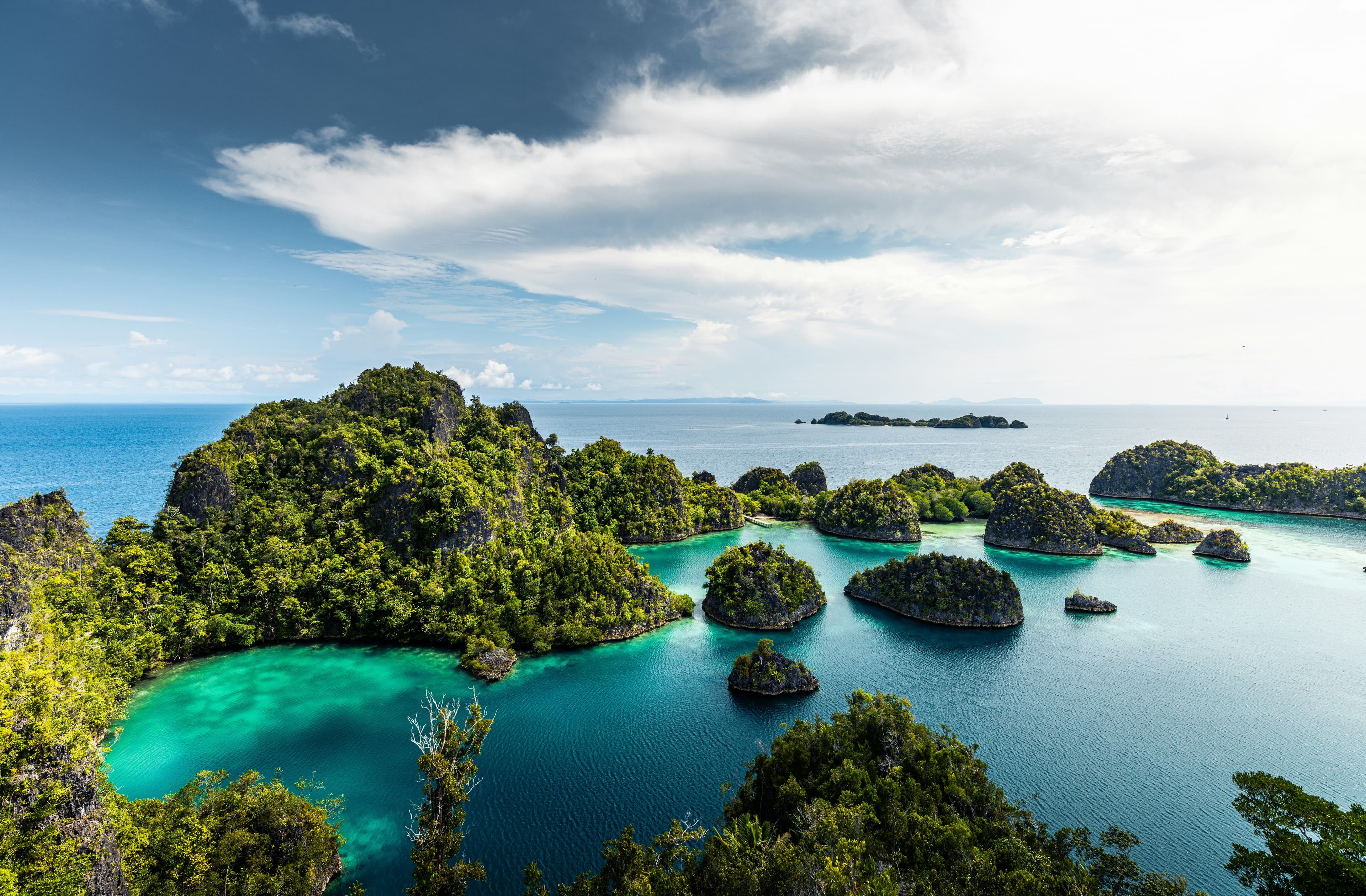
Getting to Raja Ampat takes some planning, though once you’re there, it completely pays off. Around islands like Kri, Gam and Waigeo, snorkelling or diving brings you straight into areas filled with coral reefs, reef sharks and schools of fish. At spots like Manta Sandy, you might find yourself swimming in the water with manta rays passing by. Between water activities, you can visit viewpoints like Piaynemo or Wayag, which give you beautiful views over clusters of small green islands in bright blue water.
Now you’ve got a better idea of some really fun sights to see in Indonesia, you’ll want to start thinking about how to connect them into a route that actually makes sense without going back and forth too much.
Indonesia trip itinerary: how to combine everything
Once you start planning your route, keeping things simple will save you a lot of time and energy later on. We’ve created several itineraries that help you link these places together in a logical way, so you can focus more on enjoying each stop.
2 weeks in Indonesia Itinerary
Day 1–3: Bali, Ubud and temples, explore rice terraces and local areas
Day 4–6: Java, Yogyakarta and Borobudur, continue towards Mount Bromo
Day 7–10: Komodo trip, island hopping, viewpoints and snorkelling
Day 11–14: Gili Islands or Lombok, beach time and slower days
3 to 4 week Indonesia Itinerary
Day 1–3: Sumatra, Bukit Lawang jungle trekking
Day 4–8: Java, Yogyakarta, Borobudur, Mount Bromo, Ijen
Day 9–13: Bali, Ubud, temples, rice fields and waterfalls
Day 14–16: Lombok and Gili Islands, beaches and snorkelling
Day 17–20: Komodo and Flores, Padar Island, Komodo National Park
Day 21–23: Flores inland, Labuan Bajo to Ruteng or Bajawa
Day 24–27: Raja Ampat (or extra days in Bali/Lombok if you prefer less travel)
Want more inspiration? Check out the following trips:
What to do in Indonesia beyond tourist attractions
Once you’ve got a rough idea of the areas you want to visit, you’ll probably start wondering what you can actually do there day to day. The experiences you choose really shape your trip, so we’ve added a mix of interesting things you can do when travelling to Indonesia.
Watch sunrise over Mount Bromo
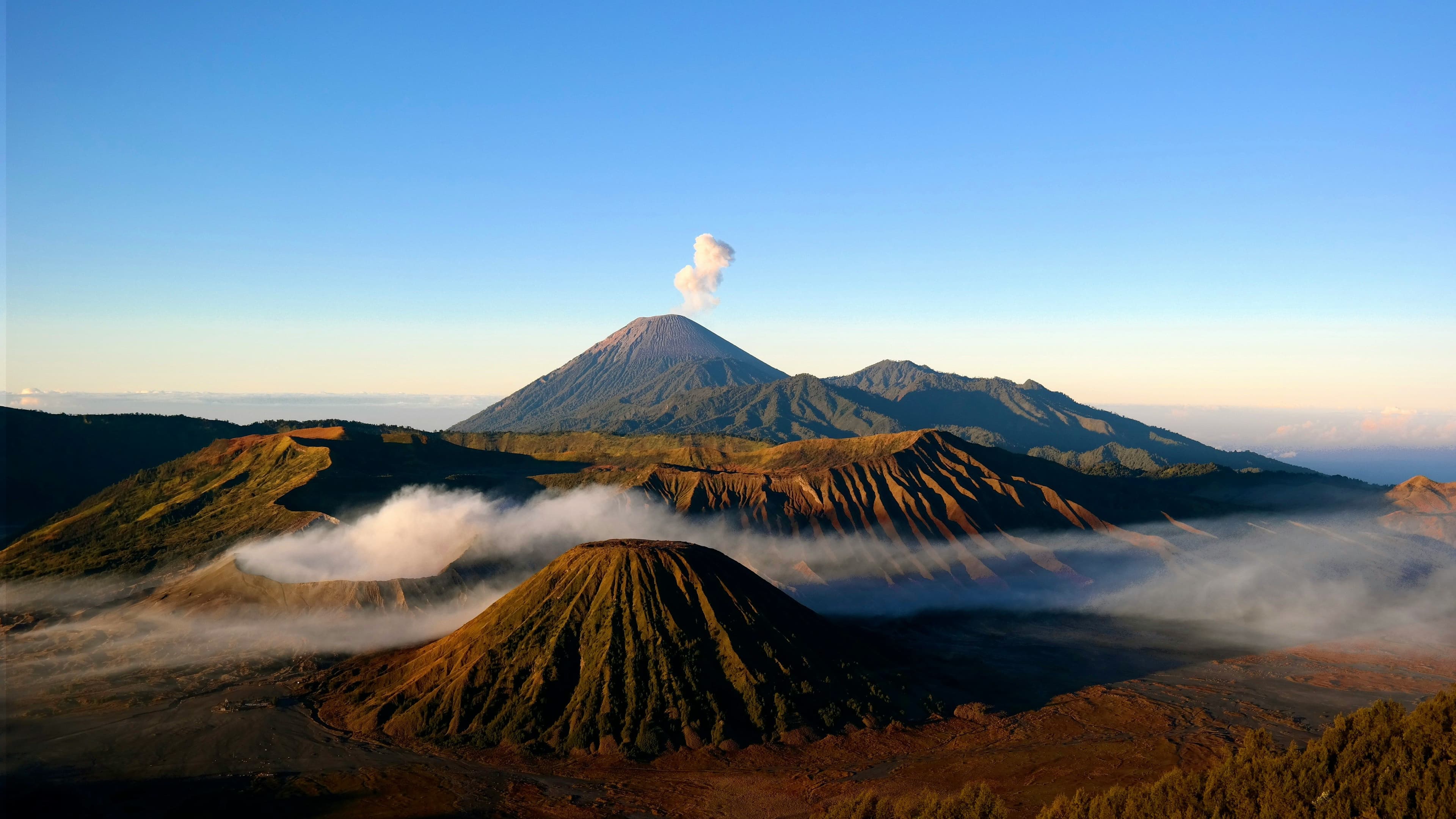
Up in East Java, standing at a viewpoint before sunrise gives you a full view over Mount Bromo and the surrounding volcanic landscape. As the light comes in, you’ll see the crater, the sea of sand and the mountains behind it all at once, which makes the early start worth it straight away. After that, you can even take a jeep ride down into the crater where you can walk up to the edge yourself.
Hike to the blue flames of Ijen volcano
During the night, a guided hike up Ijen leads you to one of the rare places where you can see blue fire coming out of the crater. Once you reach the top, views over the acid lake slowly appear as the sky starts to change. You’ll need gas masks here, so it’s best to go with a guided tour.

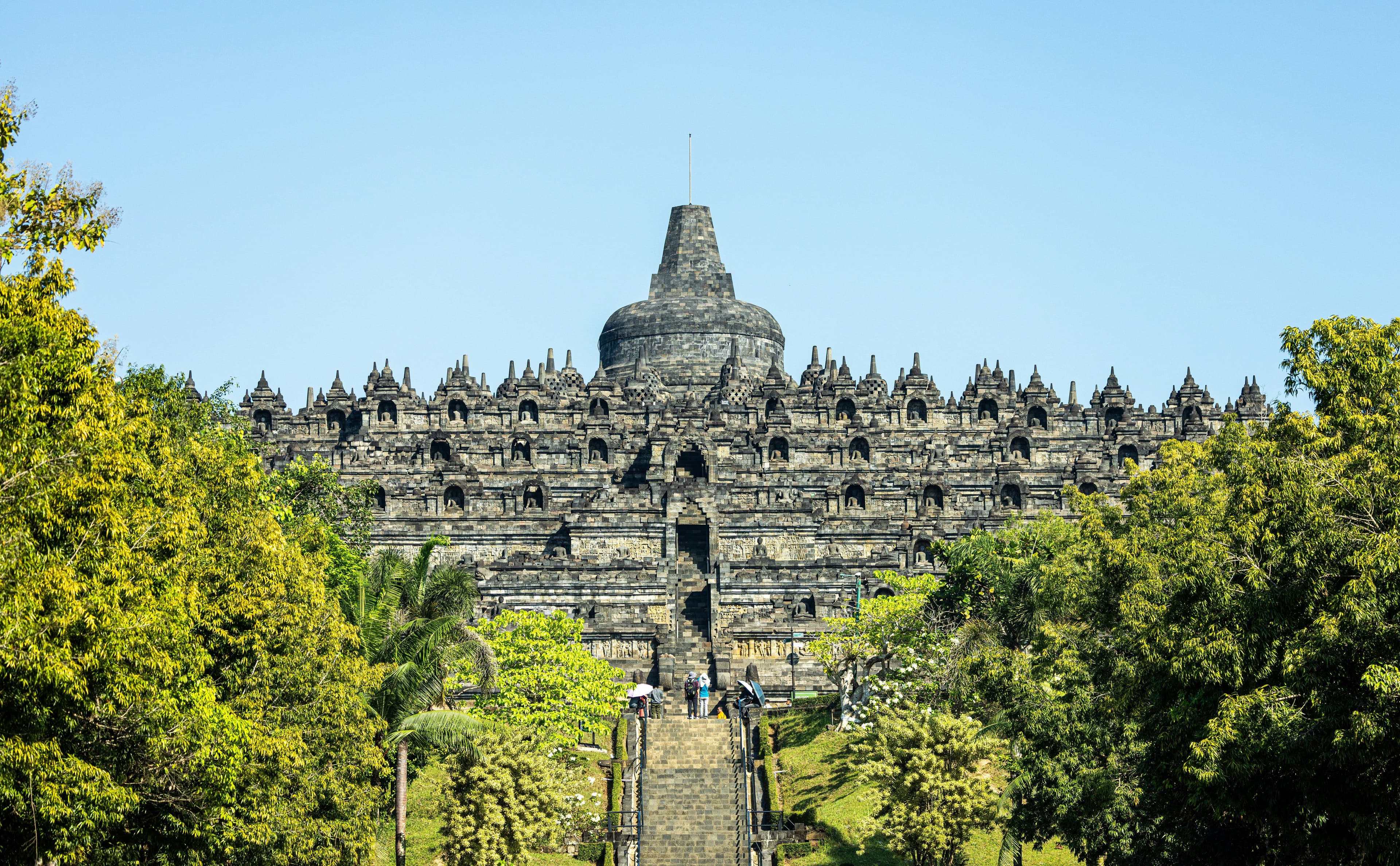
Visit Borobudur at sunrise
Near Yogyakarta, walking through Borobudur just as the day begins gives you a quieter moment before it gets busier later on. From the top, views stretch out over green surroundings with mist hanging low between the hills. Carved stone details and the structure itself make it one of the most impressive things you’ll come across when travelling in Indonesia.
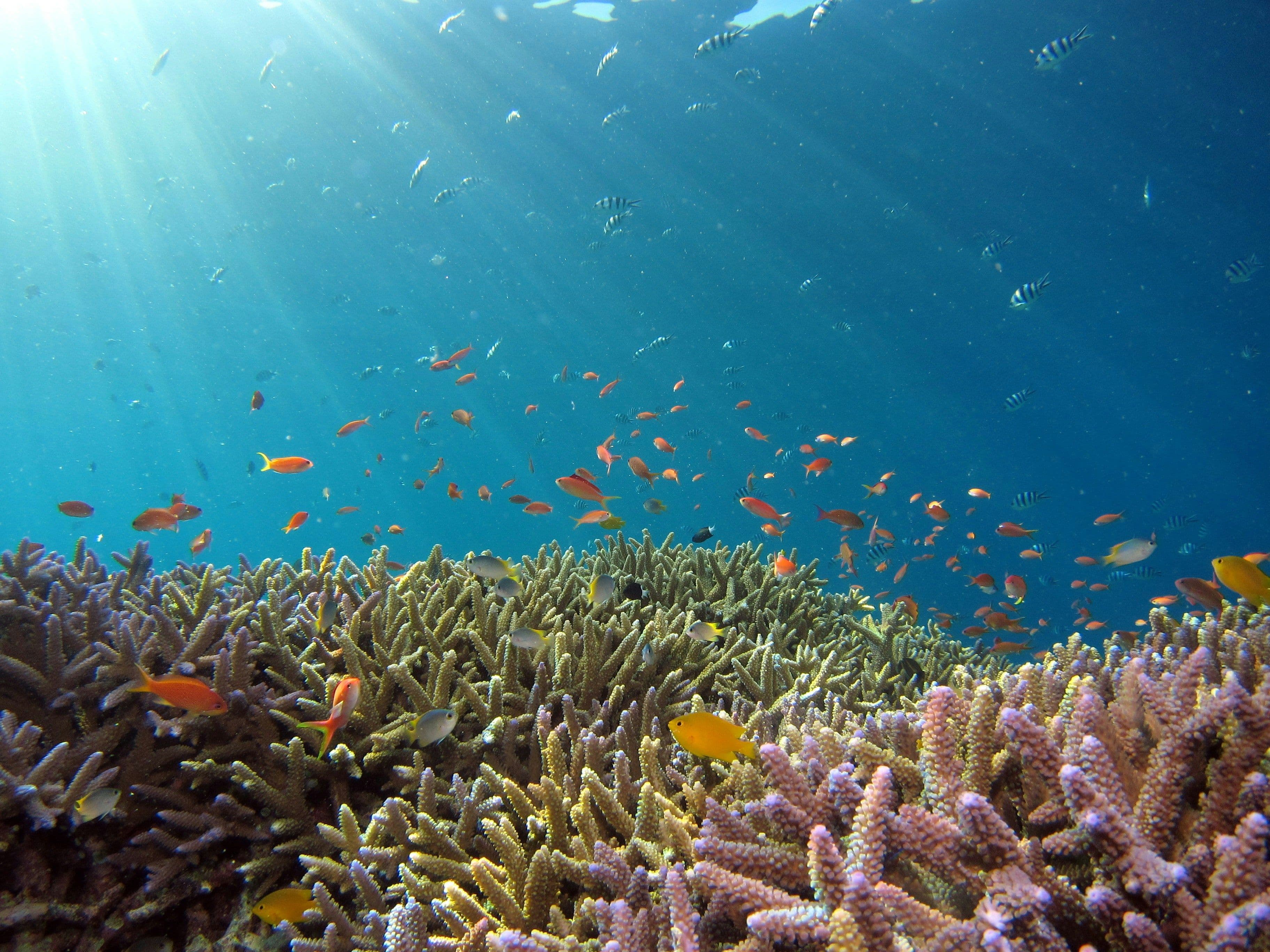
Go island hopping in Komodo National Park
Out on the water, moving between the Komodo Islands turns into one of the highlights of your trip. Along the way, you’ll stop at snorkelling spots like Kanawa Island or Pink Beach, where clear water and coral reefs make it easy to jump straight in. In places like Manta Point, spending time in the water can bring you close to marine life you don’t see everywhere.
Walk through rice terraces in Bali
Around Ubud or Jatiluwih, paths through rice terraces let you explore at your own speed without needing a plan. Small trails take you past farmers, viewpoints and little cafés where you can stop along the way. Compared to the coast, this part of Bali feels much more focused on daily life, with small villages, temples and rice terraces instead of beach clubs, busy streets and nightlife.
Jungle trekking in Sumatra
In Gunung Leuser National Park, guided treks take you into dense jungle where you’ll look out for wildlife like orangutans and monkeys. Along the way, you’ll cross rivers and walk uneven jungle paths, which makes the whole experience a real adventure. Over a couple of days, you’ll get a real sense of how untouched parts of Indonesia still are.

How to choose the right islands for your trip
Depending on your interests, some islands in Indonesia will suit you much better than others, so it really comes down to what kind of experience you’re looking for.
Choose Bali and Java for a first introduction
If this is your first time, Bali and Java give you a nice mix of culture, nature and well-known highlights. Travel between these islands is relatively easy, and you’ll cover temples, volcanoes and local life in one trip.
Head to Lombok and the Gili Islands for beach time
If you love the coast, Lombok and the Gili Islands give you turquoise water, snorkelling spots and relaxed days. Everything here revolves around the sea, with plenty of time to relax in between activities.
Go to Sumatra for jungle and wildlife
If spotting wildlife is high on your list, Sumatra stands out for jungle trekking and national parks. Around Gunung Leuser National Park, you’ll move through dense rainforest where orangutans, monkeys and tropical birds live in the wild. Compared to other places in Indonesia, nature here feels more untouched.
Go for Komodo and Flores if you want adventure
For something more active, Komodo and Flores combine hiking, boat trips and remote islands. Time on the water and exploring different stops can keep things varied throughout your days.
Pick Raja Ampat for diving and remote islands
If you’d like to explore underwater life, Raja Ampat gives you access to some of the richest marine areas in the region. Travel takes a bit longer, though what you get in return makes it worth it!

Did you know you can create your own trip?
Now that you’ve got a better idea of the places to go and sights to see in Indonesia, you can start thinking about how your own trip might look. Would you go for a mix of islands, or stay longer in one area and take it a bit slower It’s completely up to you. You can easily create your own trip itinerary in the Guided app for free, or use trips shared by others!
When to visit Indonesia
When travelling to Indonesia, picking the right time for your trip makes a big difference, especially when it comes to avoiding heavy rain and keeping travel between islands smooth.
May to September: dry season, best for most routes and outdoor activities
October to April: rainy season, short heavy showers with humid days
Not sure what month to go? In our blog about the best time to visit Indonesia, you’ll find exactly when to go based on your travel style, whether you’re planning beaches, culture or more active days.
Food you’ll want to try in Indonesia
Food in Indonesia is mainly based on rice, spices and local ingredients, with influences from Indian, Chinese and Middle Eastern cuisine. As you travel around, you’ll notice small warungs on almost every street where locals eat simple dishes that are full of flavour. Here are some you should definitely try:
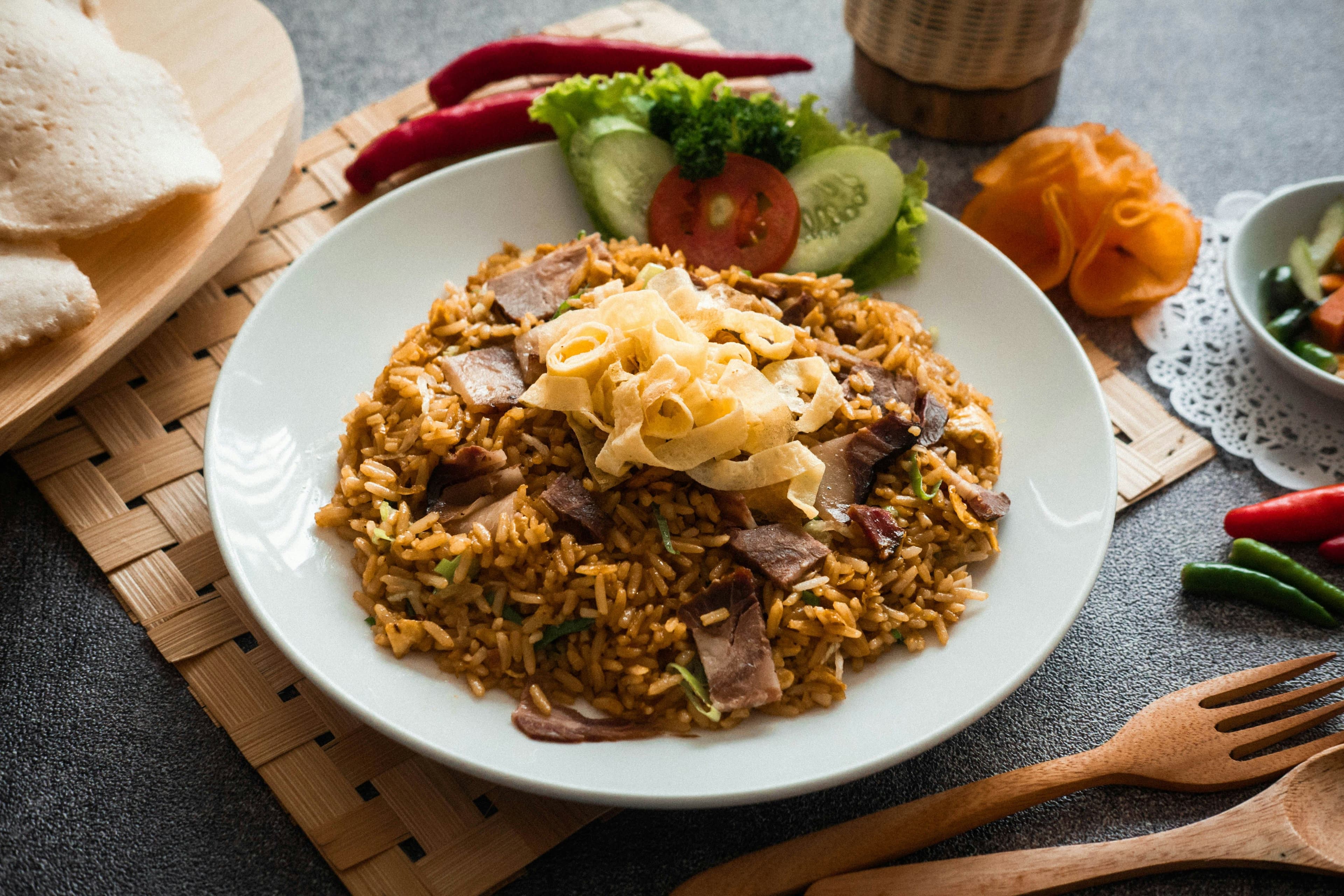
Nasi goreng
In most places, nasi goreng shows up as an easy go-to meal, especially when you’re looking for something familiar. Fried rice with egg, vegetables and sometimes chicken or shrimp makes it delicious. In local warungs, you’ll usually get it served with crackers and a fried egg on top.
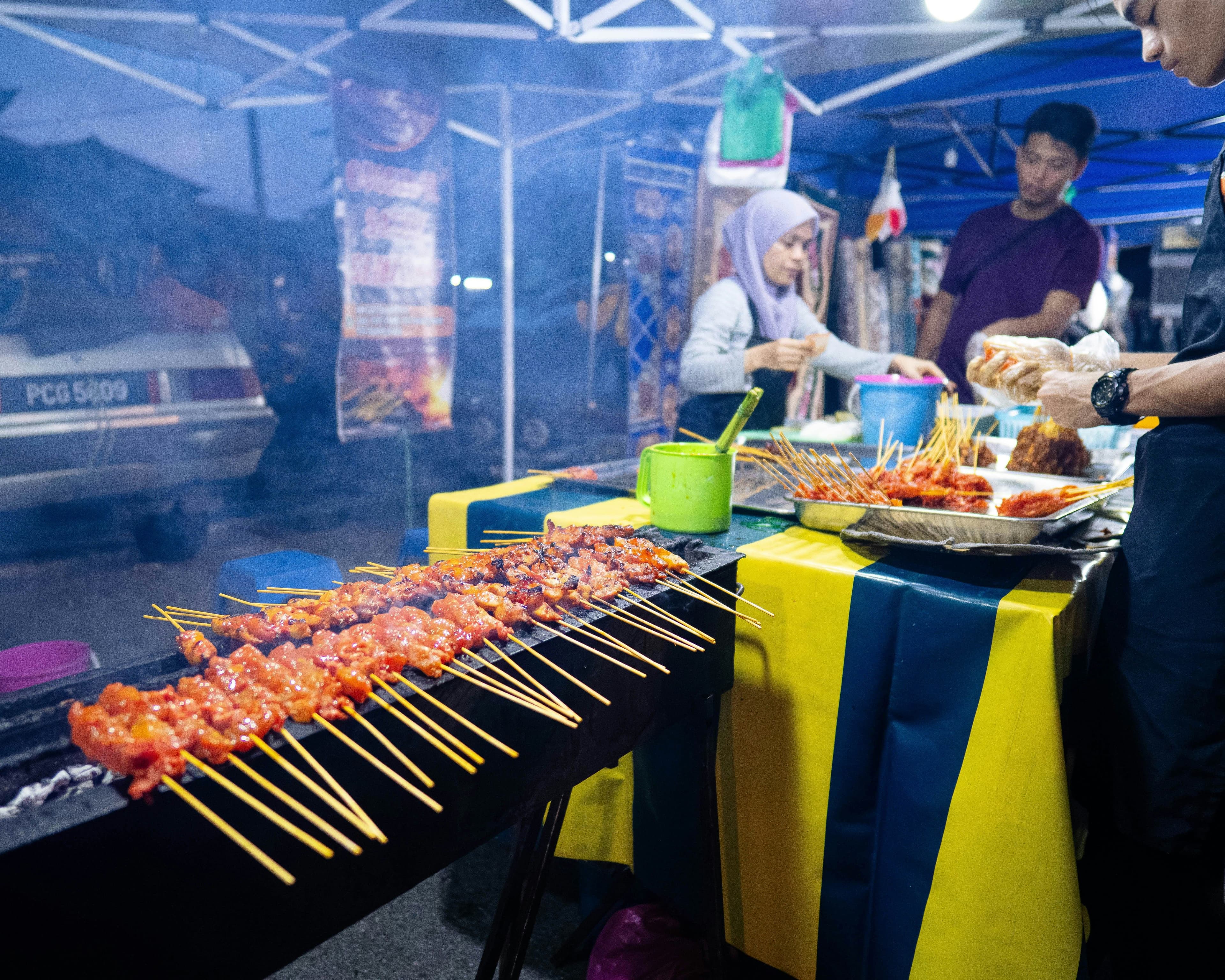
Satay (sate)
Across street food stalls, satay is one of those things you’ll keep coming back to. Skewers of grilled meat with peanut sauce and rice cakes make it a flavourful option. In places like Java, you’ll find different variations depending on the region.
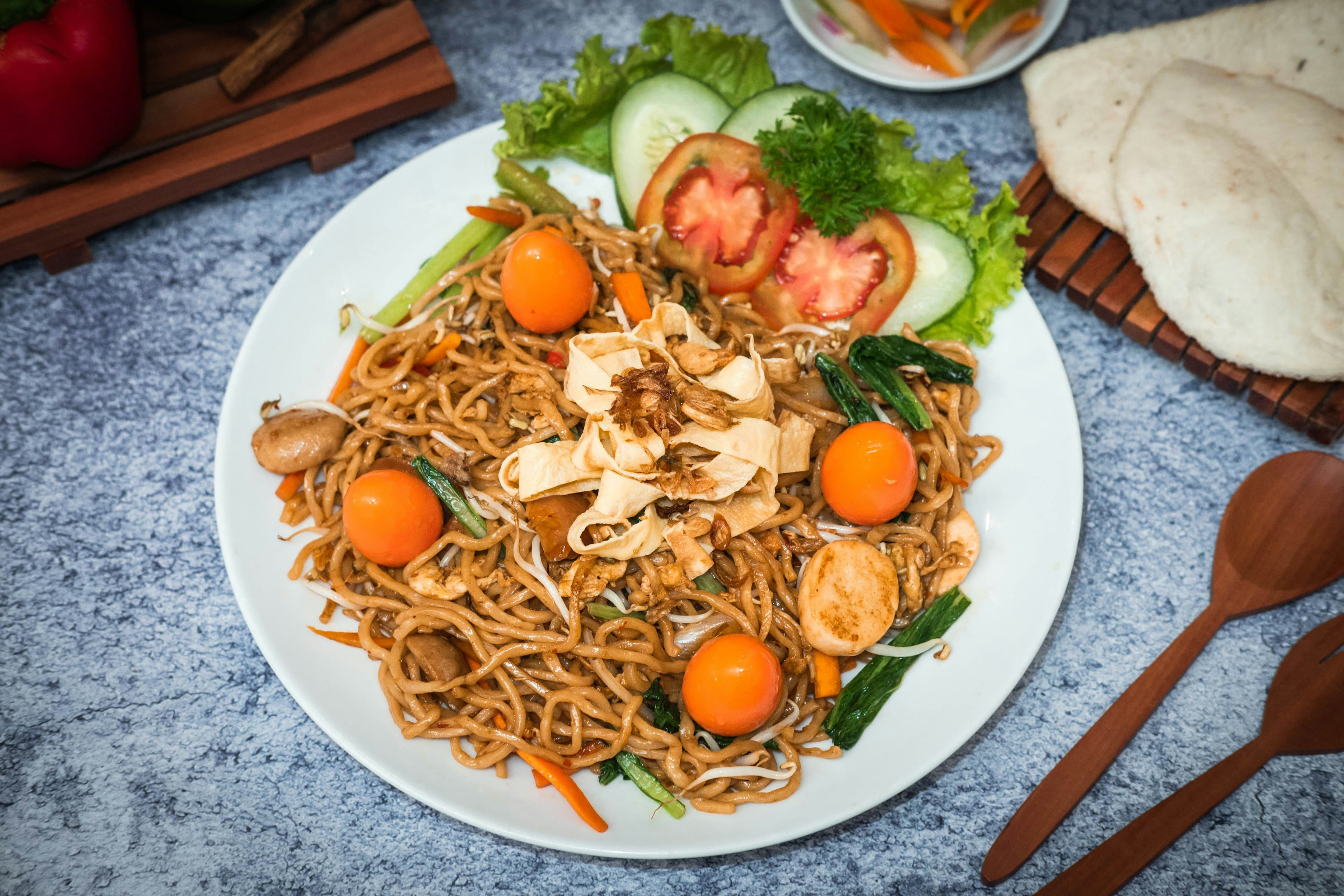
Mie goreng
If you like noodles, mie goreng is everywhere and easy to find. Stir-fried noodles with vegetables, egg and meat come together as a slightly richer alternative to rice dishes.
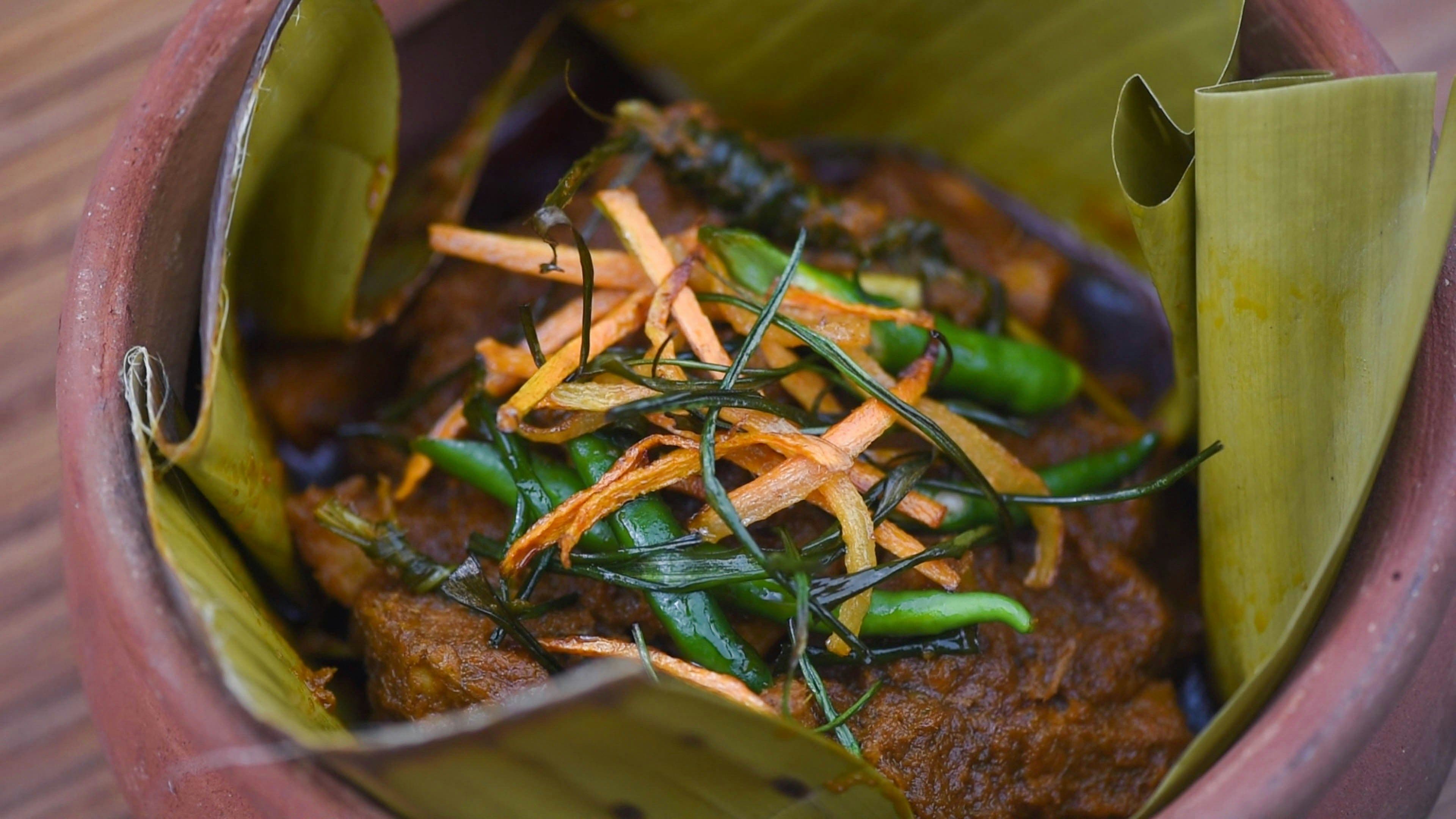
Rendang
In many places across Indonesia, you will find rendang. Originally from West Sumatra, this slow-cooked beef dish is prepared with coconut milk and spices until it becomes rich and full of flavour. In local restaurants, you’ll often see it displayed alongside other dishes, ready to be served with rice.
Culture in Indonesia: why every island is different
Across Indonesia, influences from trade routes, colonial history and local traditions all come together in different ways depending on where you are. Over centuries, volcanic activity and tectonic movement created the chain of islands you see today, shaping both the landscape and how people live across it. Because the country stretches over thousands of islands, communities developed separately over time, which is why languages, customs and even architecture can change from one place to another. Bahasa Indonesia is the official language in Indonesia, though in daily life you’ll also hear local languages like Javanese in Java, Balinese in Bali and Sundanese in West Java.
In Bali, you’ll see Hindu traditions through daily offerings and temple ceremonies, while in many other regions Islam plays a central role in daily life. You’ll notice Hindu temples and open courtyards in Bali, wooden stilt houses in places like Sumatra, and mosques with domes and minarets in many other parts of Indonesia.
Guided tip: Visit a local ceremony or small village, this will give you a much better sense of culture than visiting highlights.
Looking for more unique places, trips and activities?
Subscribe to our Guided Newsletter for more travel inspiration.
Costs of a trip to Indonesia
When planning your trip to Indonesia, you might wonder what travelling in Indonesia will actually cost. Across different islands and travel styles, prices can change quite a bit, though overall it stays relatively affordable. So let’s see what you can expect to pay:
Food & Drink

Coffee
15k – 40k IDR
Lunch
30k – 80k IDR
Beer
30k – 70k IDR
Accommodation

Hotels
400k – 1,200k IDR
Airbnb
300k – 1,000k IDR
Hostel dorm
100k – 250k IDR
Transport

Trains
100k – 400k IDR
Public Transport
5k – 20k IDR
Car Rental
300k – 700k IDR
Attractions

Museums
10k – 50k IDR
Big Attractions
50k – 300k IDR
Theatre
100k – 400k IDR
Getting around Indonesia: transport between islands
Once you start planning your route, getting around is one of the biggest things to figure out. Across Indonesia, transport changes quite a bit depending on the island, so knowing what to expect will make everything much easier.
Go by boat between Bali, Lombok and the Gili Islands
Between these islands, fast boats are the most common option. Routes like Bali to Gili Trawangan or Lombok run daily, with departures from places like Padang Bai or Sanur. The sea can get a bit rough at times, so it’s worth checking the weather and going with a reliable company.
Fly between major islands like Java, Bali and Flores
For longer distances, you’ll find plenty of flights between places like Bali and Labuan Bajo or Jakarta and Yogyakarta, and they’re usually quite affordable if you book ahead. Once you start looking, you’ll see airlines like Lion Air, AirAsia and Garuda Indonesia running most of these routes, so finding a connection isn’t too difficult.
Travel by train across Java
Across Java, trains are one of the best ways to travel between cities. Routes like Yogyakarta to Surabaya or Jakarta to Yogyakarta give you comfortable seats and views along the way. Booking in advance helps, as popular routes can sell out.
Use scooters on islands like Bali and Lombok
In places like Bali, renting a scooter gives you a lot of freedom, though it really only works if you already feel confident driving one. Traffic can get pretty busy around Canggu or Ubud, and you’ll be driving on the left side of the road. Over in Lombok, things feel a lot calmer, so riding there is usually more relaxed and easier to handle.
Use taxi apps like Grab and Gojek
In cities and busy areas, apps like Grab and Gojek make getting around quick and easy. The rides are quite cheap, and this way you can avoid negotiating prices or figuring out directions.
Practical tips for travelling to Indonesia
Once you arrive, a few small things will make your trip a lot smoother without you having to think about them too much. Across different islands, planning ahead just a little will save you time and energy later on.
✔ Bring cash for daily spending
In many places, cash is still the easiest way to pay, especially outside the main tourist areas. Small shops, markets and local restaurants usually won’t accept cards.
✔ Plan travel time carefully between islands
Indonesia is a big country, and once you start looking at distances, you’ll notice things are a bit further apart than they seem at first. A travel day can easily take up most of your day with flights, transfers and waiting in between, so giving yourself some extra time between destinations will make everything feel a lot more relaxed.
✔ Expect different standards across islands
Between Bali and more remote areas, differences are quite noticeable once you start moving around. In Bali, you’ll find a wide range of accommodation, good roads in most areas and plenty of cafés, shops and services. On islands like Lombok or Flores, things feel more basic, with simpler stays, less developed infrastructure and longer travel times between places. In areas like Sumatra or Raja Ampat, transport can be less predictable, accommodation more minimal and facilities limited, though that’s also part of what makes the experience feel more remote.
✔ Respect local customs at temples and mosques
When you visit temples or mosques, you’ll notice pretty quickly that there are a few simple rules to follow. In places like Bali, you’ll often be given a sarong to wear when entering temples, and shoulders and knees should be covered.
In more conservative areas, especially on islands where Islam is more present, dressing modestly is appreciated when visiting mosques or even walking around town. Shoes are always removed before entering, and during prayer times it’s better to keep a bit of distance and observe quietly.
Wondering if Indonesia is safe for your trip? Read our blog with safety tips for Indonesia.
Fun facts about Indonesia
Once you start learning more about Indonesia, you realise how unique the country actually is. Across geography, culture and nature, there are plenty of details that make your trip even more interesting.
Indonesia has over 17,000 islands and stretches wider than the United States
Over 700 languages are spoken across the country
Indonesia sits on three tectonic plates, which is why there are so many volcanoes
The country stretches across three different time zones
It has the largest Muslim population globally
Bali actually has its own calendar with 210-day cycles
Some islands remain completely uninhabited
Some of these things will probably become part of your own experience along the way. Indonesia has this way of surprising you every few days, from the food to the landscapes to the way daily life looks completely different from one island to the next. If you like a mix of culture, nature and island life, with a bit of adventure in between, travelling to Indonesia is the right choice for you.
Ready to Map Out Your Indonesia Trip?
We hope this Indonesia travel guide has given you a clear starting point for your trip. Stay tuned for more inspiration, itineraries and practical tips to help you shape your perfect Indonesia adventure. And don’t forget to check out our Go-Guided app, where you can create your own route or use routes shared by other travellers for free.
FAQs about travelling to Indonesia
- What is the capital of Indonesia?
The capital of Indonesia is Jakarta, which you’ll find on the island of Java. It’s the main economic and political centre of the country.
- What language is spoken in Indonesia?
- What is the currency for Bali Indonesia?
- What religions are in Indonesia?
- Is Bali in Indonesia?
- Do you need a visa for Indonesia?