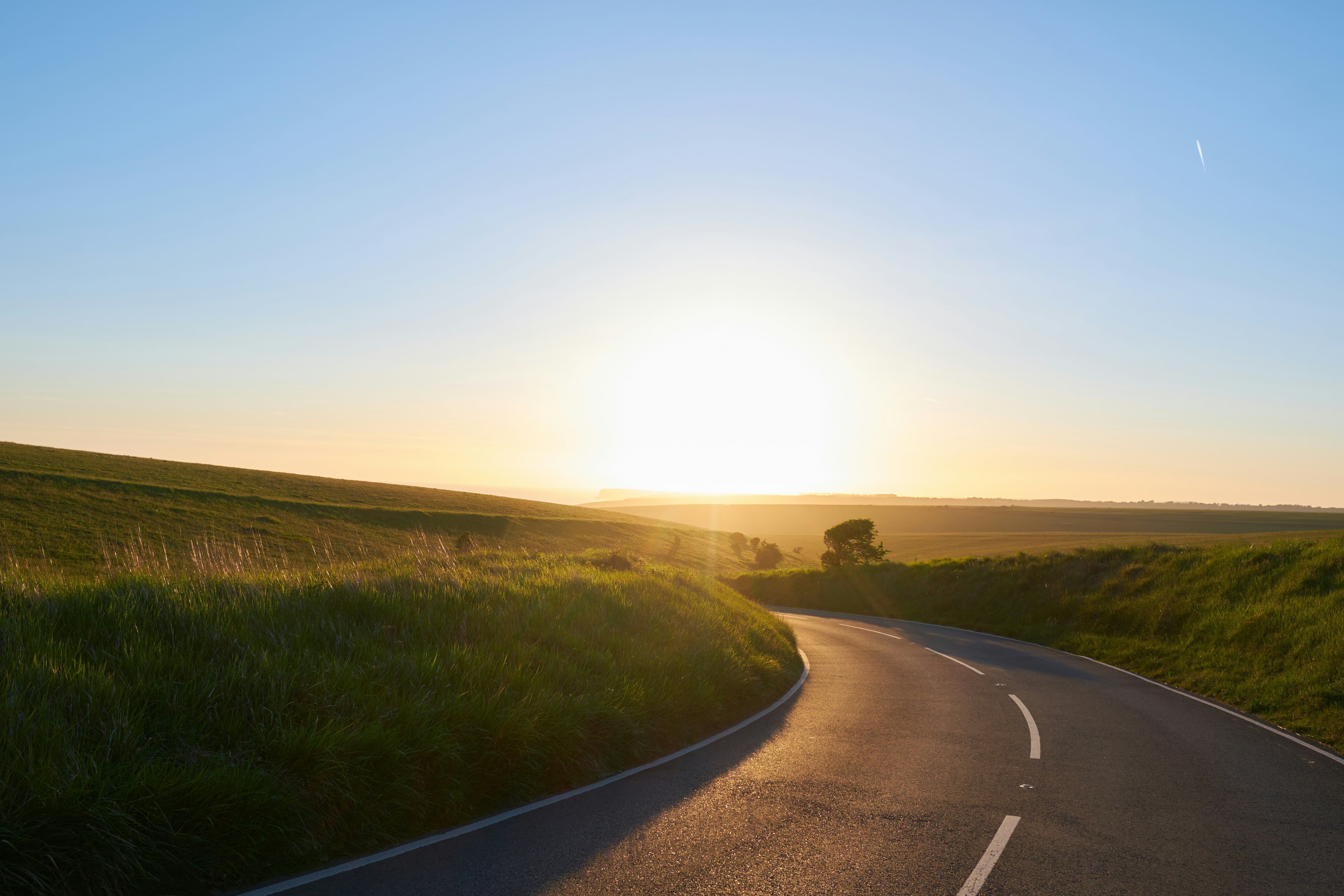
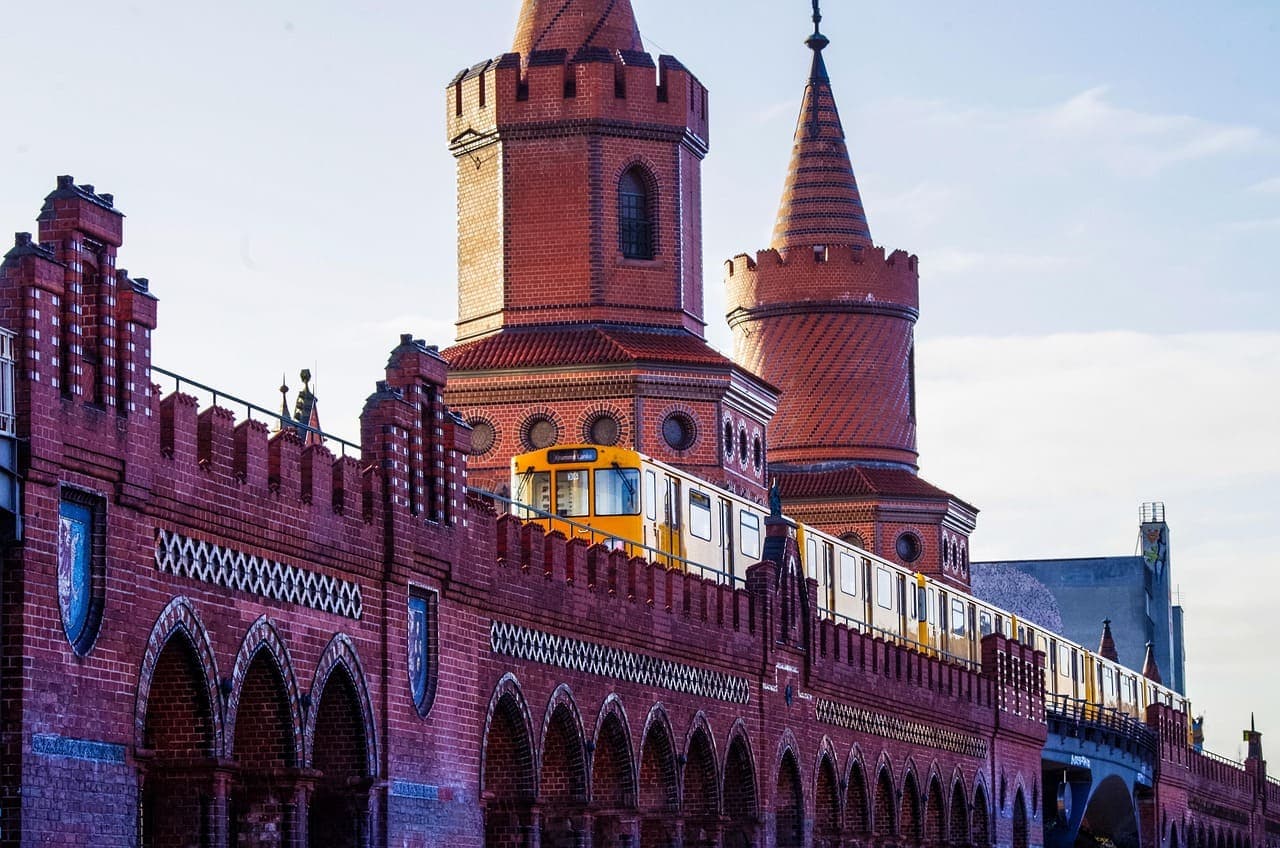
Austria road trip or train: what works best?
By Eva Alkemade
May 13, 2026
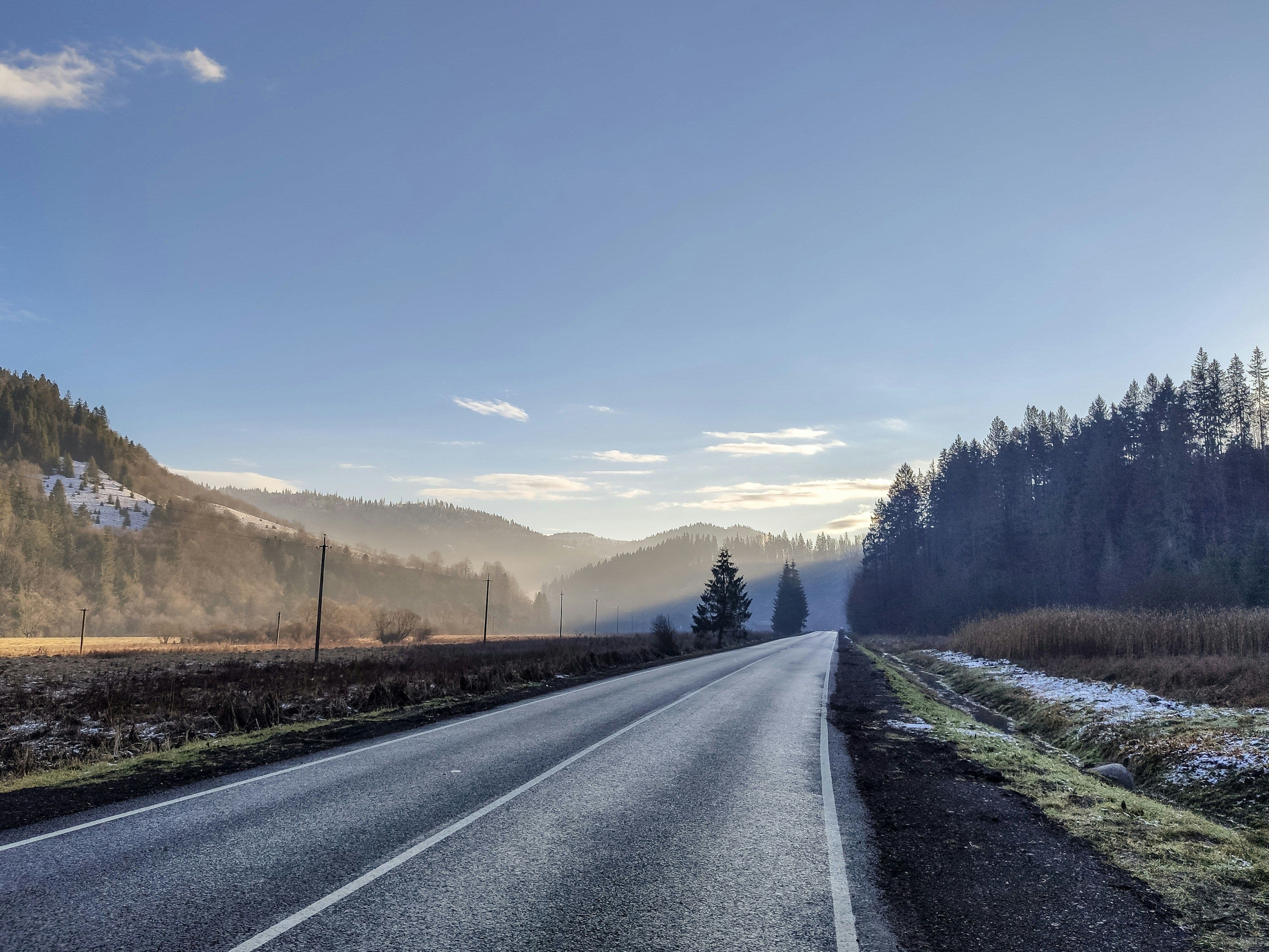
Within just a few hours you can move from vineyard villages in the Wachau Valley to alpine roads near glaciers and mountain lakes. Around places like Salzburg and Innsbruck, train lines already pass straight through valleys that many people assume you can only reach by car. Still, some of the best viewpoints and smaller villages are located far outside the railway network. For those areas, going on an Austria road trip makes much more sense, and it can easily turn into one of the most fun parts of your trip. So what actually works best for your trip: driving or taking the train? Let’s figure it out!
Austria by train or car: which works better for your trip?
Across Austria, getting from one region to another takes far less time than you’d expect. Austria’s fast Railjet trains connect most cities quickly, though reaching smaller lake villages or alpine regions is more difficult by train.
When travelling by train makes more sense
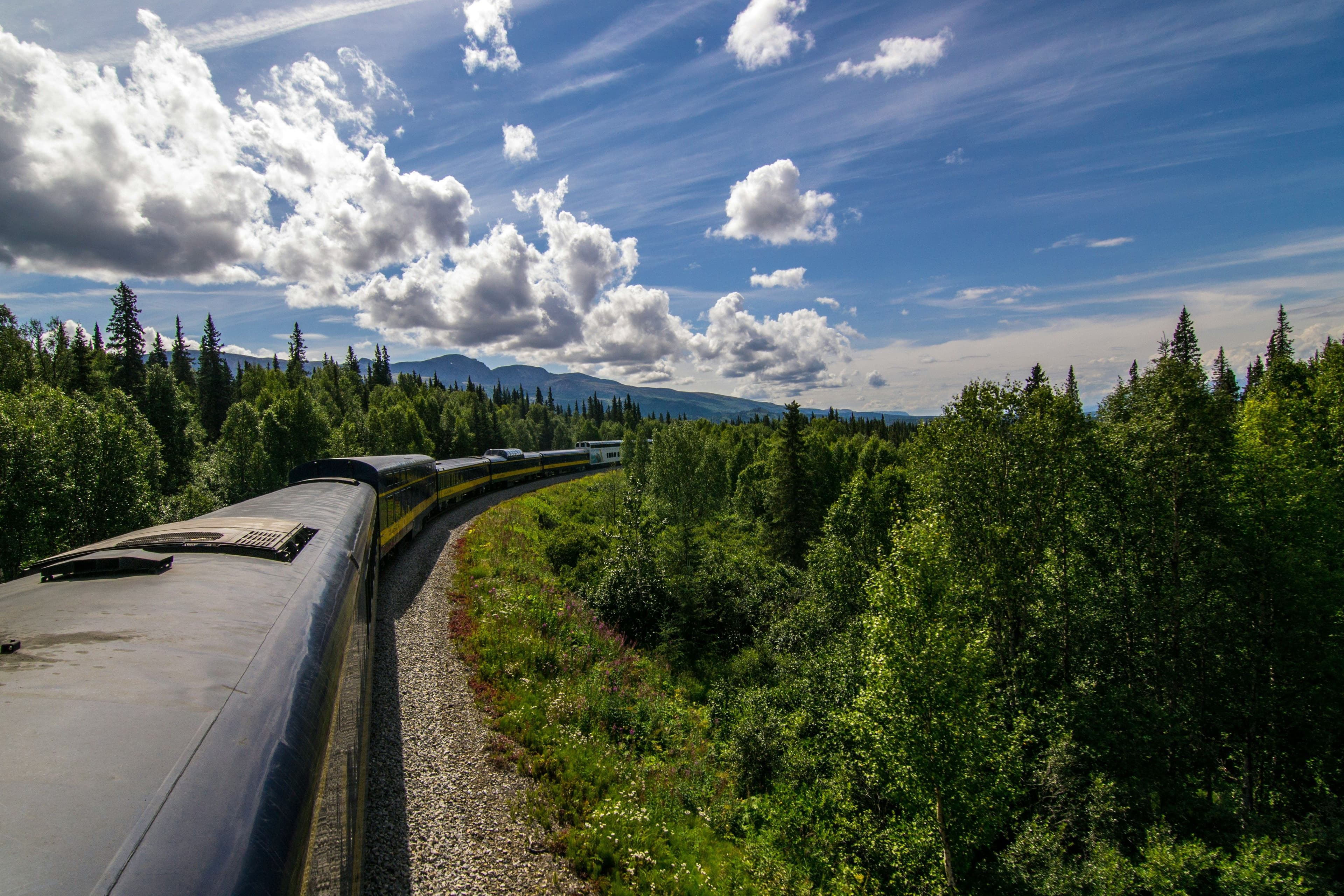
Between Vienna, Salzburg and Innsbruck, train travel works incredibly well, and after your first journey you’ll probably notice how little planning you actually need day to day. Around major stations, departures run throughout the day, so missing one train rarely ruins your plans. The trains are generally comfortable, with good customer service and food options onboard.
Inside the train, large windows already give you mountain views during the journey itself. Around Innsbruck, several mountain towns already connect easily by public transport and even a cable car in some areas, so reaching hiking areas without driving is easy.
Compared to driving inside cities, train travel also saves you from parking garages, traffic and expensive overnight parking fees (we’ll get to that in a bit).
When an Austria road trip makes more sense
Outside the bigger cities, things change pretty quickly once you head deeper into alpine regions. Around places like Hallstatt, Tyrol and smaller villages near lakes or mountain passes, public transport still works, though it will take much longer because the connections aren't very smooth.
Across regions like the Salzkammergut, shorter roads connect tiny villages, lakes and viewpoints, so it’s nice to stop wherever you want. Near Hohe Tauern National Park, driving also gives you much more freedom to stop at waterfalls, mountain huts or hiking trails.
Around western Austria, some of the nicest roads barely pass through larger towns at all. Here, it would also be better to rent a car in Austria.
The best option for first time visitors
For a first trip, splitting things up usually works best. Around Vienna and Salzburg, train travel already covers almost everything you need, though mountain regions become much easier once you pick up a car afterwards.
Near the bigger airports, plenty of Guided travellers start with a few city days before moving into the Alps later in the trip. Starting your trip by train and picking up a car later near the Alps usually works really well, since you avoid city parking but still keep complete freedom in mountain regions.
The most beautiful road trips in Austria
When going on an Austria road trip, you’ll move between beautiful lakes, mountain passes and valleys. Driving here is so much more than simply getting from A to B. Below, we’ve gathered some of the most beautiful road trips through Austria that fellow Guided travellers recommend.
Grossglockner High Alpine Road
High up in the Alps, this road gives you some of the highest mountain views you can reach by car anywhere in the country. Along the drive, sharp bends lead past glaciers, waterfalls and viewpoints where you can stop for photos or short walks.
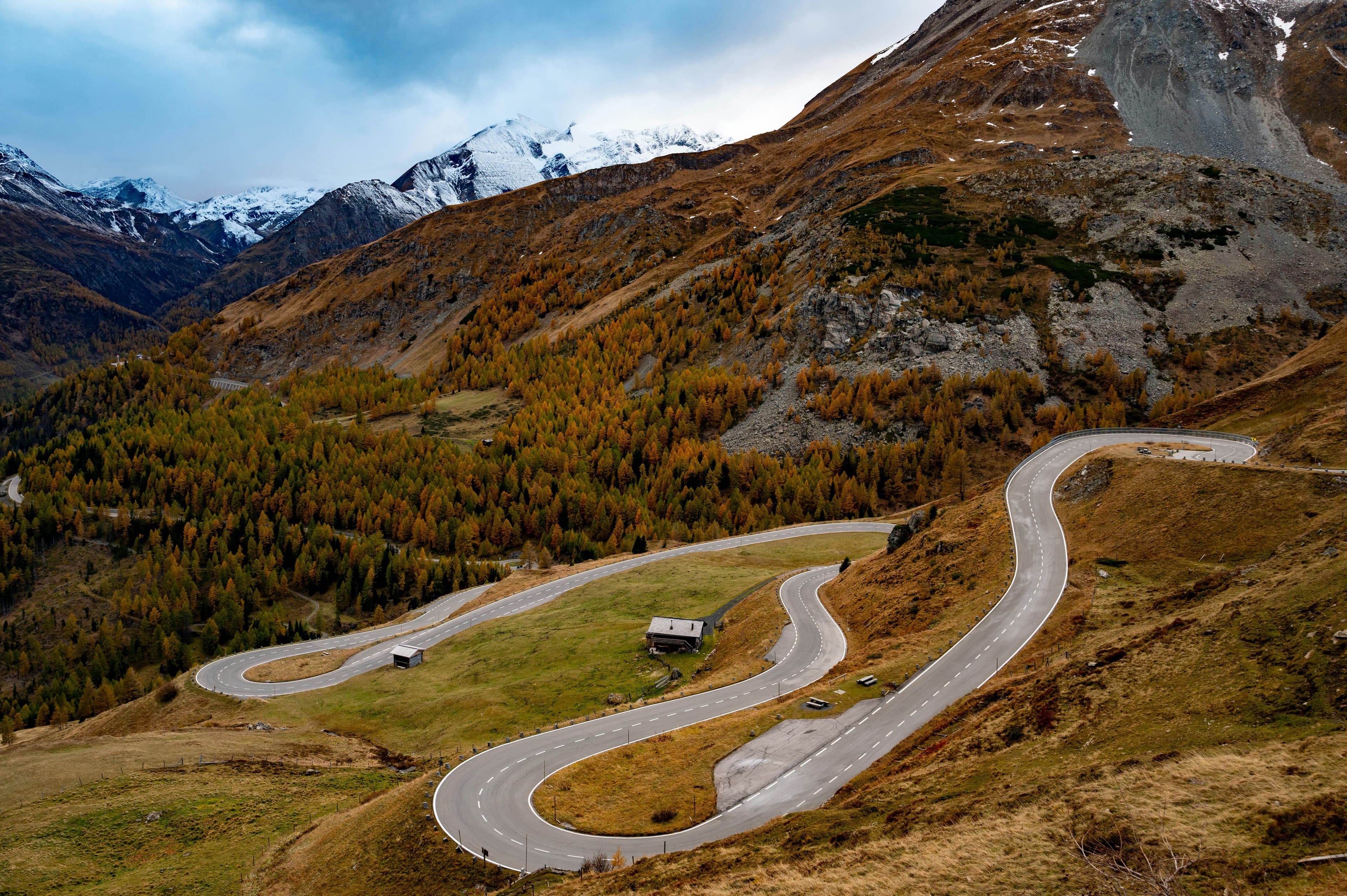
The Grossglockner High Alpine road usually opens between late spring and autumn, though snow conditions still affect opening dates, so make sure to double check before you leave. Around the highest sections, temperatures can suddenly drop even during July, so we recommend wearing an extra layer.
Across the route, viewing platforms look out over glaciers and rocky peaks, and every now and then you can spot marmots near the roadside. This drive also requires a special toll, though the views are worth every euro!
The Salzkammergut lake region
Around Hallstatt and Wolfgangsee, roads are fairly short compared to longer alpine drives. Across the region, several mountain lifts and boats connect nearby villages, which gives you plenty of ways to break up the driving during the day.

Starting from Salzburg, you can easily drive into the Salzkammergut within about an hour, and the roads pass bright blue lakes, wooden villages and mountain viewpoints. Along the way, places like Fuschlsee, St Gilgen and Wolfgangsee give you plenty of opportunities to stop for lunch, a swim or a short walk near the water. Around Hallstatt itself, lake and mountain viewpoints make it one of the best known stops in the region, though smaller villages nearby usually end up being just as memorable. Around smaller villages outside Hallstatt, accommodation prices also tend to drop quite a bit.
Wachau Valley and the Danube
Along the Danube River, roads pass vineyards, abbeys and smaller villages where nearly every stop already looks postcard worthy. Between Vienna and Salzburg, the Wachau Valley works really well as an overnight stop that breaks up the journey nicely.
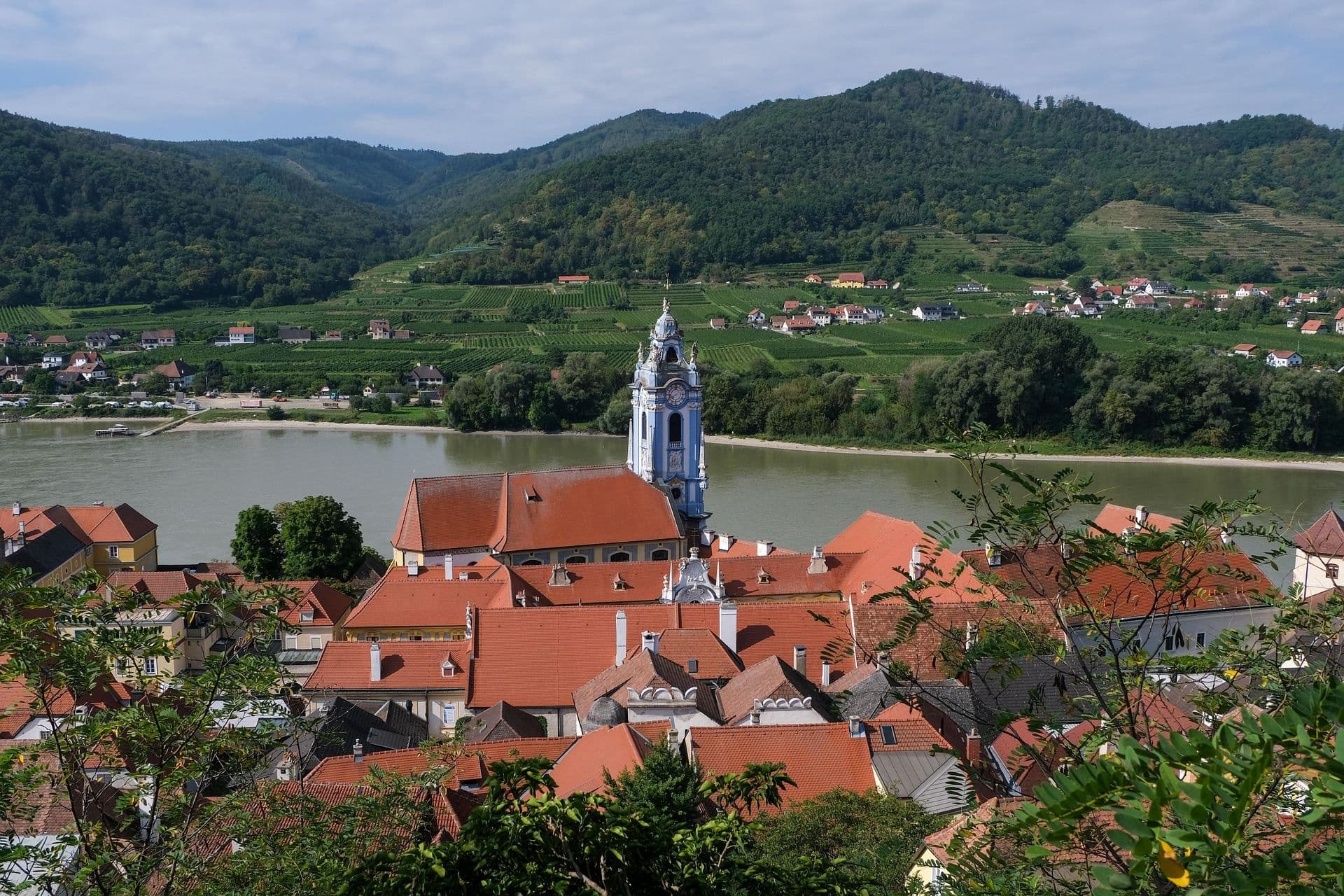
Near Dürnstein and Melk, you can enjoy wine tastings, walks by the river or boat trips. And in autumn, vineyards turn completely golden and deep orange, which gives the whole region a very different look compared to summer.
Compared to alpine roads further west, driving here stays much easier and calmer, so this part of Austria works very well if you do not want difficult mountain driving straight away.
Hohe Tauern National Park
Around central Austria, roads near this national park pass waterfalls, valleys and mountain villages surrounded by enormous peaks. This is also why driving times can still increase quite a bit once mountain roads begin winding through the valleys. Nevertheless, near some viewpoints, parking areas already connect directly to walking trails, so reaching nature areas by car becomes super simple.
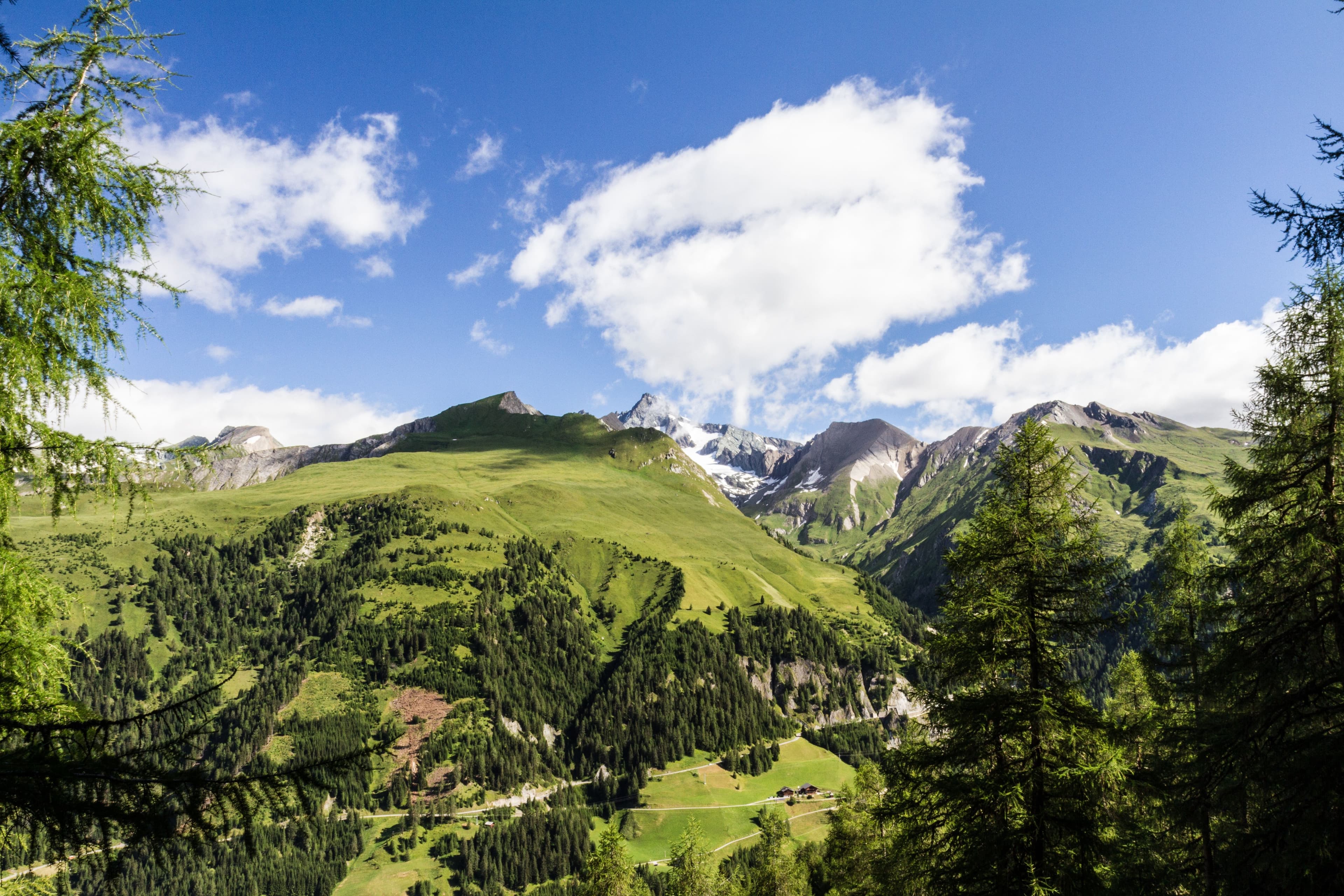
The villages around the park also work really well as overnight stops for a few slower days. Here, you can visit waterfalls, lakes and alpine huts, which is one of the highlights of an Austrian road trip.
Still figuring out where to go during your trip? Read our Austria travel guide with the best regions, mountain villages, lake areas and city stops to help you plan your route through the country.
What driving in Austria is like
Across most of the country, roads stay in very good condition, even deep into mountain regions. Though there are a few things to look out for. We’ll walk you through what it’s really like to go on an Austria road trip.

Road conditions and mountain driving
Inside the country, cars drive on the right side of the road. The motorways and expressways in Austria stay well maintained and clearly signposted, even higher up in the mountains. Near mountain passes, roads become narrower and more winding, though traffic generally stays calm.
Near higher mountain passes, snow chains can sometimes become mandatory during winter months, and signs along the road will tell you exactly when they’re required. Along the drive, plenty of mountain roads also include viewpoints, roadside restaurants and pull off areas where you can stop for photos.
Parking and driving in cities
Inside Vienna and Salzburg, driving usually becomes much less practical once you actually enter the city centres. Around historic areas, many streets stay narrow or partly pedestrianised, parking garages can easily cost €25 to €40 per day, and street parking zones follow strict local rules that vary per district and time of day. Near train stations and old town areas, public transport usually works much better than using a car during the day. For that reason, many people leave their car at their hotel or just outside the centre and continue using trains, trams or buses during their city days.
Outside the cities though, things completely change again. Around lake regions and mountain villages, having your own car suddenly makes day trips and shorter stops much easier.
What should you know about winter driving in Austria?
During colder months, winter tyres are legally required once roads get covered in snow or ice, and up in the mountains police checks happen pretty regularly. Around ski regions near Tyrol or Salzburg, weather can suddenly change within a few hours, so a road that looked completely fine earlier in the day might look very different later that evening.
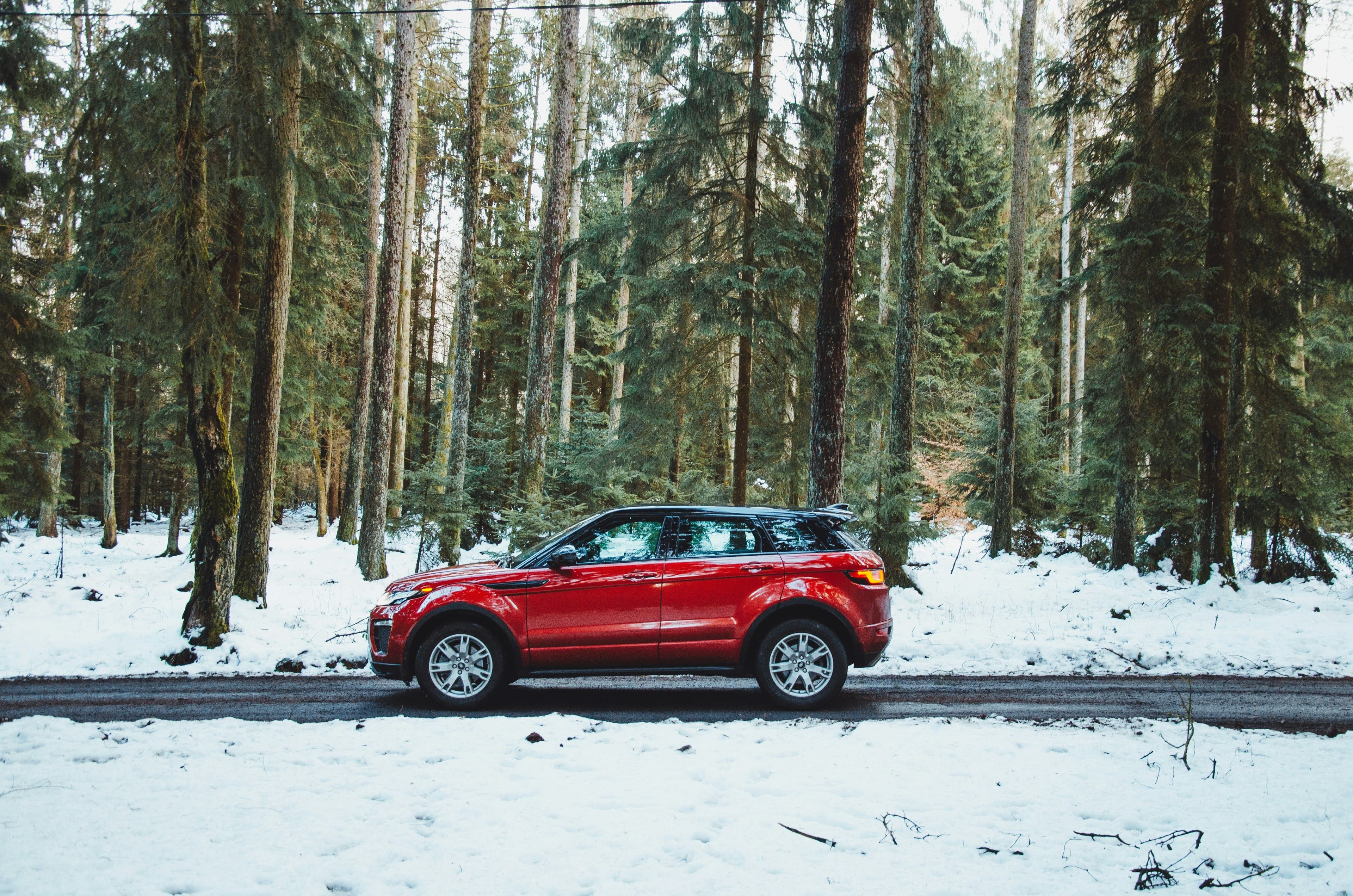
Higher alpine roads like the Grossglockner High Alpine Road normally close during winter because of heavy snowfall and avalanche risks. Around mountain passes, snow chains sometimes become mandatory too, and electronic signs along the road will let you know exactly when you need them.
Every season completely changes what driving here looks like. Read more about the best time to visit Austria to find out what month works best for your Austria road trip.
Guided tip: During winter months, keeping overnight stops fairly close together helps much more than planning long driving days through the mountains.
The best train journeys in Austria
Train rides can become one of the nicest parts of the trip itself. Mountain valleys, lakes and alpine villages keep appearing outside your window almost the entire journey, so even transport days can be fun.
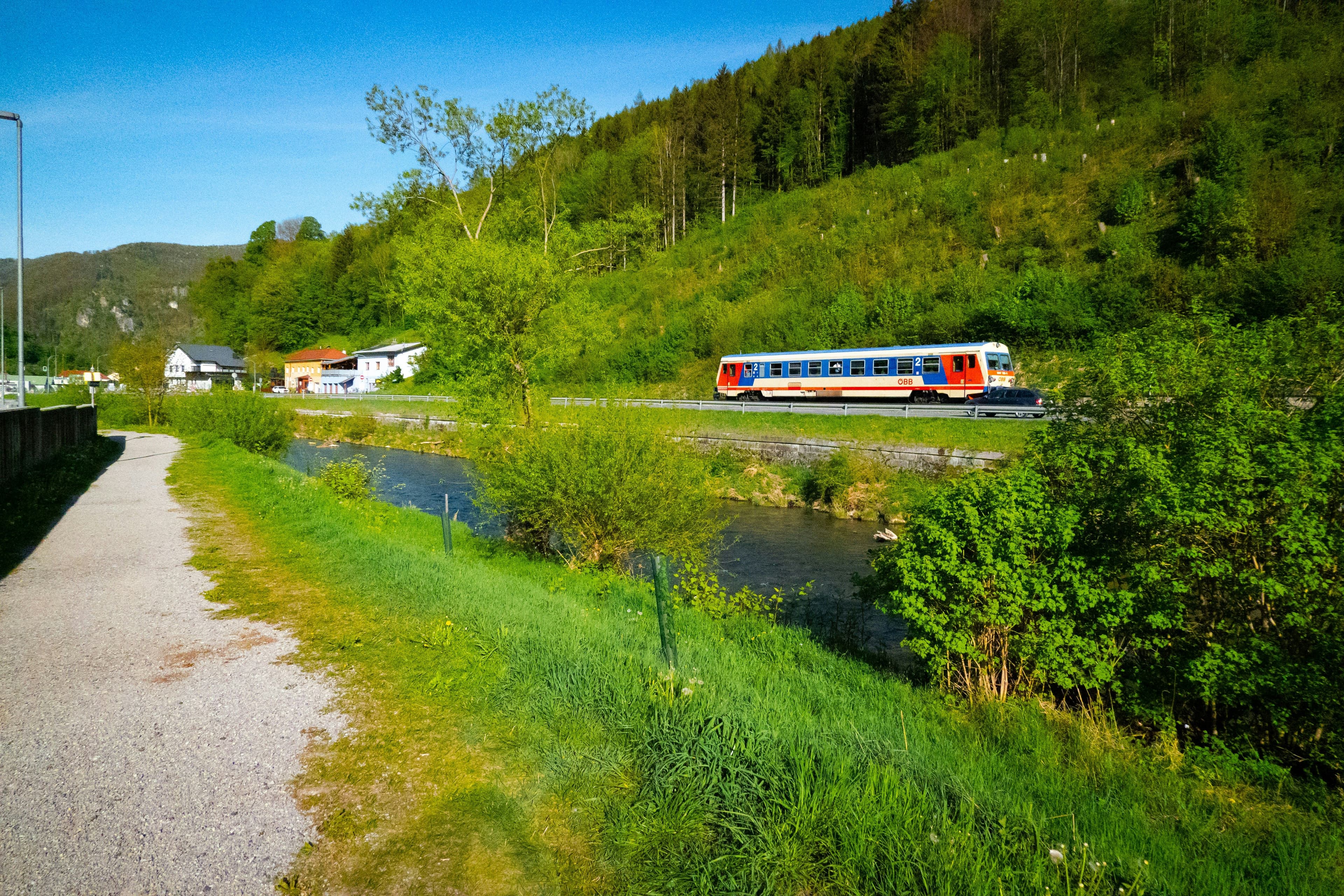
Vienna to Salzburg by train
Right after leaving Vienna, you’ll pass vineyards, farmland and smaller Austrian towns before mountain regions slowly start appearing further west. Direct Railjet trains usually take around 2 hours and 30 minutes, and you can book your tickets directly through the official ÖBB website.
Inside Salzburg, you can walk through the Old Town, visit the fortress or head towards nearby lakes and mountain villages. Compared to driving, going by train usually saves you quite a lot of time since you don’t have to search for parking.
Innsbruck through the Alps
Closer to western Austria, train rides near Innsbruck pass directly through alpine valleys surrounded by snowy peaks during winter and green mountain areas during summer. Large panoramic windows already give you glacier views and mountain villages for huge parts of the ride.
From Salzburg to Innsbruck, direct trains usually take around 1 hour and 45 minutes. Once you arrive, cable cars quickly bring you much higher into the mountains without needing to drive yourself.
Around Innsbruck, you can head towards hiking areas, skiing regions or mountain viewpoints almost immediately after stepping off the train. Compared to several other alpine countries, rail connections around Tyrol work surprisingly smoothly.
Night trains and international rail connections
Late evening departures from Austria connect directly towards Germany, Switzerland and Italy through the Nightjet network. Sleeper cabins, couchettes and regular seats all come with different prices depending on how much comfort you want during your ride.
For longer trips through Europe, overnight trains can actually save you both hotel nights and daytime transport hours at the same time. Waking up somewhere completely different the next morning can be really exciting too.
Do you need to pay for Austria’s toll roads?
Across Austria, motorway driving works a bit differently. A small motorway pass is required on almost all major roads, and skipping it can get expensive very quickly once cameras pick up your car.
What is the Austria toll vignette?
Along nearly all Austrian motorways and expressways in Austria, drivers need a valid vignette toll before entering the road. Instead of stopping at toll booths, cameras scan your registration plate automatically once you’re driving on the motorway network. Around shorter trips, the 10 day pass usually works best, though longer holidays may make the 2 month option cheaper overall. You can find official toll information directly on ASFINAG and book your digital vignette before the trip starts.
For cars under 3.5 tonnes, you can either buy a physical sticker for the windscreen or a digital vignette linked directly to your licence plate. Around border crossings, signs already warn you when vignette zones begin, though those signs can appear pretty suddenly once you’re close to the motorway entrance.
Fines for driving without one can easily go above €120, and roadside checks happen regularly near mountain regions and border routes.
Which roads require an extra toll?
Outside the normal motorway pass, several alpine roads and tunnels still charge additional fees. Around western Austria, these routes usually lead towards glaciers, mountain passes and some of the highest roads in the country.
Along the Brenner Pass, Tauern Tunnel and Karawanken Tunnel, separate toll payments still apply even when your motorway vignette is already valid. Famous mountain drives like the Grossglockner also charge a special toll because snow clearing and mountain road maintenance costs stay extremely high there.
Guided tip: During longer Austria road trips, the 2 month vignette usually works out much cheaper compared to buying several shorter passes separately.
How much does getting around Austria cost?
You might wonder what is more expensive: renting a car in Austria or travelling through Austria by train. Mountain roads, tolls and alpine tunnels still add extra costs fairly quickly, so having a rough idea beforehand really helps when planning your trip.
Train travel costs
Around the bigger cities, train travel can actually end up cheaper than you’d expect. Through the official ÖBB website, you can regularly find Vienna to Salzburg tickets starting around €20 to €40 one way if you book a bit early.
Closer to departure dates, prices can rise quite a lot during ski season and summer holidays. Reserved seats cost extra too, though usually only a few euros, and for longer journeys that extra reservation can be worth it once trains start filling up.
Inside overnight trains through the Nightjet network, prices depend heavily on the type of cabin you choose. Standard seats can start around €30 to €40 for shorter international routes, couchette beds usually start around €50 to €90, and private sleeper cabins regularly go above €100 to €200 depending on the route and season.
Road trip costs
Near airport rental desks, smaller manual cars usually start around €35 to €60 per day outside peak season. Automatic cars and SUVs can quickly rise towards €80 to €150 per day once ski season or summer holidays begin. Fuel prices stay fairly similar to Germany and nearby countries, somewhere around €1.80 per litre depending on the region.
Inside Vienna and Salzburg, overnight parking garages can easily cost €25 to €40 per night. Slightly outside the centre, cheaper park and ride garages already drop towards €4 to €15 per day, which saves a huge amount of money if you leave the car outside the city and continue by public transport.
Regarding vignettes and tolls, the standard motorway vignette currently costs €12.80 for 10 days and the Grossglockner High Alpine Road, for example, currently costs around €45 during the main season.
What usually ends up cheaper?
For shorter city trips, trains usually save quite a lot once fuel, parking and tolls all get added together. Around Vienna, Salzburg and Innsbruck, rail connections already cover most places you’ll probably want to visit during a first trip.
Longer alpine trips with several people inside one car usually work out cheaper by road though. Lake regions, glacier roads and smaller mountain villages become much easier to include once you’re driving yourself, and splitting fuel costs across several people lowers the total amount pretty quickly.
Closer to the mountains, the bigger decision usually comes down to the type of trip you want rather than the exact price difference. City focused holidays work brilliantly by rail, though alpine regions usually become far easier once you have your own car.
Guided tip: Booking train tickets several weeks before departure can save a surprisingly large amount of money compared to buying them last minute.
So, should you explore Austria by train or a road trip?
Across Austria, both travel styles work brilliantly, though they create completely different kinds of trips once you’re actually there. The bigger cities connect very smoothly by rail, though mountain villages, glacier roads and lake regions usually become much easier once you start driving yourself.
Closer to Vienna and Salzburg, train travel already removes parking costs, motorway driving and city traffic completely from the trip. Alpine regions near Hallstatt, Tyrol and glacier roads give you much more freedom by car though, since stopping at viewpoints, waterfalls or smaller villages suddenly becomes incredibly easy throughout the day.
For first trips through Austria, splitting things up usually works really well. A few city days by train followed by a rental car in the mountains gives you a really good balance without spending half the holiday figuring out transport.
Enjoyed This Blog? Continue Reading!
There is more travel inspiration waiting for you on our blog. You can take a look below and start mapping out your next travel adventure!