

Austria
Austria Travel Guide: Everything You Need to Know About Things to Do in Austria
Few places let you stand in a grand palace in the morning and reach a mountain peak before the afternoon without long travel days in between, and that’s exactly what makes Austria stand out. Many first-time visitors think it’s mainly about Vienna and Salzburg, yet beyond those cities you’ll find lake regions, alpine villages and even the largest ice caves in Europe, all connected by short distances. This makes planning surprisingly simple, at least when you know where to go. Read this travel guide and you’ll know exactly if Austria fits you, which places are worth visiting, and how to build your ideal route!
5 reasons to visit Austria
Never been to Austria? You’ll quickly notice how much variety fits into a relatively small country, which is exactly why it’s such a great place to visit. A few things stand out that Guided travellers keep coming back for:
You will see how easily you move between cities and mountains within just a few hours
There are plenty of Austrian cities to visit that each feel completely different from one another
You can experience the alps of Austria up close, with beautiful viewpoints
Austria has some of the best christmas markets in Europe
You can walk through Unesco listed areas like the historic centres of Vienna and Salzburg
Guided tip: Start by picking what excites you most, cities, mountains or lakes, then build your trip around that.
Austria: things to see and cities to visit
As you start mapping things out, you’ll notice how each place gives you a completely different experience. Let’s take a look at the highlights:
Vienna
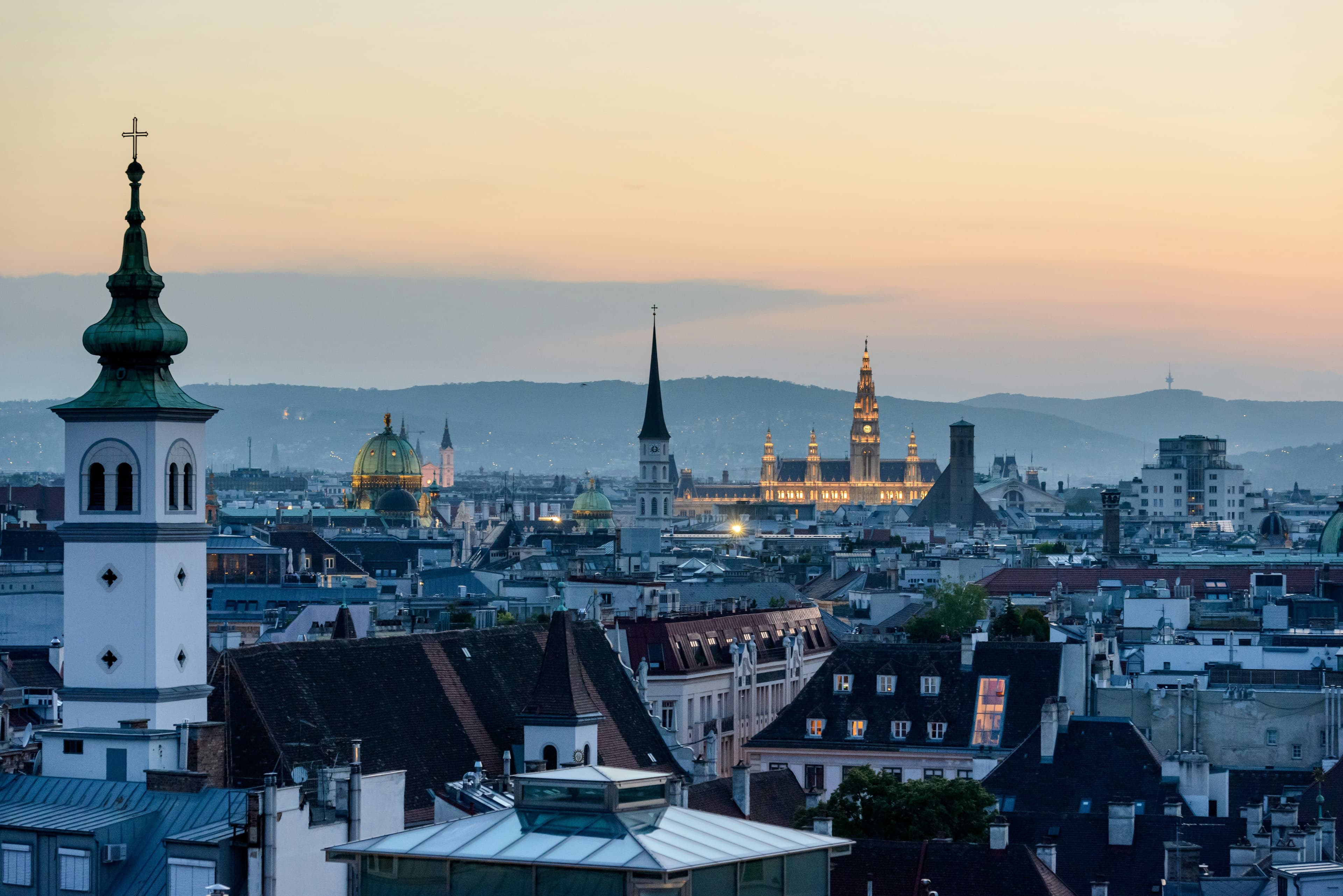
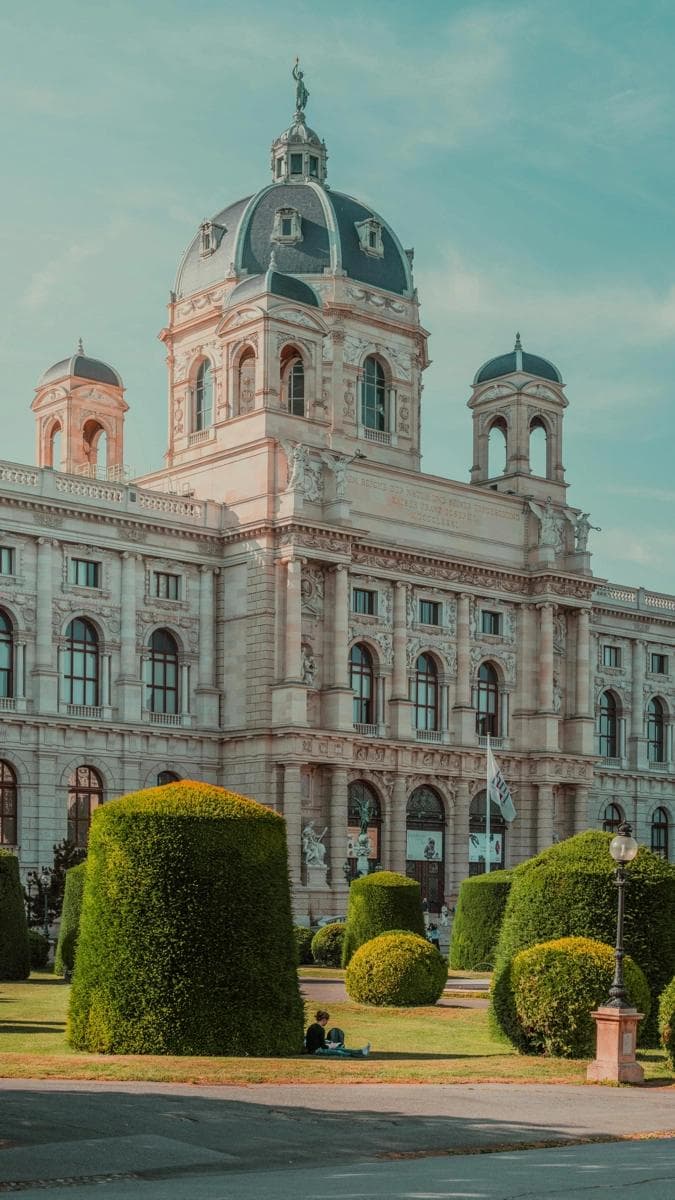
Most trips to Austria start in Vienna. When you arrive here, you’ll immediately notice how spacious everything is, with wide streets, grand buildings and cafés on almost every corner. As you walk through the centre, you’ll pass palaces and museums. Stops at Schönbrunn Palace or the Hofburg give you a good sense of the city’s history. Somewhere in the afternoon, you’ll probably end up sitting in a café, just watching the city move around you.
Salzburg
As you walk through Salzburg, you’ll notice how everything is closer together, which makes it easy to explore during a city break. Along the streets and squares, you’ll keep seeing the fortress above you, and those views never really get old.

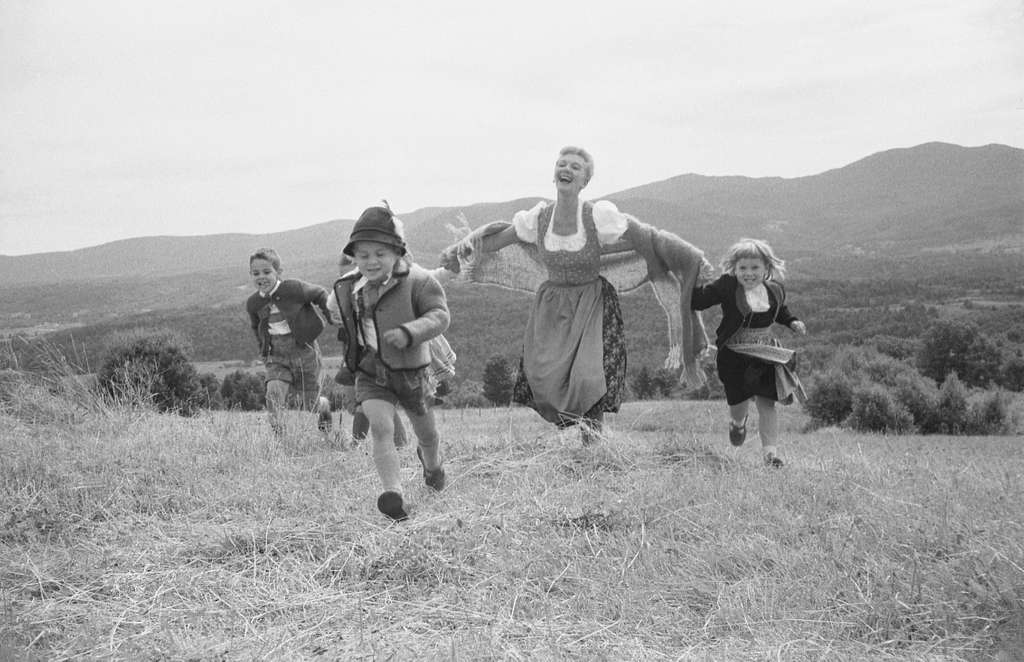
And did you know many scenes from the Sound of Music were filmed right here? As you walk through the city, you might even recognise a few spots. Around 2 to 3 days in Salzburg is enough to explore the centre.
Hallstatt and the Salzkammergut
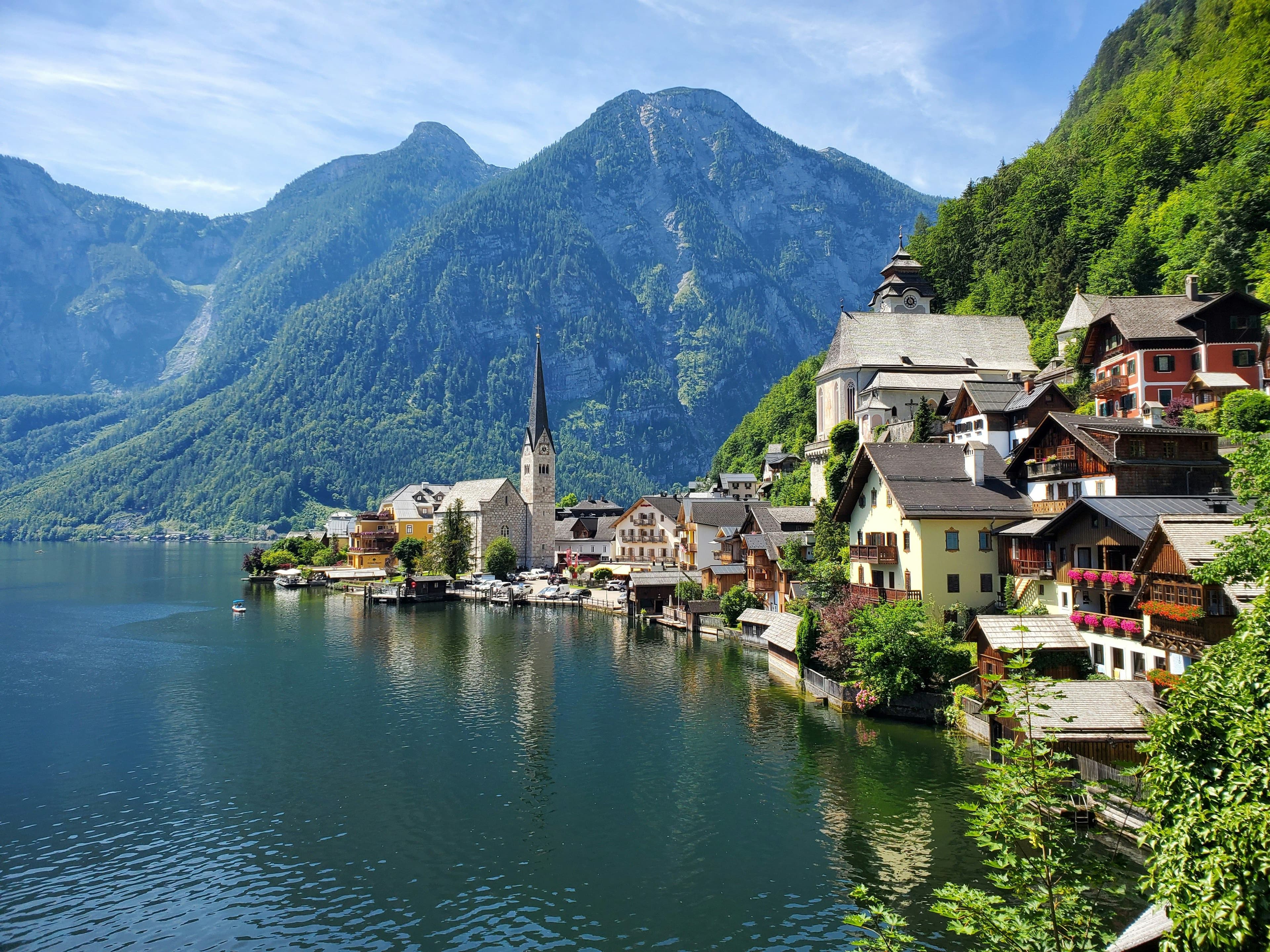
When you first see Hallstatt, you’ll probably recognise it straight away, because it looks exactly like the photos. Around the lake, reflections and mountain views turn it into one of the most well-known Austria tourist places, though there’s more to do here than just the main viewpoint. From the centre, you can take the funicular up to the Skywalk for a higher view over the village, or head into the salt mine where tours take you through tunnels deep inside the mountain. Along the water, a short boat ride gives you a completely different perspective back towards the colourful houses.
Innsbruck and Tyrol
As soon as you arrive in Innsbruck, you’ll notice how close the mountains are, almost like they’re part of the city itself. Within minutes, you can take the Nordkette cable car straight from the centre up into the mountains, where the view over the city and the valley opens up instantly. Around Innsbruck, the wider Tyrol region stretches out into valleys, smaller villages and hiking areas, which is where you go when you want more time in nature. Back in the old town, you’ll walk past colourful buildings and landmarks like the Golden Roof, with cafés and small streets all around you. Between Innsbruck and Tyrol, you’ll keep switching between city and mountains without needing long travel days.

Wachau Valley or Graz
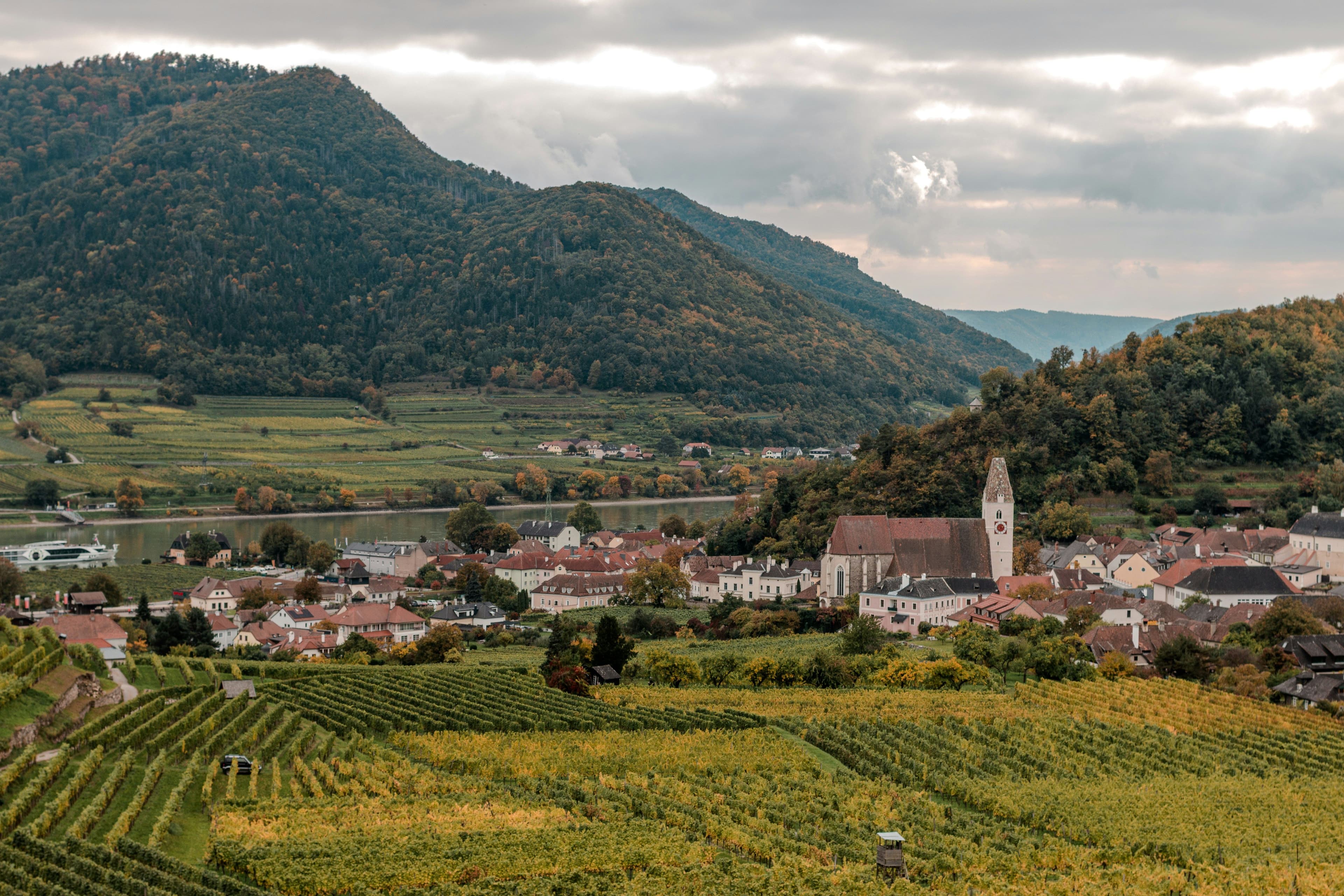
When you add a quieter stop, your whole trip starts to feel more relaxed. Along the river in the Wachau, you’ll pass vineyards and small towns that slow things down in a good way. In Graz, you’ll experience a different side of Austria with fewer visitors and a more local atmosphere.
Austria Travel Itinerary
We’ve put together a few Austria itineraries that connect the best places in a logical way, so you’re not spending your days moving between stops. Let’s take a look at what fits your time and how you can combine these places into one smooth trip.
5 to 7 day Austria itinerary
Day 1 to 2: Vienna, walk through the historic centre, visit Schönbrunn Palace and traditional cafés
Day 3 to 4: Salzburg, explore the old town and visit the fortress
Day 5: Hallstatt, visit the Skywalk and take a boat on the lake
Day 6 to 7: Innsbruck, walk through the old town and take the cable car up the mountain
10 to 14 day Austria travel itinerary
Day 1 to 3: Vienna, explore the historic centre, visit Schönbrunn Palace, relax in cafés
Day 4: Wachau Valley, drive along the Danube, stop in Dürnstein, enjoy river views
Day 5 to 6: Salzburg, walk through the old town, visit the fortress, spot SOUND OF MUSIC locations
Day 7: Hallstatt or lakes, visit the Skywalk, take a boat, explore the village
Day 8 to 10: Innsbruck or alpine region, explore the old town, take the cable car, enjoy mountain views
Day 11 to 12: Zell am See or Salzkammergut, relax by the lake, swim, take short walks
Day 13 to 14: Tyrol or return towards Vienna, drive through the mountains, revisit a favourite stop
Austria road trip idea
As you drive through Austria, you’ll notice how the journey itself becomes part of the experience. Between cities, you’ll pass lakes, mountain roads and smaller villages that you wouldn’t reach otherwise. With more freedom to stop wherever you want, your trip starts to feel more personal.
Day 1 to 2: Vienna
Day 3: Drive to Wachau Valley, continue to Salzburg
Day 4: Salzburg and surroundings
Day 5: Hallstatt and Salzkammergut
Day 6: Drive to Zell am See
Day 7 to 8: Innsbruck and Tyrol
Day 9: Return via mountain roads or continue further
Guided tip: Try planning your route in one direction, that way every day feels new instead of repeating the same roads.
Want more inspiration? Check out the following trips:
Things to do in Austria
Now that you know what places to visit during a trip to Austria, you can start looking into what activities you can do there. So what is there to do in Austria?
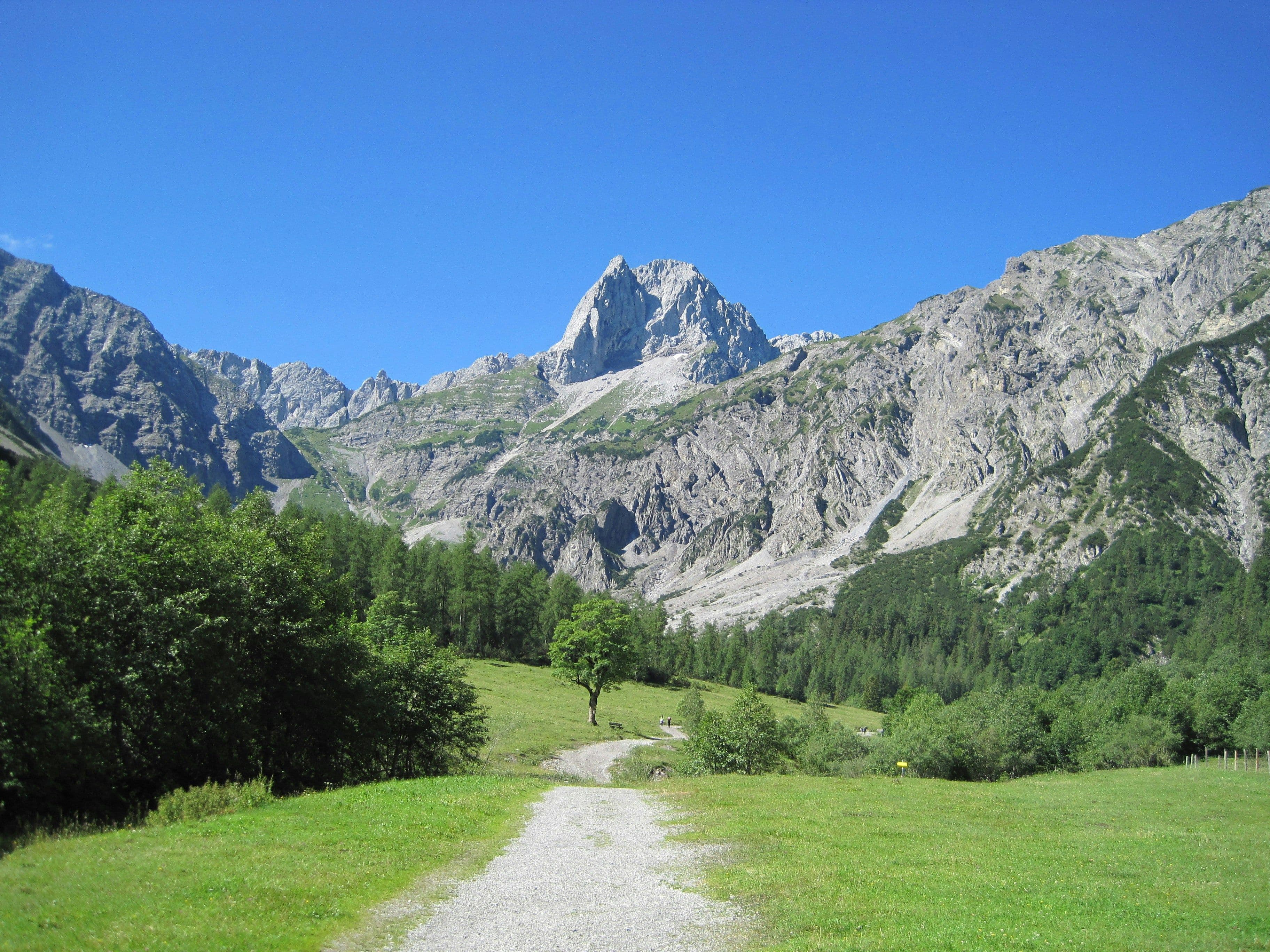
Experience the Alps around Innsbruck and Tyrol
Up in Innsbruck, you’re already close to the mountains without needing to go far, which makes it one of the easiest places to start. From the city, you take the Nordkette cable car and within minutes you’re standing high above everything, looking out over wide mountain views that don’t really compare to anything else on your trip. Many trails start right there, though even just walking around the top already gives you a lot. Around Tyrol, places like Seefeld or the Stubai Valley give you more options if you want to stay longer in the area.
Visit Hallstatt and explore the Salzkammergut lakes
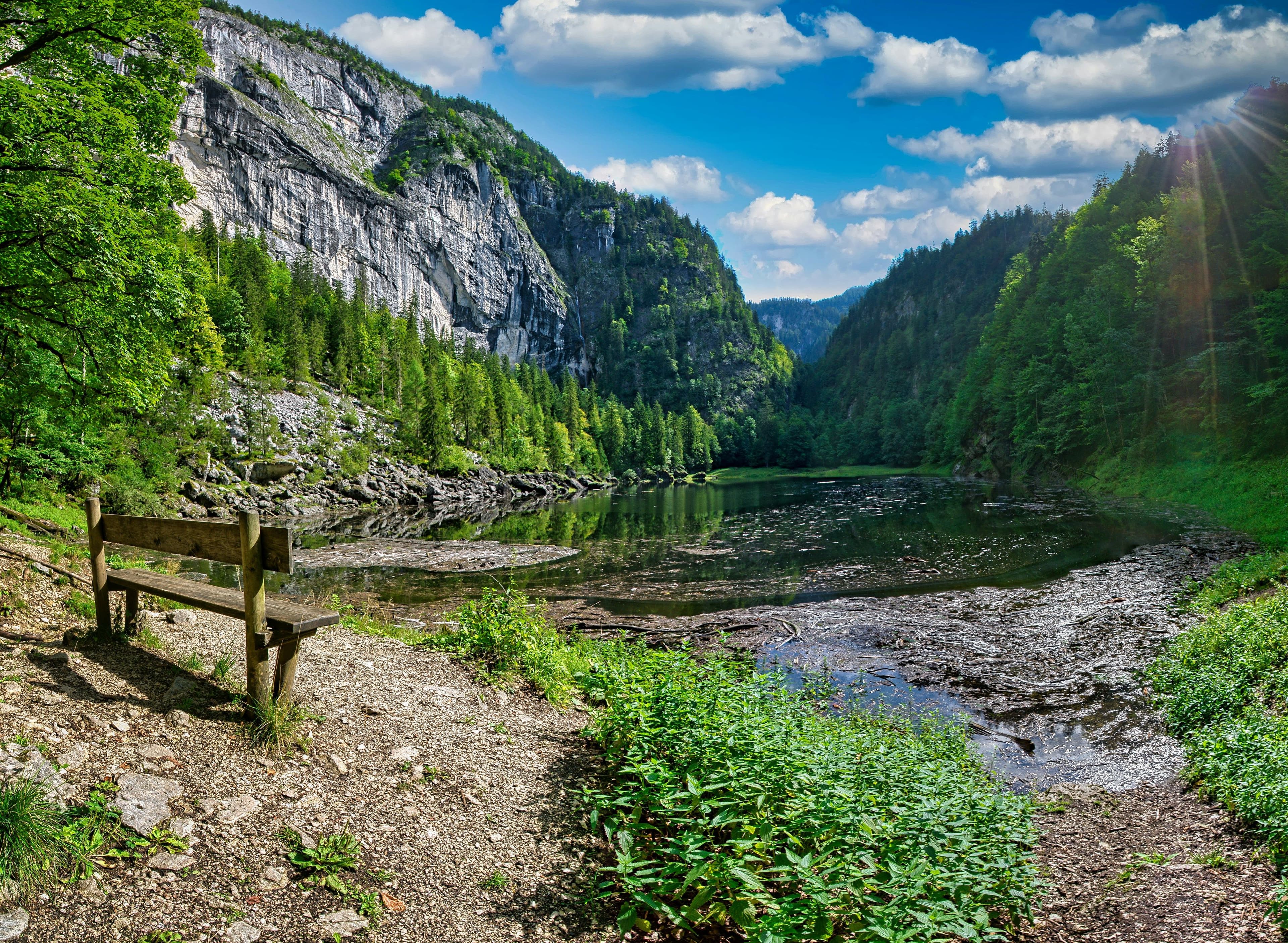
In Hallstatt, you walk straight into that classic view you’ve probably already seen before, though it hits differently when you’re actually there. From the main viewpoint, you head down into the village, then wander along the water where small corners keep showing up. Up above the village, the Skywalk gives you a completely different perspective, and it’s worth the short trip up. Around the lake, paths lead you to quieter spots if you keep walking just a bit further. Nearby, you can go to places like Gosausee, which give you even more space with clear views across the water and mountains.
Follow the Sound of Music route in and around Salzburg
Through Salzburg, you keep spotting details that link back to filming locations, and once you notice them, you can’t really ignore them anymore. With a sound of music tour, you visit places like Mirabell Gardens, the abbey at Nonnberg and the lake district just outside the city. Around the old town, narrow streets lead you past churches and squares that you probably didn’t plan to stop at.
Explore Eisriesenwelt ice caves near Werfen
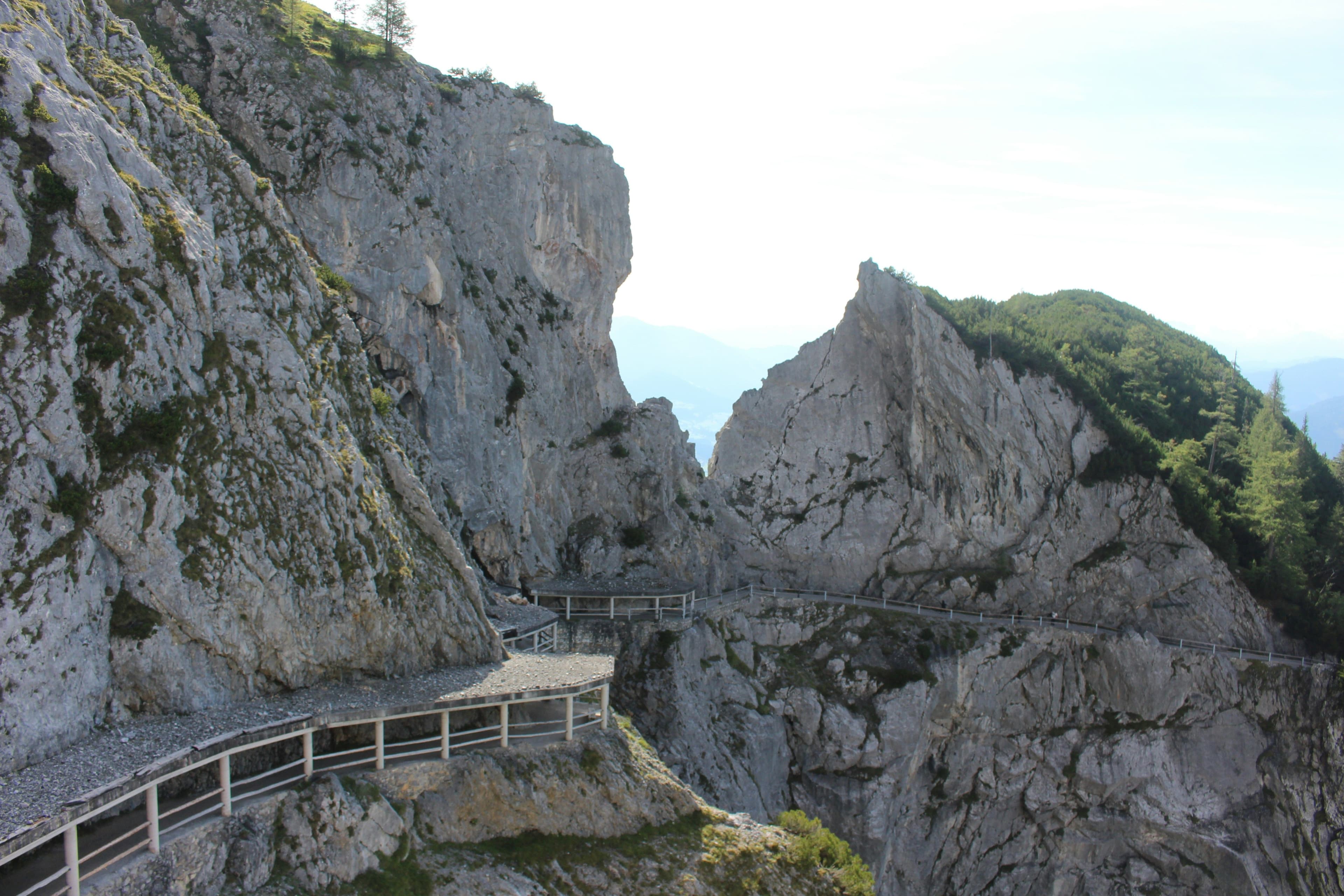
Near Werfen, you take a short hike and a cable car before reaching the entrance of Eisriesenwelt, one of the largest ice caves in Europe. Inside, the temperature drops immediately, and guided routes take you through chambers filled with ice formations that change shape depending on the light. Wooden steps and narrow paths lead you deeper into the cave, which makes the whole experience feel quite different from anything above ground.
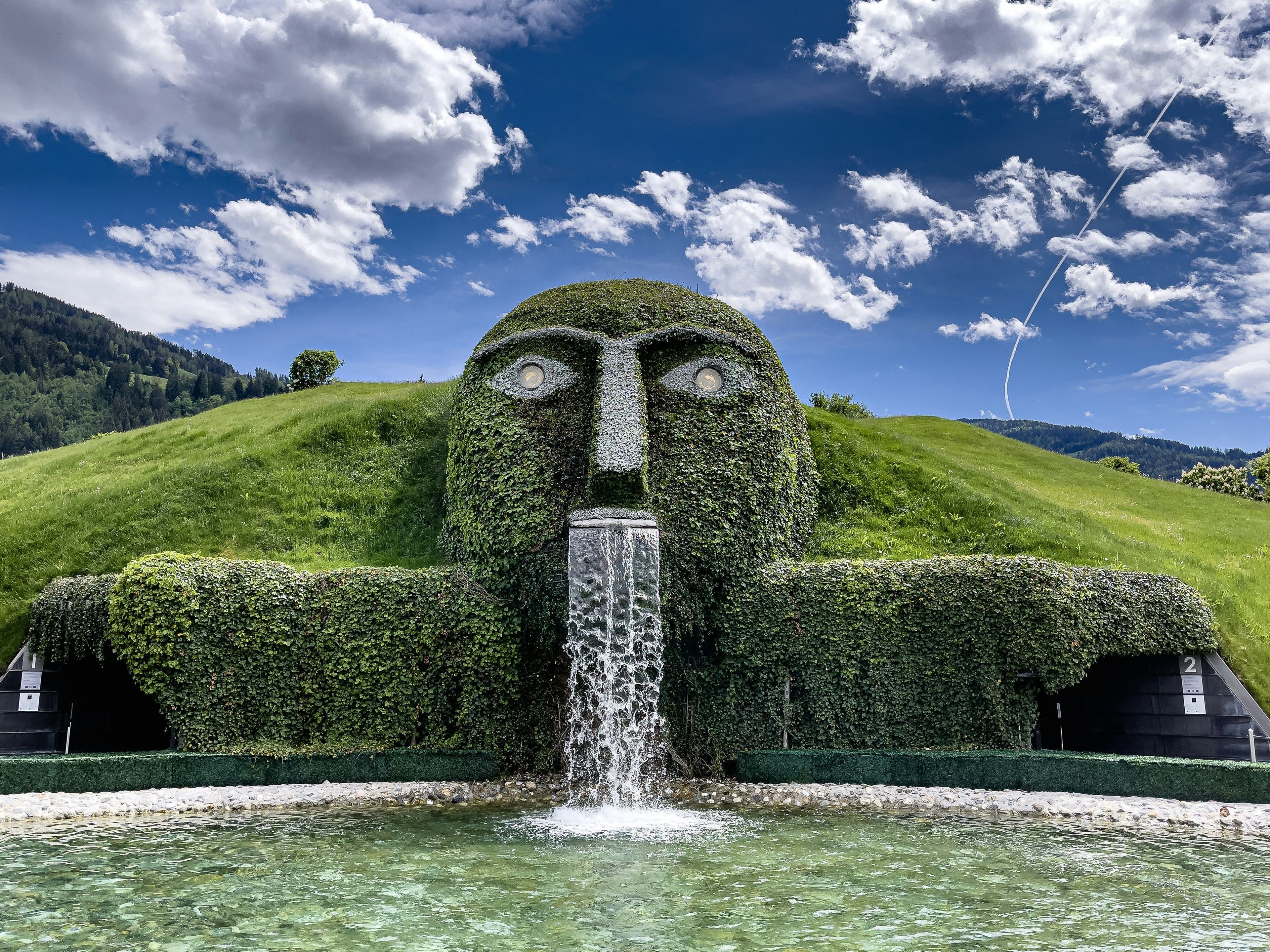
Visit Swarovski Crystal Worlds near Innsbruck
Just outside Innsbruck, you find swarovski crystal worlds, which is completely different from the rest of your trip. Inside, rooms are designed around light, reflections and installations that keep changing as you move through them. Outside, gardens and sculptures give you space to walk around before heading back. This works well as a half-day stop when you’re based in Innsbruck.
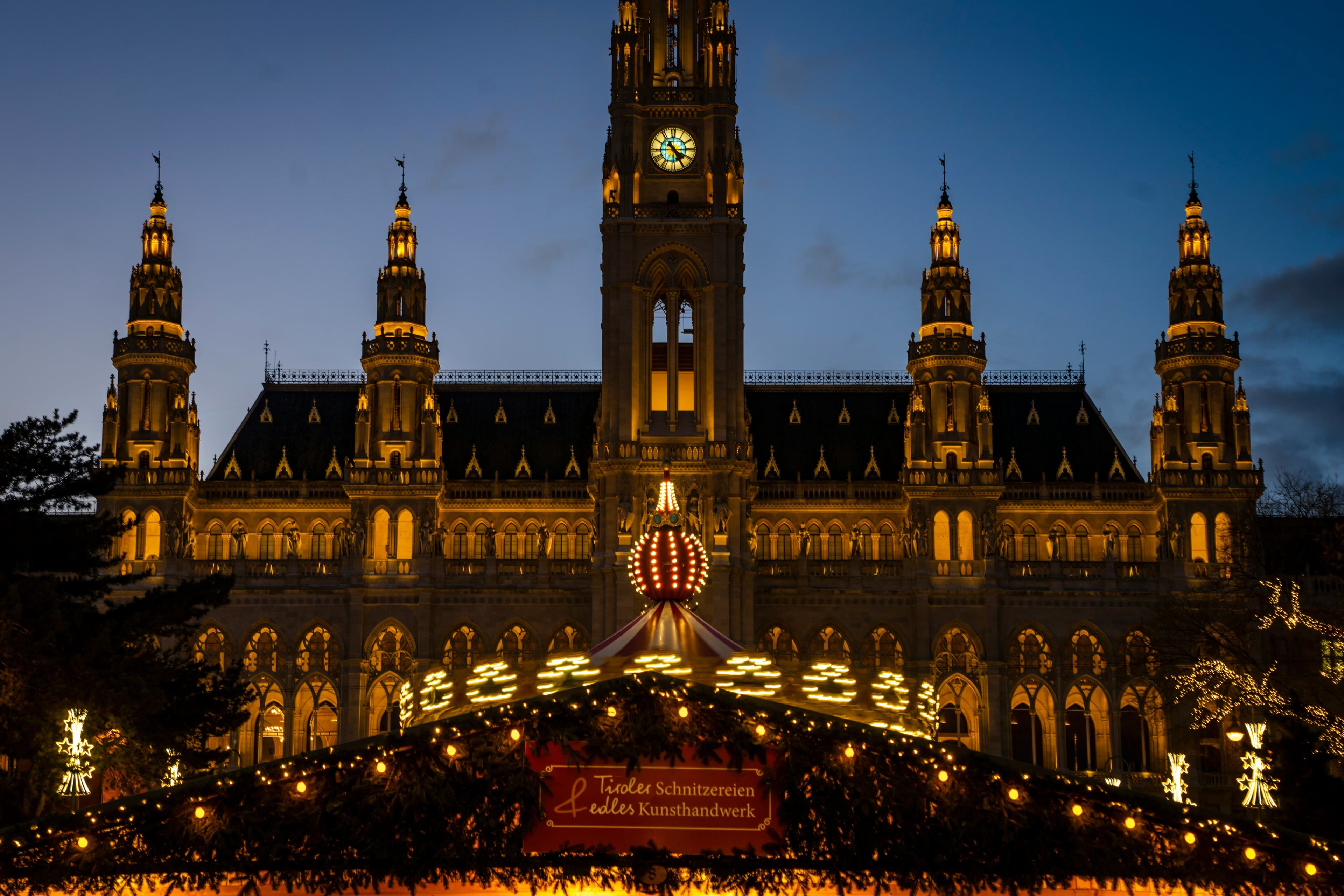
Go to Christmas markets in Vienna and Salzburg
During winter, you walk into squares filled with lights and wooden stalls, usually from mid-November until just after Christmas, and sometimes even into early January depending on the city. Around Vienna, markets pop up in places like Rathausplatz, Schönbrunn Palace and Belvedere, so you can easily move from one to another. In Salzburg, the market around the cathedral and Residenzplatz feels a bit more compact, yet still fun. At the stalls, you can buy things like handmade ornaments, candles, wool scarves and small gifts, along with food like sausages, roasted chestnuts and sweet pastries.
When to visit Austria
Between seasons, the same place gives you a completely different experience.
Winter: festive atmosphere, colder days and market visits
Spring: fewer people and softer temperatures
Summer: best period to visit in austria for lakes, hiking and longer days
Autumn: calmer travel days and changing colours
Not sure when to go? Take a look at our blog about the best time to visit Austria to find out when each season suits your trip best.

Did you know you can design your own trip?
Now that you have a better idea of the things to do in Austria, you can start shaping your own trip. Do you want to follow a classic route between Vienna, Salzburg and the Alps, or would you rather stay longer in one region and explore it in more detail? It’s all up to you. You can easily create your own trip in the Guided app for free, or use trips shared by others.
Where to stay in Austria?
Where you stay depends on what you want to see and do during your trip to Austria. Let’s look at what makes the most sense based on your interests.
Stay in Vienna for culture and historic streets
In Vienna, you walk out of your accommodation and straight into wide streets filled with museums, cafés and historic buildings. From one area to the next, everything connects easily, so you don’t need much planning. Your days fill up with small stops, coffee breaks and short walks between sights. Staying here works well at the start of your trip before moving on.
Stay in Salzburg for a compact and scenic base
In Salzburg, you notice how close everything is, which makes it easy to explore without using transport much. From the old town, you walk up towards viewpoints or head out of the city within a short time. The beautiful surroundings give you options for extra stops without needing long travel days. Staying here works well if you want both culture and nearby nature.
Stay in Tyrol or lake regions for nature
Around Tyrol or the lake regions, you spend most of your time outside without needing a full plan. From where you stay, you walk straight into trails, viewpoints and open surroundings that are already there. A base here makes your days more flexible, since you simply follow what looks good. Compared to the cities, everything feels a bit slower, in a good way.
Guided tip: Stay at least two nights in one place, that way you actually get to enjoy it instead of packing and moving every day.
How to plan your holidays to Austria
At some point you start thinking about the practical side, and that’s where your trip really comes together. Between transport, timing and route choices, a bit of preparation saves you a lot of time once you’re there.
Getting around Austria: trains, apps and route planners
Across the country, you’ll notice how easy it is to move between cities. With trains, you can easily travel between Vienna, Salzburg and Innsbruck. You can download tools like ÖBB Scotty to check routes in real time, including trains, buses and local transport. In Vienna, you can use WienMobil, which shows you how to get around quickly.
How many days do you need in Austria
With 4 or 5 days, you can focus on one or two cities and still get a good sense of the country. Around 7 days gives you enough time to connect Vienna, Salzburg and one nature stop without rushing. With 9 or 10 days, you add lakes, mountain regions and smaller places.
Fun local food to eat during your trip to Austria
At some point during your trip, food becomes part of the experience instead of just something you plan in between. Between cafés, markets and restaurants, you keep finding places that are worth stopping for.
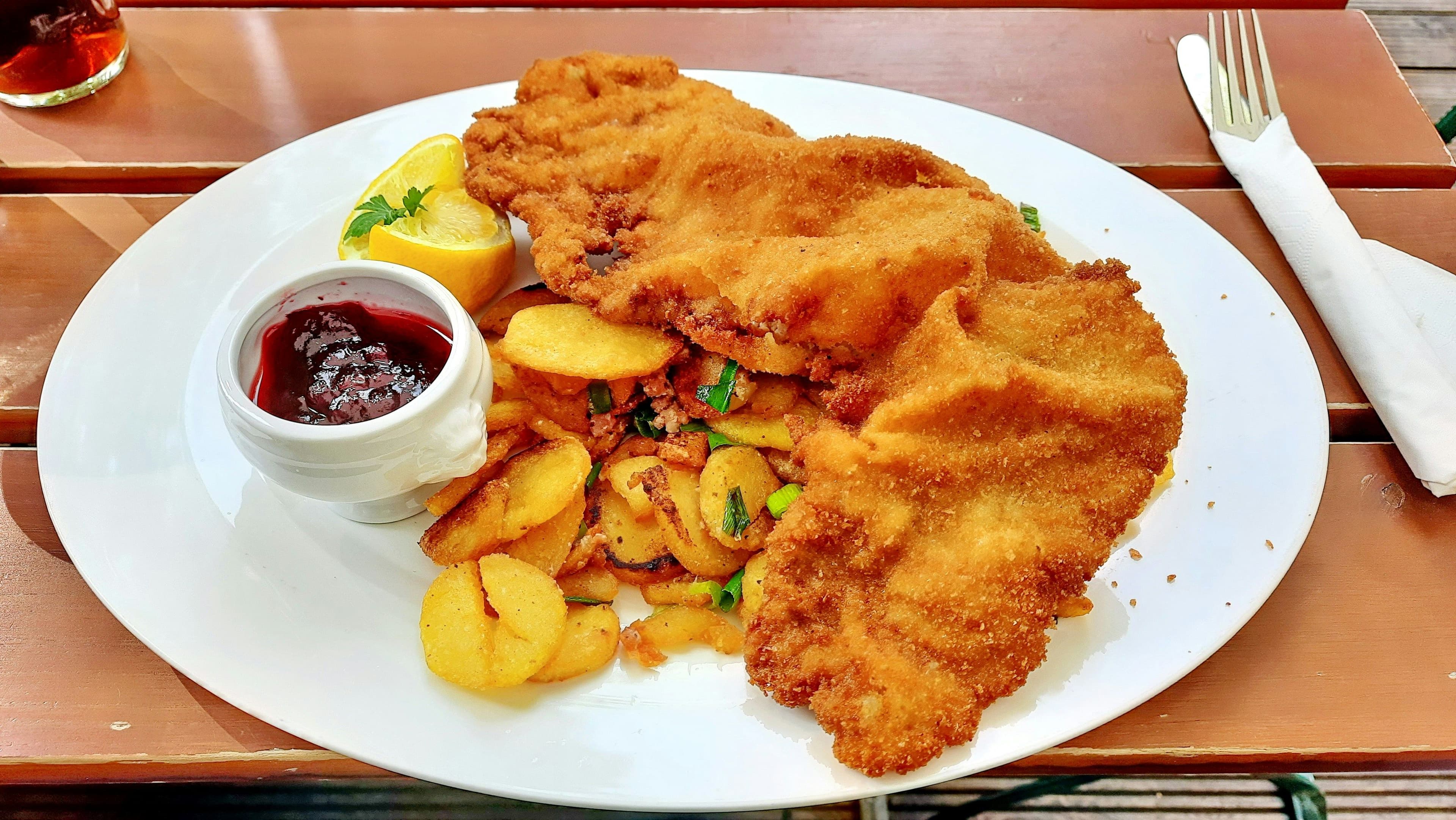
Wiener Schnitzel
Wiener Schnitzel shows up on almost every menu, and once it arrives at your table, you get why. A thin, golden crust with that crisp bite, served with simple sides like potato salad or a slice of lemon. ortions usually cover the entire plate, so sharing doesn’t feel like a bad idea at all.
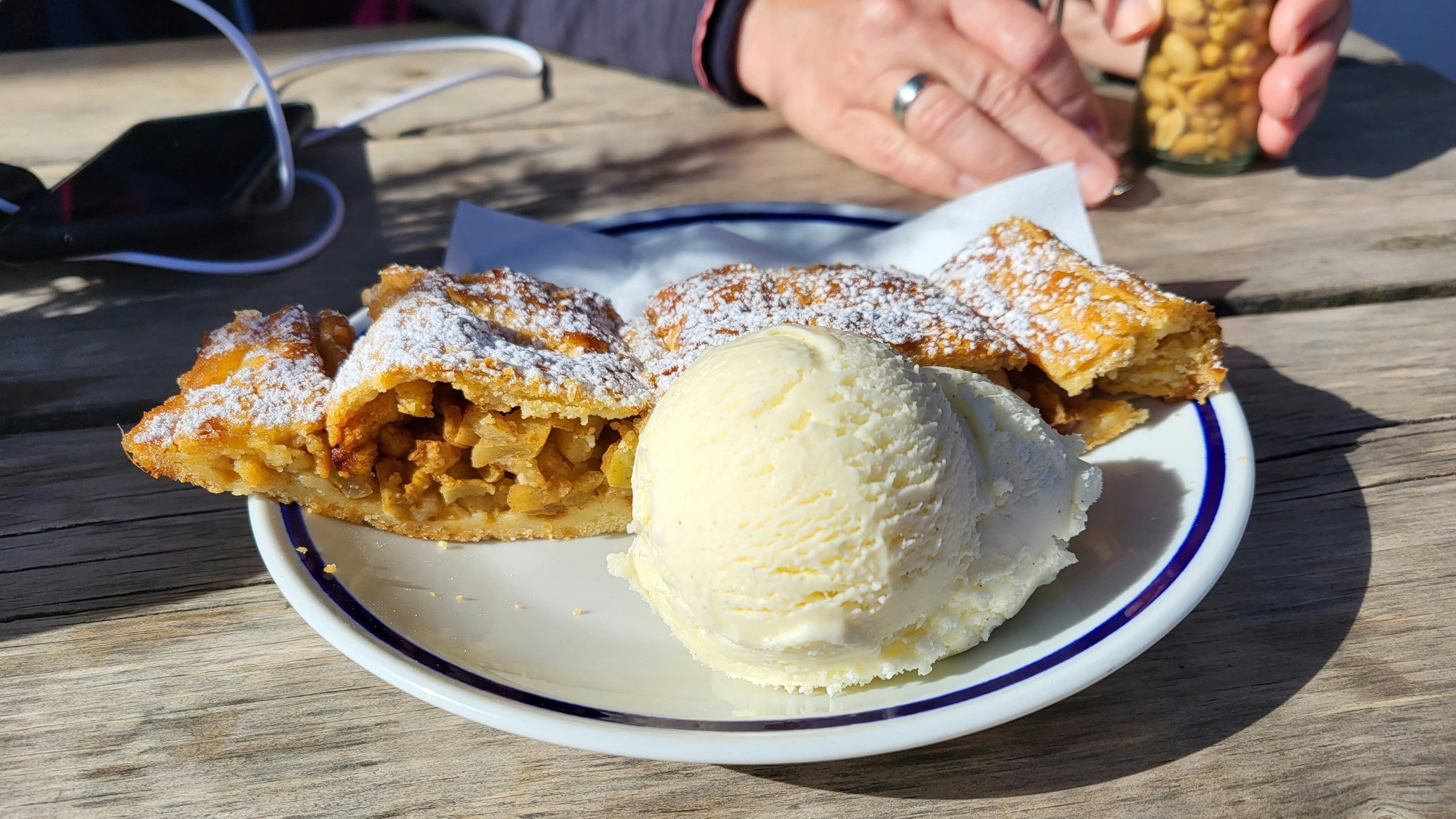
Apfelstrudel, Sachertorte and café stops
Late morning or mid-afternoon is when locals take their time in cafés, meeting friends or pausing their day with something sweet on the table. A slice of Apfelstrudel with warm apples and cinnamon, or a rich Sachertorte with a layer of apricot jam.
Austrian drinks and market food
During colder months, you walk through markets with a warm drink in your hand, usually from late afternoon into the evening. Mulled wine, hot chocolate and local drinks show up everywhere, alongside stalls selling sausages, pretzels and sweet pastries.

Culture in Austria: what you’ll notice along the way
Back in the Habsburg era, Vienna grew into one of Europe’s most powerful capitals, and you still see that in places like Schönbrunn Palace and the Hofburg, where emperors once lived and ruled. Across those buildings, rooms, courtyards and collections give you a clear picture of how life looked during that time.
Through the 18th and 19th centuries, composers like Mozart, Beethoven and Strauss shaped what became a strong classical music tradition, and you still hear that influence in concert halls and smaller performances today.
Looking for more unique places, trips and activities?
Subscribe to our Guided Newsletter for more travel inspiration.
Costs of trips to Austria
Wondering what you’ll actually spend day to day? We’ve broken down the main costs to help you plan your trip.
Food & Drink

Coffee
€3 – €5
Lunch
€12 – €20
Beer
€4 – €7
Accommodation

Hotels
€100 – €220
Airbnb
€80 – €180
Hostel dorm
€25 – €50
Transport

Trains
€20 – €80
Public Transport
€2.50 – €5
Car Rental
€50 – €120
Attractions

Museums
€10 – €20
Big Attractions
€15 – €35
Theatre
€30 – €100
Fun facts about Austria
Austria is full of small details you don’t always expect before arriving, and a lot of them you’ll actually notice during your trip.
Vienna has a coffeehouse culture where people sit for hours
Salzburg is closely linked to Mozart, and you’ll see references to him throughout the city
Austria has thousands of kilometres of hiking trails across its mountain regions
Hallstatt is one of the most photographed villages in Europe
Austria has more than 400 ski resorts, which makes it a great winter destination
Tap water in Austria comes straight from mountain sources and is drinkable everywhere
Some of these moments will likely become part of your own trip along the way. Austria stands out in its own way, with days that keep changing between cities, mountains and lakes, each bringing something different. So Austria is the perfect destination if you like variety, short travel distances and a mix of culture and nature in one trip.
Ready to map out your trip to Austria?
We hope this Austria travel guide has given you a clear starting point for your trip. Stay tuned for more inspiration, itineraries and practical tips to help you shape your perfect Austria trip. And don’t forget to check out our Guided app, where you can create your own trip or use trips shared by other travellers for free.
FAQS about trips to Austria
- What is there to do in Austria
During your trip, you can explore cities like Vienna and Salzburg, visit lakes such as Hallstatt, and spend time in the Alps for hiking or viewpoints. A mix of culture and nature keeps your days varied without needing long travel distances.
- What is Austria known for
- How many days do you need in Austria
- Do you need a car in Austria
- Is Austria worth visiting for a short trip