The best time of year to visit Chile for patagonia, deserts and wine regions
By Eva Alkemade
May 26, 2026
Parts of the Atacama Desert sometimes go years without rainfall, yet further south inside Patagonia, you can experience strong winds, icy temperatures and huge glaciers. Late evenings around Santiago can still stay warm enough for outdoor dinners in summer, meanwhile winter brings ski slopes back to life only a short drive from the city. Because temperatures and conditions change so much between regions, finding the best time of year to visit Chile depends entirely on what kind of trip you want. So read on to find out when to visit Patagonia, the Atacama Desert, wine regions, national parks and more.
When is the best time to visit Chile?
Across the year, Chile changes a lot depending on where you go and what kind of trip you want. Around Patagonia, summer works completely differently compared to the Atacama Desert or cities near Santiago, so the best time to go to Chile really depends on what you want your days to look like.
Best overall period: October to November, great for Patagonia, road trips, wine regions and fewer tourists
Still a really good option: March to April, cooler air, wine harvest season and calmer national parks
More intense months: December to February, warmer temperatures, longer hiking days and busier hotels during high season
You’ll also notice temperatures changing surprisingly fast between regions. Around the north, desert heat can stay strong in the afternoon, then only a few days later you could be standing near glaciers and freezing winds down in southern Patagonia.
What are Chile’s climate and seasons like?
Did you know parts of the Atacama Desert sometimes go years without rain, yet only a few days later you could be standing near glaciers and snow covered mountains down in Patagonia? Chile changes that much from north to south. In Santiago, summer evenings stay warm long after sunset, though much further south, freezing winds and sudden rain can completely change your day within an hour.
Summer in Chile: December to February
In summer, you get the warmest weather across most of the country. You can stay outside much longer around Santiago in the evening because temperatures stay warm late into the night, and down in Patagonia, hiking trails fully reopen again.
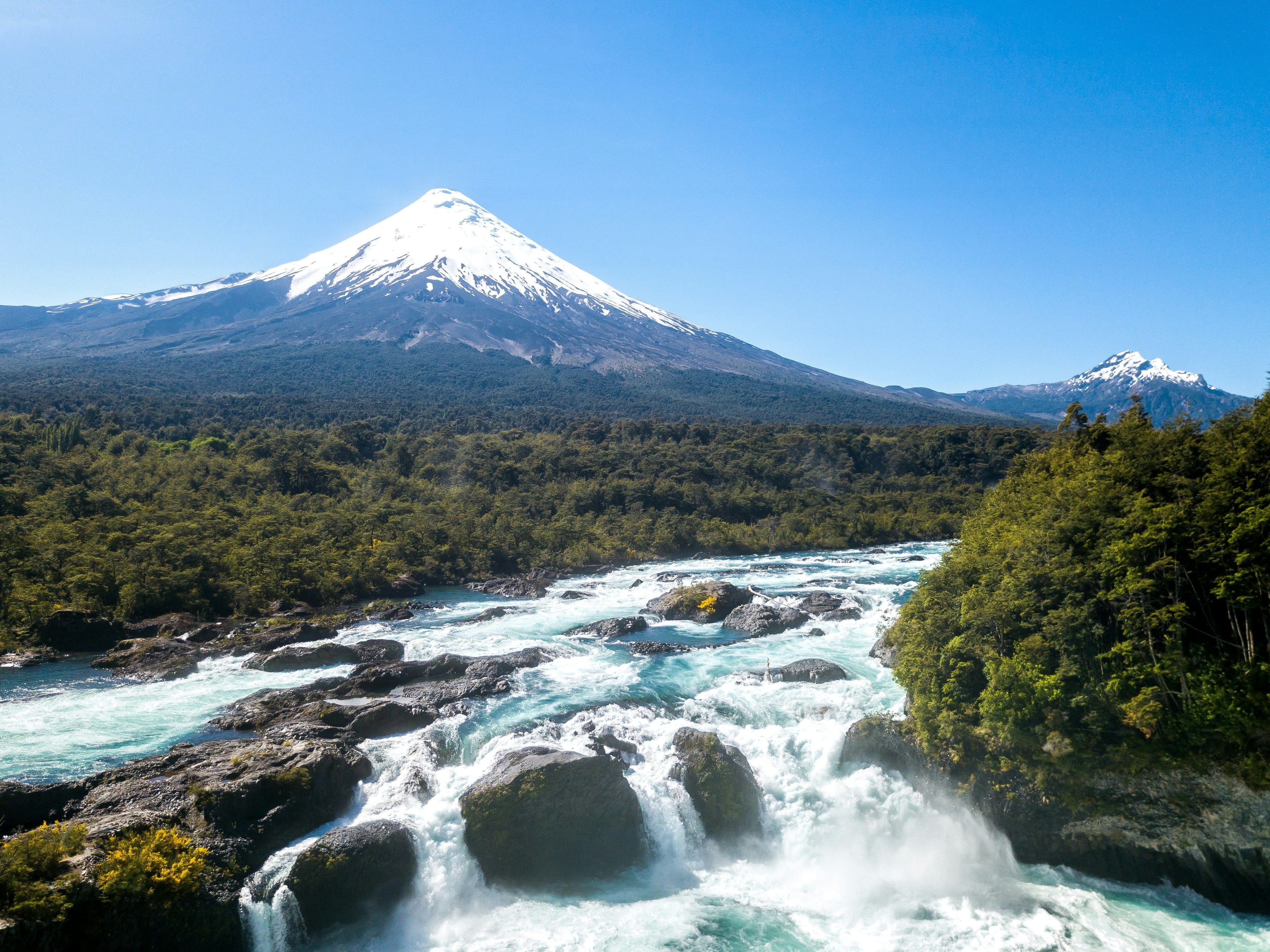
You’ll also notice this is the busiest period for southern Chile. Near national parks and glacier regions, hotels fill up quickly because the weather in Chile in January works best for hiking and road trips. In northern Chile though, desert temperatures can become surprisingly hot in the afternoon.
Autumn in Chile: March to May
By March, things start calming down again after summer. Cooler air slowly arrives around Patagonia and the Lake District, vineyard regions start harvest season and roads through southern Chile become less busy.
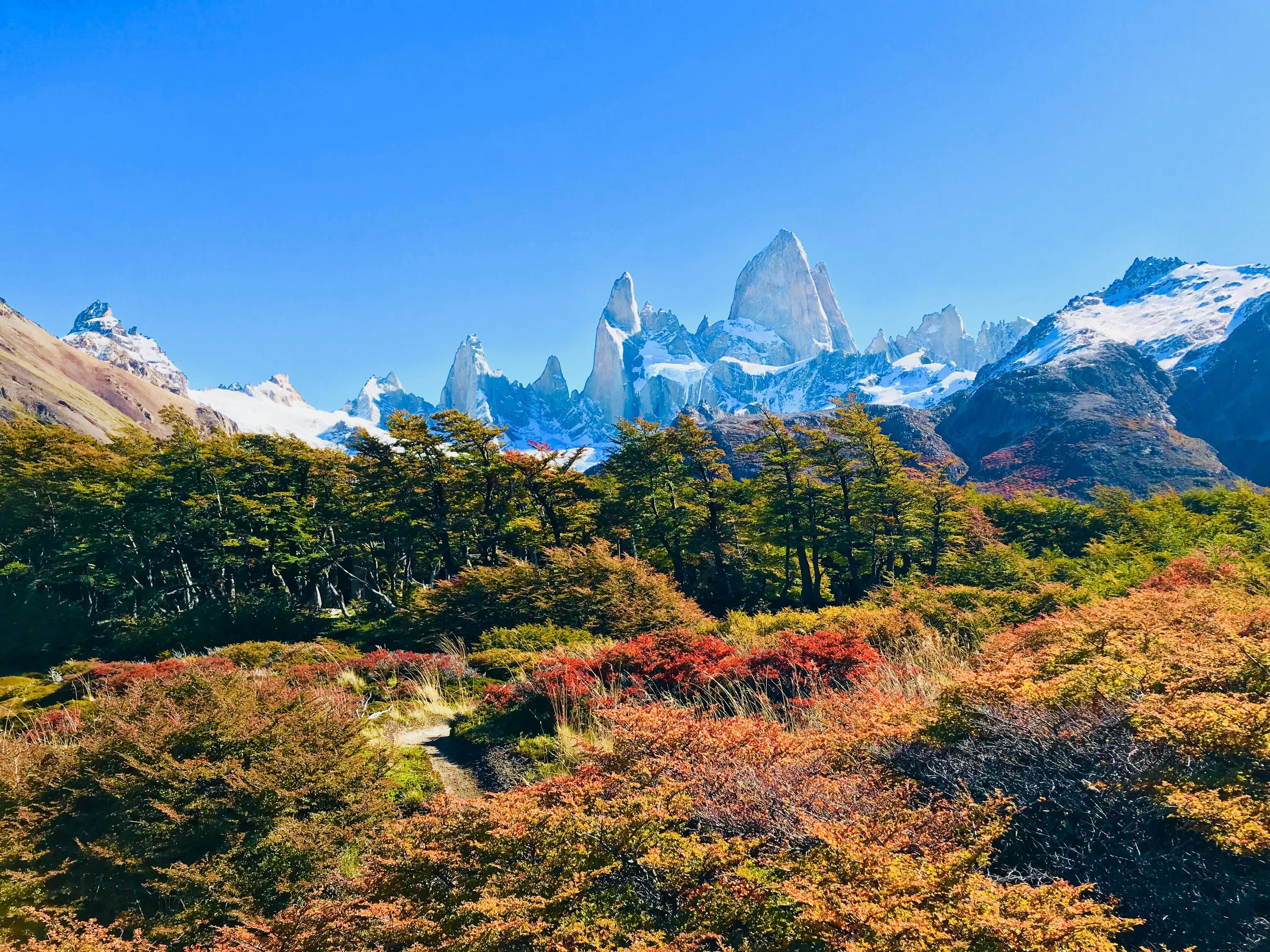
You also get a really nice mix during this period because temperatures still stay comfortable across large parts of the country. The weather in Chile in March still works really well for hiking, though evenings become much colder once the sun disappears.
Winter in Chile: June to August
Around winter, Chile changes completely again. Snow starts covering the Andes, ski resorts reopen near Santiago and mountain roads near southern Chile can become much harder to drive.
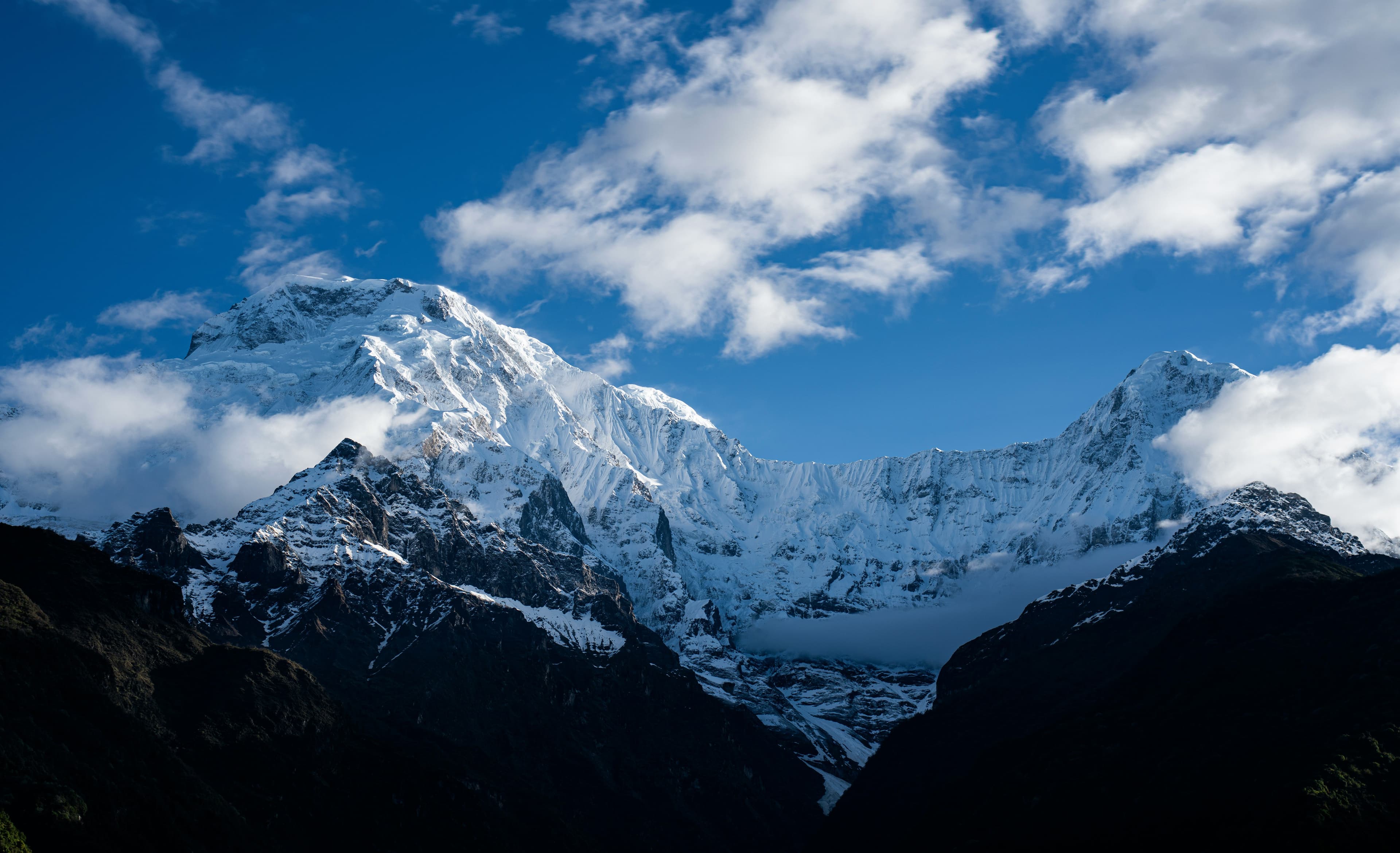
You’ll still get dry weather around the Atacama Desert though, which surprises a lot of people. In Chile, the temperature in August can easily drop below freezing at night in ski regions.
Spring in Chile: September to November
After winter, Patagonia slowly starts reopening again. You can still see snow on mountain peaks, though hiking lodges and national parks become easier to access in October.
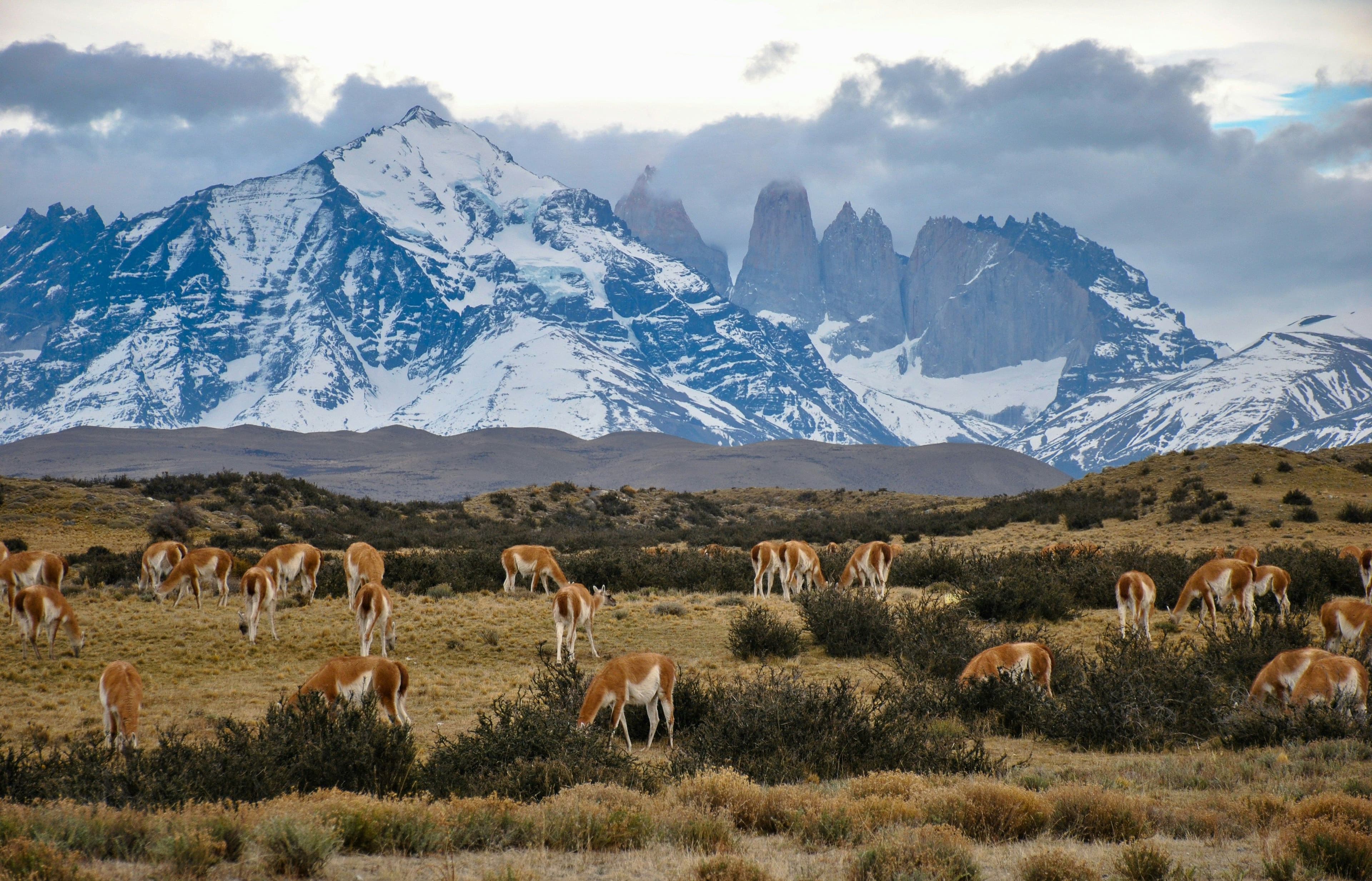
You also avoid the busiest summer period in spring. In Chile in October the weather usually brings mild temperatures and clearer skies, which works really nicely for road trips through central Chile, Santiago and wine regions.
Guided tip: March, April, October and November usually work best if you like hiking, cities and wine regions during the same trip.
Chile weather by month
During the same trip, you can leave desert heat behind in northern Chile and run into freezing winds near Patagonia only a few days later, so the best time to travel to Chile depends on what kind of temperatures you’re comfortable with.
Spring: 12°C to 22°C, greener national parks, wildflowers and great hiking weather
Summer: 24°C to 32°C, good for hiking in Patagonia and warmer evenings in Santiago
Autumn: 10°C to 22°C, cooler air, vineyard harvest season and orange forests in the south
Winter: -2°C to 12°C, snow in the Andes, skiing in Santiago and clear desert skies in the north
Best time to visit Patagonia and Torres del Paine
Down in Patagonia, weather changes really fast. You can start your hike wearing a T shirt under blue skies, then a few hours later you suddenly need your coat because freezing winds and rain move in.
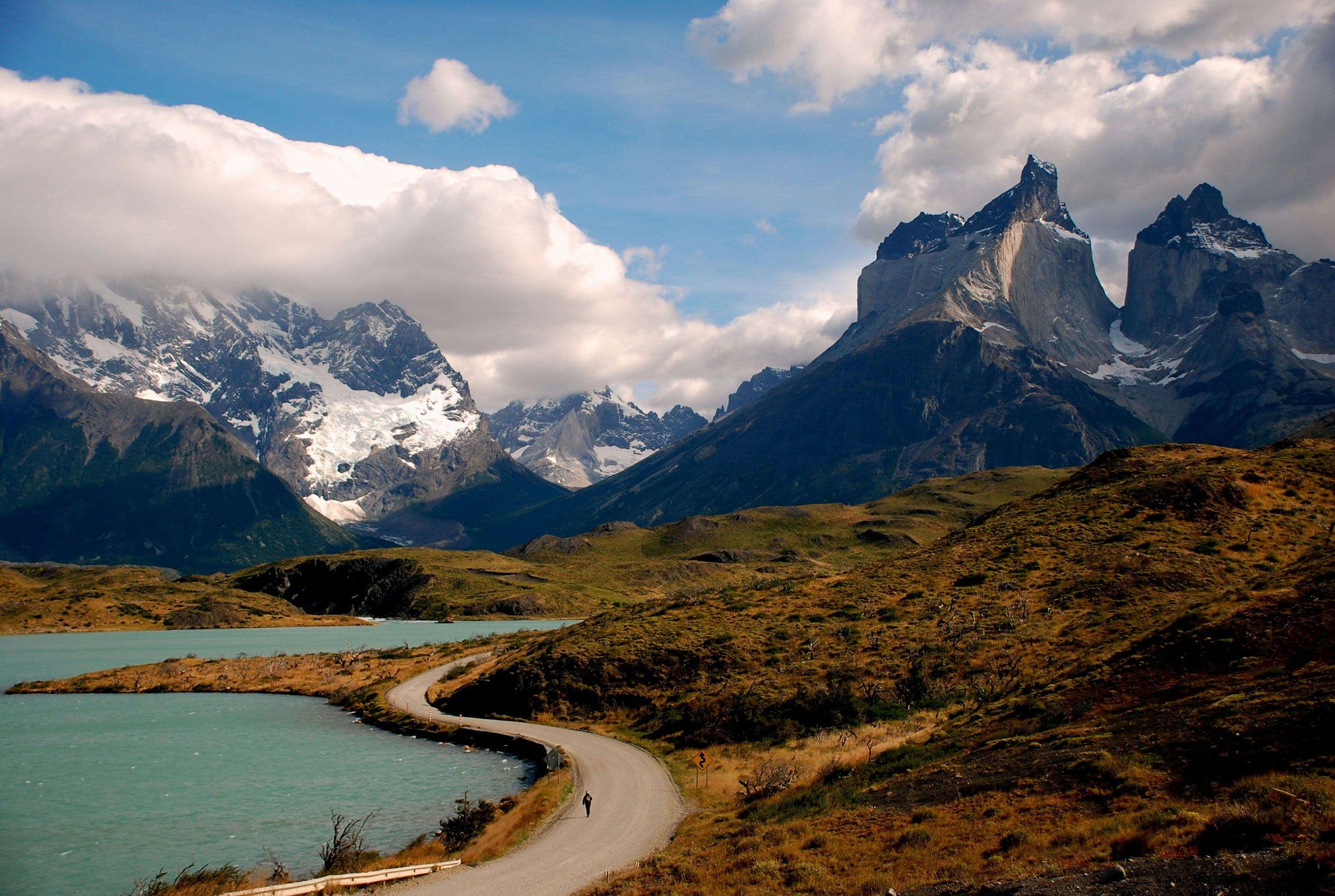
Best months for hiking in Torres del Paine National Park
From October until March, hiking conditions around Torres del Paine National Park stay at their best. Longer daylight hours give you much more time outside, glacier viewpoints become easier to reach and famous routes like the W Trek fully reopen again.
You’ll still need proper layers though because Patagonia weather stays unpredictable even in summer. Around January and February, stronger winds become much more common in the afternoon, mainly near exposed mountain sections.
Patagonia during shoulder season
Around March and April, Patagonia becomes much calmer after summer. Forests near the Lake District start turning orange and yellow, temperatures cool down and hiking trails become less busy compared to January.
Spring also works really nicely here. Near October and November, snow still covers parts of the mountains, though hiking routes slowly reopen and daylight hours become much longer again.
Visiting Patagonia in winter
In winter, huge parts of Patagonia become far colder and snowier. Some campsites and lodges close temporarily because weather conditions become much harsher around remote areas.
You still can visit Patagonia during this period though. Snow covered mountains, frozen lakes and winter wildlife tours give southern Chile a completely different side compared to summer hiking season.
Best time to visit the Atacama Desert
Very few places on Earth look like this. Salt flats, volcanoes, red rock valleys and skies so clear that some of the biggest observatories on the planet were built here. All because rainfall almost never arrives in parts of northern Chile.
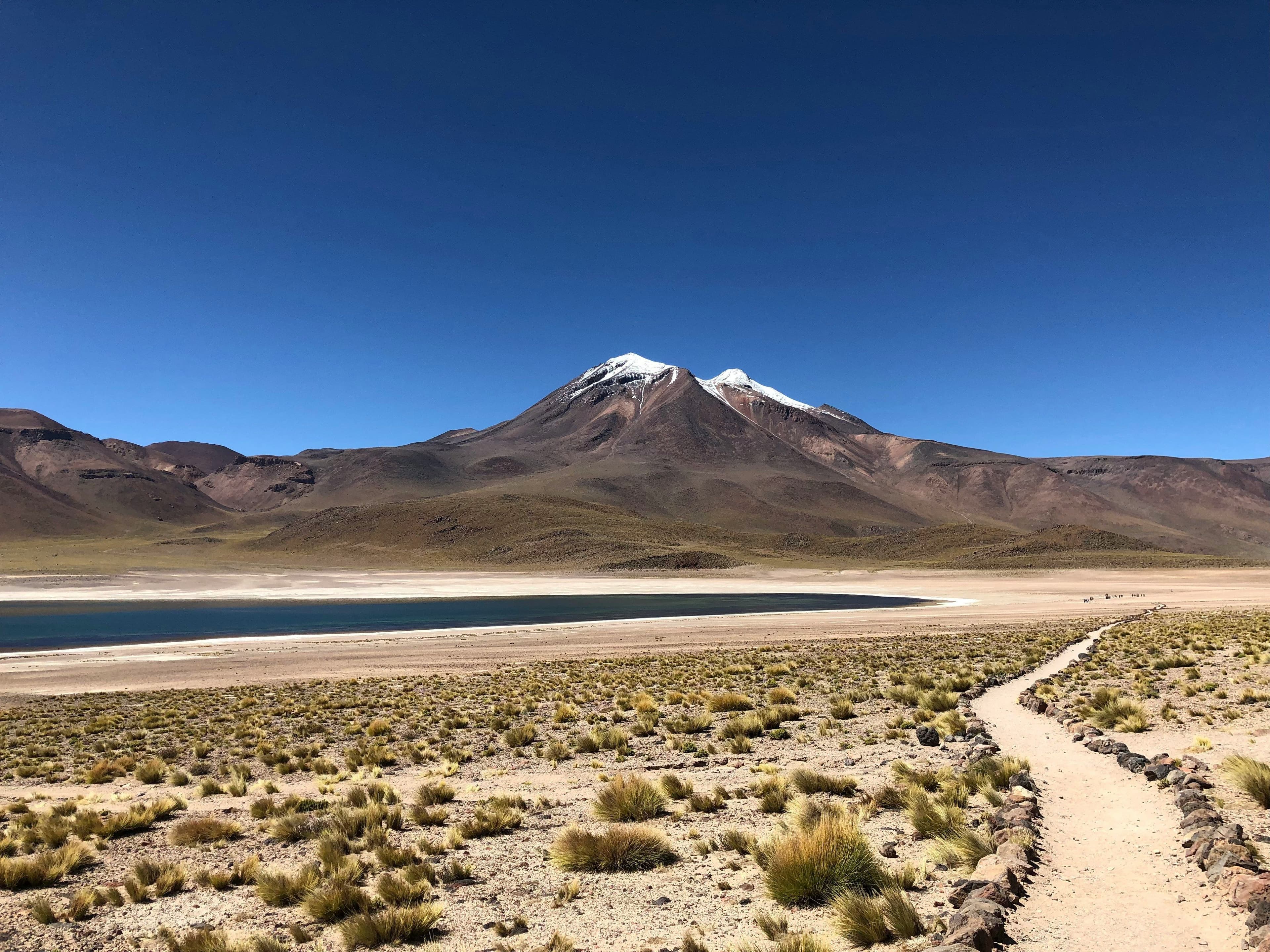
Best months for stargazing
Cold desert air and almost zero humidity make winter one of the best periods for astronomy in northern Chile. You get incredibly clear skies during June and July, mainly far away from towns and roads.
You also notice temperatures dropping very quickly after sunset. Daytime heat can still stay strong, though desert nights become surprisingly cold once darkness arrives across the Atacama Desert.
Visiting the salt flats and lagoons
Milder temperatures work much better for longer outdoor days near lagoons and volcanic regions. September and October or March and April usually give you more comfortable conditions for road trips through northern Chile.
Summer weather in Atacama
January and February bring hotter days across northern Chile. Afternoon rainstorms can also appear during this period because of seasonal weather systems moving down from the Andes. Near desert valleys and volcanoes, temperatures stay high during the afternoon, though evenings cool down much faster after sunset.
Best time to visit Santiago and Central Chile
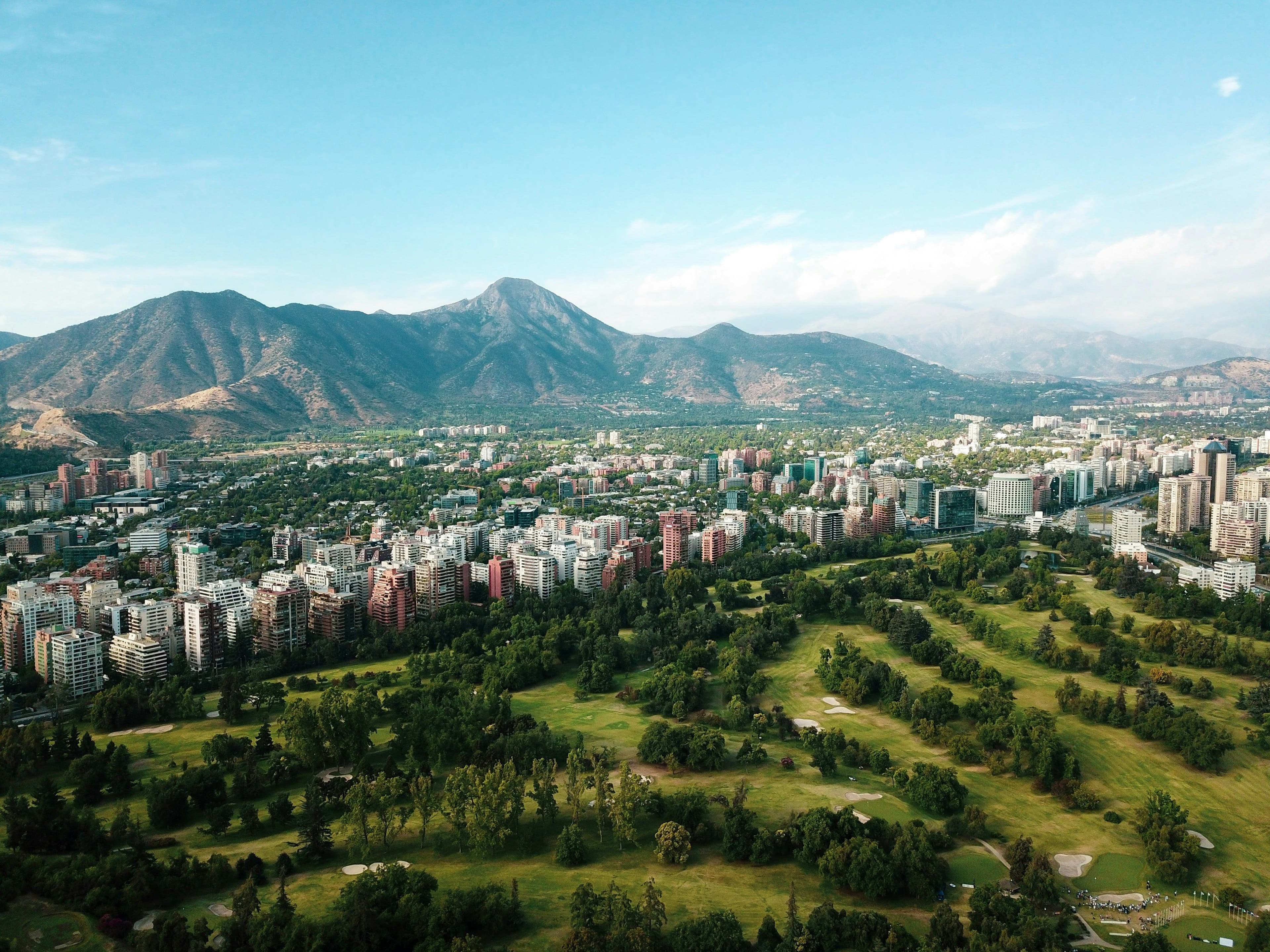
Vineyards, coastal cities, mountain roads and warmer evenings give this part of the country a much softer climate compared to Patagonia or the northern desert. So what is the best month to visit Chile’s central region?
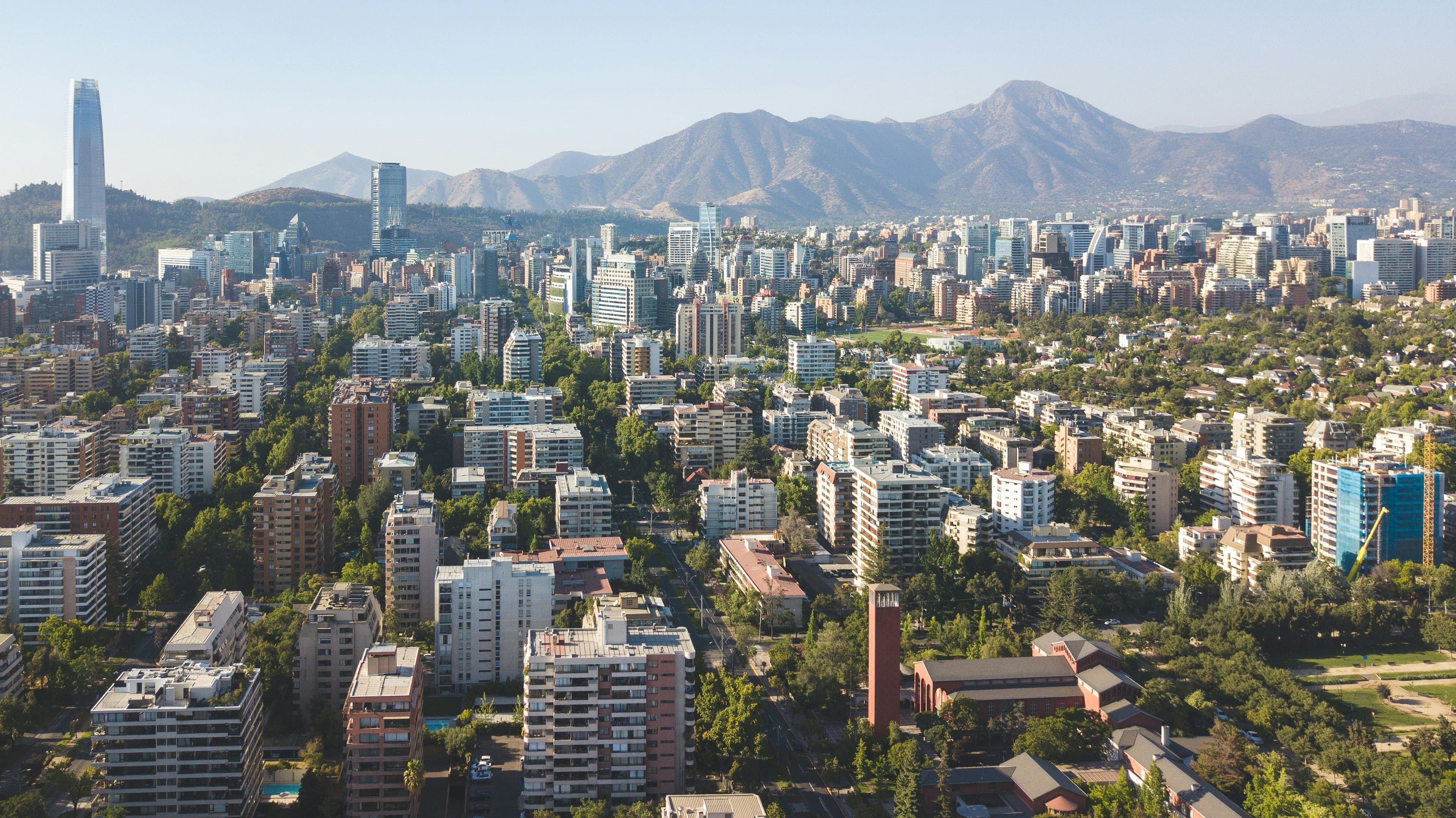
Visiting Santiago in summer
Hot temperatures arrive during December, January and February. Rooftop restaurants stay busy late into the evening because summer nights remain warm for much longer compared to mountain regions further south.
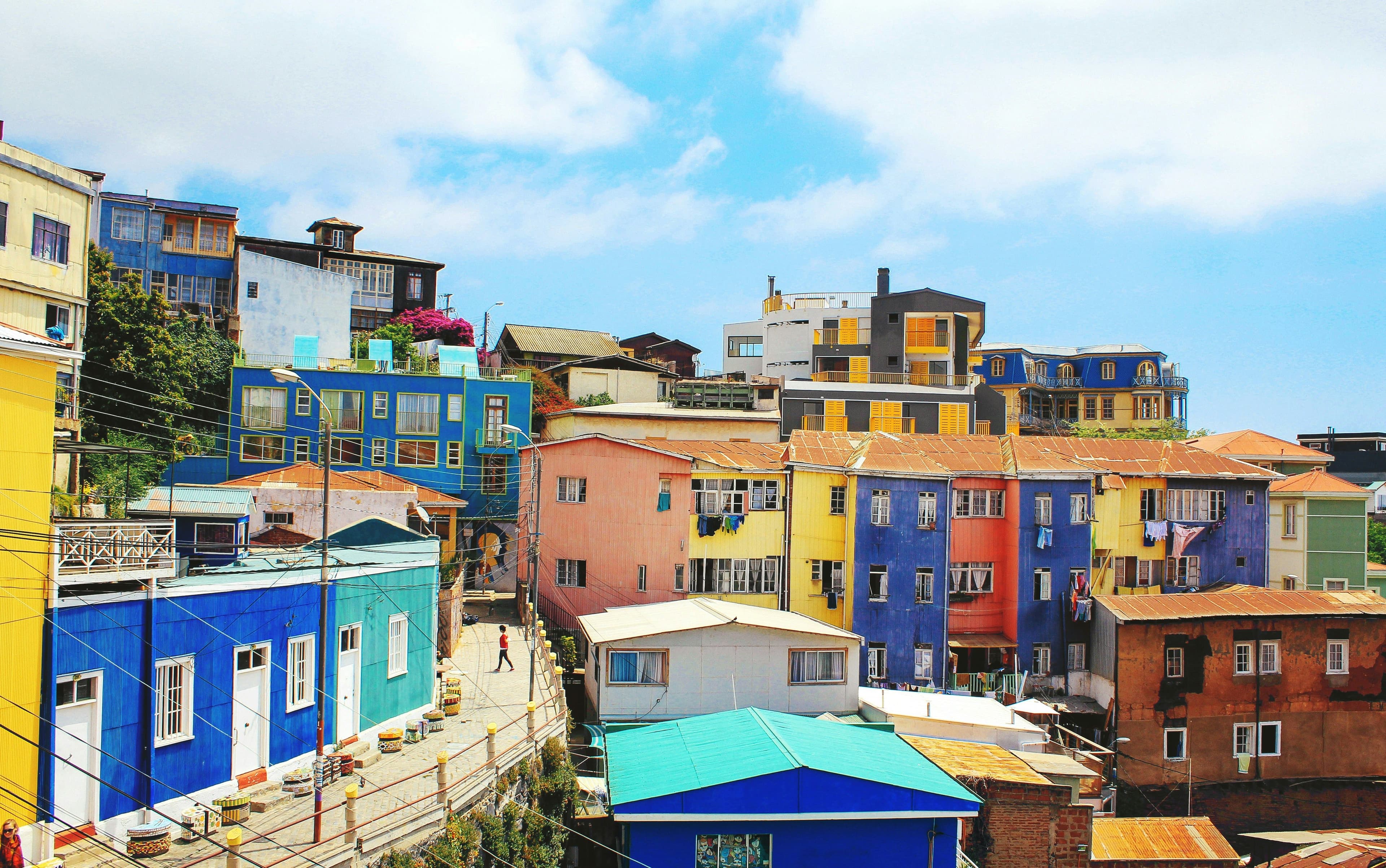
You also get very dry weather during summer near Santiago. Coastal places like Valparaíso and Viña del Mar become popular day trips once city temperatures climb higher during the afternoon.
Wine regions and harvest season
March and April bring grape harvest season across vineyards near Santiago. Cooler evenings return, vineyards become far greener and local celebrations start appearing throughout Central Chile.
You also get one of the nicest road trip periods during these months. Vineyards near the central valleys stay active with tastings and harvest events, though temperatures remain much softer compared to peak summer.
Winter ski season near Santiago
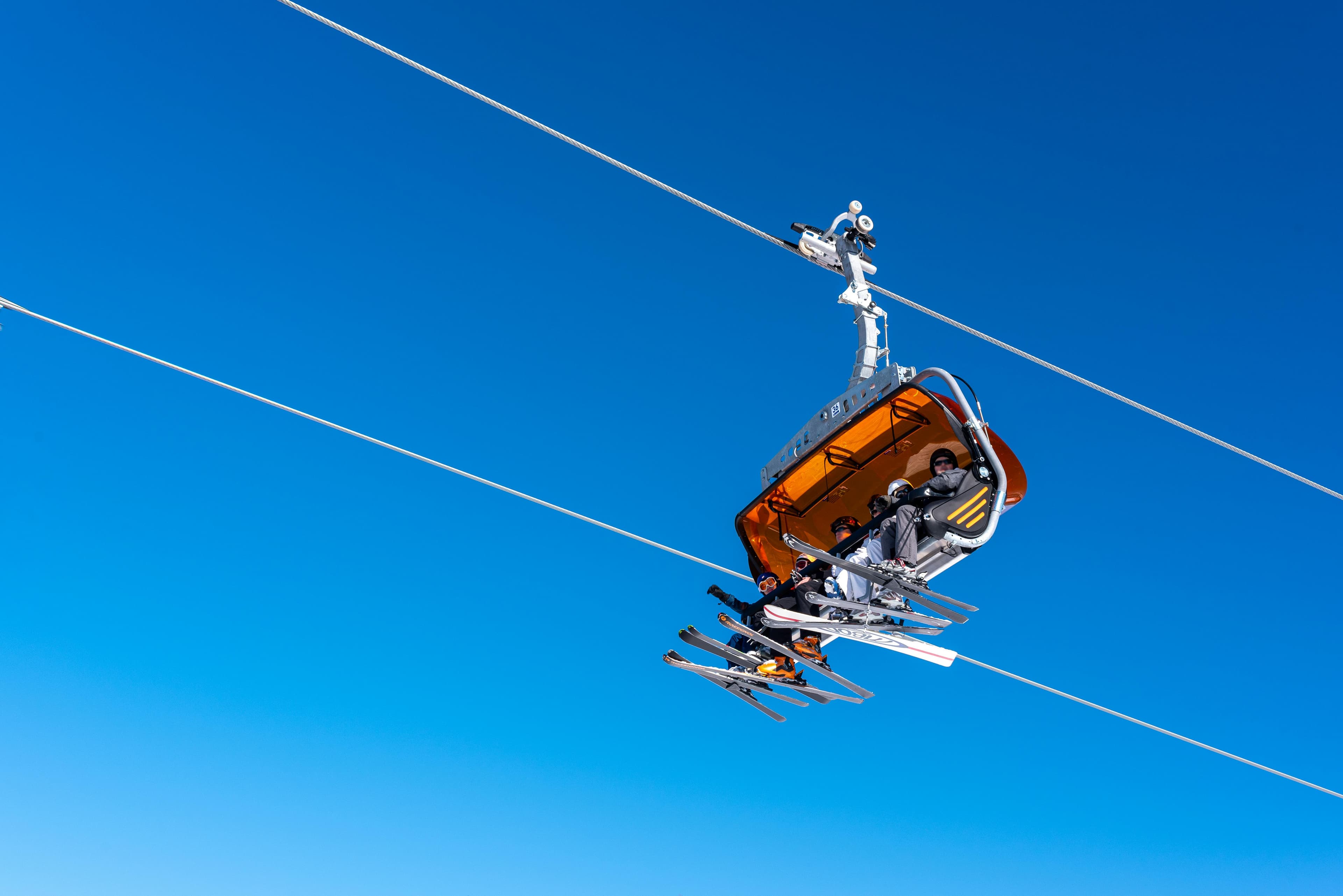
Snow starts covering ski regions close to Santiago during winter from June until August. Resorts like Valle Nevado and Portillo reopen, bringing skiing and snowboarding back into the Andes.
You can actually ski and return to Santiago on the same day here. Mountain temperatures drop very quickly after sunset though, so proper winter clothing becomes necessary once you head higher into the Andes.
Guided tip: March usually gives you a really nice combination of vineyard season, road trip weather and cooler evenings around Santiago.
Best time of year to visit Chile and Argentina together
So many people visit both countries together because Patagonia spreads across both southern Chile and Argentina. Snowy mountains, glacier lakes, and wine regions connect really nicely here. Though timing matters because you don’t want freezing winter roads or closed hiking routes during your trip.
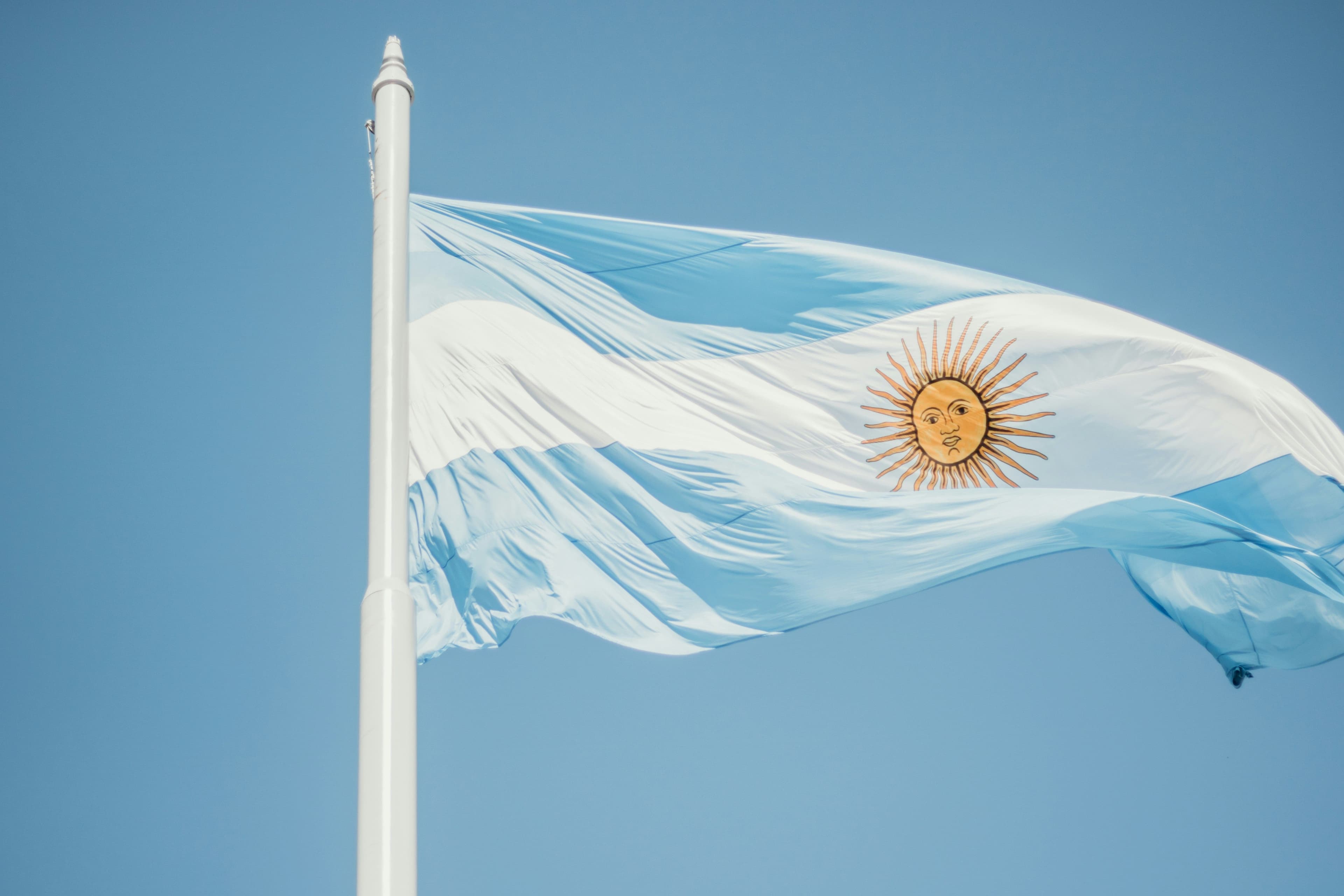
Best months for a Chile and Argentina itinerary
October and November or March and April usually work best for both countries during the same trip. Temperatures stay comfortable, roads through Patagonia stay open and hotel prices stay lower compared to peak summer.
You also avoid the hottest summer temperatures further north during these months. For most routes, this is best time to travel to Chile and Argentina when your plans include Patagonia, Santiago, Buenos Aires and wine regions.
Summer vs shoulder season for combined trips
December, January and February bring the warmest weather for southern Patagonia. Hiking routes fully reopen, ferries run more regularly and daylight can still last until 10pm or even later in Patagonia during peak summer.
March and April work really nicely too though. Cooler air arrives, hotel prices drop and roads through Patagonia become much calmer after summer tourism slows down. For longer routes through South America, this is usually the best time to travel to Chile and Argentina if you want a smoother road trip experience.
When is the cheapest time to visit Chile?
Flight prices, hotels and rental cars change a lot depending on the season. Patagonia during January can be far more expensive compared to winter months near Santiago, for example.
Low season in Chile
May to August usually give you lower prices across large parts of Chile outside ski resorts. Hotels near Santiago and northern Chile become cheaper during this period because fewer international visitors arrive during winter. You still can travel really nicely during these months though. Northern Chile keeps clear desert skies and cities near Central Chile stay active year round.
Shoulder season in Chile
October and November or March and April usually give you the nicest price balance across the country. Patagonia stays open for hiking, temperatures remain comfortable and road trips become easier without peak summer traffic.
You also get much better hotel availability during shoulder season. For longer routes through Patagonia and wine regions, this can save a surprisingly large amount on accommodation and rental cars.
Want to know more about accommodation prices, transport costs and useful tips for planning your trip? Read our Chile travel guide.
So, what is the best time of year to visit Chile for your trip?
You’ve probably noticed Chile works completely differently depending on the season you pick. During one trip you can end up hiking near glaciers in Patagonia, then only a few days later drive through desert valleys near San Pedro de Atacama or sit outside near vineyards close to Santiago late into the evening. This is exactly why the best time to visit Chile and South America really depends on what kind of trip you’re aiming for.
A full trip with Patagonia, cities and the desert: October, November, March or April
Hiking and national parks in Patagonia: November through March
Skiing and snow near Santiago: June until August
Desert road trips and stargazing: April through October
Lower prices and calmer roads: May or October
First decide what matters most to you, glacier hikes, wine regions, skiing, desert road trips or longer days outside in Patagonia. They all work much better during different parts of the year. After you know what kind of activities you like, you can easily decide on the best month to visit Chile.
Enjoyed This Blog? Continue Reading!
More travel inspiration is waiting for you on our blog. You can look below and start planning your next trip through South America.