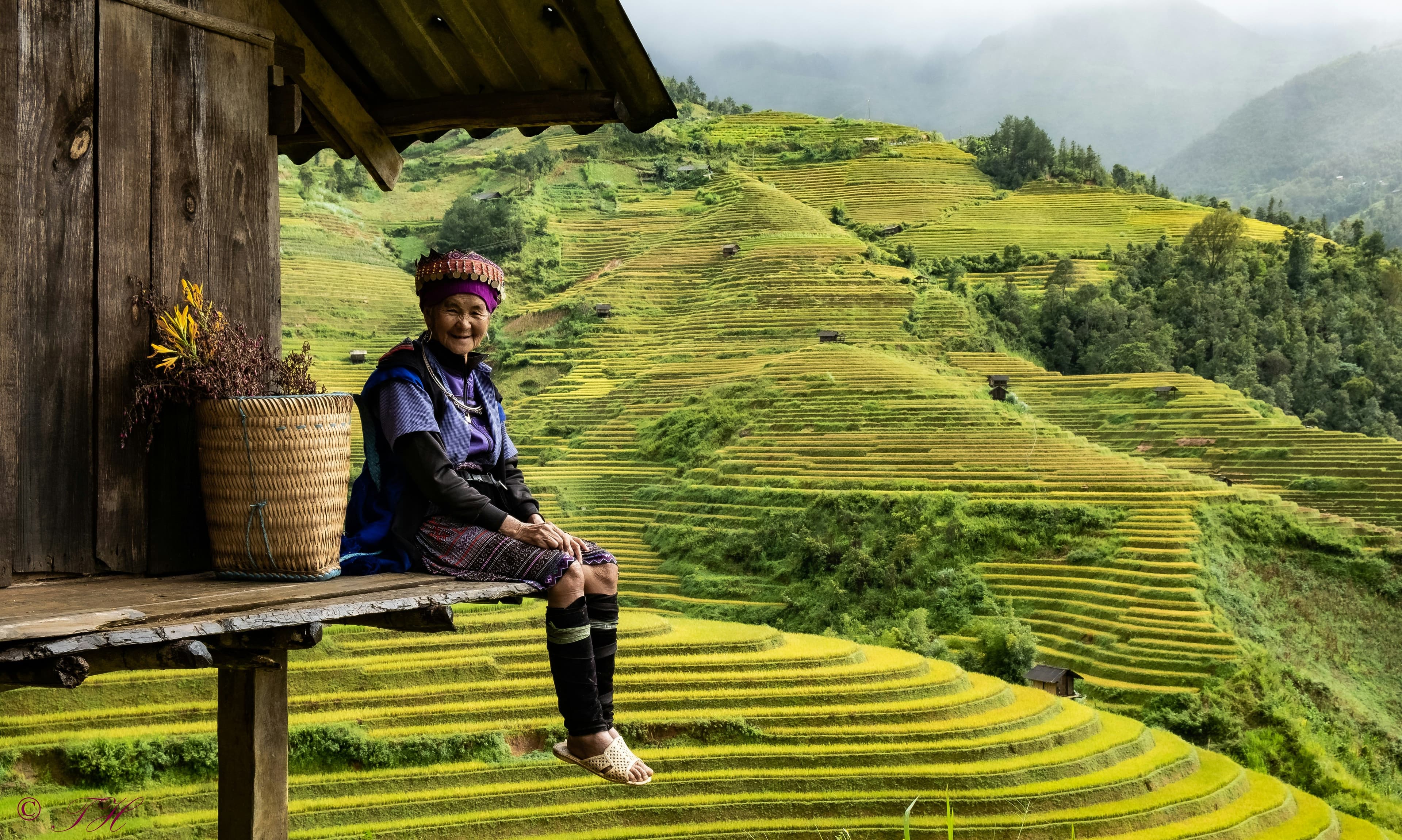
The best places to visit in Vietnam: where to go and what to expect
By Eva Alkemade
May 10, 2026
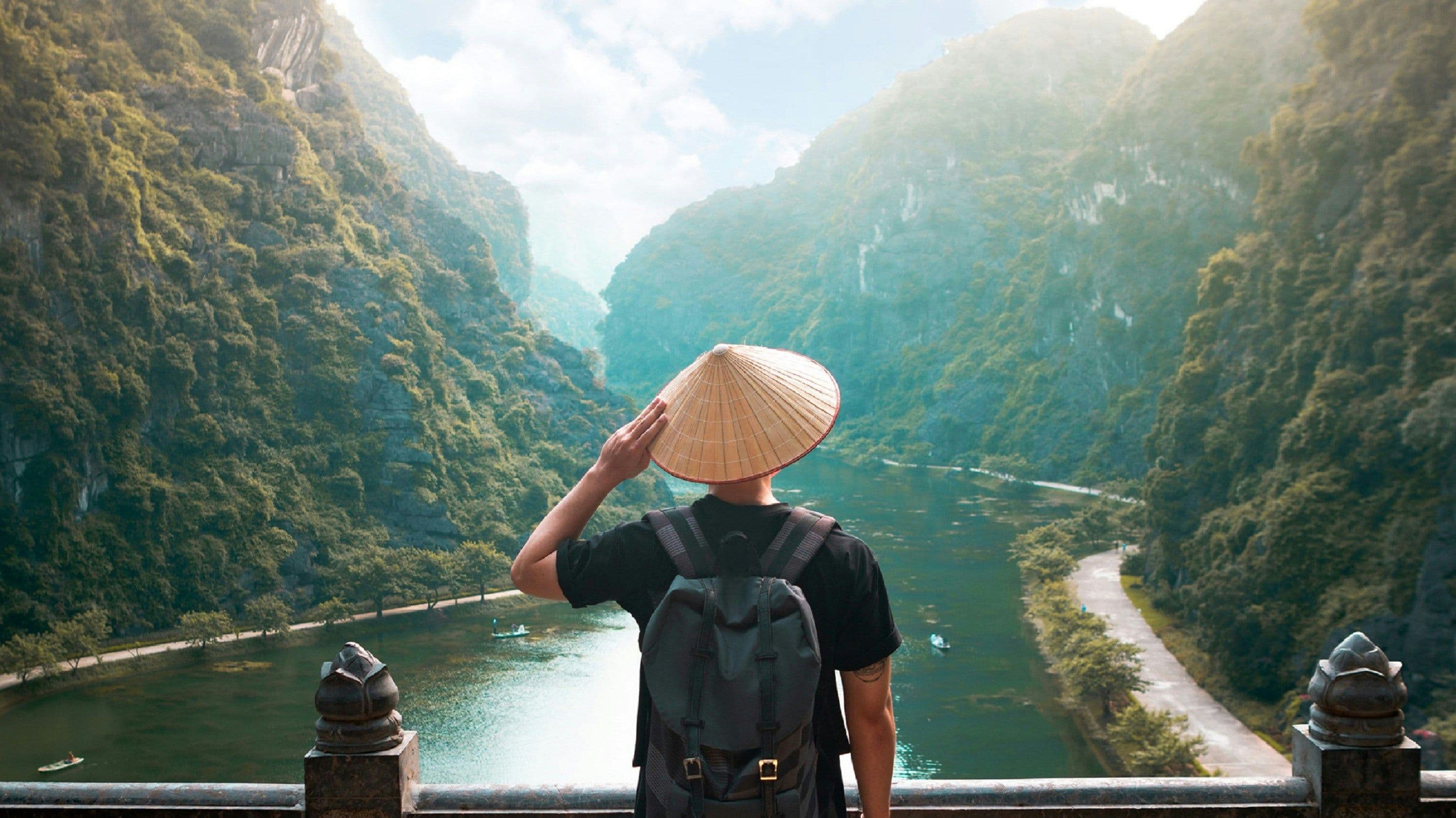
Some of the largest caves on the planet are hidden beneath the jungle in Phong Nha, Vietnam. Here you can walk through enormous cave systems like Hang Son Doong and kayak deep inside underground rivers surrounded by limestone walls and jungle. Very few countries let you go from mountain roads in the north to tropical islands in the south within the same trip. And just a few hours later you could already be cruising between the turquoise water and limestone cliffs of Ha Long Bay. Since Vietnam stretches over more than 1,600 kilometres from north to south, choosing the best places in Vietnam matters so much for your trip. Throughout this guide, we’ll show you the good places to visit in Vietnam and help you figure out which region matches your trip best.
North, central or south Vietnam: which region should you choose?
Across Vietnam, every region comes with completely different food, weather, landscapes and ways of travelling around. A trip through the north looks nothing like a beach trip in the south, so picking the right part of the country first will make planning everything else much easier.
North Vietnam: mountains, rice fields and adventure
Up in the north, roads curve through mountain passes, tiny villages sit between rice terraces, and overnight buses still connect places where trains do not reach. Around Hanoi, Sapa and Ha Giang, you can go trekking through mountain valleys, drive long motorbike routes, eat street food in busy cities and sleep in small villages surrounded by rice fields.
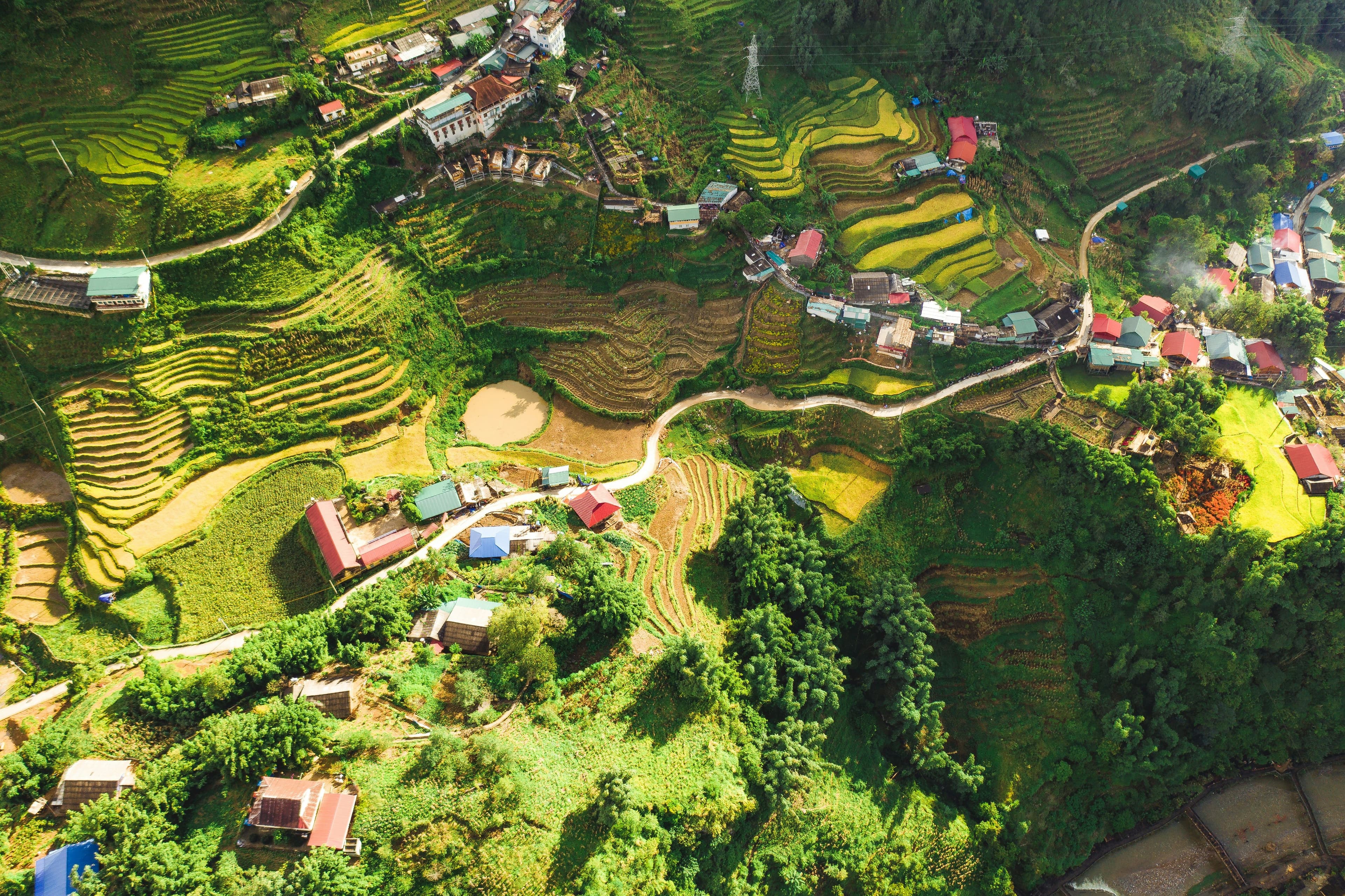
Cooler temperatures also make this region very different from southern Vietnam. Between September and November, rice fields around Sapa and Mu Cang Chai turn bright yellow before harvest season starts, which is one of the best moments to visit the mountains. Farther north near the Chinese border, Ha Giang has become famous for its motorbike loop, a route covering around 350 kilometres through some of the wildest roads in the country.
North Vietnam suits you best if you like mountains, nature, road trips and more adventurous travel days.
Central Vietnam: beaches, lanterns and history
Around Central Vietnam, ancient imperial cities are close to beach towns, and short train rides connect places that all have their own atmosphere.
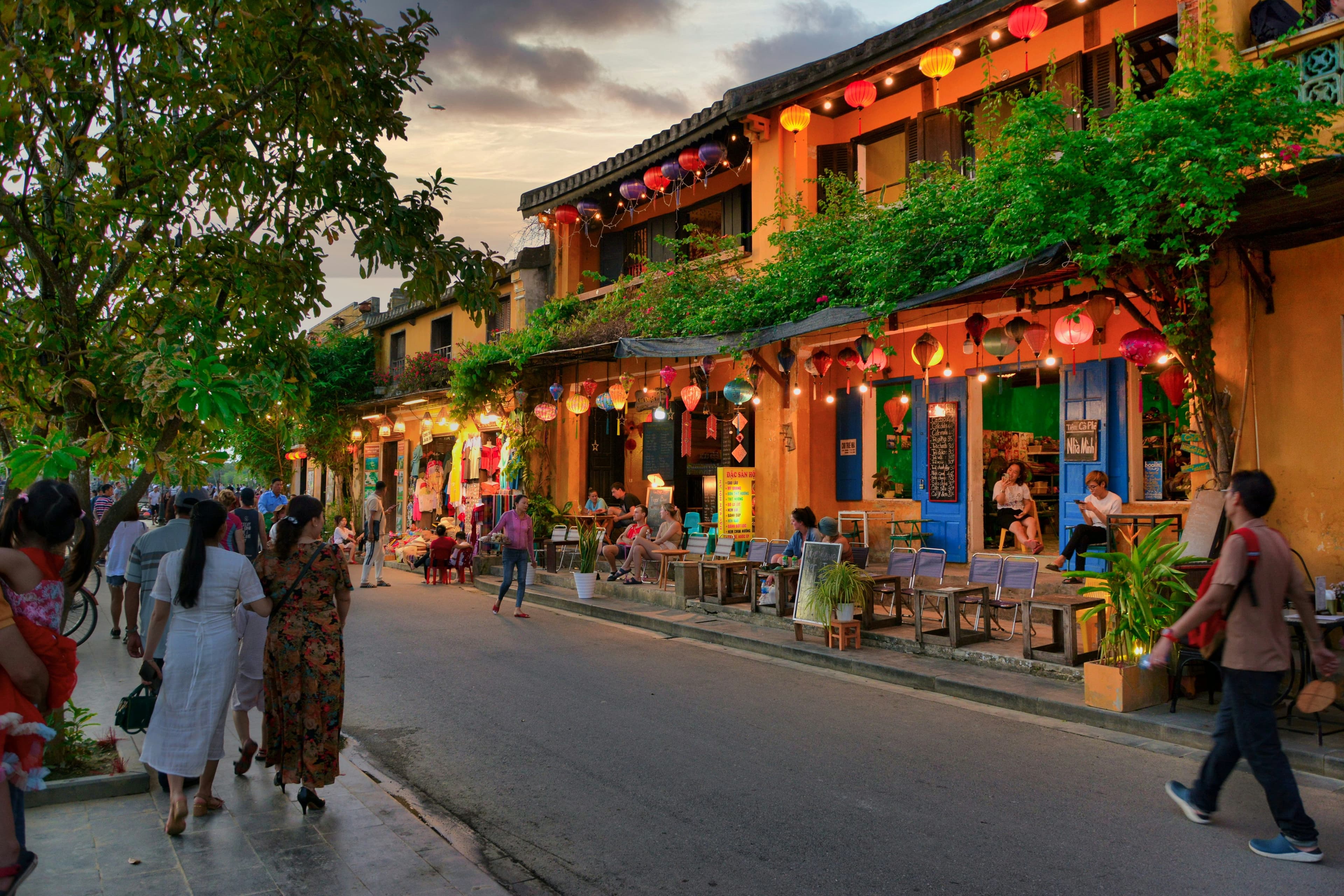
Near Hoi An, lanterns light up the old town every evening, tailor shops fill entire streets and small restaurants serve white rose dumplings that originally come from this area. A little farther north, Hue still carries traces of the Nguyen Dynasty, Vietnam’s last royal family, with temples, tombs and a huge Imperial City surrounded by water. And down by the coast near Da Nang, you can easily add some beach days to your trip, partly because the weather here stays warmer for a large part of the year.
Central Vietnam suits you best if you like shorter travel distances, history, beaches, and a mix of cities and coastal towns.
South Vietnam: tropical islands and busy city life
Down south, temperatures stay warmer and cities become much bigger and busier. Around Ho Chi Minh City, scooters completely take over the streets, rooftop bars fill up after sunset and food stalls stay open late into the night.
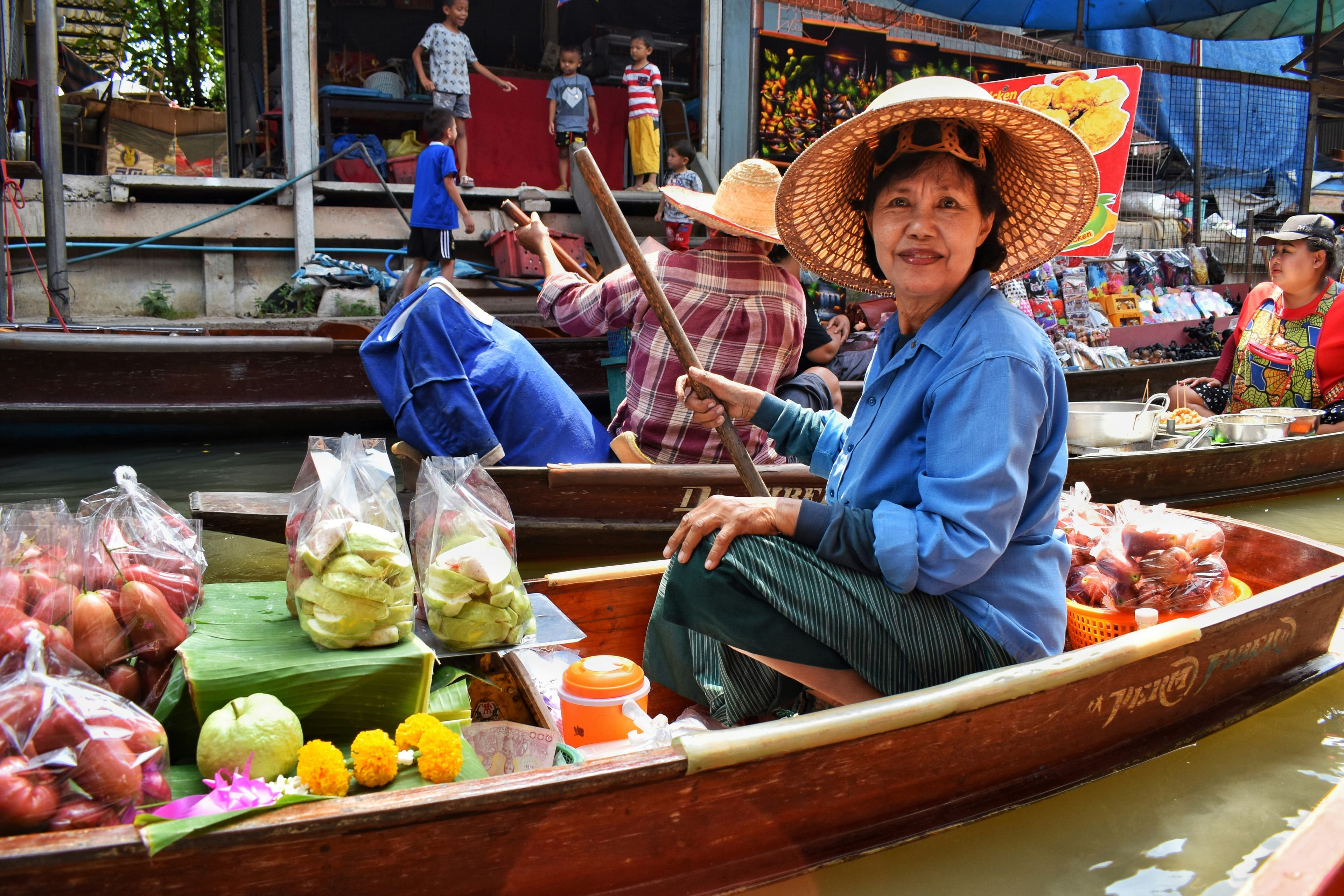
Farther south near the Mekong Delta, life revolves around rivers and boats instead of roads. You can still see floating markets here, which are markets directly on the water where local sellers trade fruit, vegetables and street food from their boats, and it still feels very authentic in certain areas. Out near Phu Quoc, beaches, snorkelling trips and seafood restaurants make this region a completely different experience again compared to the mountain areas up north.
South Vietnam suits you best if you like tropical weather, bigger cities, night life, and islands.
Best places to visit in north Vietnam
Between mountain roads, rice terraces and busy streets in Hanoi, this part of the country usually ends up becoming one of the best places in Vietnam for a first time trip. You’ll get to experience both traditional city life packed with street food and cafés, and completely remote mountain areas with tiny villages, rice fields and valleys.
Hanoi
One of the most popular Vietnamese cities is Hanoi. Right in the middle of Hanoi, scooters move through lively streets filled with tiny coffee shops, street food stalls and old apartment buildings full of character. Between small temples, local restaurants and hidden alleyways, you’ll come across people sitting outside on plastic stools eating bowls of pho and cafés serving egg coffee. Egg coffee started here, originally created during milk shortages in the 1940s. Across the Old Quarter, small cafés still serve it exactly the same way today, thick, sweet and almost like dessert.
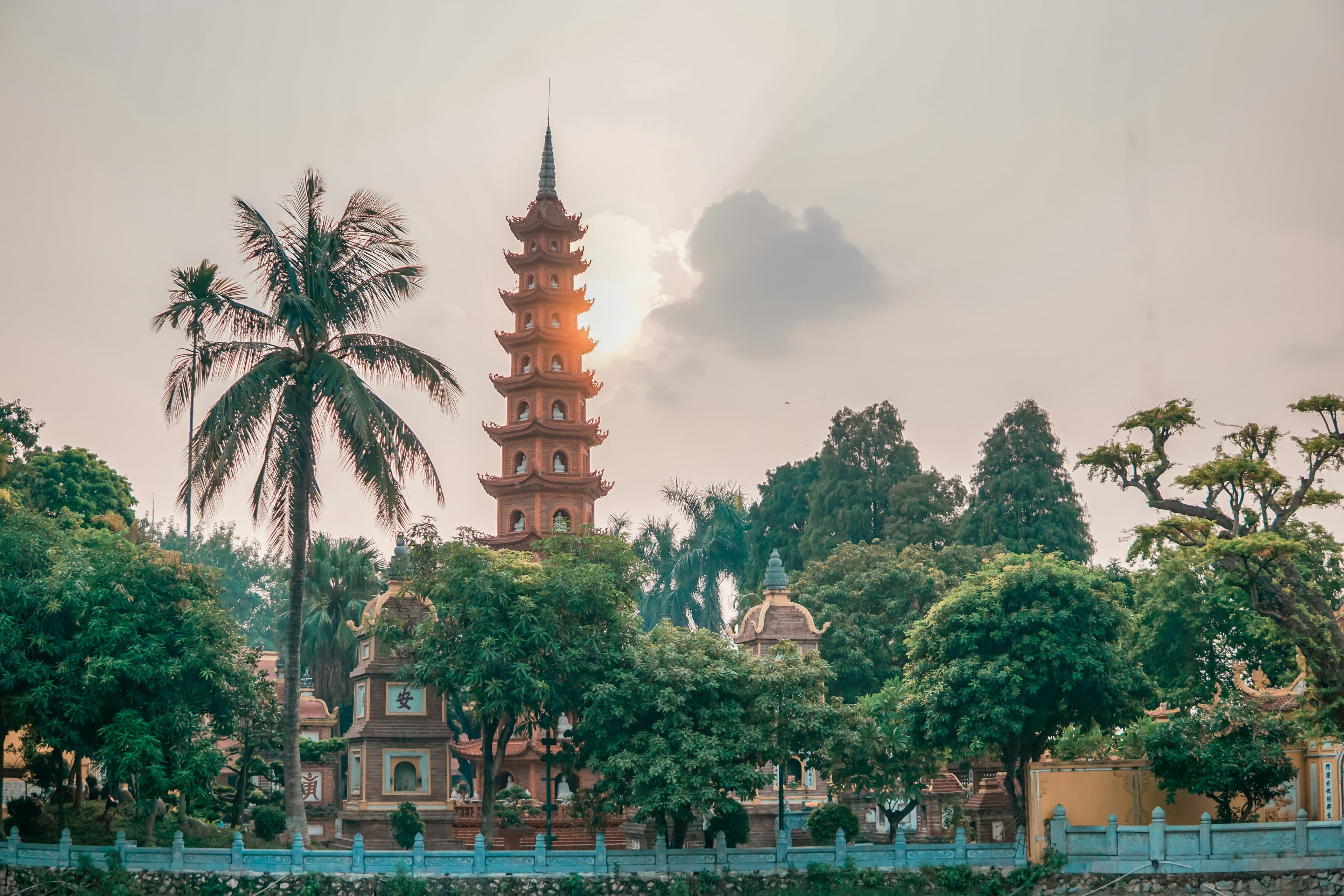
There is even a train passing directly through a narrow residential street, which you can see at Hanoi Train Street, one of the most famous spots in the city. And around Hoan Kiem Lake, most mornings start with people doing tai chi, badminton and group dancing before the heat kicks in later during the day. Hanoi is one of those places to visit in Vietnam where local life happens everywhere around you.
Ha Long Bay
Out in Ha Long Bay, more than 1,600 limestone islands rise straight out of the water, spread across the Gulf of Tonkin in northern Vietnam. Many people book overnight cruises here, partly because sunsets and mornings out on the water are completely different once most day boats leave.
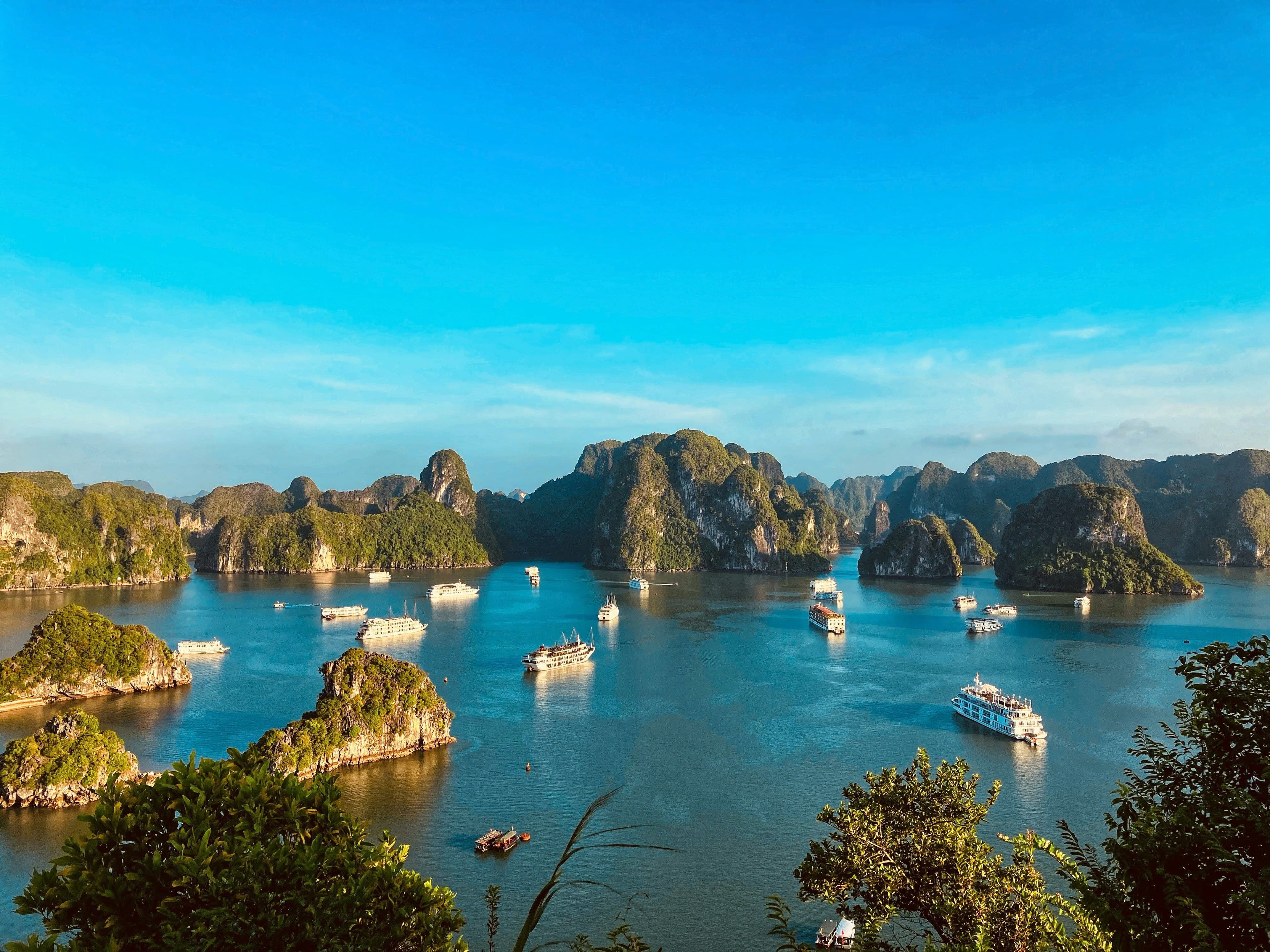
Kayaking through caves and floating fishing villages is one of the best parts of staying longer here, partly because you get to explore much more than just the main cruise route. Around Lan Ha Bay, you can paddle between limestone cliffs, stop at tiny beaches and pass small floating houses sitting directly on the water. Near Cat Ba Island, staying overnight on land is also a really nice option if you want to explore the bay during the day without sleeping on a boat.
Ninh Binh
A couple of hours south of Hanoi, limestone mountains suddenly rise out of rice fields and rivers in every direction. Around Ninh Binh, you can sit in small rowing boats that slowly pass through caves, narrow waterways and huge cliffs standing directly next to the water.
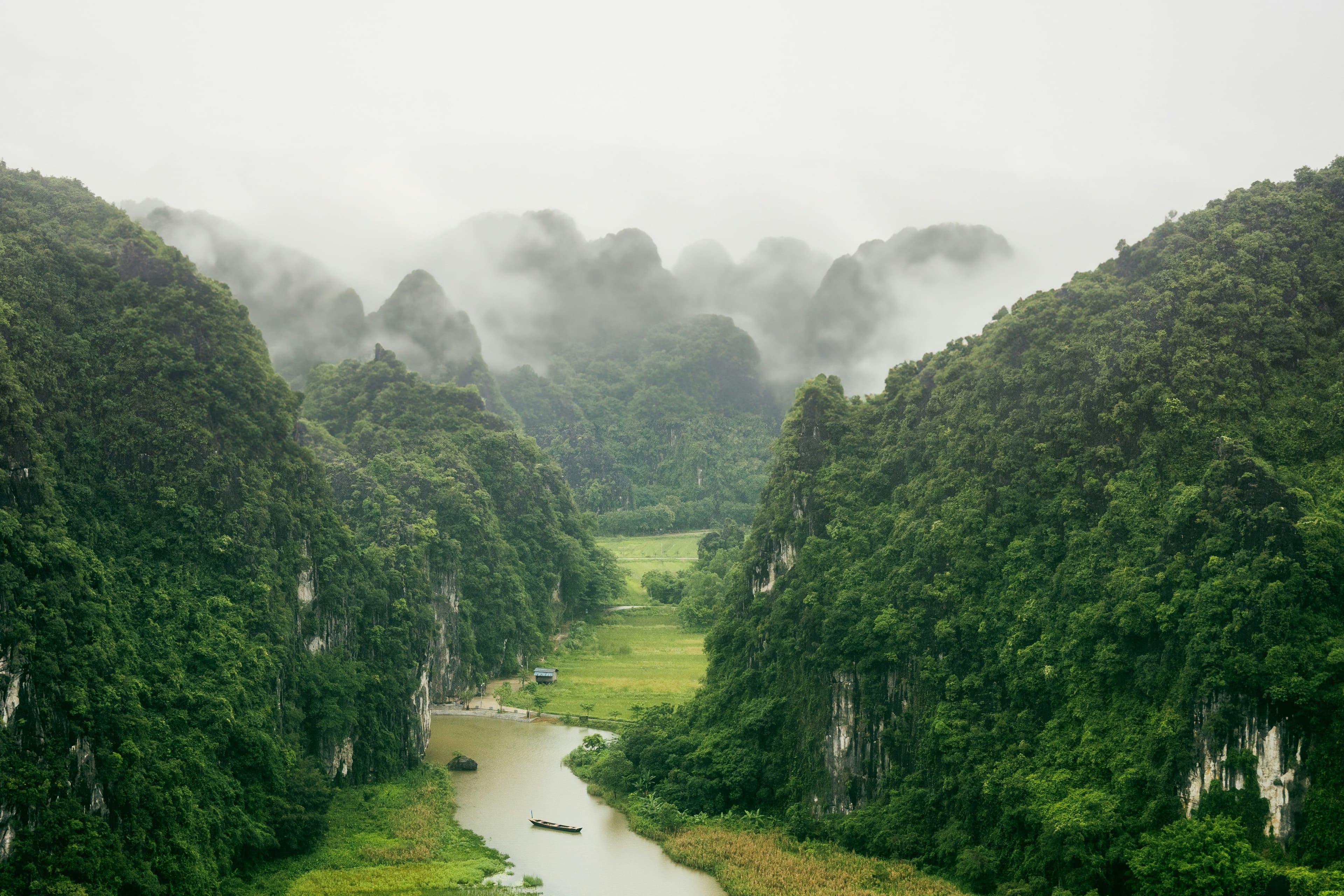
Trang An and Tam Coc are the two best known areas here, and you can easily explore both by bicycle or scooter during the day. Around Trang An, boat rides pass temples, caves and green valleys that were even used as filming locations for Kong: Skull Island. Compared to Ha Long Bay, days here usually feel much more open and spread out, with small villages, rice fields and countryside roads instead of large groups staying around one harbour area.
Sapa
Far up near the Chinese border, mountain villages and rice terraces cover huge parts of the hills around Sapa. During one moment you might still see clear mountain views, and half an hour later thick mist can completely cover the valleys around you.
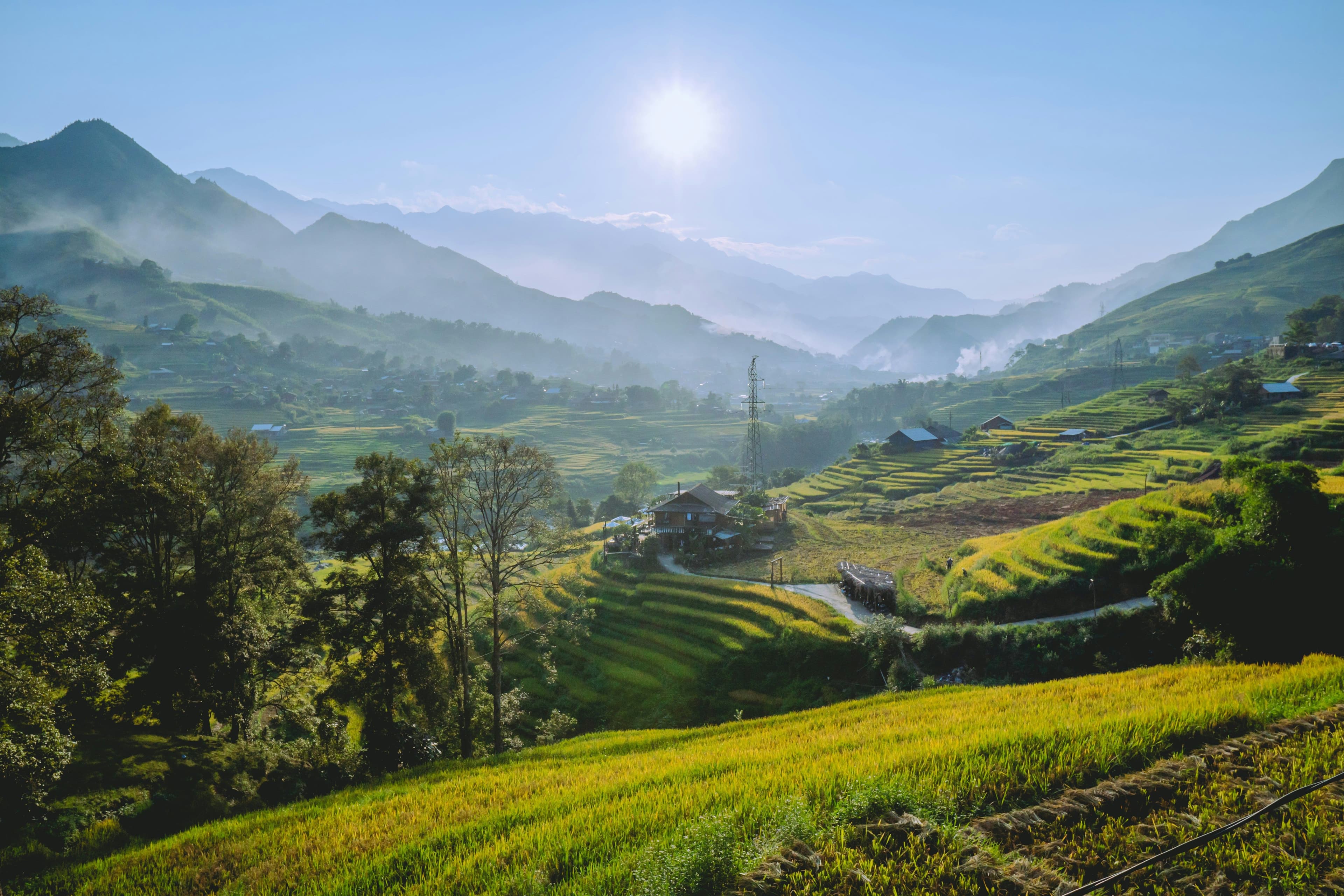
Around Sapa, you can hike through rice fields and small villages where communities like the Hmong and Dao still live and work on the land every day. Homestays are also very popular here, giving you the chance to stay with local families surrounded by mountains and terraces. Between September and October, rice fields turn golden right before harvest season starts, which is one of the most beautiful periods to visit this part of Vietnam.
Ha Giang
Near the far north of Vietnam, roads in Ha Giang twist through mountain passes, deep valleys and cliff edges for hundreds of kilometres. Around this region, you can drive from one mountain village to another over several days, passing viewpoints, local markets and winding roads surrounded by huge mountains.
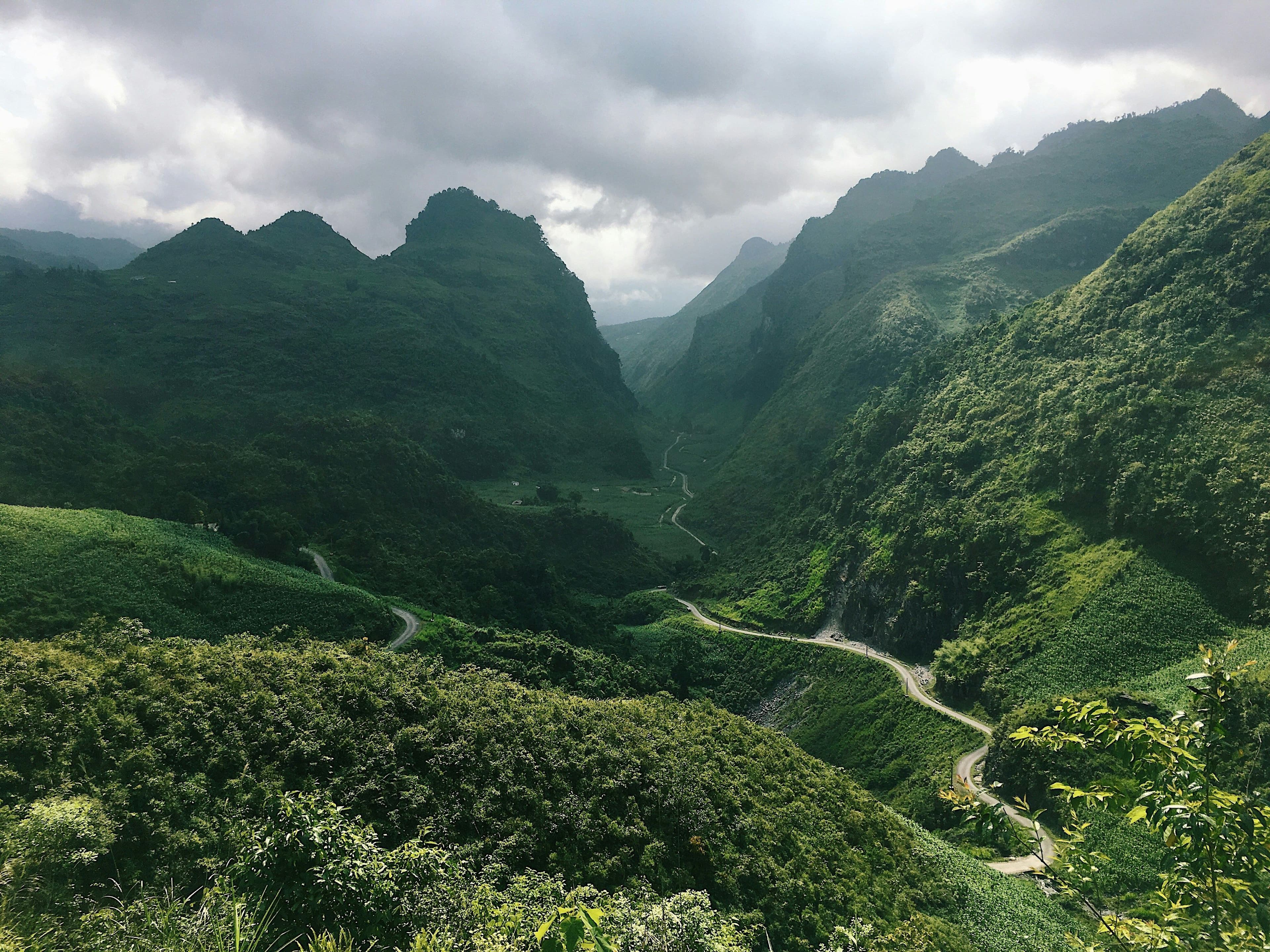
Ma Pi Leng Pass has become one of the most photographed roads in the country, partly because the mountains drop almost straight down towards the river far below. Along the route, you can stay in homestays run by local families, usually in small villages where mountain views stretch out in every direction.
Best Places in Central Vietnam
Central Vietnam is different from the north because distances between places are shorter, temperatures stay warmer and you can easily add beach days between visiting historical cities, caves and smaller towns. During one part of your trip you could be walking through lantern streets in Hoi An, and later that same week you might already be exploring caves in Phong Nha or spending a few days near the beach in Da Nang.
Hoi An
Once one of the biggest trading ports in Southeast Asia, Hoi An still carries influences from China, Japan and Europe throughout the old town. Yellow buildings, lanterns and narrow streets now attract people from all over the country every evening once the sun starts going down.
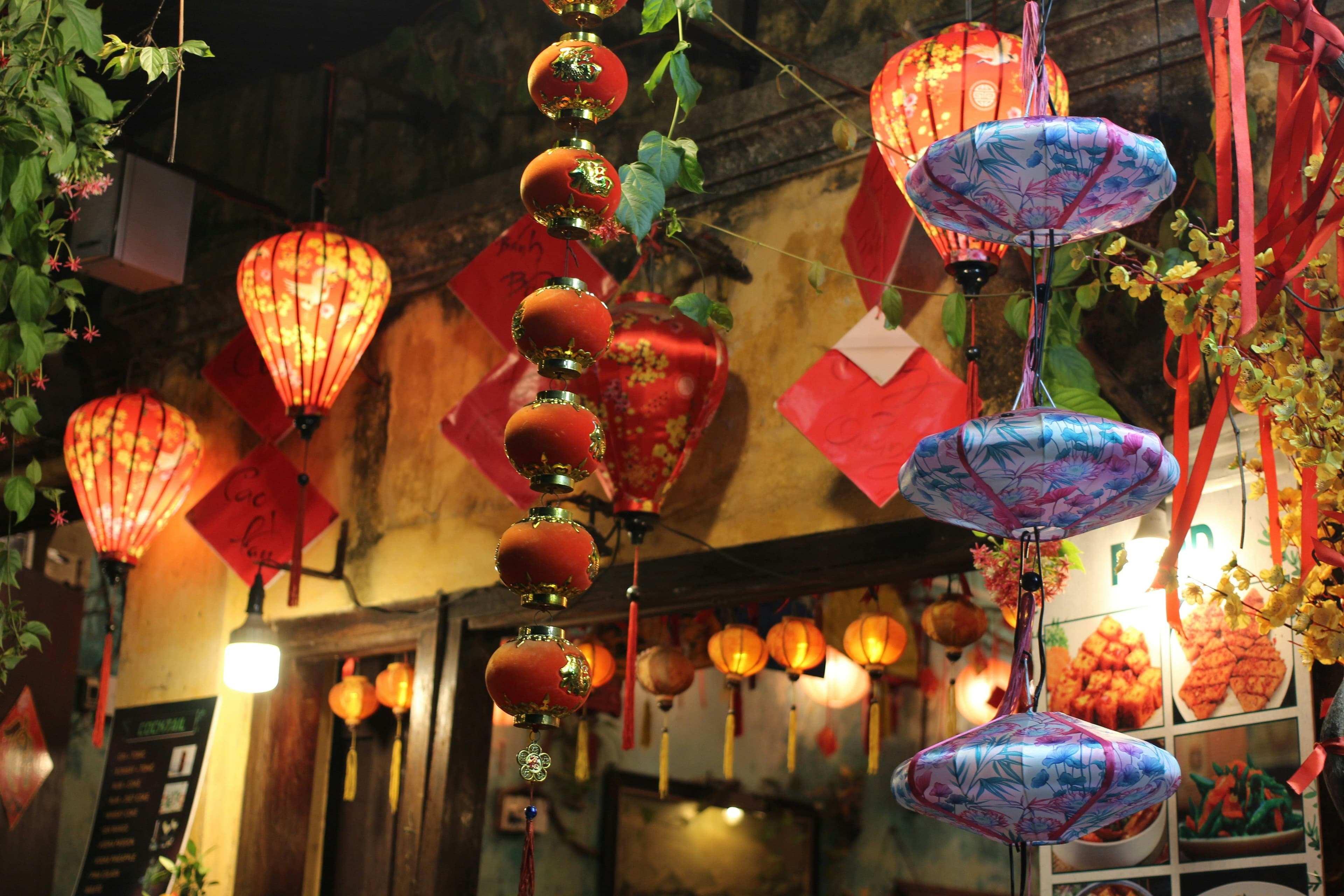
Tailor shops are everywhere here, and many visitors still get clothes custom made within one or two days. Around the riverfront, small wooden boats covered in lanterns move through the water at night, mainly near the Japanese Covered Bridge and the old town centre. Beaches like An Bang Beach are only about 15 minutes away by scooter.
Da Nang
Between beaches, cafés and modern apartment buildings, Da Nang feels completely different from Hanoi or Ho Chi Minh City. Long stretches of sand run directly alongside the city here, which makes beach stops very easy without leaving town.
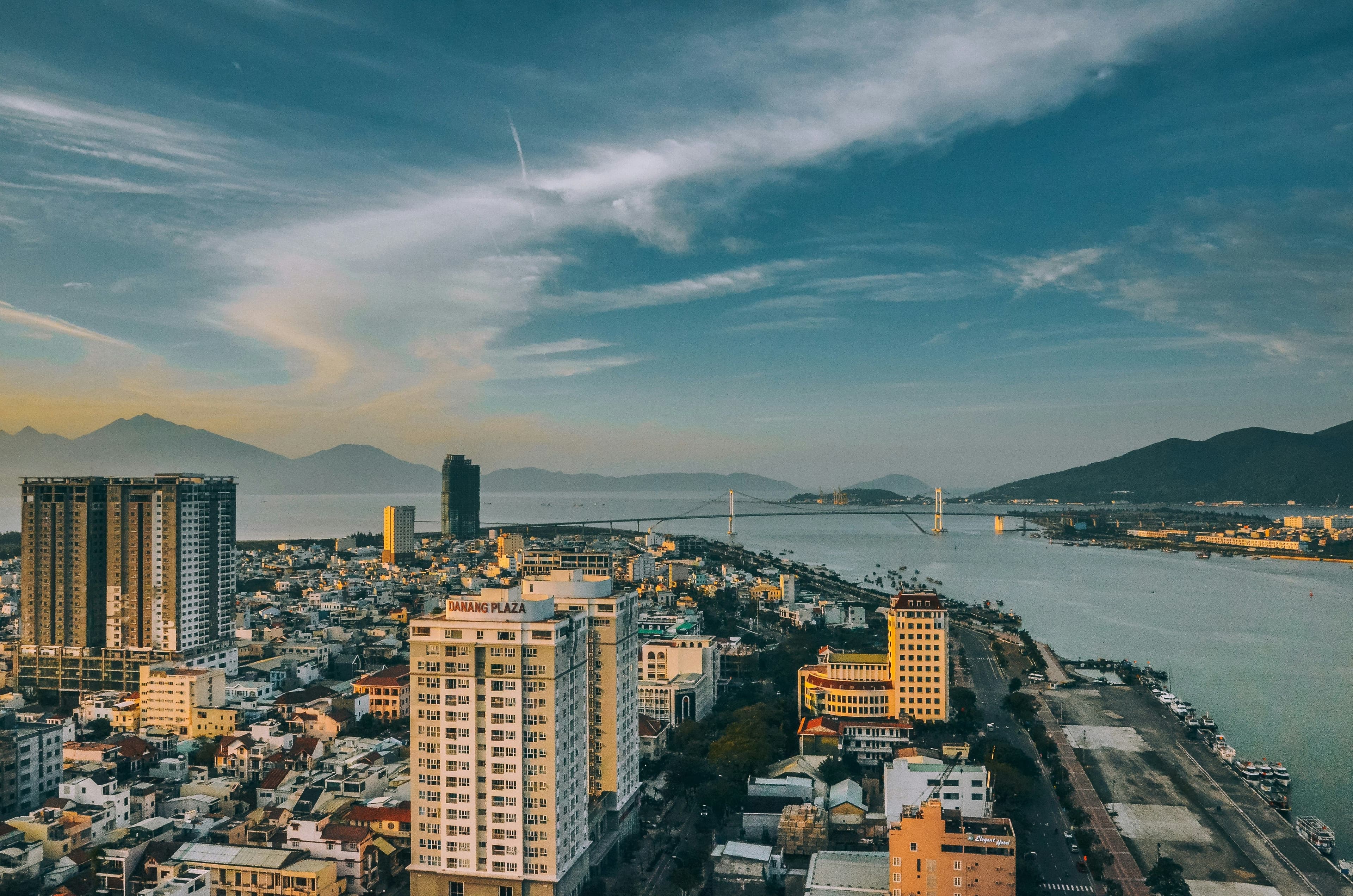
Just outside the centre, Marble Mountains contain caves, temples and viewpoints connected by steep staircases. Around weekends, Dragon Bridge also becomes one of the busiest places in the city once the dragon starts breathing fire and water during evening shows.
Hue
Back when emperors still ruled Vietnam, Hue served as the country’s capital for more than 140 years. Huge gates, temples and palace walls from that period still stand around the Imperial City today, surrounded by canals and old stone entrances.
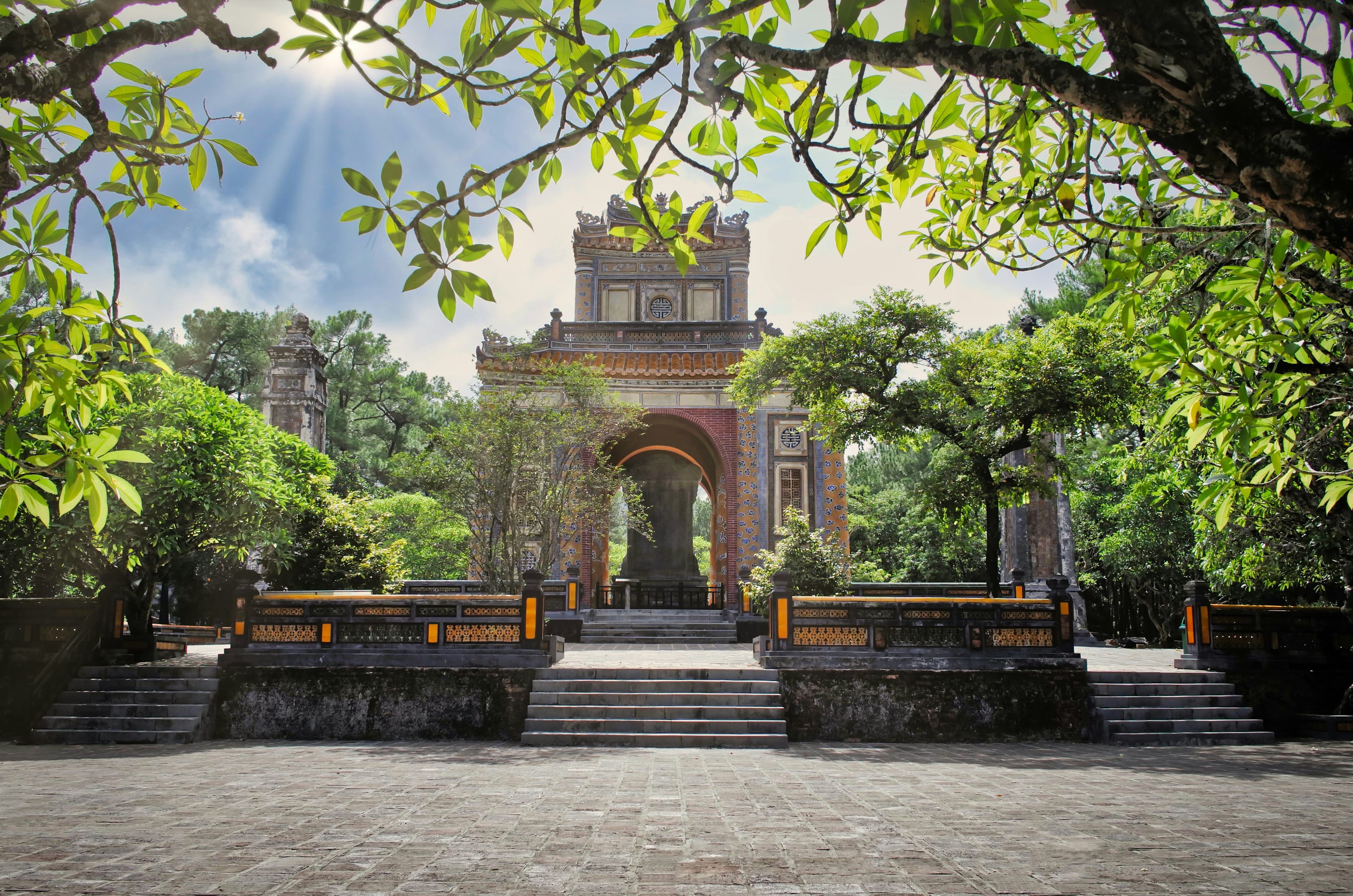
Along the Perfume River, dragon boats move between pagodas and royal tombs spread outside the city centre. Bun Bo Hue also comes from this region, a spicy noodle soup completely different from pho in Hanoi or southern noodle dishes farther down the country. Just keep in mind that rainy months can last quite long here, particularly between October and December.
Still unsure when to go? Read our complete guide about the best time to visit Vietnam, including weather, rainy seasons and the best months for each region.
Phong Nha
Hidden beneath the jungle around Phong Nha, some of the largest caves anywhere on the planet stretch for kilometres underground. Son Doong Cave alone contains sections large enough to fit entire skyscrapers inside!
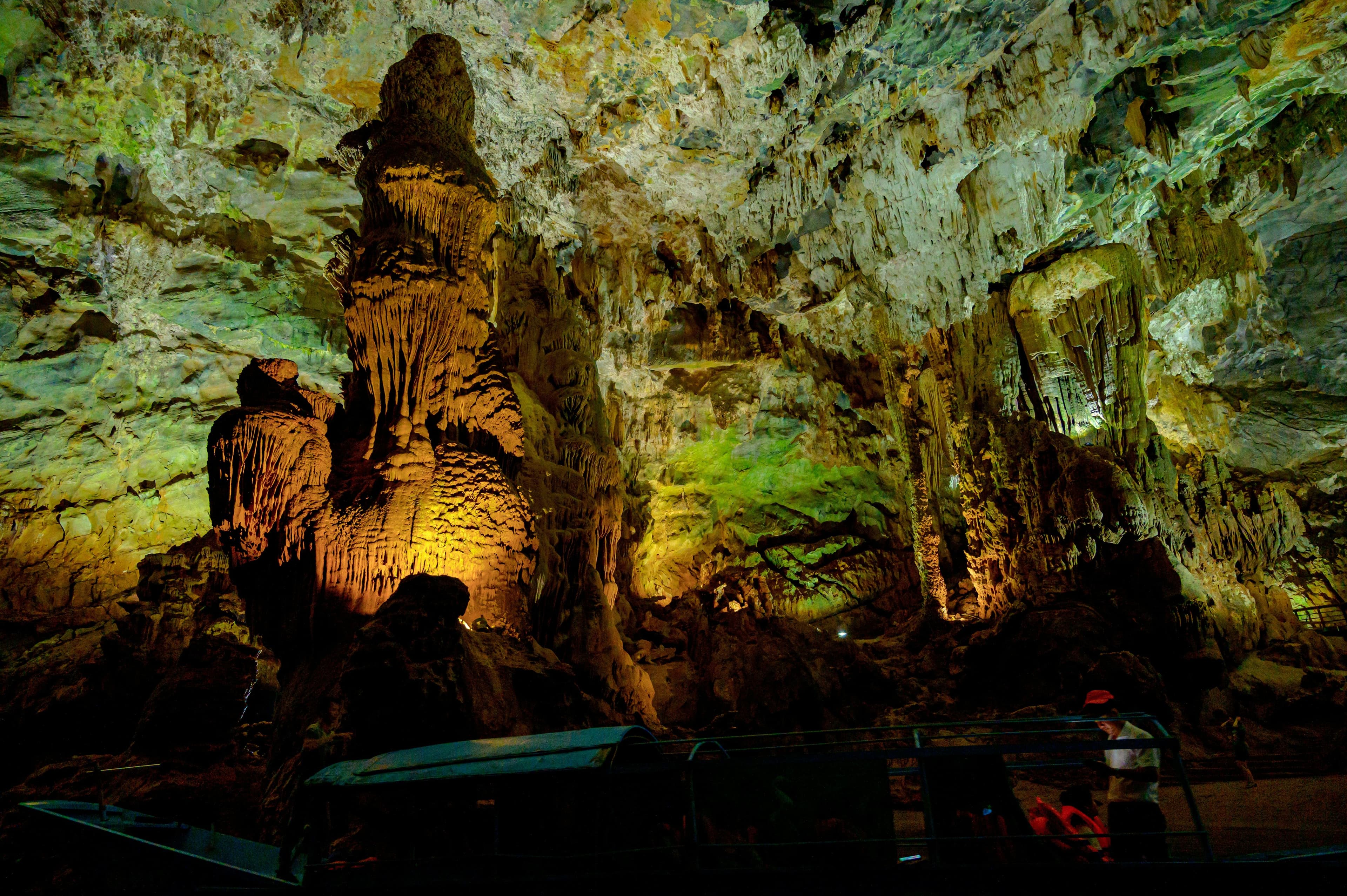
Several caves are much easier to visit though, including Paradise Cave and Phong Nha Cave, both reached within one day from town. River caves, jungle treks and mud caves also turned this region into one of Vietnam’s travel locations for people who love adventure.
Da Lat
Pine forests, waterfalls and cooler temperatures give the city a much more European atmosphere compared to places closer to the coast.
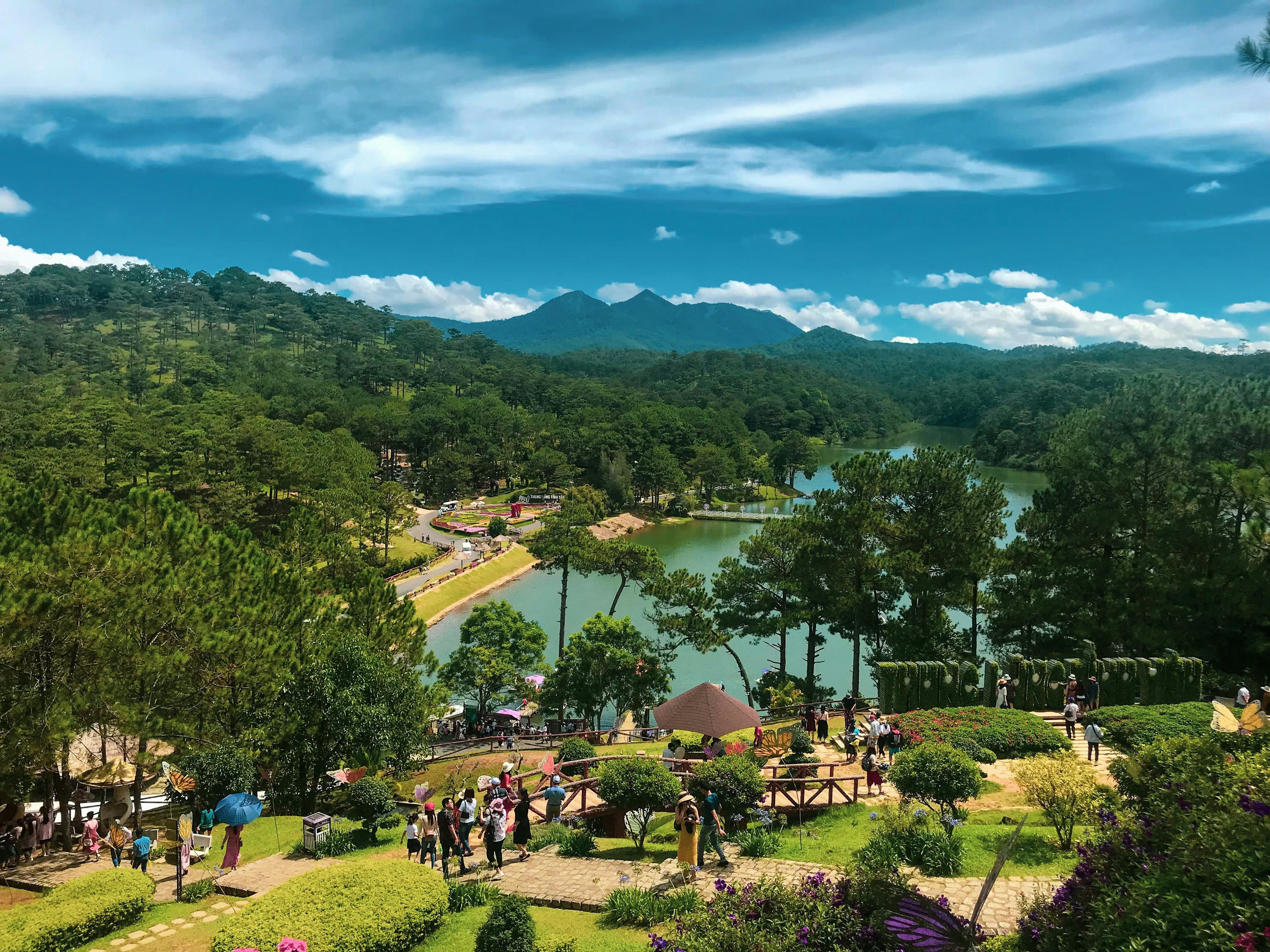
Coffee plantations surround large parts of the region, and Vietnam now ranks as the second largest coffee producer on the planet after Brazil. Around Da Lat, cafés sit everywhere across the hills, partly because this region produces a huge amount of the country’s coffee beans. Between lakes, flower gardens and mountain roads, you can visit coffee farms, drive through pine forests and spend a few days somewhere with much cooler temperatures compared to the rest of southern Vietnam.
Best Places in South Vietnam
Further south, temperatures rise, cities get bigger and rivers start replacing mountain roads. Between floating markets, tropical islands and late night food streets, this part of Vietnam looks completely different again from the north.
Ho Chi Minh City
Right after arriving in Ho Chi Minh City, the amount of scooters on the roads is probably the first thing you’ll notice. Millions of motorbikes move through the city every single day, and crossing the street somehow works best by simply walking slowly and steadily through traffic.
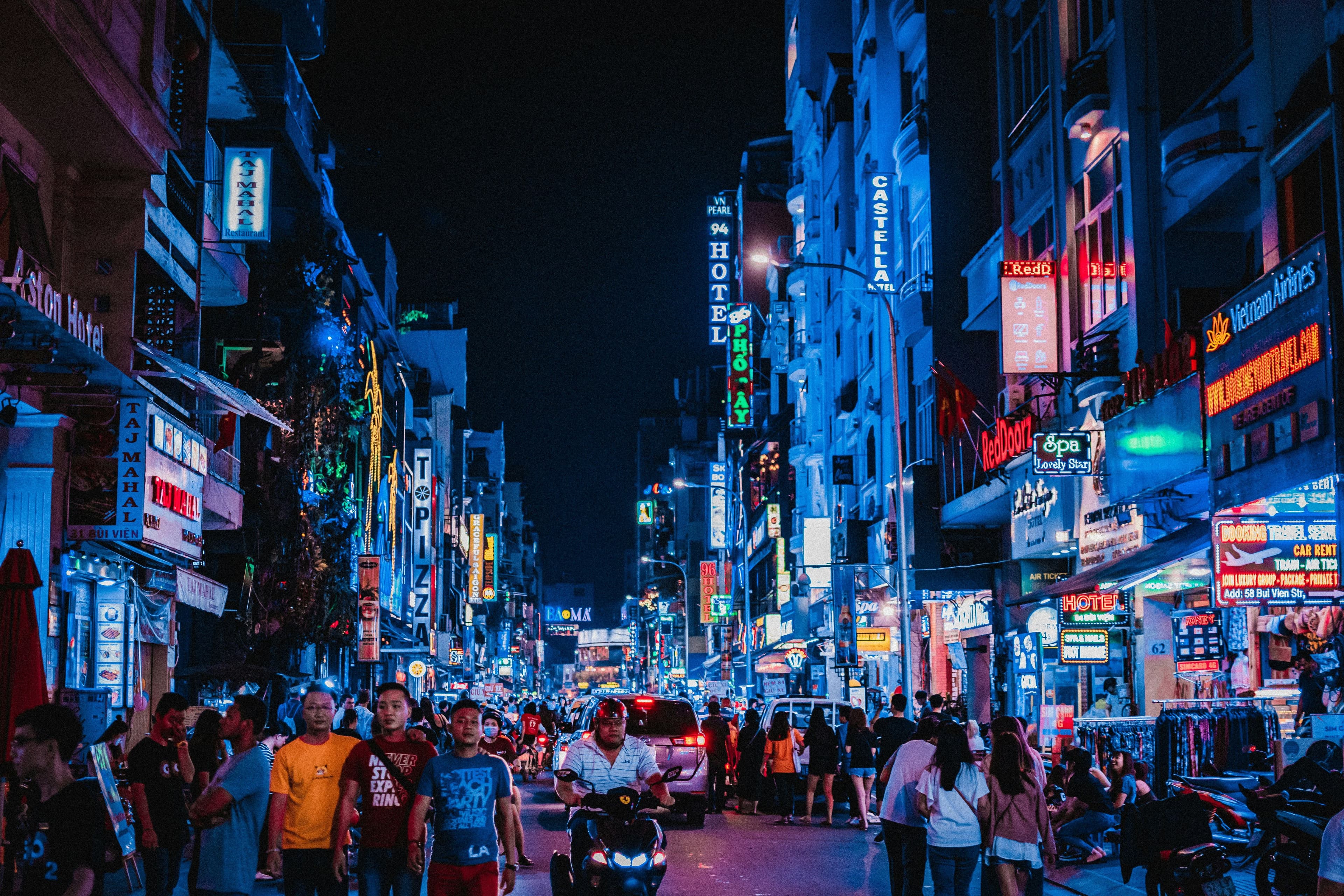
French colonial buildings still stand around District 1, mixed between rooftop bars, modern cafés and old apartment blocks filled with tiny local restaurants hidden inside narrow alleyways. Around Ben Thanh Market and Nguyen Hue Walking Street, you can spend hours just walking around, grabbing iced coffee, trying street food and watching how fast everything moves around you. Several museums also focus on the Vietnam War, including the War Remnants Museum and the Cu Chi Tunnels outside the city, where underground tunnel systems once stretched for more than 250 kilometres.
Mekong Delta
Down near the Mekong Delta, rivers completely take over daily life. Boats replace roads in many areas, and entire floating markets still move across the water around places like Can Tho and Cai Rang.
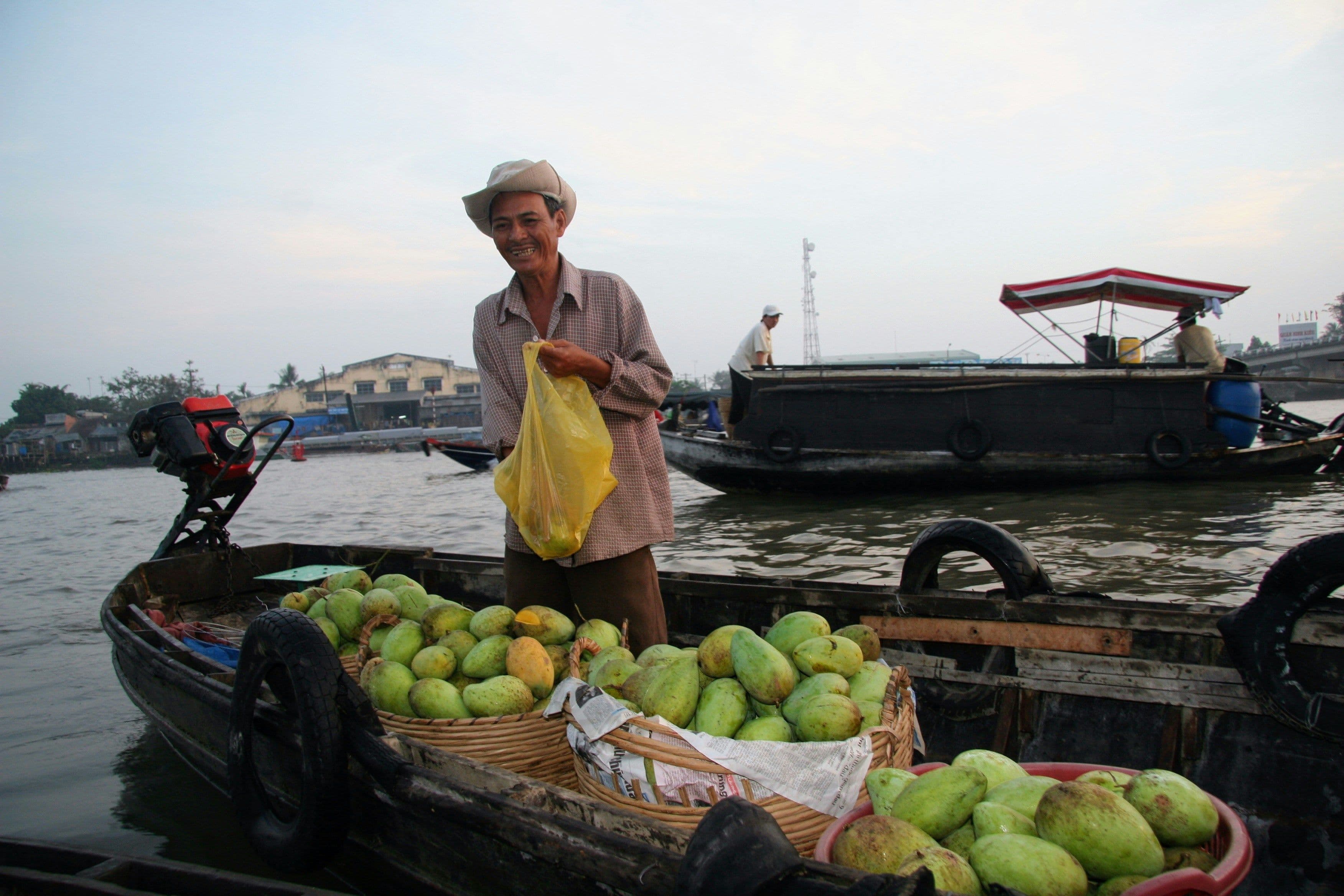
Fruit farms, rice fields and small villages spread across the delta for thousands of square kilometres near the Cambodian border. Around Cai Rang floating market, you can step onto small wooden boats early in the morning and watch locals sell pineapples, coconuts and vegetables directly from the river. Compared to the bigger cities, life here centres much more around boats and waterways, partly because transport and trade still happen mainly by river.
Phu Quoc
Out in the Gulf of Thailand, Phu Quoc has become one of the best beach places to visit in Vietnam, partly because you can go from jungle roads to bright turquoise water within the same afternoon. Around the island, seafood restaurants sit directly on the beach, longtail boats head out towards tiny tropical islands and sunset bars slowly fill up once the heat starts dropping later in the day.
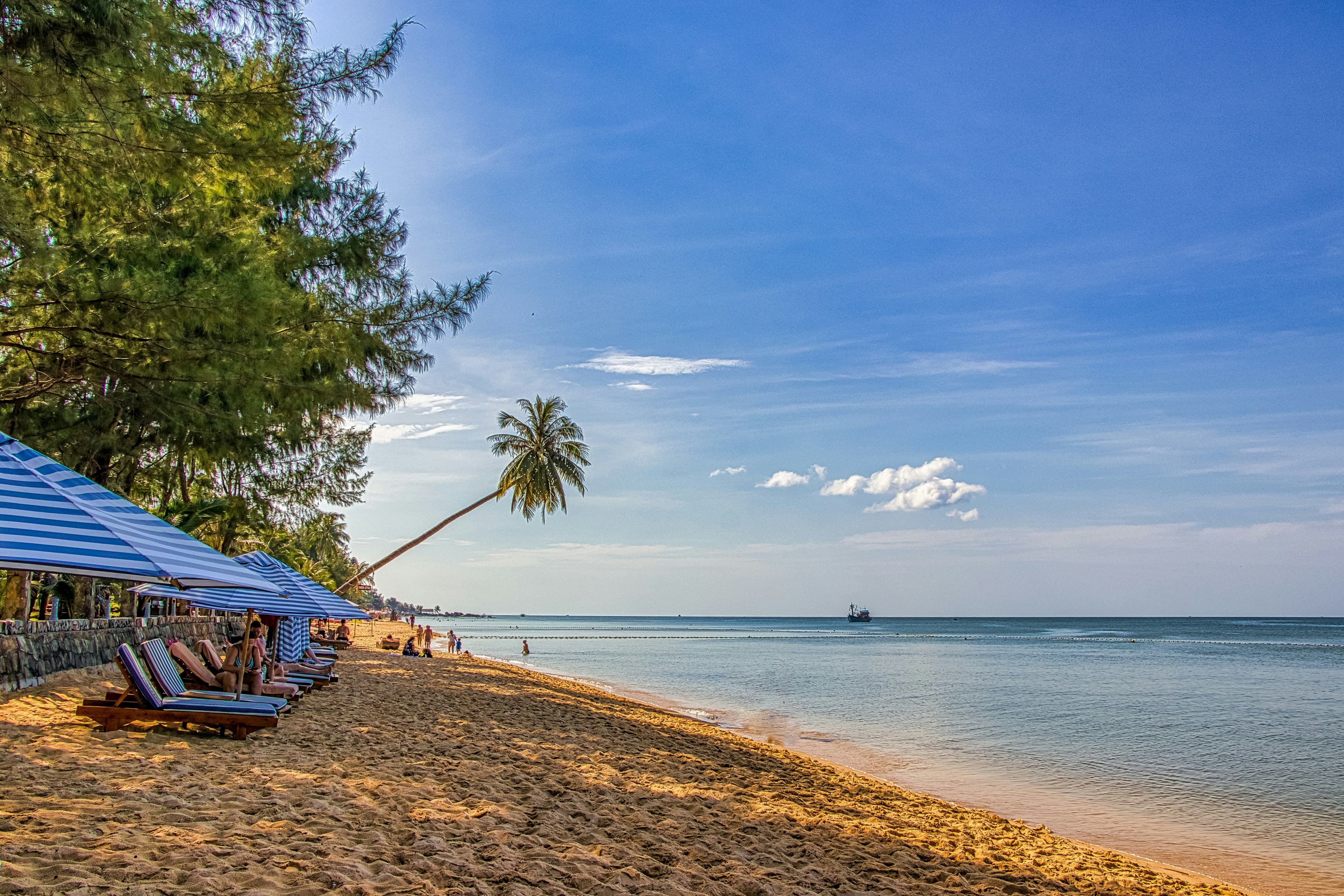
Large parts of the island still remain covered by national park and jungle areas, mainly towards the north where roads become much less developed. Snorkelling and island hopping tours usually leave from An Thoi in the south, taking you towards smaller islands with clear water and coral reefs. Between November and April, weather conditions around Phu Quoc are usually much better compared to the rainy months later in the year.
Best places in Vietnam for different type of trips
Around Vietnam, every region suits a completely different type of trip. Picking places based on what you actually enjoy usually works much better than trying to see absolutely everything.
For first time visitors
Across a first trip through Vietnam, Hanoi, Ha Long Bay, Hoi An and Ho Chi Minh City usually work really well together. Within one route, you’ll get city life, beaches, food culture, nature and historical places without needing to travel into very remote regions.
Roughly two weeks already gives enough time for this route if you include a domestic flight or two. Between Hanoi and Ho Chi Minh City, overnight trains are also a nice option, partly because some routes run directly along the coastline.
For nature lovers
Far north around Sapa and Ha Giang, mountain roads and rice terraces completely take over the landscapes. Down in Phong Nha, giant cave systems and jungle treks create a completely different type of nature trip.
Several national parks also sit close to these regions, including Ba Be National Park near the north and Cat Tien National Park farther south. Between September and November, northern Vietnam usually looks at its best because rice fields turn bright yellow before harvest season.
For beaches
Along the coast near Da Nang and Hoi An, beach days become very easy to fit into your trip. Long stretches of sand run directly alongside the city in Da Nang, and smaller beach areas near Hoi An stay much calmer compared to places like Thailand.
Another nice beach area is Phu Quoc, where you can spend your days swimming in warm turquoise water, taking boat trips around the An Thoi islands and eating seafood directly on the beach after sunset. Around the south of the island, snorkelling and diving tours head towards smaller tropical islands with coral reefs and much clearer water compared to many other beach areas in Vietnam.
For food lovers
Across Vietnam, food changes massively from north to south, so meals in one region can taste completely different a few hundred kilometres later. Around Hanoi, dishes usually come with stronger herbs and slightly saltier flavours, partly because of Chinese influences from the north. This is where you’ll find foods like Bun Cha, grilled pork served with noodles and herbs, Pho Bo with slow cooked beef broth, and egg coffee, which originally started in Hanoi during milk shortages in the 1940s.
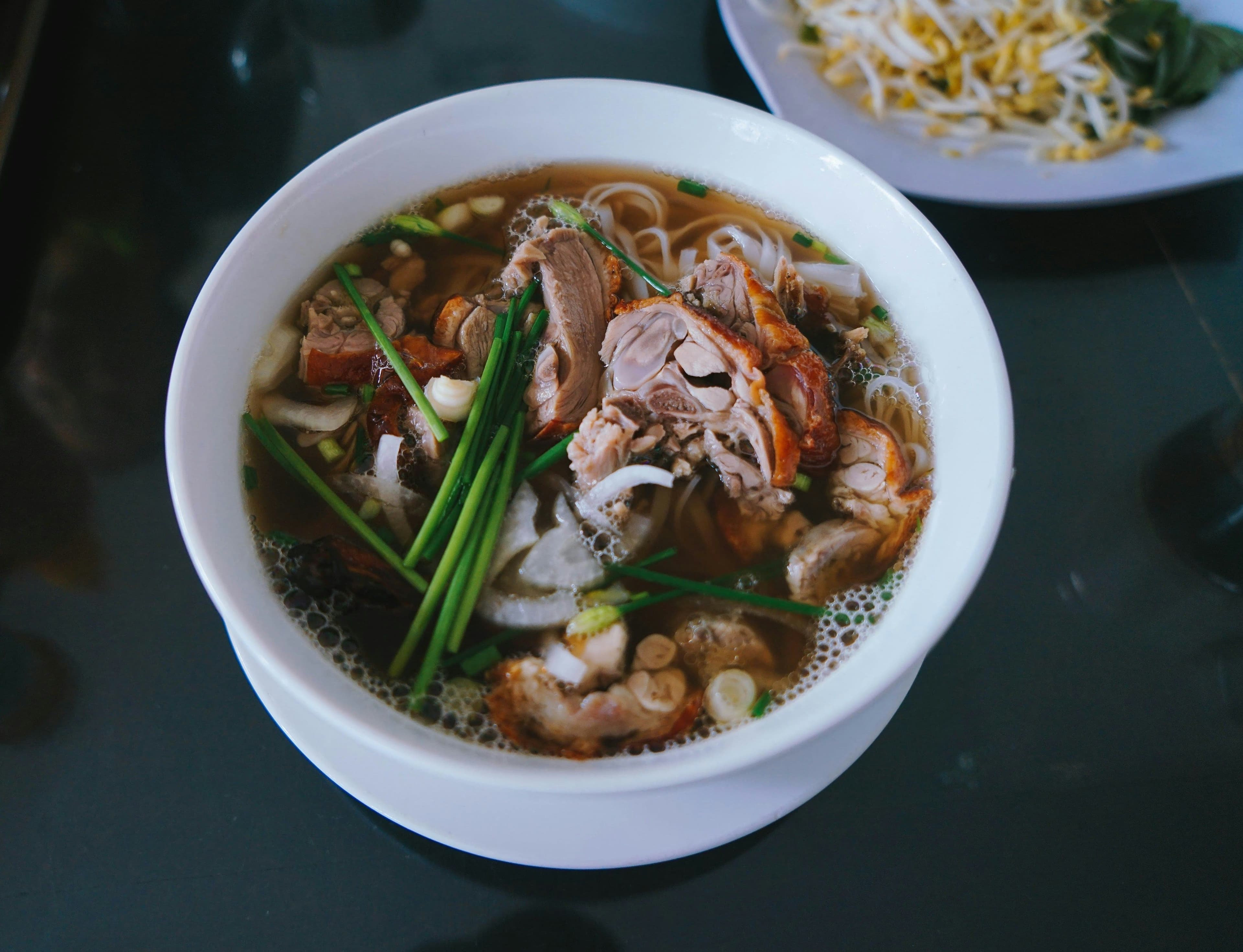
Central Vietnam near Hue is known for much spicier food and smaller royal style dishes once prepared for emperors. Bun Bo Hue comes from this region, a spicy noodle soup with lemongrass and beef, together with dishes like Banh Beo, small steamed rice cakes, and crispy Banh Khoai pancakes. Down south near Ho Chi Minh City, flavours become sweeter and meals usually include more fresh vegetables and seafood. Around local street food stalls, you’ll come across Banh Xeo pancakes, Com Tam broken rice dishes and Hu Tieu noodle soup, which originally came from Chinese and Cambodian influences in the Mekong region.
Want to know more about what food to try and how local culture changes across Vietnam? Take a look at our complete Vietnam travel guide packed with fun facts, practical tips and ideas to help you plan your trip through the country.
Underrated places in Vietnam
Did you know that some of the most beautiful regions in Vietnam still receive far fewer international visitors compared to places like Ha Long Bay or Hoi An? Longer travel days keep many of these areas slightly more hidden, though that is exactly what makes them so special once you get there. Below, we’ll show you exactly where to go if you want to explore beyond Vietnam’s tourist places, including mountain villages, rice terraces and places that still look very untouched.
Mai Chau
A few hours southwest of Hanoi, Mai Chau sits between rice fields and mountains surrounded by small villages built on stilts. Compared to Sapa, roads here stay much easier to reach, which makes this region a good choice for shorter mountain trips.
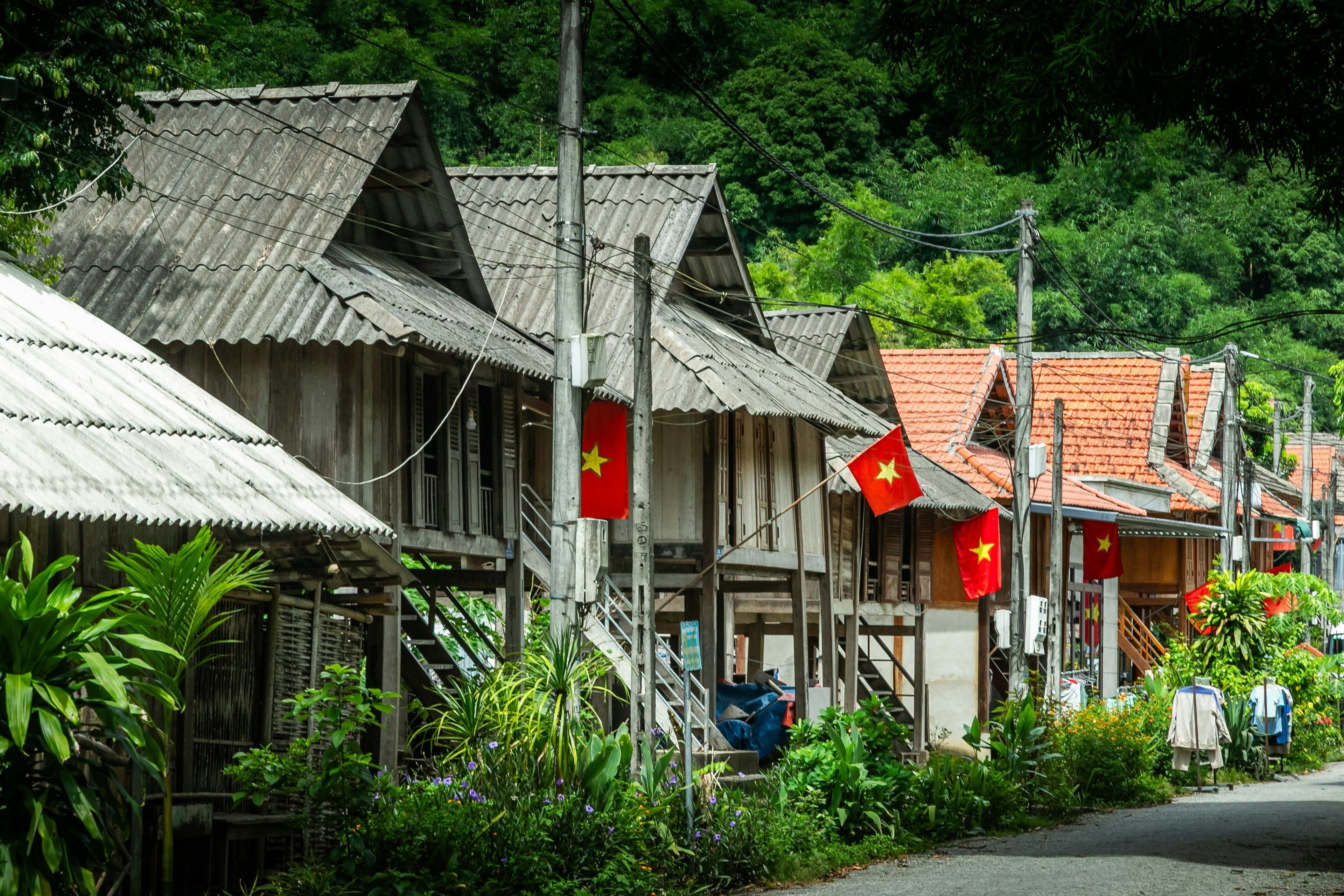
When cycling through Mai Chau you will pass rice fields, buffaloes and tiny farming villages where locals still work outside during the day. Instead of staying in large hotels, you can sleep in wooden homestays with local families, eat home cooked Vietnamese food together and wake up surrounded by mountains and rice terraces.
Pu Luong
Farther south from Mai Chau, Pu Luong stays one of the least visited mountain regions in northern Vietnam. Terraced rice fields cover huge sections of the hills here, connected by narrow roads and walking paths between tiny villages.
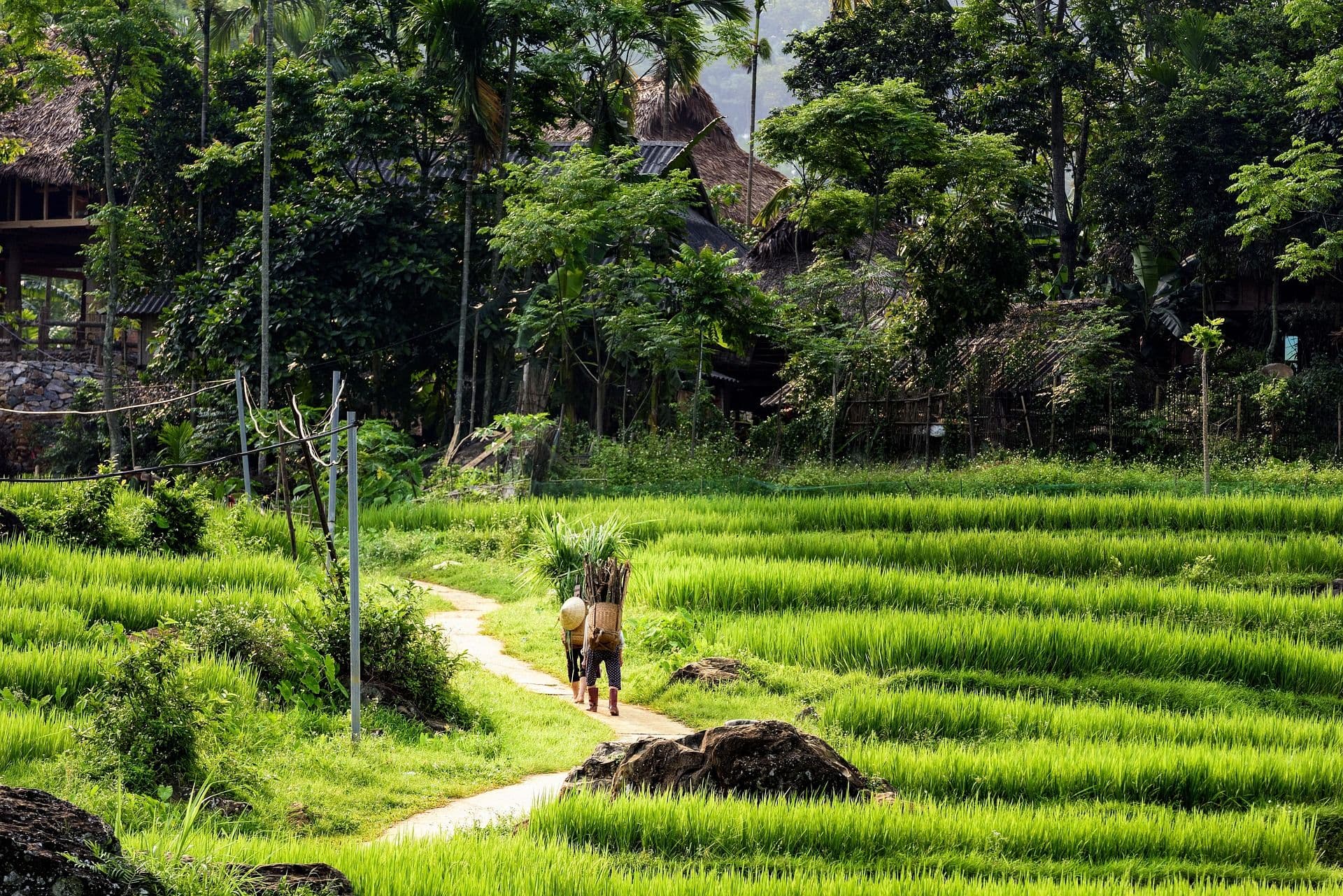
Bamboo water wheels still stand along rivers throughout the valley, originally built for irrigation systems in farming areas. Around harvest season, the entire region changes colour as rice terraces turn yellow before being cut down.
Cat Ba Island
Right next to Ha Long Bay, Cat Ba Island gives you a completely different way to explore the same limestone region. Instead of sleeping on a cruise ship, many people stay on the island itself and take day trips onto the water from there.
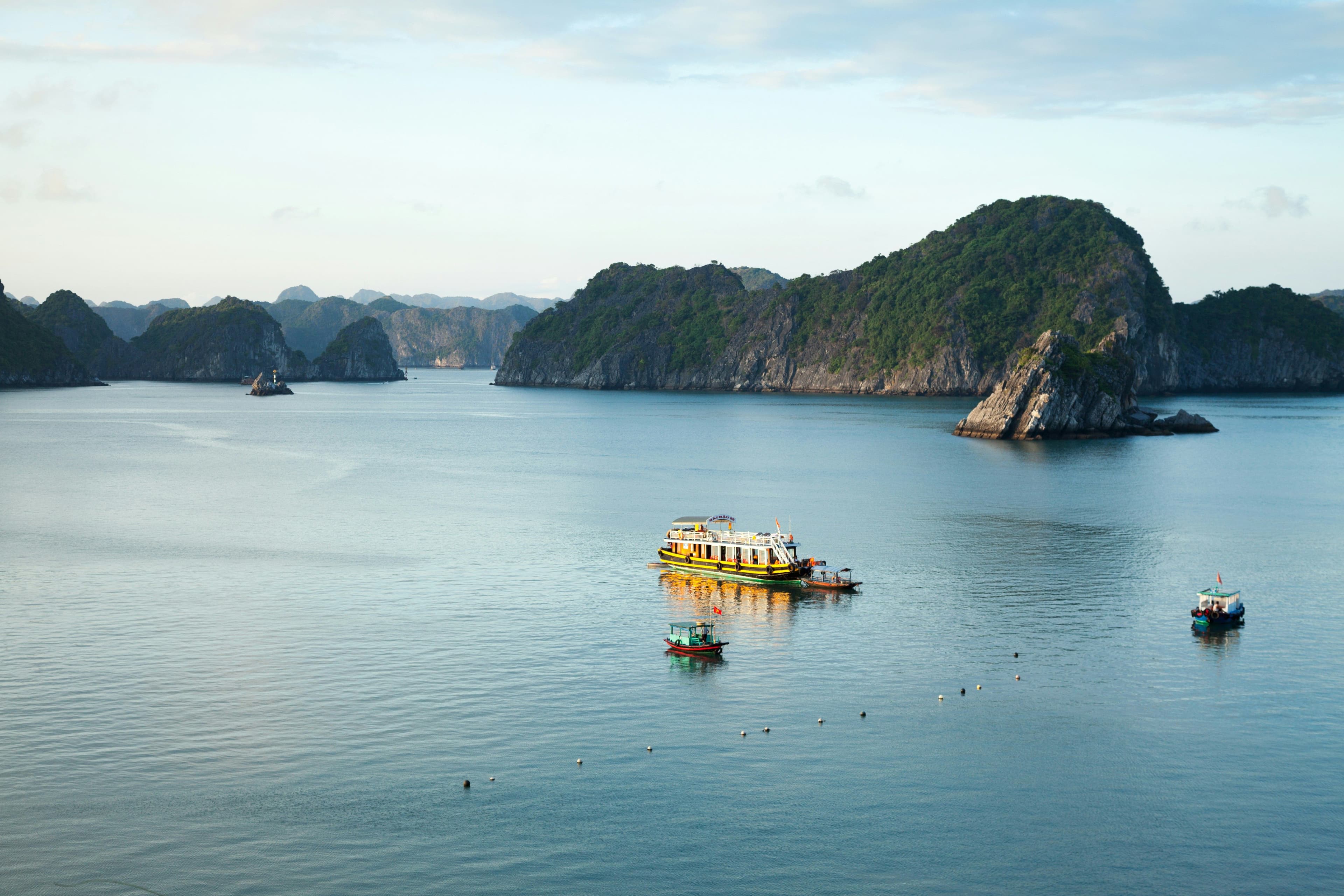
Large sections of Cat Ba are covered by national park and hiking trails. Boat tours around Lan Ha Bay also leave directly from the island, usually passing beaches and smaller limestone islands with far fewer boats nearby compared to central Ha Long Bay.
How many days do you need in Vietnam?
Vietnam stretches over more than 1,600 kilometres from north to south, so covering the entire country takes much more time than many people expect before arriving. Let’s take a look at which regions in Vietnam fit best with the amount of time you have.
Only visiting North Vietnam
Around 7 to 10 days already works really well for northern Vietnam because several highlights sit fairly close together compared to the rest of the country. Within one trip, you can visit Hanoi, Ninh Binh, Ha Long Bay and either Sapa or Ha Giang without spending every second on transport.
Mountain roads around Ha Giang usually take longer compared to standard train routes, though that is also exactly why the region still looks much less developed. Several people also choose to skip Sapa entirely and focus more on Ha Giang because roads there pass through much larger mountain areas and smaller villages.
Guided tip: Staying at least 2 nights in most places keeps your trip balanced.
Only visiting Central and South Vietnam
Down south, distances between beach destinations and cities become much easier for shorter trips. Around 10 to 14 days gives enough time for places like Hoi An, Da Nang, Ho Chi Minh City and Phu Quoc.
Domestic flights between cities here stay fairly cheap compared to Europe, which helps save huge amounts of travel time. Between beach days, food markets and boat trips near the Mekong Delta, this route usually works very well for people wanting slightly warmer temperatures throughout the trip.
Travelling through Vietnam from north to south
Right across the country from Hanoi all the way down to Phu Quoc or Ho Chi Minh City, Vietnam stretches over more than 1,600 kilometres. Around 2 to 3 weeks usually gives enough time to properly see multiple regions without spending your entire trip inside airports and buses.
Want to see how other Guided travellers explored the country? Take a look at this three week Vietnam trip through cities, mountains and beaches.
Where to Visit in Vietnam? Start Here
Across Vietnam, every region gives you a completely different type of trip, which is exactly why planning your route first makes everything easier afterwards. Below, we’ve put together a few simple combinations that work really well.
North Vietnam: Hanoi, Ninh Binh and Ha Giang work really well together for mountain views, rice terraces and road trips.
Central Vietnam: Hue, Da Nang and Hoi An are easy to combine for beaches, food and historical cities without huge travel days.
South Vietnam: Ho Chi Minh City, the Mekong Delta and Phu Quoc fit perfectly together for tropical weather, boat trips and island time.
Instead of trying to see every single place, think about what you actually enjoy most first, mountains, beaches, food, road trips or cities, then plan your Vietnam trip around that. Distances here are much bigger than they first appear on the map, so picking a few regions that fit well together usually ends up giving you a much better experience than trying to squeeze the entire country into one route.
Enjoyed This Blog? Continue Reading!
There is more travel inspiration waiting for you on our blog. You can take a look below and start mapping out your next travel adventure!