

Spain
Spain Travel Guide: Everything You Need to Know
Tapas bars, late dinners and famous landmarks are what most people picture first, yet Spain also includes green mountain regions in the north, volcanic islands off the coast and cities shaped by over 2,000 years of history. Within a few hours, you can move from Barcelona’s coastline to Madrid’s museums, or continue south to Seville where Moorish palaces still stand from the 8th to 15th century. Some regions even have their own traditions, food and identity that feel completely different from the rest of the country. And did you know Spain has one of the largest high speed train networks in Europe, making it possible to cross big parts of the country in just a few hours without needing a car. All of this means you can build a trip around cities, food, coastlines and culture, depending on what you like. In this Spain travel guide, we’ll walk you through where to go, what to add to your route and how to plan a trip that fits you.
5 reasons to visit Spain
In places like the Alhambra and the Mezquita, you can walk through buildings that go back to the 8th century.
Spain has incredible nature, from green mountains in the north to dry landscapes and beaches in the south
You can visit big iconic spots like the Sagrada Familia, but also loads of smaller streets and areas
Your days kind of revolve around eating, and grabbing small plates in tapas bars.
Getting around in Spain is easy, with trains that take you across the country in just a few hours.
Best places to travel to in Spain
Not sure where to start when you plan to visit Spain? You’ve got a lot of options, but the good thing is most places connect pretty well. So if you’re wondering where to visit in Spain, these are the places you’ll probably want to look at first:
Barcelona for architecture and coastal energy
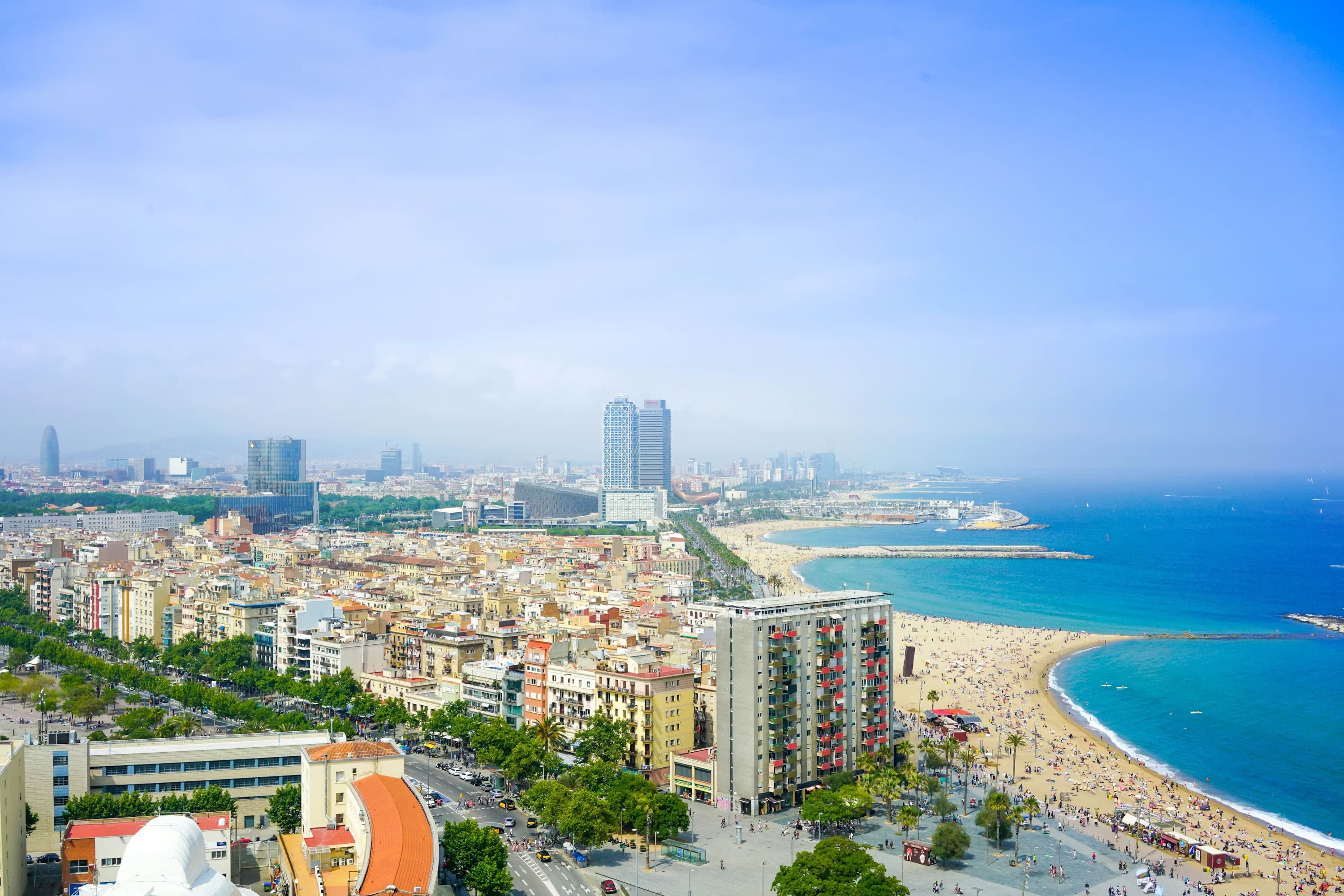
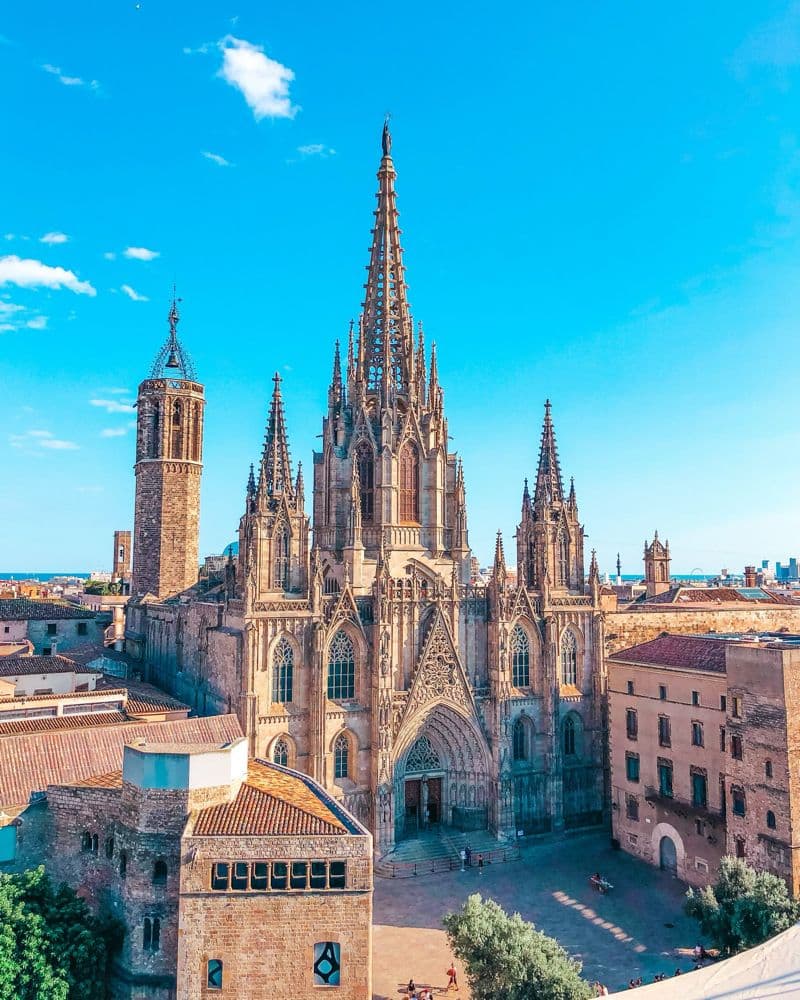
Barcelona is one of the best cities in Spain to travel to. You’ll probably end up switching between the city and the beach without even planning it that way. Around the Sagrada Familia, you’ll notice straight away how different the buildings look compared to anything else you’ve seen, and once you walk into areas like de Sant, things start to get a bit more local. The beaches of Barcelona are close enough to just pop over for a bit, even if it’s just for an hour. It gives you a bit of everything without needing to travel around too much.
Madrid for culture and museums
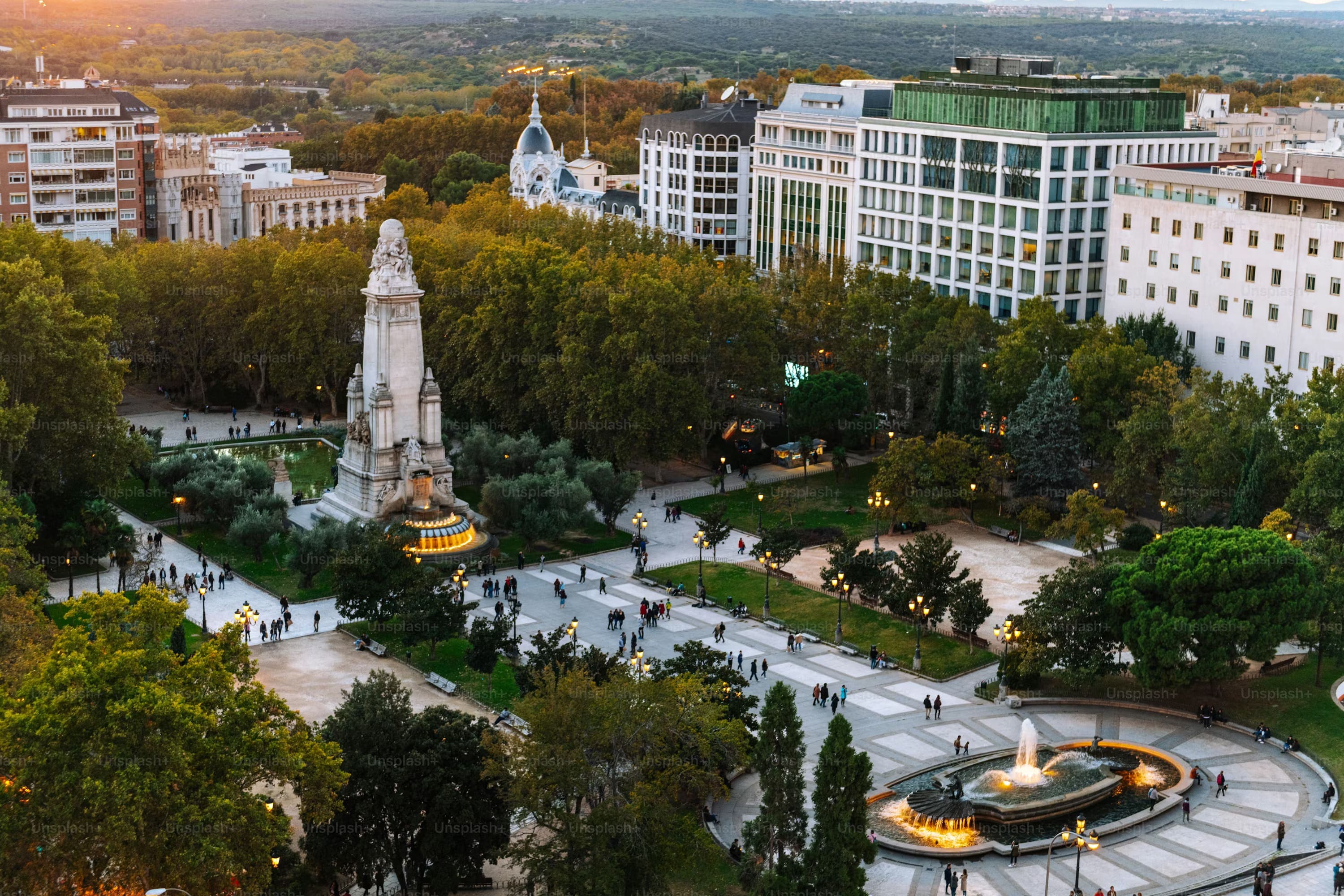
In Madrid, everything feels quite central, which makes getting around really easy once you’re there. Around the city, spots like Retiro Park give you a place to slow down for a bit, and areas like Malasaña or La Latina are great for just walking around and seeing where you end up. For art lovers, places like the Prado and Reina Sofía are the kind of museums where you can easily spend a few hours without noticing the time. Through the evening, the city stays active for much longer than you might expect, so your days naturally stretch into the night. Just outside the city, Toledo makes a really nice day trip, with its old streets, hilltop views and a layout that feels completely different from Madrid, all reachable in about 30 minutes by train.
Seville and southern Spain for tradition
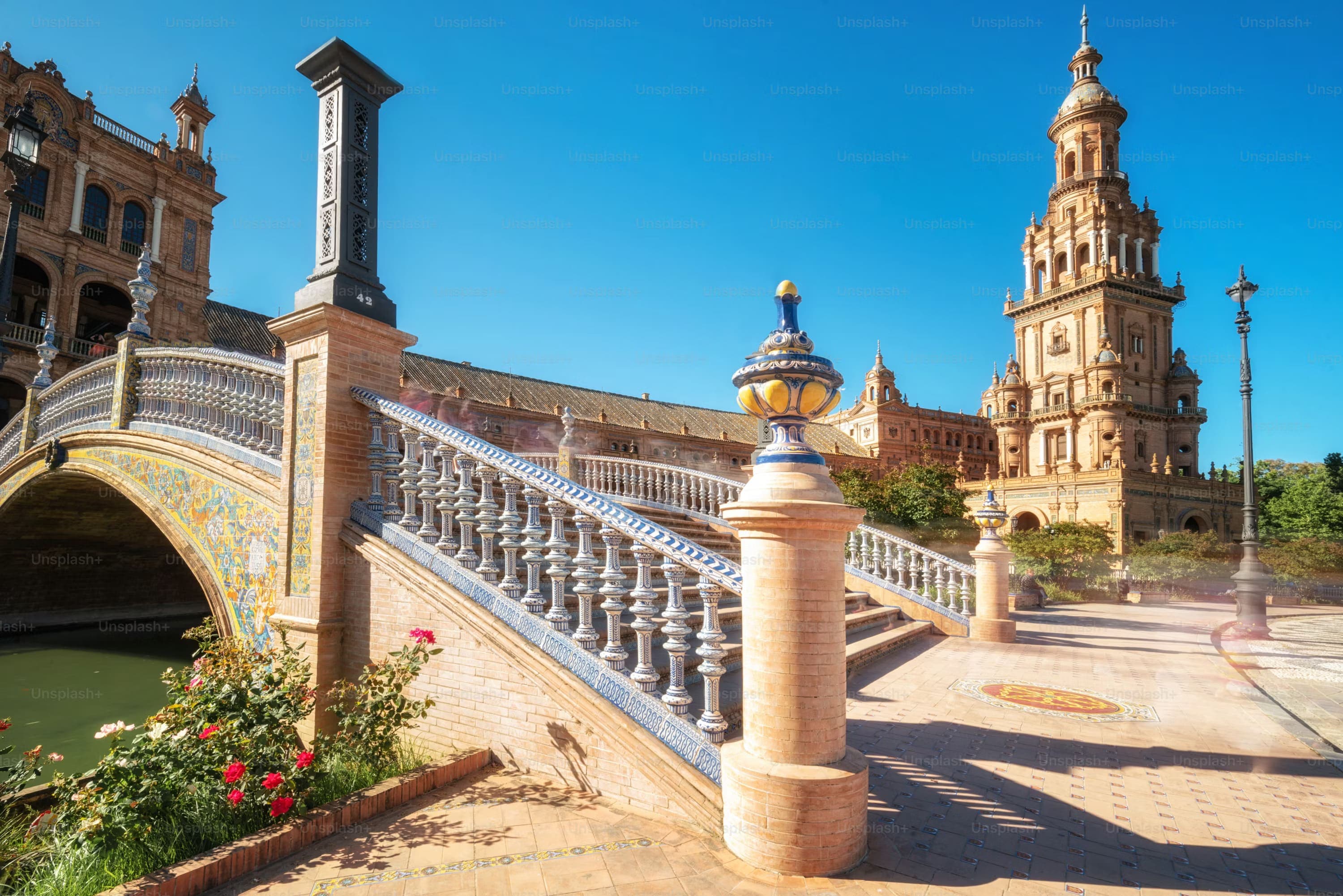
In Seville, you’ll notice pretty quickly how much history is part of the city, from small streets to places like the Alcázar. Across southern Spain, traditions like flamenco and local festivals are still very much part of everyday life. Staying here works really well if you’re looking for culture, history and a slightly slower pace compared to the bigger cities.
The Basque Country for food and scenery
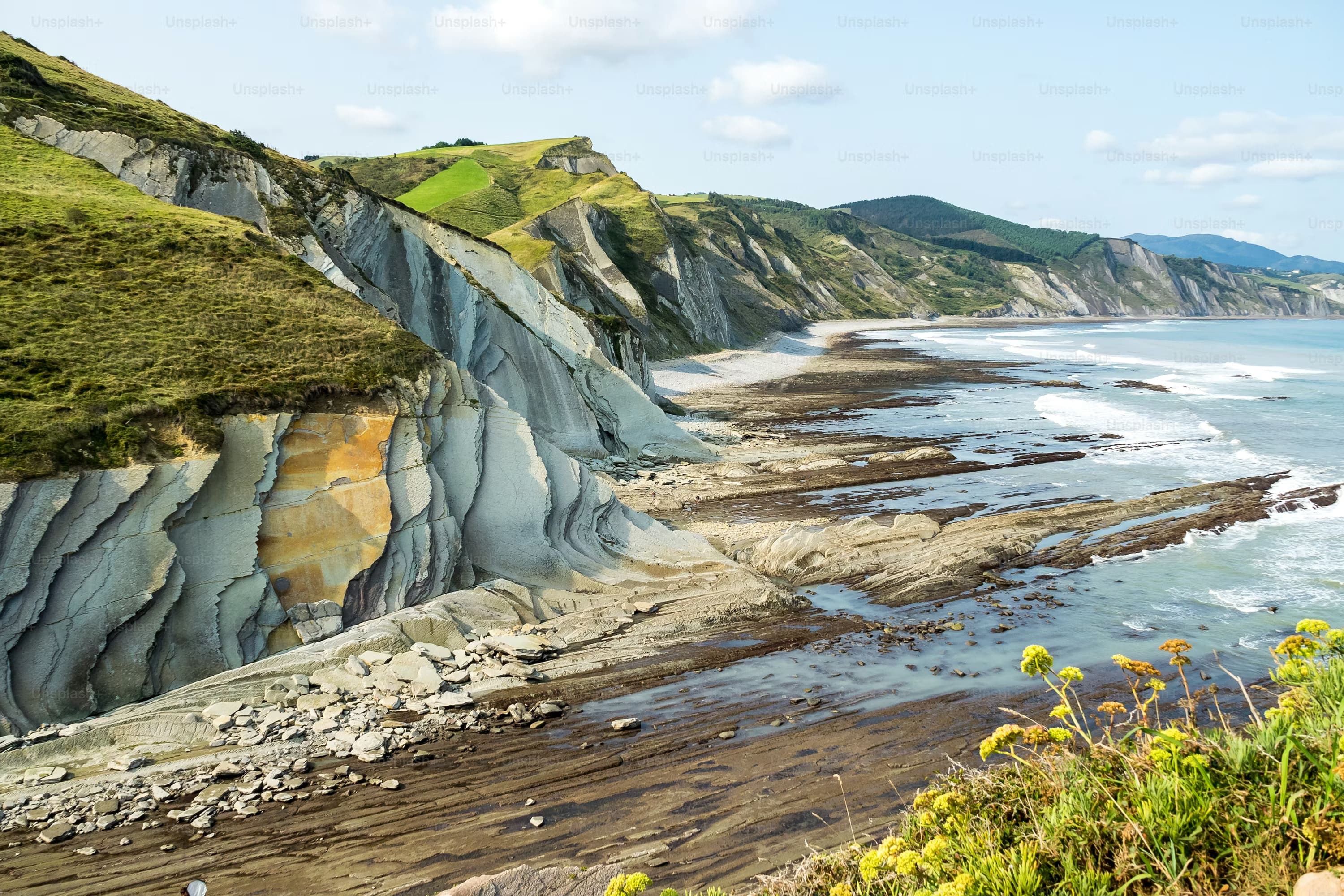
In the Basque Country, things start to look completely different, with greener landscapes and a mix of beaches and mountains. Around Bilbao, you can visit the Guggenheim Museum. Along the coast, places like San Sebastián give you a mix of beaches and old town streets, where you can walk between viewpoints and stop for food along the way. Further along, smaller towns like Getaria or Zarautz bring a more local vibe, with coastal walks and views over the ocean. Spending time here makes sense if you want to explore a side of Spain that feels very different from the south, with a stronger focus on nature, beaches and local food.
Costa del Sol and islands
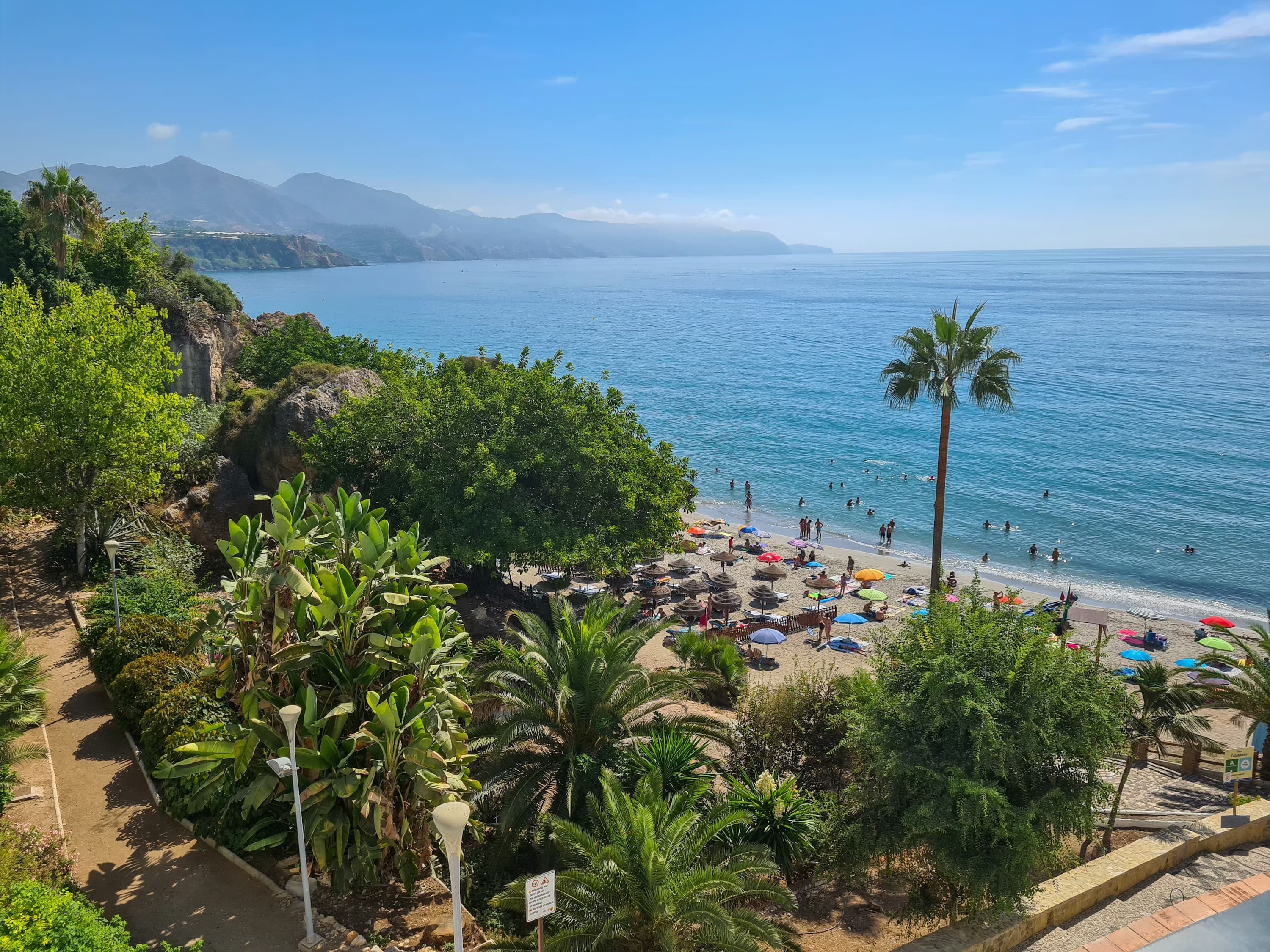
Along the Costa del Sol, places like Málaga, Marbella and Nerja are all about being close to the sea. Around Málaga, you can explore the old town, visit the Alcazaba and walk up to viewpoints over the city, and in Nerja you’ll find beaches tucked between cliffs and the well-known Balcón de Europa. Everything is really close to each other, so it easy to move between towns.From here, flights to Mallorca take around 1 hour and Ibiza around 1.5 hours, so adding an island to your trip doesn’t take much planning. Over on the islands, days can be spent on smaller coves, boat trips along the coast or exploring quiet villages inland. Compared to the mainland, island life leans more towards beach time and slower days, with less focus on big cities and more on being outdoors.
Granada and the Alhambra
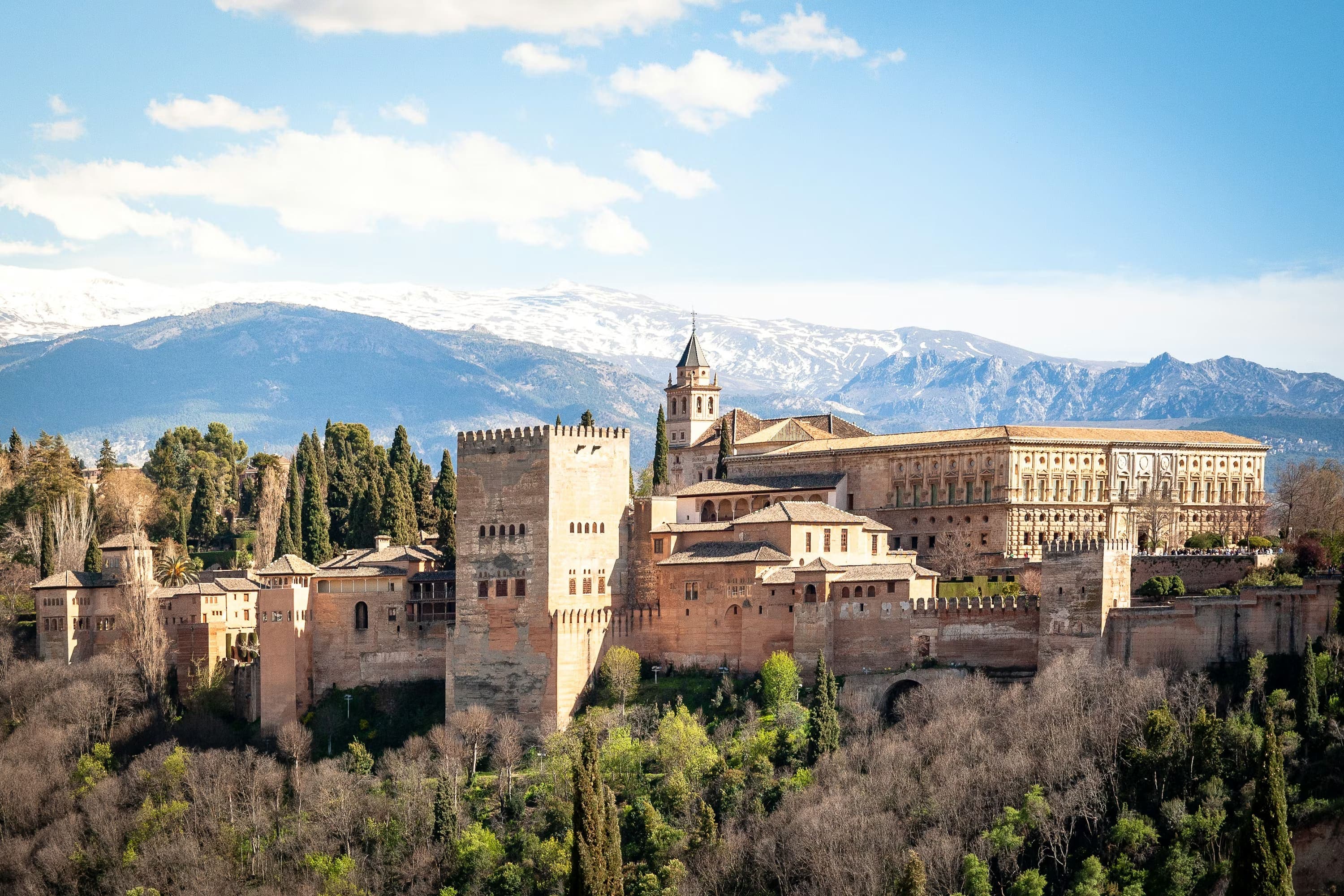
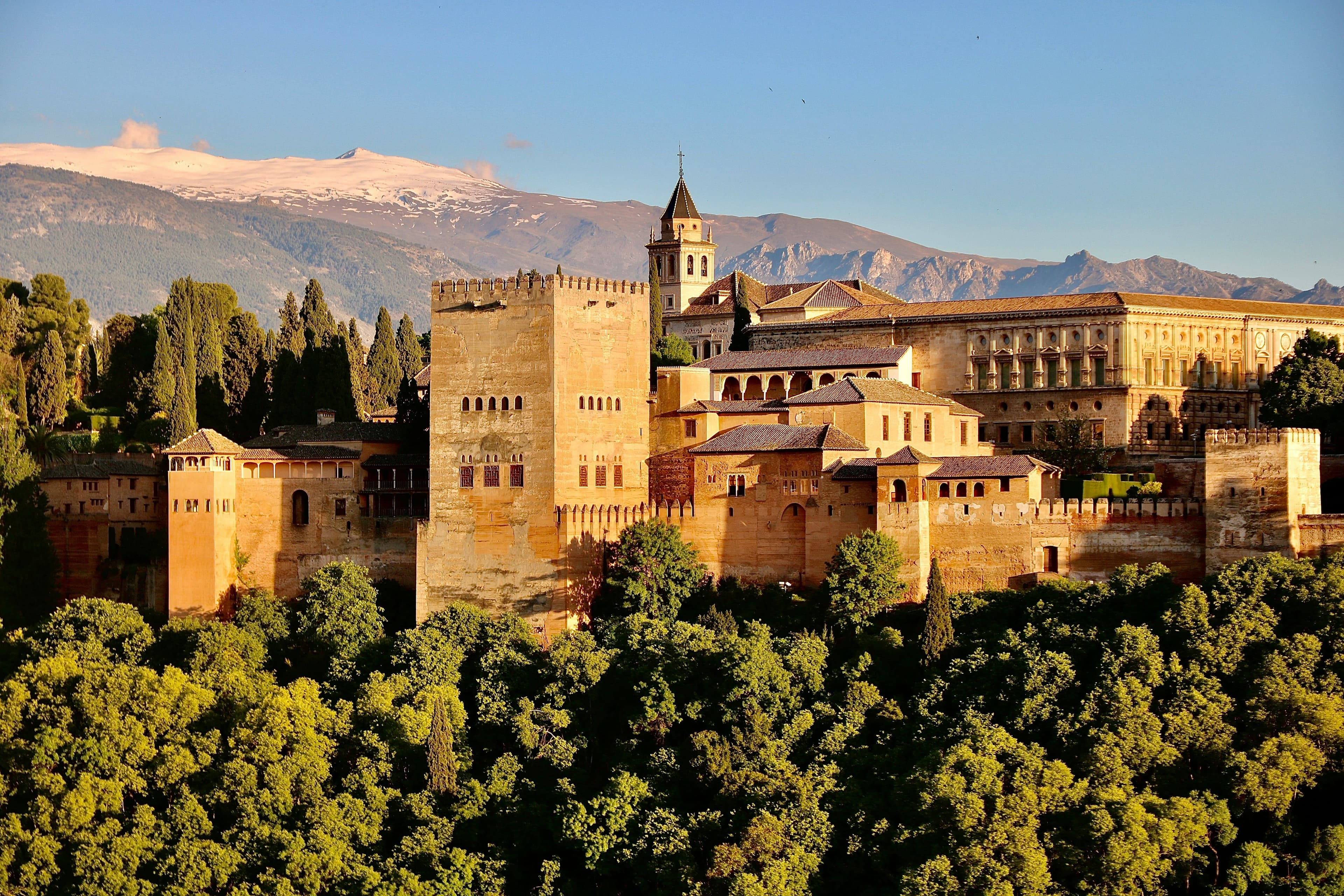
In Granada, the Alhambra sits above the city and it’s one of those places you’ve probably seen in photos before, but it’s actually quite different once you’re there. From the top, you can see the entire city and mountain range. Around the city itself, smaller streets and neighbourhoods give you a more local side of things. Pairing Granada with Seville works really well if you’re heading through the south.
Córdoba and Toledo
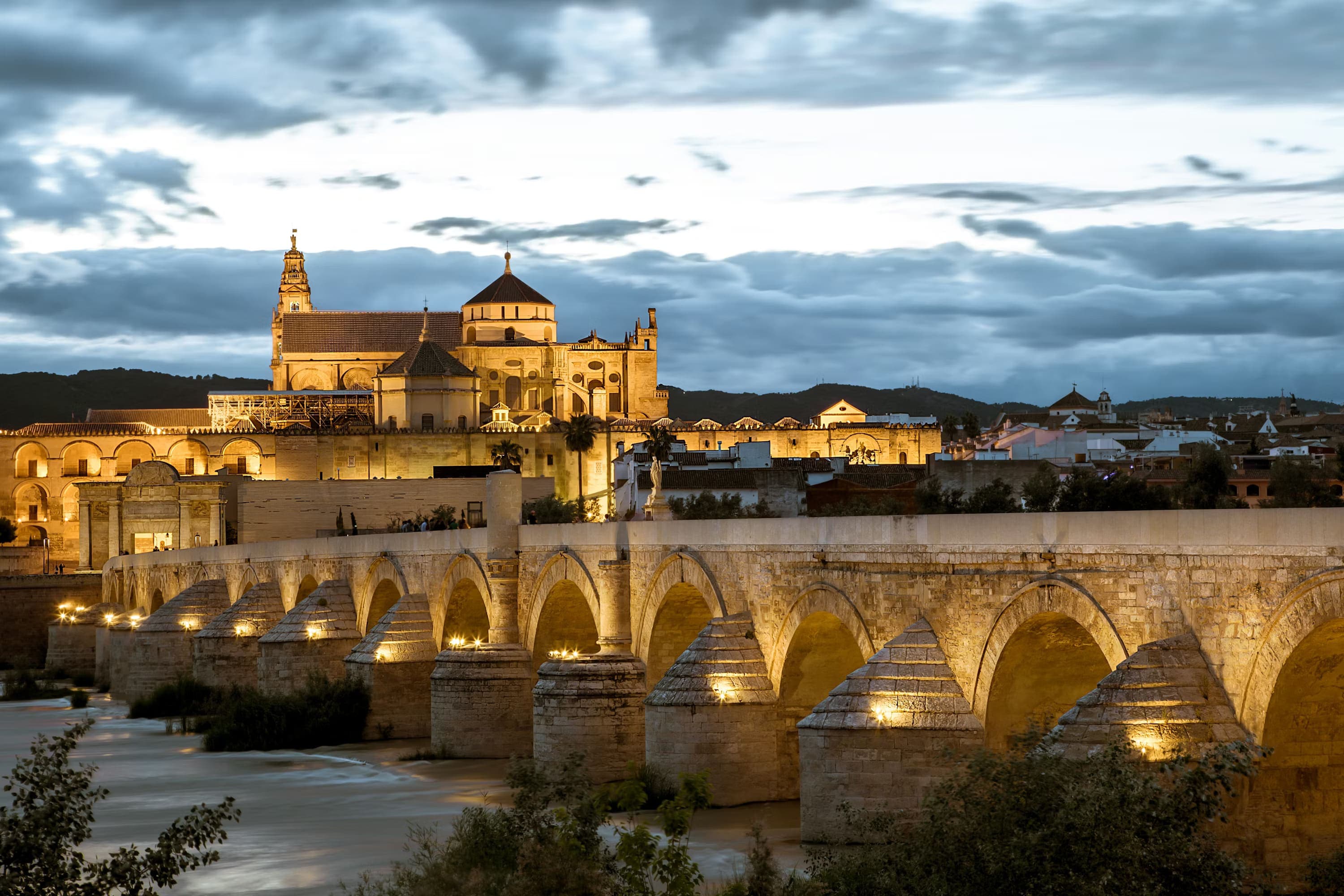
In Córdoba and Toledo, you’ll notice how different time periods all come together in one place. Once you’re in Córdoba, that Mezquita is one of those places where you just keep looking around because of all the arches inside. Over in Toledo, you can enjoy views of the city sitting on a hill with the river around it, which is really nice to see in person. Even though you don’t need a lot of time in either place, adding one of them to your trip just gives you something completely different from the bigger cities.
Ronda and the white villages of Andalusia
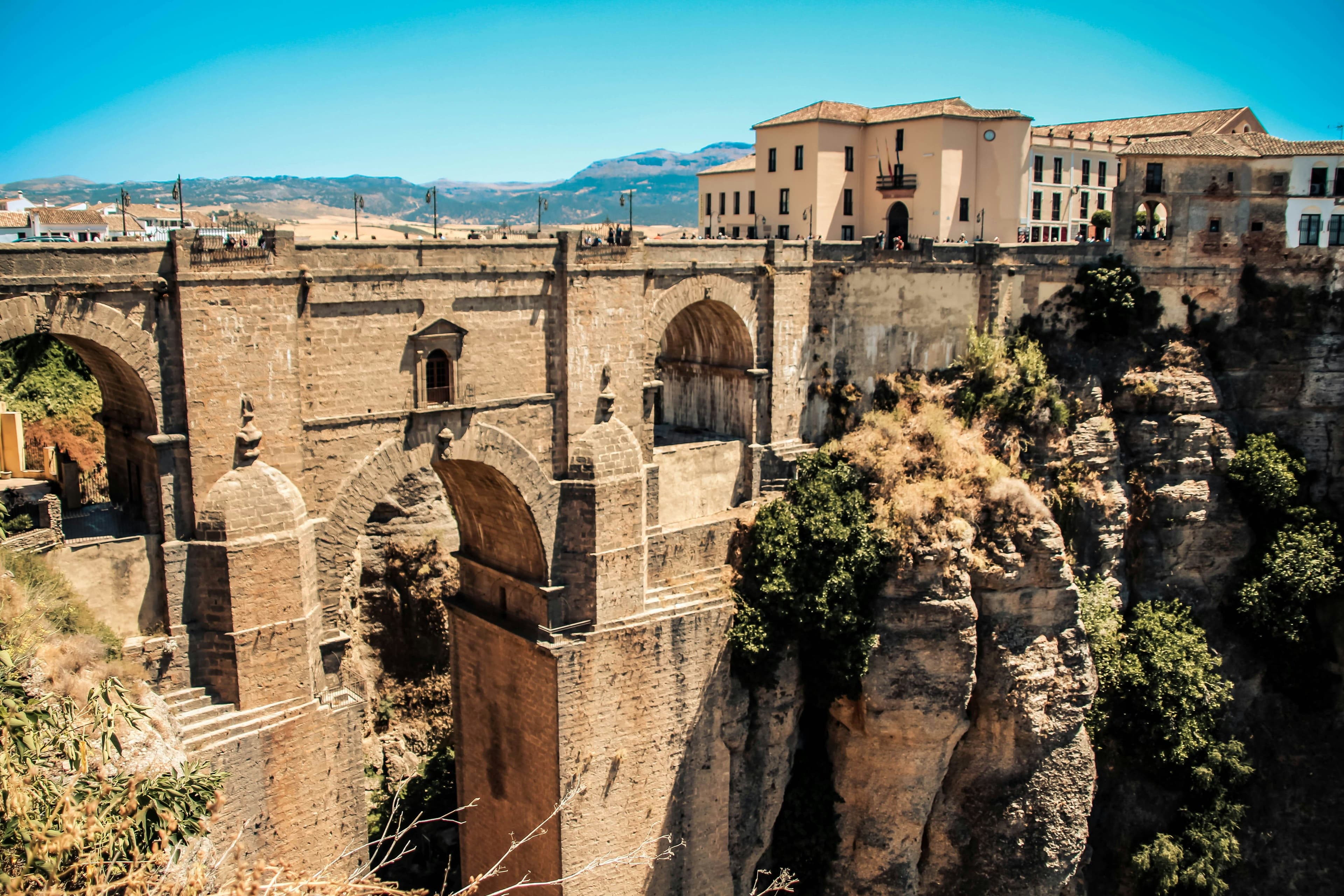
In Ronda, the bridge over the gorge is one of those views you’ll remember forever. The smaller white villages give you a quieter side of Andalusia that you won’t find in bigger cities. Getting between these places is much easier if you rent a car, since public transport doesn’t connect everything directly.
Spain Itinerary ideas for your trip
Even though getting around Spain is pretty straightforward, having a rough plan before you go just saves you a lot of time once you’re there. We’ve put together three itineraries that connect the best things to see in Spain in a way that makes sense.
7-day Spain itinerary
Day 1–2: Barcelona
Day 3–4: Madrid
Day 5–7: Seville
10-day Spain itinerary
Day 1–3: Barcelona
Day 4–5: Valencia
Day 6–7: Granada
Day 8–10: Seville
From Barcelona down to Valencia works really smoothly along the coast, and from there heading into Granada brings you straight into that southern Spain vibe with the Alhambra and mountain views. After that, Seville is a really nice final stop since it’s close enough to Granada and gives you a completely different city atmosphere.
14-day Spain itinerary
Day 1–3: Barcelona
Day 4–5: Valencia
Day 6–7: Granada
Day 8–10: Seville
Day 11–12: Córdoba
Day 13–14: Málaga or Nerja (Costa del Sol)
From Barcelona down to Valencia follows the coast, so that part already feels smooth. From there, heading into Granada brings you straight into southern Spain, and once you’re there, everything sits relatively close together. Seville, Córdoba and the Costa del Sol all connect well by train or short travel times, so you’re not wasting days moving around.
Want more inspiration? Check out the following trips:
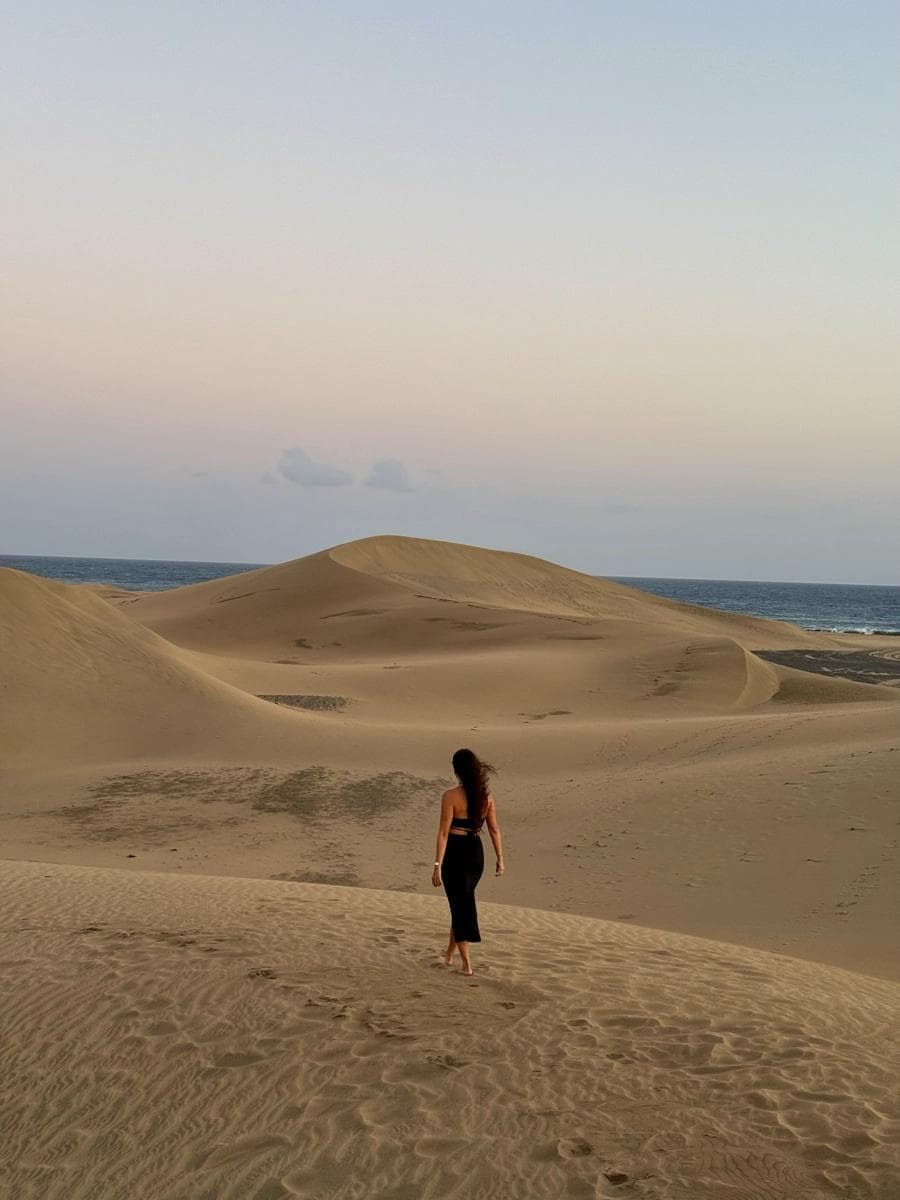

What to do in Spain
Now that you know where to go during your trip to Spain, the next step is figuring out what you actually want to do once you’re there. We’ve gathered a few of the best things to do in Spain:
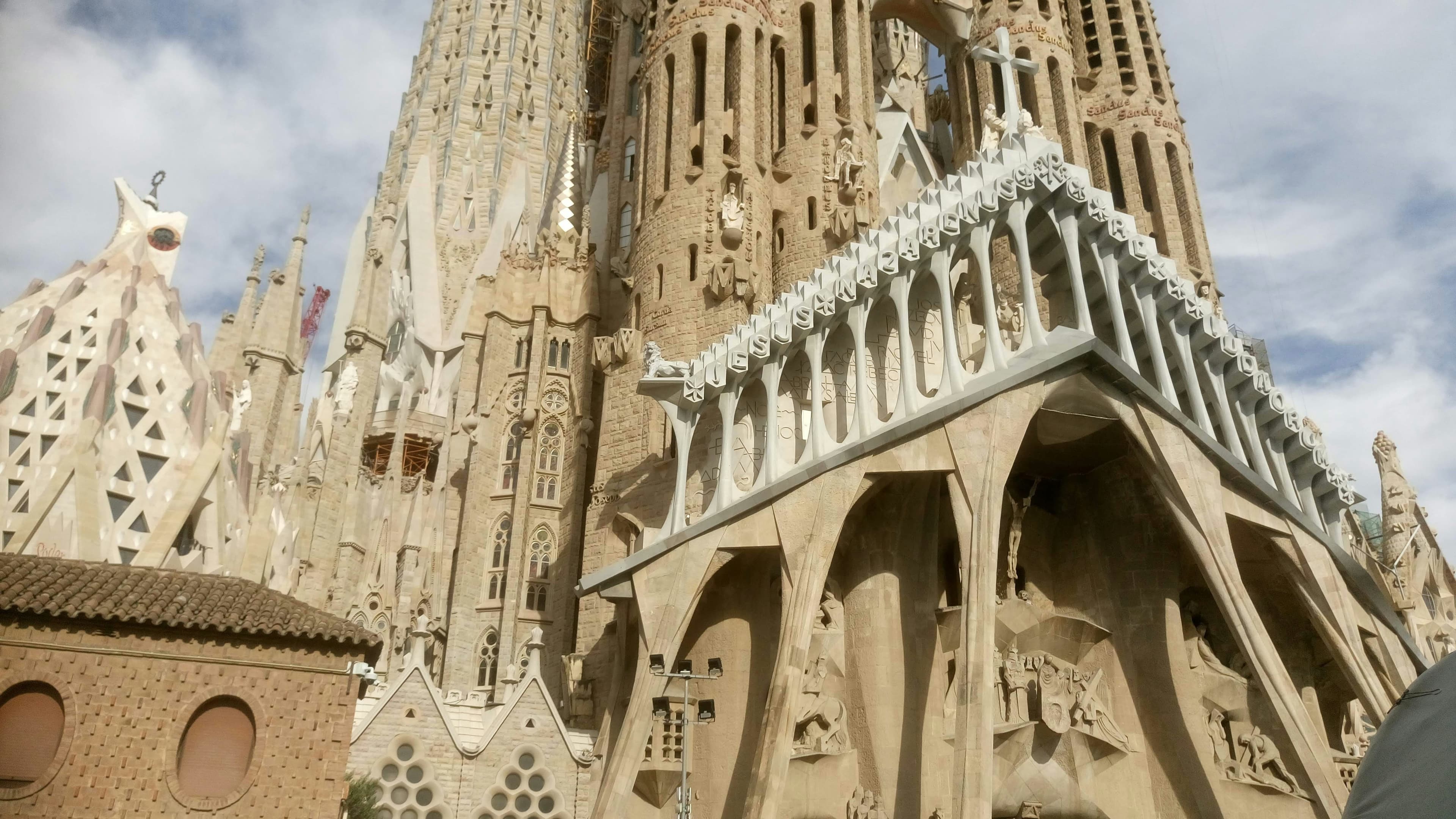
Walk through the Sagrada Familia and the streets around it
You’ll probably already have the Sagrada Familia on your list, and it really lives up to what you expect. Inside, colours shift through the windows depending on the light, which makes going during the day a better idea. Around the area, streets are full of small cafés where you can sit down for a bit afterwards. Because entry works with fixed time slots, sorting this ahead avoids standing around waiting once you’re there.
Spend an evening hopping between tapas spots
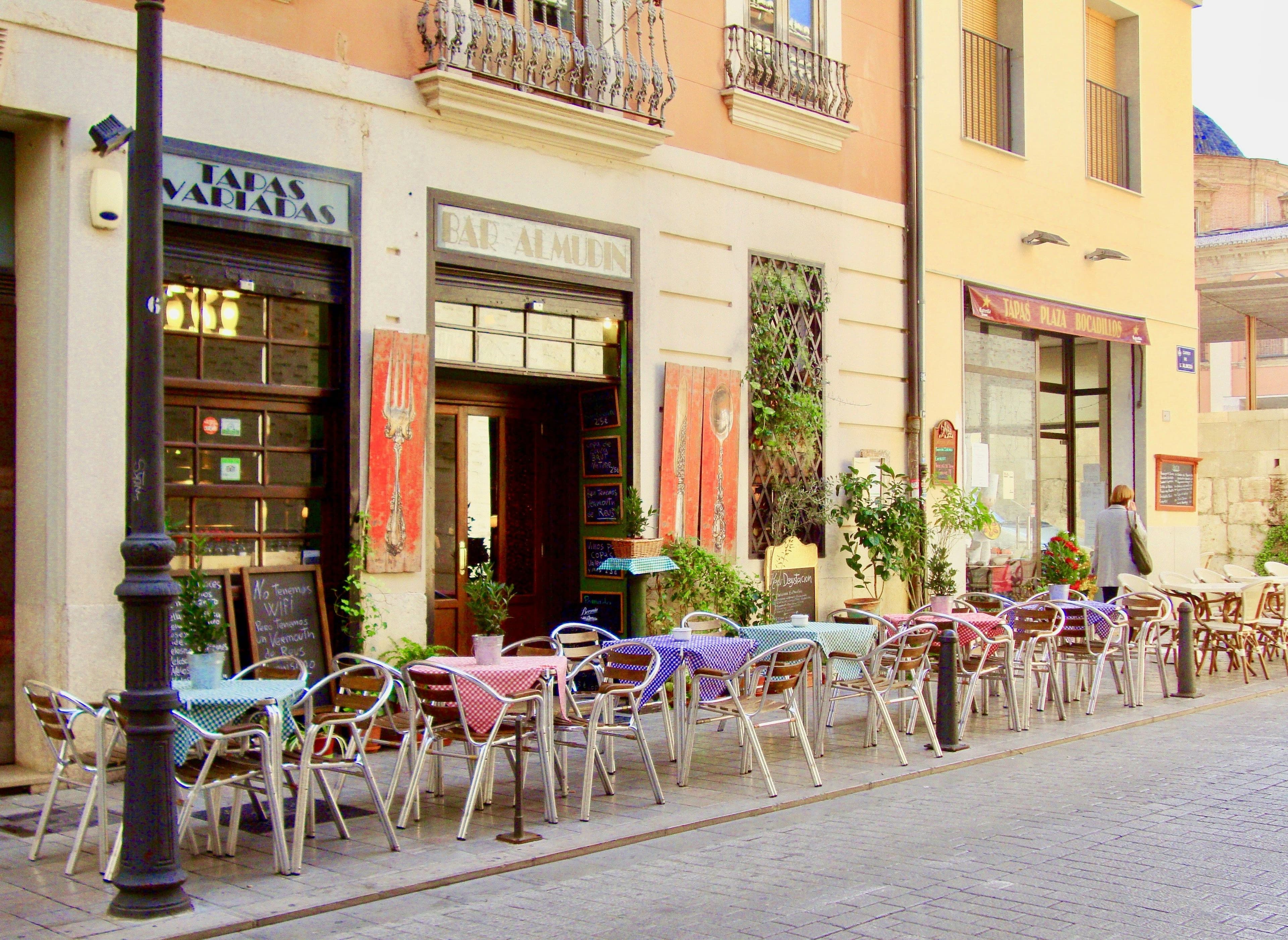
You might notice people moving from one place to another instead of staying in one restaurant. Ordering a few small dishes each time lets you try way more food. In cities like Madrid and Seville, entire streets are filled with places where you can just walk in and move on again after a drink or a bite.
Watch a flamenco show in Seville or Granada
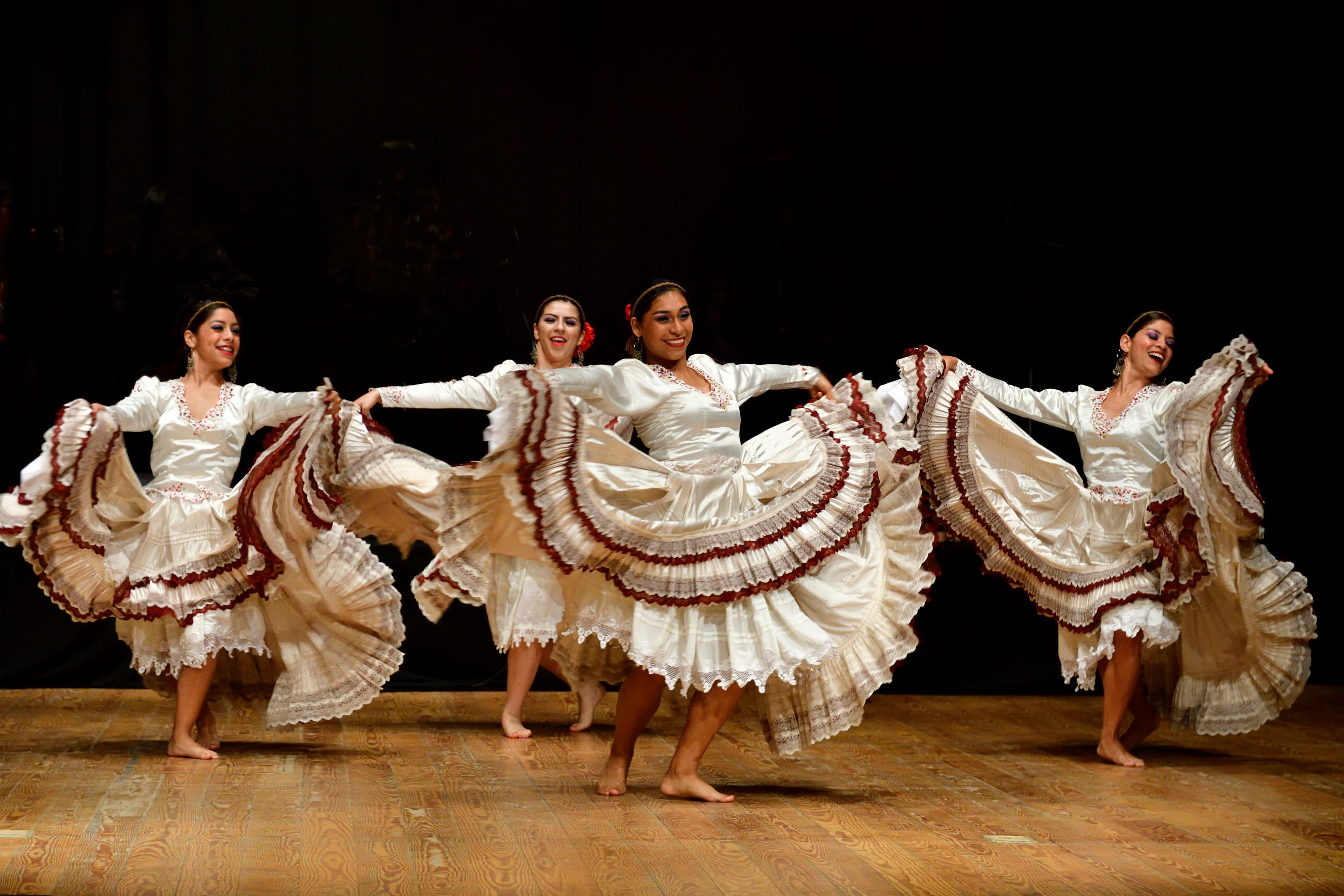
During the evening, stepping into a smaller flamenco venue gives you something completely different from anything else you’ve done that day. Music, singing and dancing all come together in a way that’s quite intense, even in a small space. Smaller venues usually give a more personal experience compared to larger theatres.
Head up to Ronda and walk across the bridge
A bit outside the bigger cities, Ronda gives you one of those views you’ll remember afterwards. From the bridge, you’re looking straight down into a deep gorge, which is very impressive in real life. From Málaga, getting there takes about 1.5 to 2 hours by car, which makes it a solid day trip option. With an overnight stay, you get extra time to explore without needing to head back straight away.
Visit the Alhambra in Granada with a timed ticket
In Granada, the Alhambra sits above the city and it’s one of the main reasons people visit this area. Inside, different sections take you through courtyards, gardens and buildings that go back centuries. A visit here usually takes a few hours, since there’s quite a lot to see once you’re inside. This too works with specific time slots, so make sure to arrange your tickets a few days in advance.
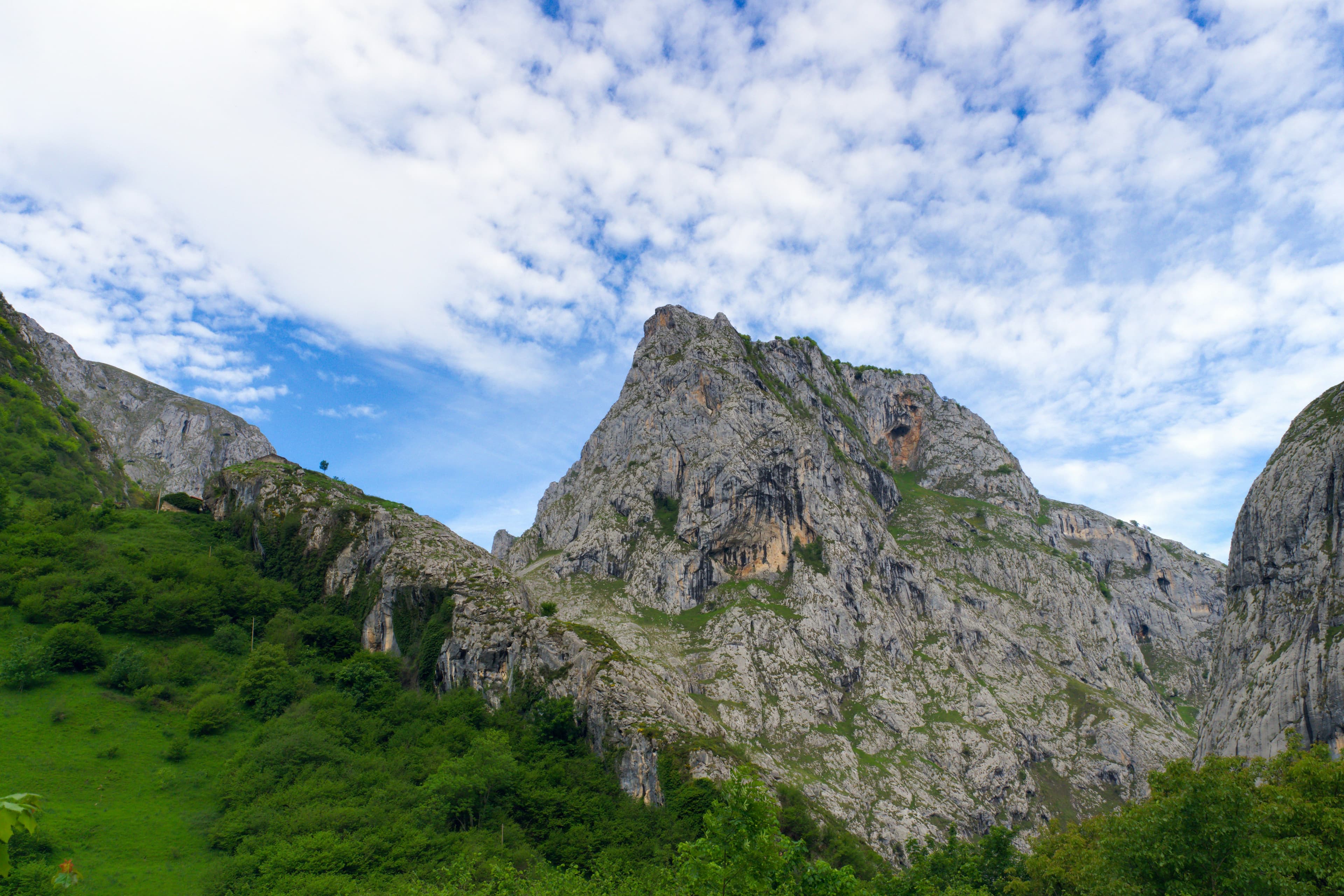
Go hiking in the Picos de Europa
Up north, everything looks completely different compared to the south, with mountains and cooler air. Short walks and longer hikes are both possible, depending on how much time you’ve got. The nearby villages give you a place to stay close to the trails. Since public transport doesn’t reach most starting points, having a car makes things a lot easier here.
When to visit Spain
Different months work better depending on what you want to do, so it helps to figure that out first before you pick your dates for Spain.
Spring: great for cities and walking around all day without it getting too hot
Summer: best for beach areas and island trips, but cities can get very warm
Autumn: still warm in many regions, with fewer people around
Winter: good for city trips and southern areas with milder temperatures
Not sure when to go? Read our guide about the best time to visit Spain, where you’ll find exactly when to go for cities, beaches, road trips and more.
Where to stay in Spain
A lot of people end up staying in Barcelona, but there are quite a few other areas that can work just as well depending on what you want your days to look like. Let’s take a look at your options so you can decide what suits you.
Stay in Barcelona if you want city and beach together
Right in Barcelona, staying close to the centre means you can walk to most places without thinking too much about transport. The beaches are close enough to add into your day without planning around it. And areas around Eixample or El Born give you easy access to both sights and restaurants.
Stay in Madrid for easy connections
In Madrid, staying near the centre or close to a main station makes travelling to other cities much easier. From here, trains take you to places like Toledo in about 30 minutes, so day trips are simple. Evenings go on longer, so being able to walk back to your stay helps a lot.
Stay in Seville or Granada for southern culture
Down south, Seville and Granada both work really well as a base, depending on what you want to see. In Seville, places like the Alcázar, the cathedral and the old Jewish quarter are all within walking distance, so you don’t need transport much. From there, Córdoba is about 45 minutes away by train, which makes it an easy day trip to see the Mezquita. In Granada, the Alhambra sits right above the city, so you can combine that with exploring smaller neighbourhoods below. During spring, summer and early autumn, temperatures stay high during the day, which usually means heading out later and spending more time outside in the evening.
Stay along the coast for a more relaxed part of your trip
Along the coast, places like Málaga or Marbella give you easy beach access without needing to move around much. Staying near the sea saves you time going back and forth during the day. From Málaga, day trips to places like Ronda are easy to organise. Ending your trip here works really well after visiting cities.

Did you know you can create your own itinerary?
Now that you have a better idea of where to go in Spain and what to do there, you can start creating your own trip. Do you want to travel from north to south, or would you rather spend more time in one area and really get to know it? It’s all up to you. You can easily create your own trip in the Guided app for free, or use trips shared by others.
Getting around when travelling to Spain
Once you start planning your route, getting around is actually pretty straightforward, as long as you use the right tools.
Travel between cities by train
Between major cities, trains are usually the easiest way to move around, and what’s nice is you don’t really need to plan too far ahead. From Madrid to Barcelona, you’re looking at about 2.5 to 3 hours, which is faster than flying once you include airport time. If you download apps like Trainline, you can check schedules and prices across different train companies in one place.
Use a car for smaller towns and road trips
Outside the bigger cities, things change pretty quickly, and that’s where having your own car helps a lot. For places like Ronda or smaller villages in Andalusia, public transport doesn’t really connect everything directly. With a car, you can stop wherever you want instead of planning your whole day around one bus. Picking one up at the airport is usually easier than in the city itself. A few days with a car in one region is usually enough, instead of keeping it for your whole trip.
Take buses for routes trains don’t cover
For routes where trains don’t go, buses fill in the gaps pretty well. Companies like ALSA run between most cities and towns, and you can book everything directly on their site. This type of travel takes a bit longer compared to trains, so this works best for shorter distances. What’s nice is that stations are usually central, so you don’t need extra transport to get there.
Food and drinks you’ll want to try when travelling to Spain
Spain isn’t really about fancy dining or complicated menus. Small bars, local spots and quick stops between places are usually where you end up finding the best bites. Here are a few you really don’t want to miss:
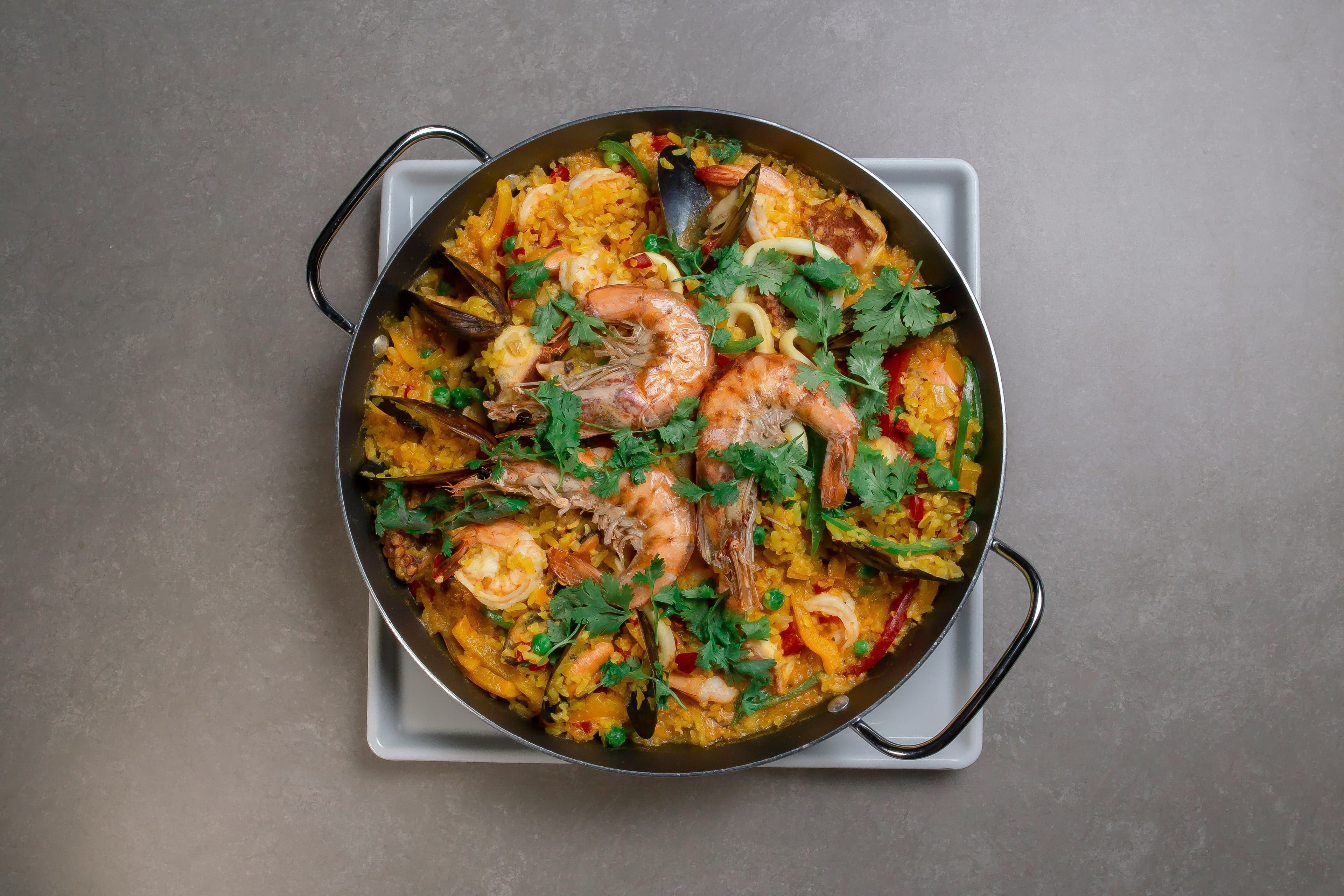
Try paella in Valencia
In Valencia, paella is the dish you’ll want to try where it actually comes from, not just anywhere along your trip. It’s a rice dish cooked in a wide pan with ingredients like seafood, chicken or rabbit, seasoned with saffron, which gives it that yellow colour. Traditional versions are cooked in large pans and meant to be shared. Ordering it for lunch works best, since locals don’t really eat it in the evening.
Order patatas bravas and tortilla española
These two show up almost everywhere. Patatas bravas come as fried potatoes with sauce, and tortilla is a thick omelette with potato and onion. Between cities, recipes change slightly, so it’s fun to compare.

Taste jamón ibérico in central and southern Spain
In many bars, you’ll notice large legs of ham hanging behind the counter, which is jamón ibérico. Thin slices get served on a plate, sometimes with bread or olive oil on the side. Quality can vary a lot, so going for a slightly higher price usually gives you a better experience.

Drink sangria or local wine
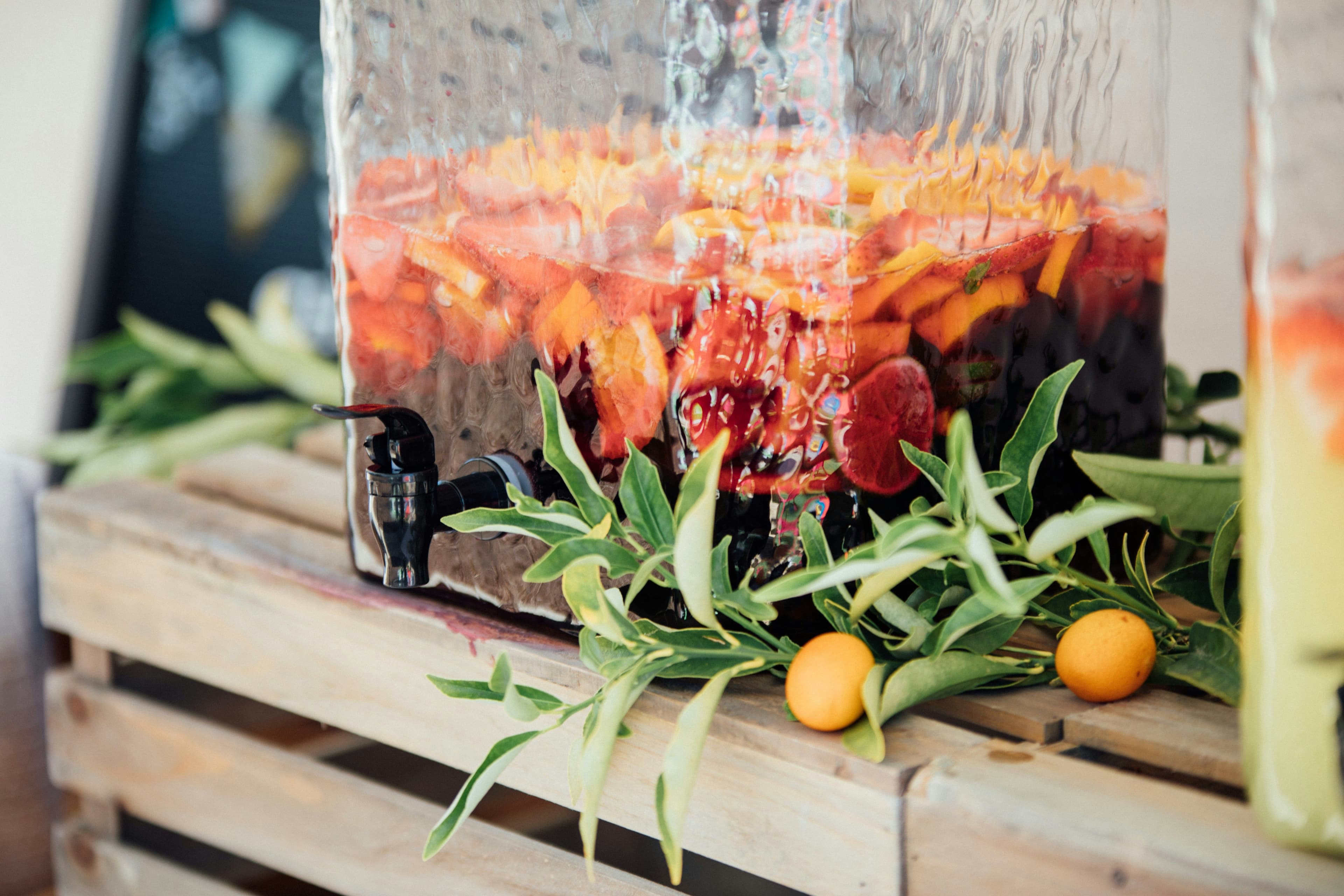
During meals, wine is the go-to in most places, and you’ll see it everywhere on menus. Regions like Rioja produce wines that you’ll come across throughout your trip. Also, you’ll see sangria in tourist areas, which is a mix of red wine, fruit and sometimes a bit of liquor, usually served cold in a jug.
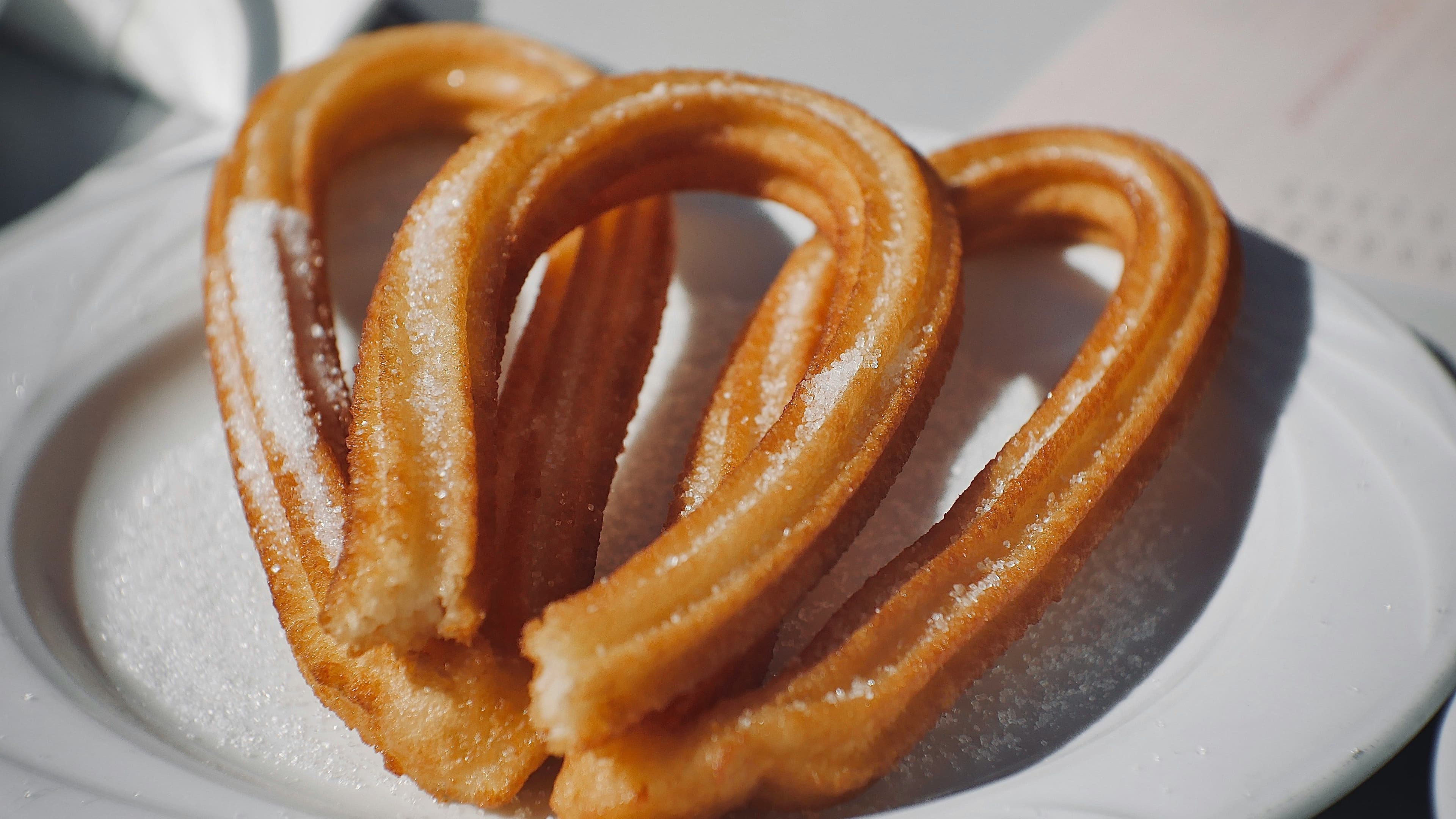
Try churros with chocolate
In cities like Madrid, churros with thick hot chocolate are something you’ll probably end up having late in the evening. Long pieces of fried dough get dipped into chocolate.
Culture you’ll notice during your trip to Spain
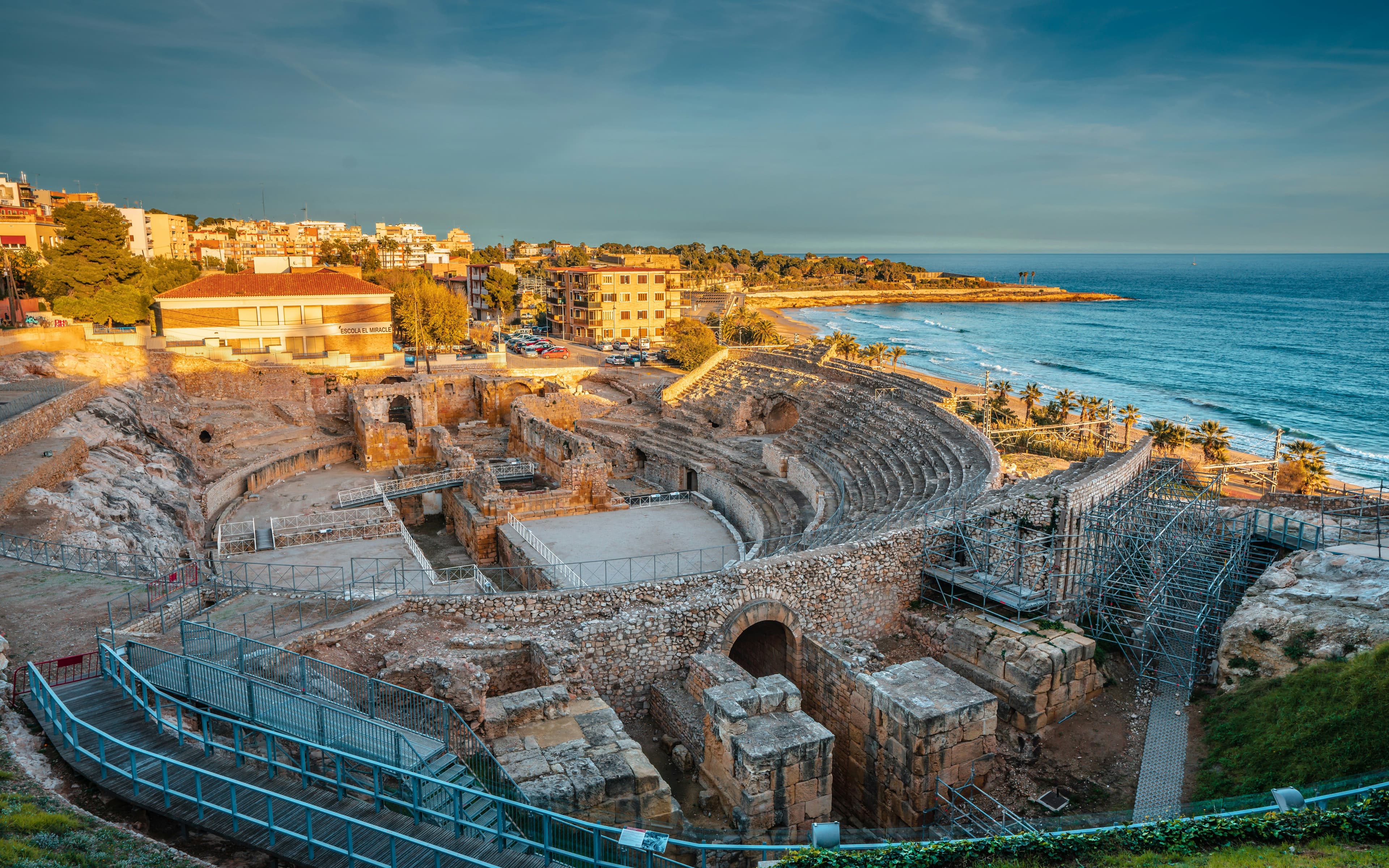
Did you know large parts of Spain were under Moorish rule for nearly 800 years, from the 8th to the 15th century, which is why places like the Alhambra in Granada and the Alcázar in Seville still look so different from the rest of Europe. Even before that, Roman rule left behind roads, aqueducts and city layouts that you still walk through today in places like Mérida or Tarragona. After the Reconquista, when Christian kingdoms took control again, churches and cathedrals were built on top of or next to former mosques, which is why you’ll sometimes see completely different architectural styles within the same building, like in Córdob. Many of those buildings are still part of the cities today.
From one region to another, things change quite a bit, and that’s something you’ll notice when you visit Spain. For example, in the Basque Country, food and language already feel different, with menus full of pintxos instead of tapas and a local language called Euskara. And in southern areas, traditions like flamenco are still part of everyday life. All over the country, around the middle of the day, you might notice shops closing for a few hours. This is because of the siesta, a break in the middle of the day to avoid the hottest hours. It also makes the evenings stretch much longer, with dinner starting after 9pm and people staying outside well into the night.
Looking for more unique places, trips and activities?
Subscribe to our Guided Newsletter for more travel inspiration.
Costs of a trip to Spain
You might wonder what things cost in Spain, since prices can vary quite a bit depending on where you go. Let’s take a look at the average prices for travelling to Spain:
Food & Drink

Coffee
€1.5 – €3
Lunch
€12 – €18
Beer
€2 – €4
Accommodation

Hotels
€60 – €120
Airbnb
€50 – €120
Hostel dorm
€25 – €40
Transport

Trains
€25 – €80
Public Transport
€1.5 – €2.5
Car Rental
€25 – €60
Attractions

Museums
€5 – €15
Big Attractions
€15 – €30
Theatre
€20 – €60
Practical tips for visiting Spain
First time travelling to Spain, and wondering what you should sort before you go? We’ve gathered a few tips that will make your trip smoother from the moment you arrive.
✔ In busy cities, keep your belongings close in crowded areas
In places like Barcelona and Madrid, busy streets and public transport can attract pickpocketing, so staying aware helps a lot. Crossbody bags or backpacks worn on the front make things easier to keep an eye on.
✔ Book major attractions a few days ahead
Places like the Sagrada Familia or the Alhambra work with timed entry, which means last-minute visits don’t always work out. Sorting this a few days in advance gives you more choice in times.
✔ Keep some cash on you for smaller places
In bigger cities, cards are accepted almost everywhere, but smaller towns and local bars can still prefer cash. Carrying a small amount saves you from looking for an ATM.
✔ Adjust to later meal times
Across Spain, lunch usually happens around 2 or 3pm, and dinner rarely starts before 9pm. Planning your day around that avoids ending up in empty restaurants. Snacks in between help if you’re used to eating earlier.
✔ Stay central to save time
In most cities, staying near the centre means you can walk to most places without needing transport. Short distances between sights make your days easier to organise. Even if accommodation costs slightly more, time saved during your trip is usually worth it.
✔ Avoid driving in large cities
In cities like Madrid or Barcelona, traffic and parking can take up more time than expected. Public transport works well, so you don’t really need a car there. Saving driving for smaller towns or countryside areas keeps things easier.
Fun facts about Spain
Tapas, beaches and famous landmarks are what most people think of when they picture Spain, but there’s a lot more going on once you start exploring different regions. So let’s take a look at what makes it so unique:
Spain has multiple official languages, like Catalan, Basque and Galician, alongside Spanish.
In Madrid, the oldest restaurant in the world is still open: Sobrino de Botín, founded in 1725
Spain has both the hottest recorded temperature in mainland Europe and snowy mountain ski resorts
In La Tomatina festival, thousands of people throw tomatoes at each other every year in Buñol
The Alhambra was originally built as a fortress before becoming a palace
Football plays a huge part in everyday life across the country
After a few days, you’ll start noticing how different each part of Spain actually is, from the way cities look to what ends up on your plate. In the south, narrow streets, tiled courtyards and old palaces go back centuries, and further north, everything changes again with greener landscapes and a completely different food culture. Around you, daily life happens later, with long evenings outside and meals that stretch well into the night. So Spain works really well if you like variety, strong culture, good food and days that keep changing depending on where you are.
Ready to map out your trip to Spain?
We hope this Spain travel guide has given you a clear starting point for your trip. Stay tuned for more inspiration, itineraries and practical tips to help you shape your perfect trip to Spain. And don’t forget to check out our Guided app, where you can create your own trip or use trips shared by other travellers for free.
FAQS about travelling to Spain
- How many days do you need in Spain?
Most trips work well between 7 and 14 days, depending on how many regions you want to include. Shorter trips are better when you focus on two or three cities instead of trying to see everything. More time gives you the chance to add smaller towns and different regions.
- Do I need a visa to travel to Spain?
- What are the best places to travel in Spain for a first trip?
- Is Spain expensive compared to other European countries?
- What should you not miss in Spain?