

Slovenia
Slovenia travel guide: Everything you need to know before visiting Slovenia
Slovenia has more than 10,000 caves hidden beneath its mountains, including underground rivers and enormous canyon systems that many people never even hear about before planning a trip here. Across the country, more than half of the land stays covered by forest, and brown bears still live in some mountain regions today. And in places like Lake Bled and the Soča Valley, you can swim in bright blue rivers during the afternoon, then sit near a castle later that same evening. Little towns like Piran bring colourful mediterranean streets that look similar to Venice, seafood restaurants and sunsets above the Adriatic. And what's nice is that the distances are very short between lakes, caves, mountains and cities. So if you're curious to explore underground cave systems, alpine villages, and emerald rivers, Slovenia is the place to go. In this Slovenia travel guide we'll guide you through the most beautiful places to see in Slovenia, fun things to do and travel tips for planning your trip.
5 reasons to visit Slovenia
In Slovenia, your trip changes fast. Mountain lakes during the afternoon, seafood beside the coast later that same evening, and wine regions somewhere in between. But that’s not all: Slovenia has so much to offer:
You can visit nature like emerald rivers, waterfalls and mountain lakes.
Hiking, rafting, kayaking and swimming is all possible here.
Little towns, castles and wine villages break up the nature stops really nicely.
On summer days, beside the lakes and coast you can stay outside until late at night.
Everything in Slovenia is located close together so seeing different regions is easy.
Where to visit in Slovenia?
Not sure where to start when planning your Slovenia holiday? Good news: roads between lakes, mountains and coastal towns are short, which means you can easily fit multiple regions in one trip. So let’s take a look at the best places to visit in Slovenia according to fellow Guided travellers.
Explore Ljubljana, Slovenia’s relaxed capital
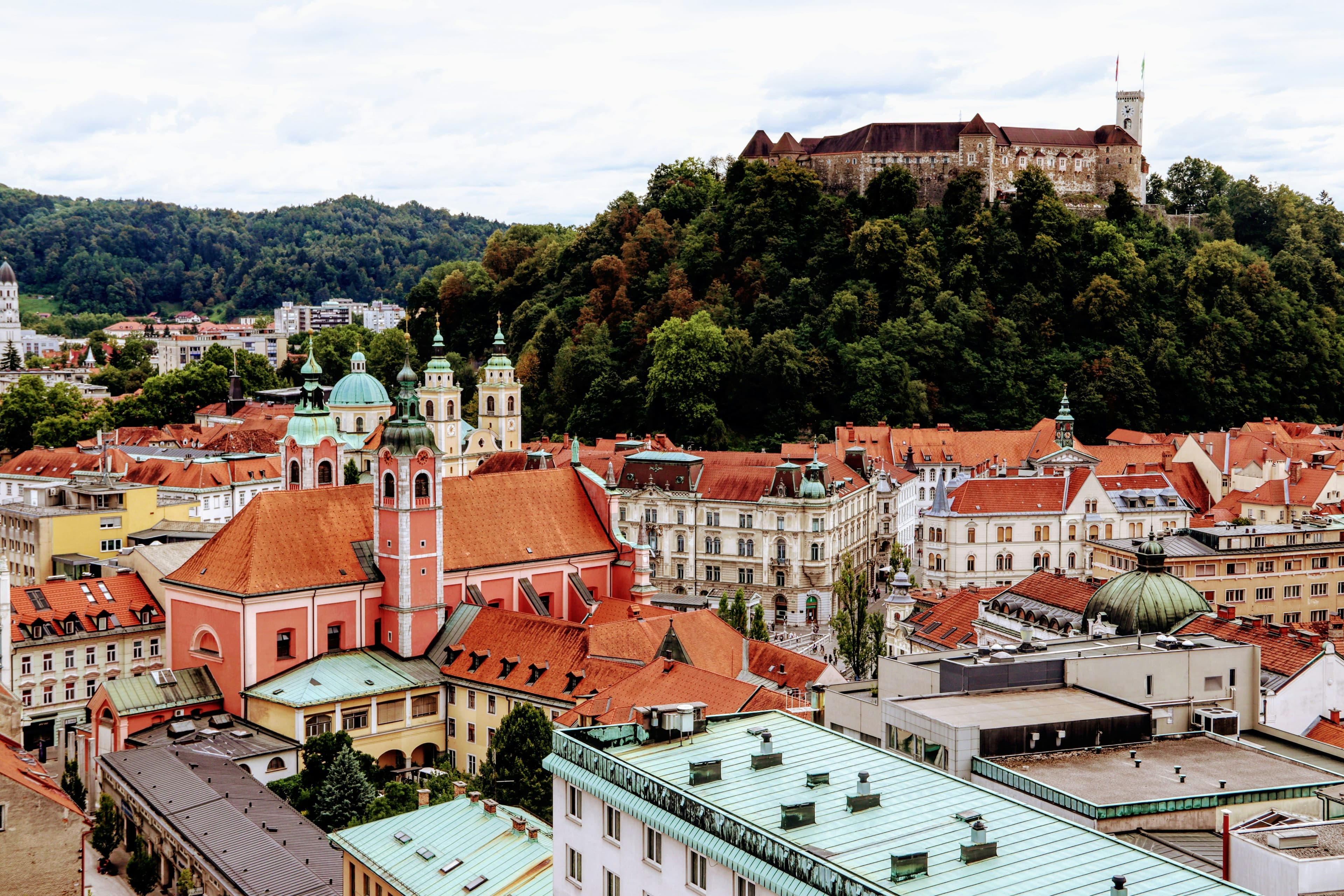
In Ljubljana, you’ll probably end up outside much longer than planned almost every evening. Beside the Ljubljanica River, terraces, wine bars and little streets all sit so close together that you can spend hours just walking around without really checking a map. Near the centre, you can cross Dragon Bridge, stop somewhere for a drink beside the water and continue uphill towards Ljubljana Castle all within less than half an hour. During summer, dinner usually turns into staying outside until late because the riverside stays full of people talking, eating and sitting along the water. This city works really well for a few slower days before heading deeper into the mountains.
Visit Lake Bled and the Julian Alps
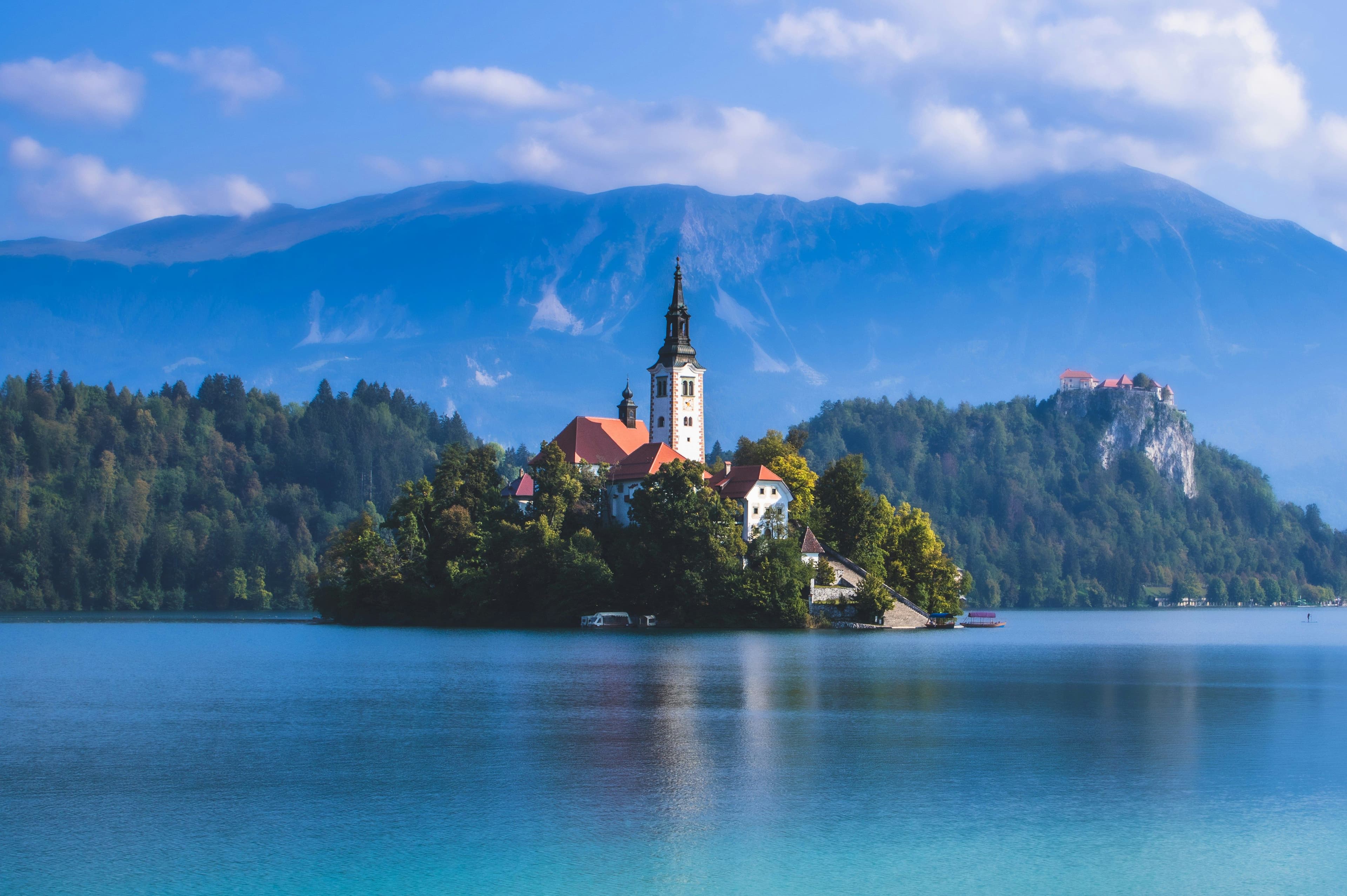
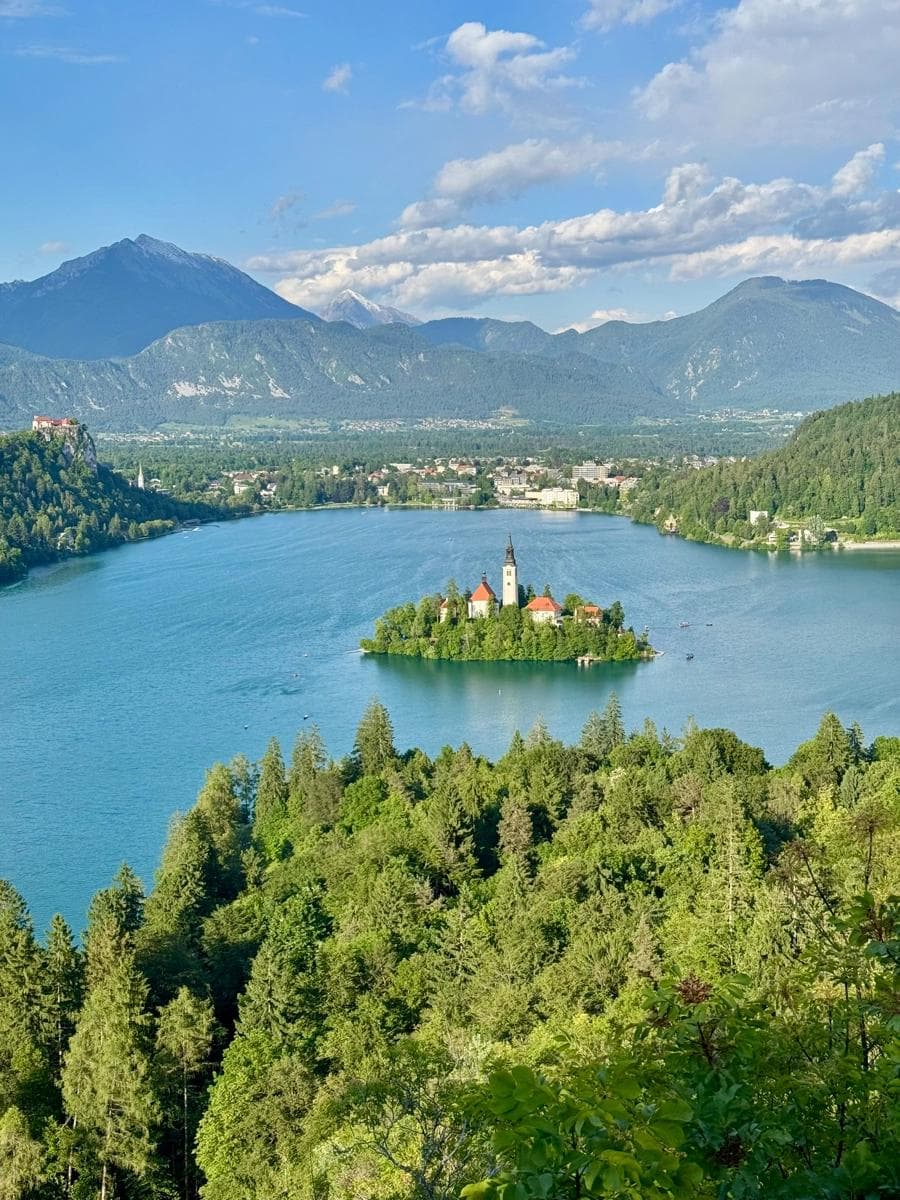
Around Lake Bled, you’ll probably keep pulling out your phone every couple of minutes because the views just keep changing once you walk around the water. Beneath the mountains, little wooden rowing boats slowly move towards the tiny island church in the middle of the lake, and high above it all, Bled Castle still sits on steep cliffs looking out across the whole area. During summer, you can swim directly in the lake, rent paddleboards or sit somewhere beside the water for hours without really doing much at all. Just outside town, Vintgar Gorge takes you along wooden walkways above bright blue river water flowing between narrow canyon walls. Here, your days can easily fill up with lake walks, mountain viewpoints, swimming spots and nearby hikes without needing to drive very far at all.
Escape the crowds around Lake Bohinj
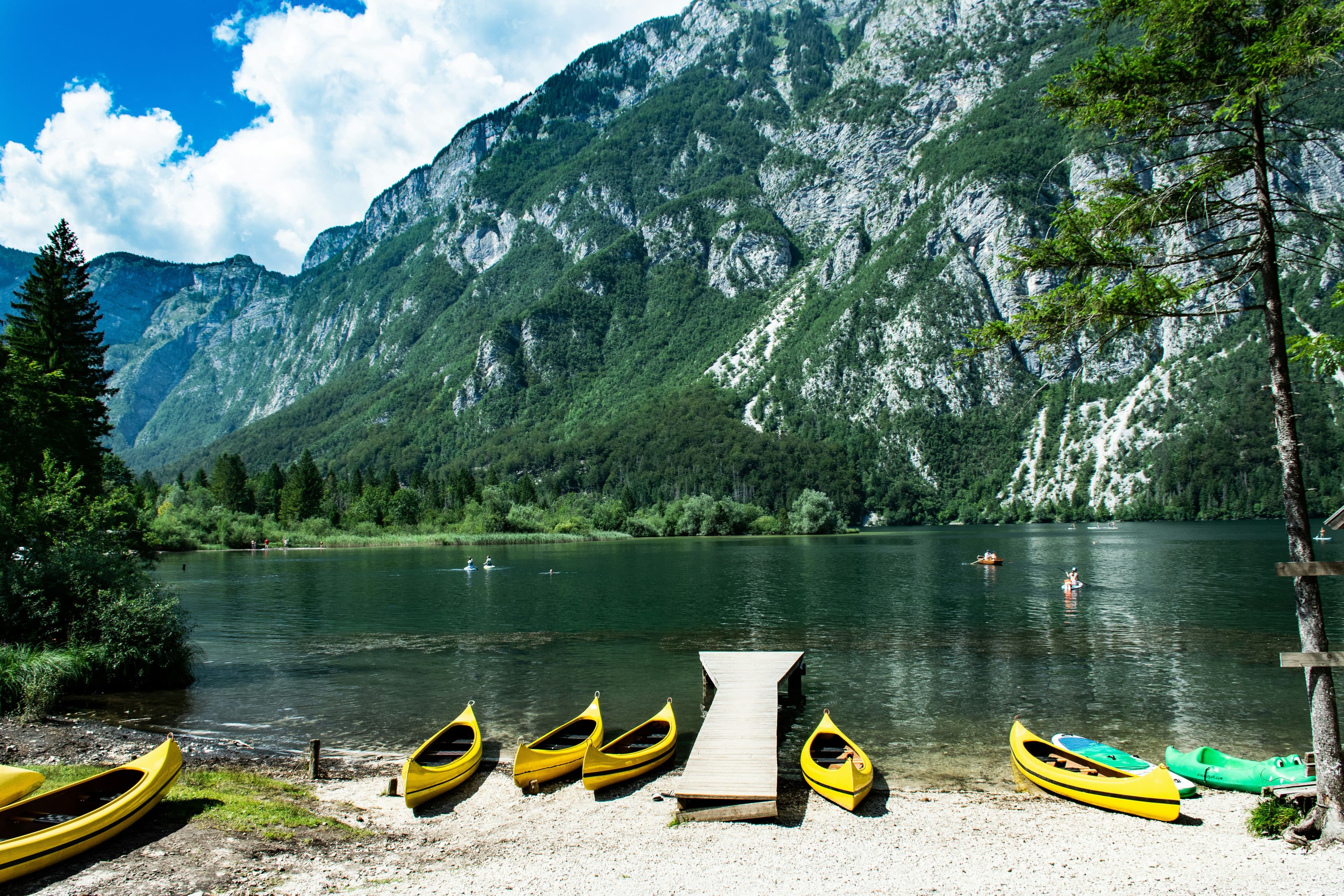
Further west inside Triglav National Park, Bohinj brings a much more local side of Slovenia compared to nearby Bled. Around the lake, forest paths, swimming spots and little wooden docks replace long rows of hotels and souvenir shops, so your days quickly become much more about being outside. During summer, you can swim beneath the mountains, rent kayaks or take the Vogel cable car higher into the Alps where hiking trails overlook the lake from above. Near Ukanc and Ribčev Laz, little cabins and restaurants stay spread beside rivers and forests instead of busier tourist streets.
Drive through the Soča Valley
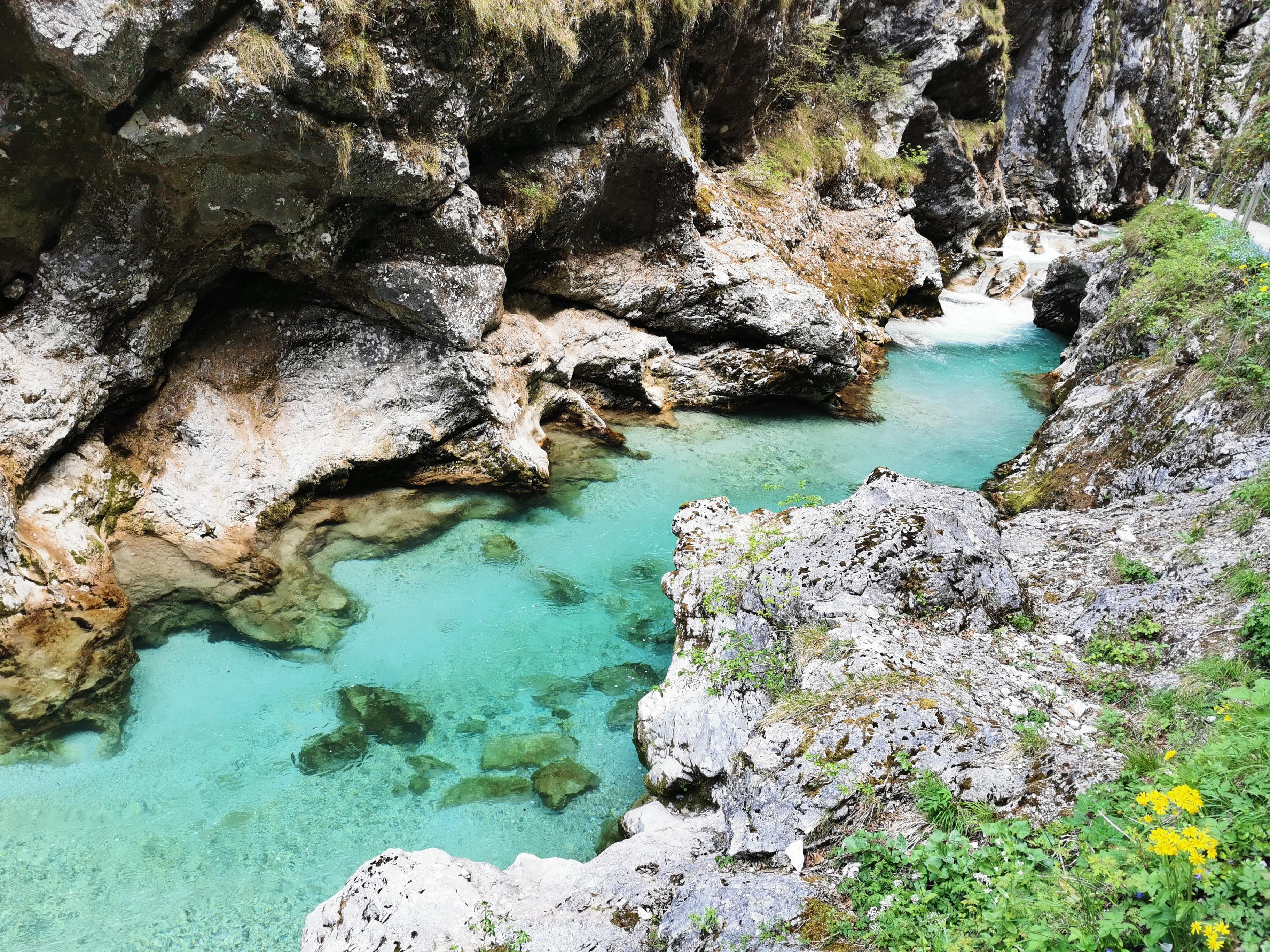
Around the Soča Valley, you’ll probably stop the car constantly because the river colour almost doesn’t look real once the sun hits the water. Near Bovec and Kobarid, little swimming spots, waterfalls and suspension bridges start appearing all along the valley beside bright turquoise water flowing down from the mountains. During summer, you can spend your afternoons rafting, jumping into freezing cold rivers or sitting somewhere beside the water with a drink after hiking through the hills nearby. Further into the Julian Alps, mountain roads twist through forests and little villages where you’ll keep finding cabins and restaurants hidden beside the river. Throughout the whole valley, you get that really nice mix of outdoor activities during the day and slower evenings surrounded by mountains afterwards.
Discover Piran and the Slovenian coast
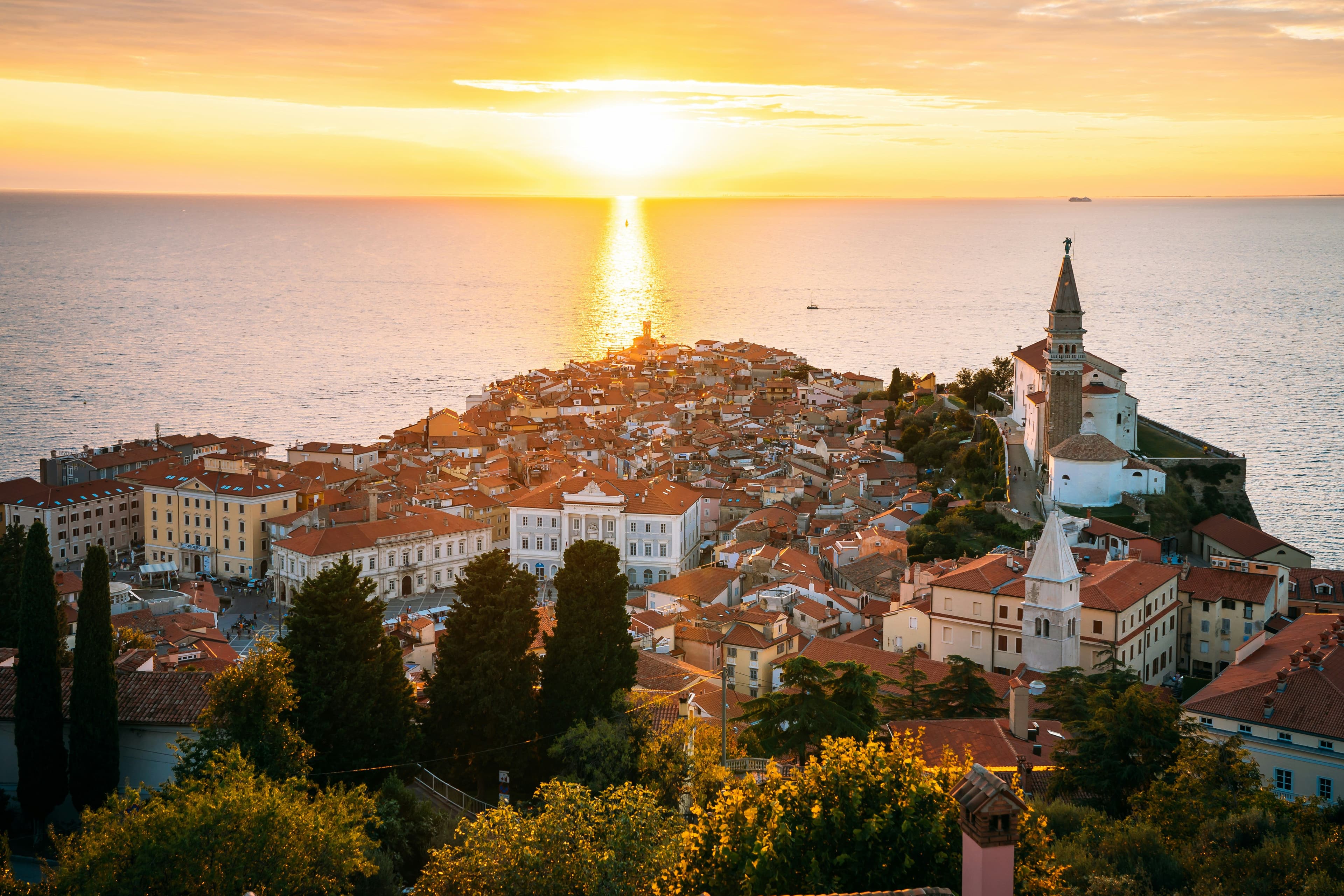
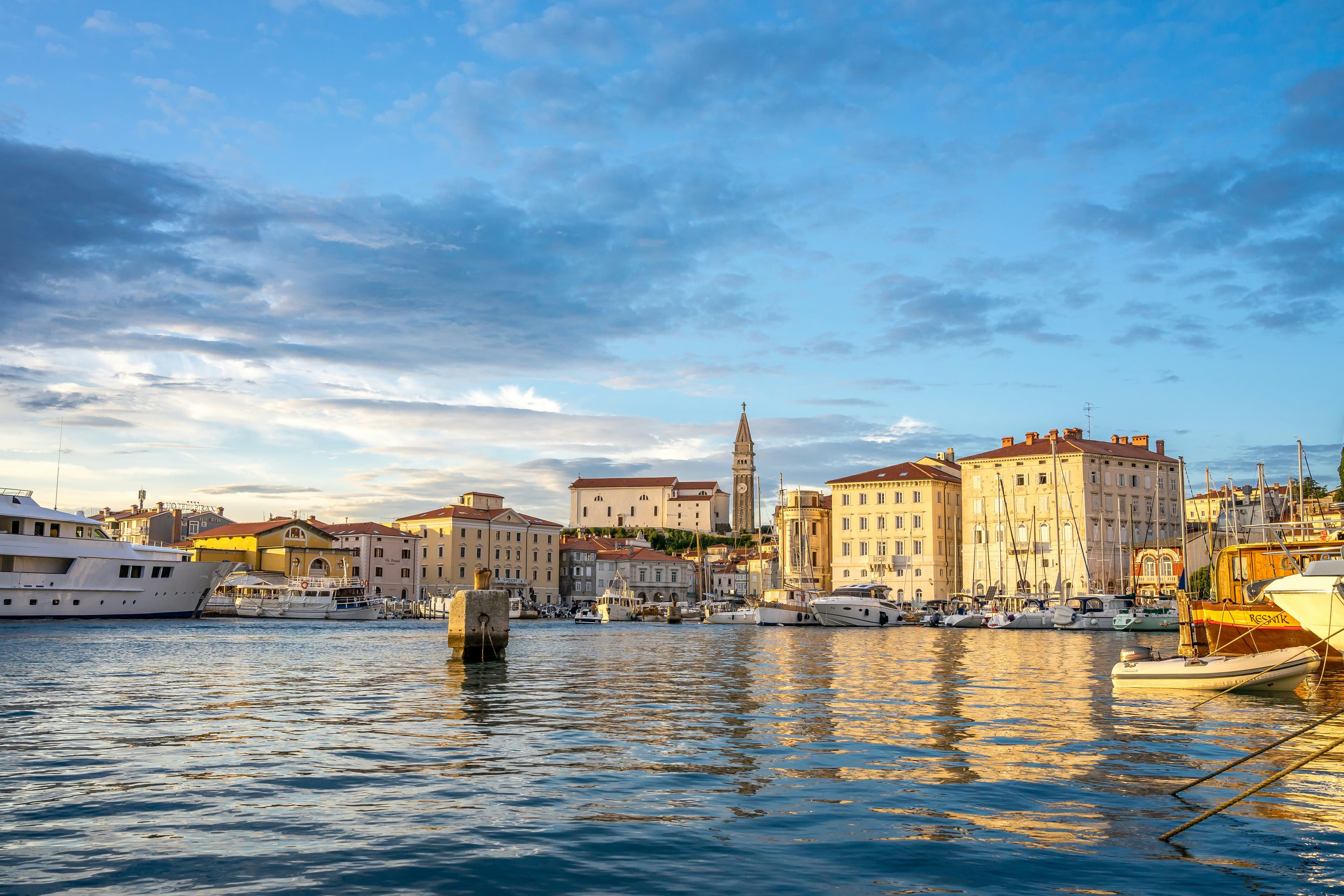
Closer to the Adriatic Sea, you’ll suddenly notice Slovenia looking completely different from the mountain regions further north. Around Piran, little coastal streets, seafood restaurants and old Venetian style buildings all sit tightly packed beside the harbour, giving you much more of an Italian atmosphere once you start walking around town. During warm evenings, you’ll probably end up sitting outside near Tartini Square because sunset colours above the water become really beautiful here. Nearby swimming platforms and rocky beaches also make jumping into the sea really easy during summer afternoons. After days around lakes, rivers and mountain roads, a few nights beside the coast give your holiday in Slovenia a different side of the country again.
Visit Slovenia’s caves and castles
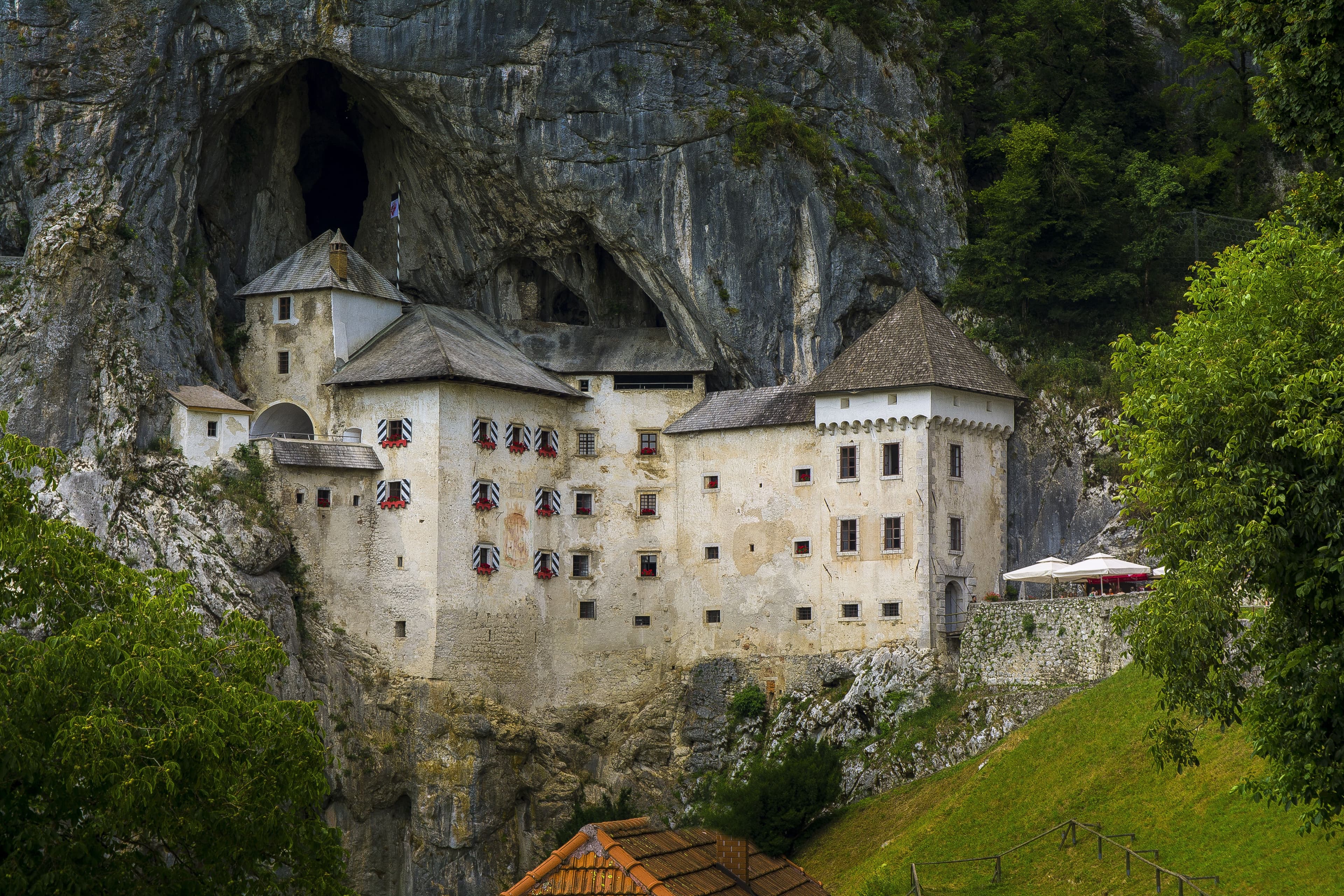
Deep beneath southern Slovenia, you’ll find enormous cave systems hidden underneath forests, hills and mountain roads that you’d never notice from above ground. Around Postojna Cave, underground trains still take you through giant chambers filled with stalactites, rock formations and rivers flowing beneath the mountains for kilometres. Close to the cave entrance, Predjama Castle sits built directly into a cliff face, and once you see it in person, the whole place almost looks like something from a fantasy film. Further south, Škocjan Caves became a UNESCO site because of the massive underground canyon running through the cave system far below the surface.
Visit Velika Planina for traditional shepherd villages
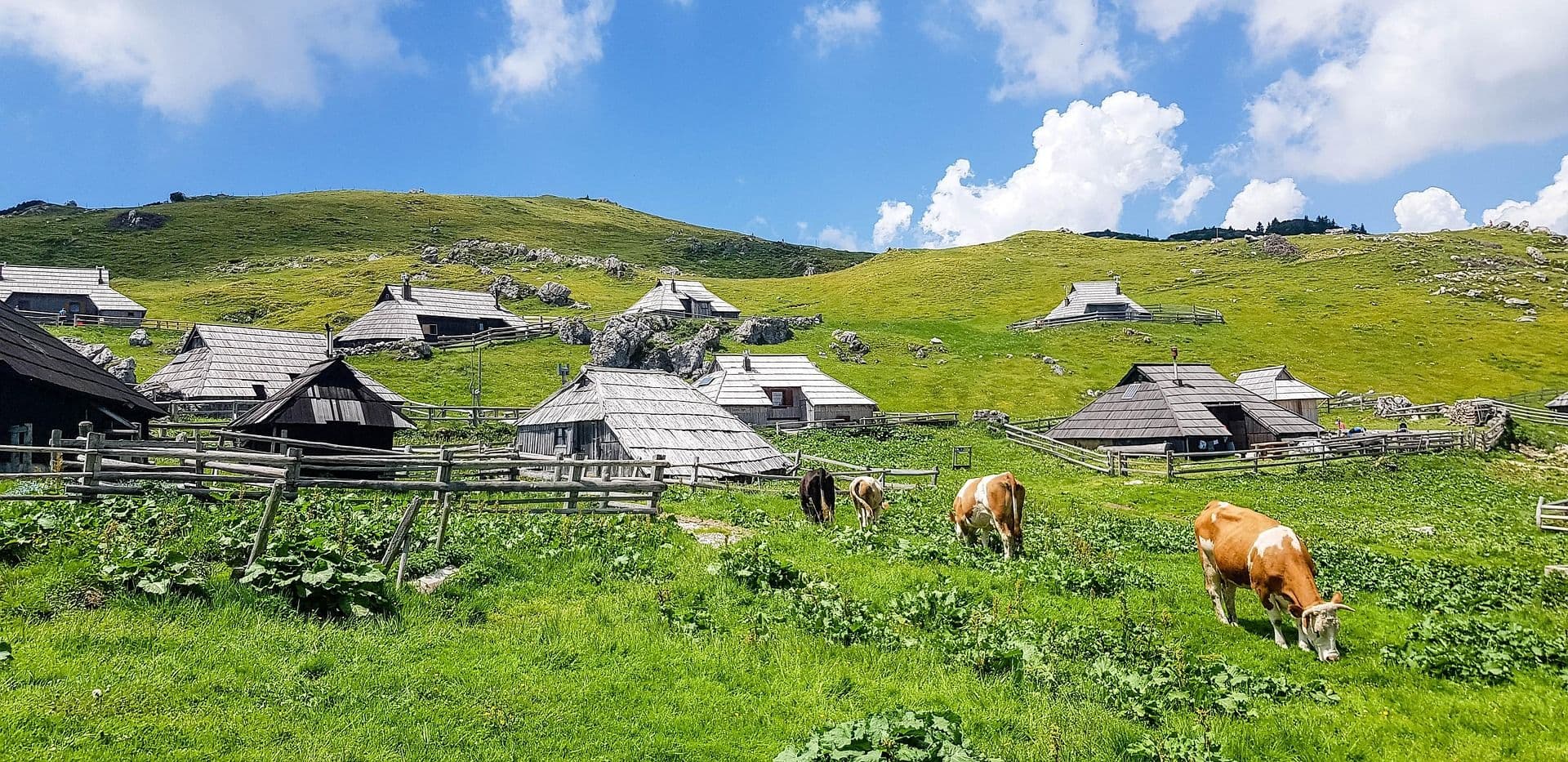
High in the mountains above Kamnik, you’ll come across Velika Planina, a huge alpine plateau filled with wooden shepherd huts and wide mountain views in almost every direction. This remains one of the lesser known places of interest in Slovenia. During summer, cows return to the meadows and little restaurants near the hiking paths start serving mountain dishes like stews, sausages and local cheese beside the cable car station. Around the plateau, walking trails stay really easy, so you can spend hours outside without needing serious hiking experience. Once winter arrives, snow completely changes the whole area again and the wooden huts almost start looking like little cabins from an old postcard.
Explore Logar Valley, one of Slovenia’s most beautiful alpine valleys
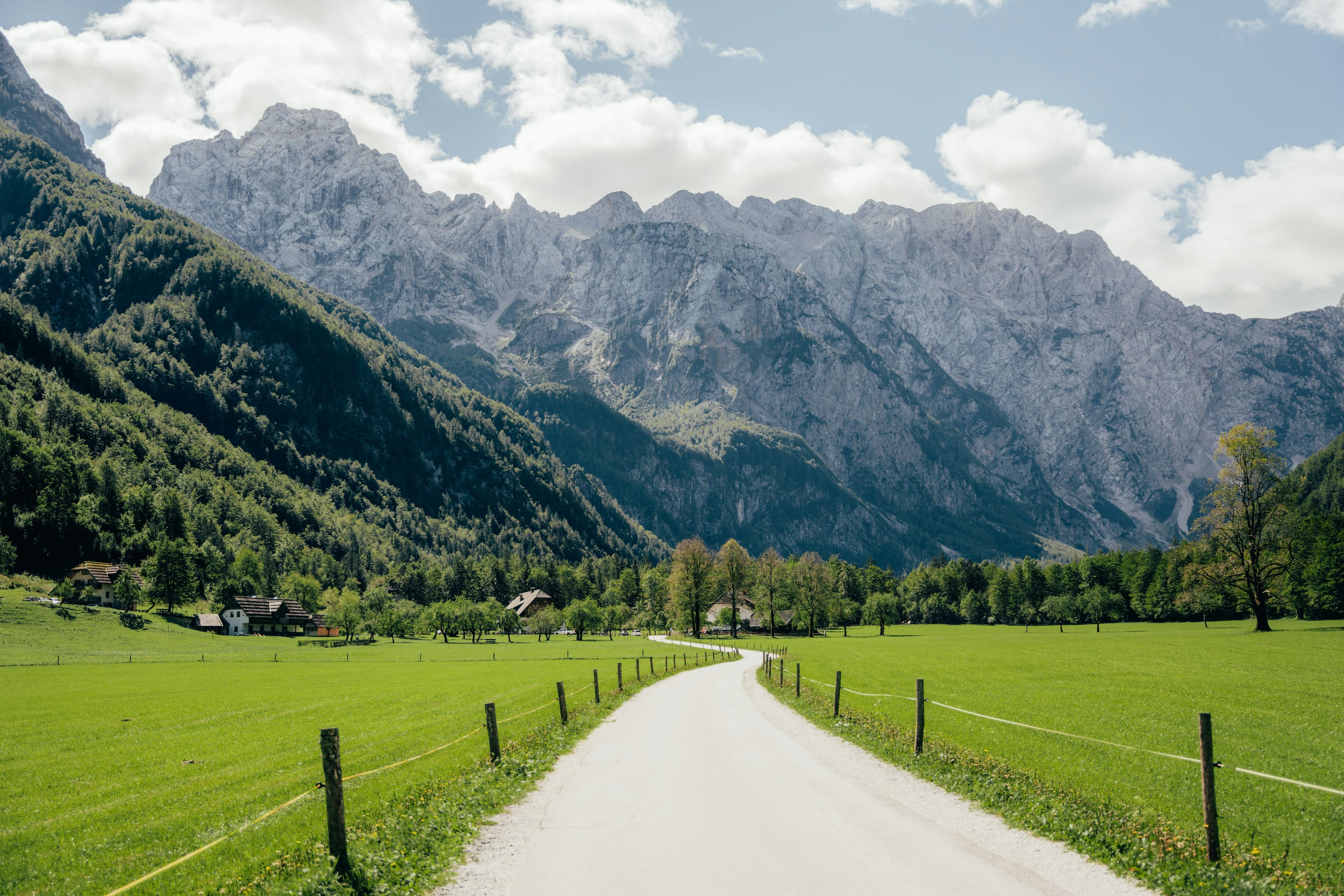
Far up in northern Slovenia, you’ll drive into Logar Valley and suddenly notice how little traffic, hotels and bigger towns there are around you anymore. Beside the roads, huge mountain fields, wooden farmhouses and forests completely take over the valley, giving you long stretches where you mostly just hear rivers and waterfalls nearby. Around Rinka Waterfall, you can follow walking paths through forest areas and stop beside the water for lunch or a short break during the afternoon. During autumn, yellow and orange forests completely cover the mountains around the valley, and during summer, cycling and hiking routes can keep you outside for hours. After busier stops like Bled or Ljubljana, you’ll probably love this area because everything slows down so much here.
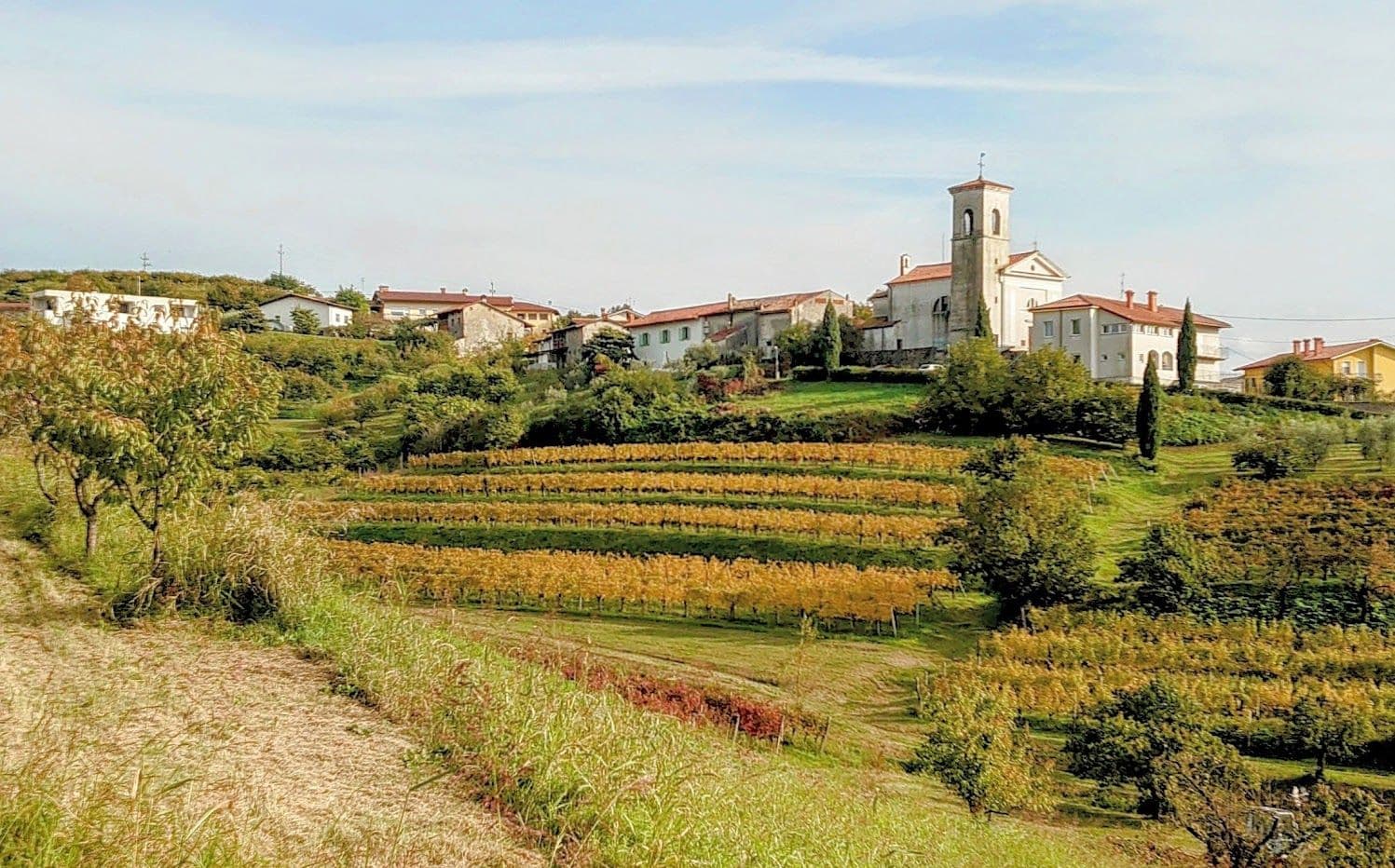
Discover the wine region of Goriška Brda
Close to the Italian border, you’ll start driving through Goriška Brda and quickly notice how every road seems to lead towards another vineyard, stone village or little restaurant with views across the hills. Around places like Šmartno, you can walk through tiny old streets surrounded by vineyards stretching almost all the way towards Italy. During warmer months, long lunches outside beside olive trees and wine tastings easily take over your entire afternoon. Along the hills, little roads connect wineries and small villages.
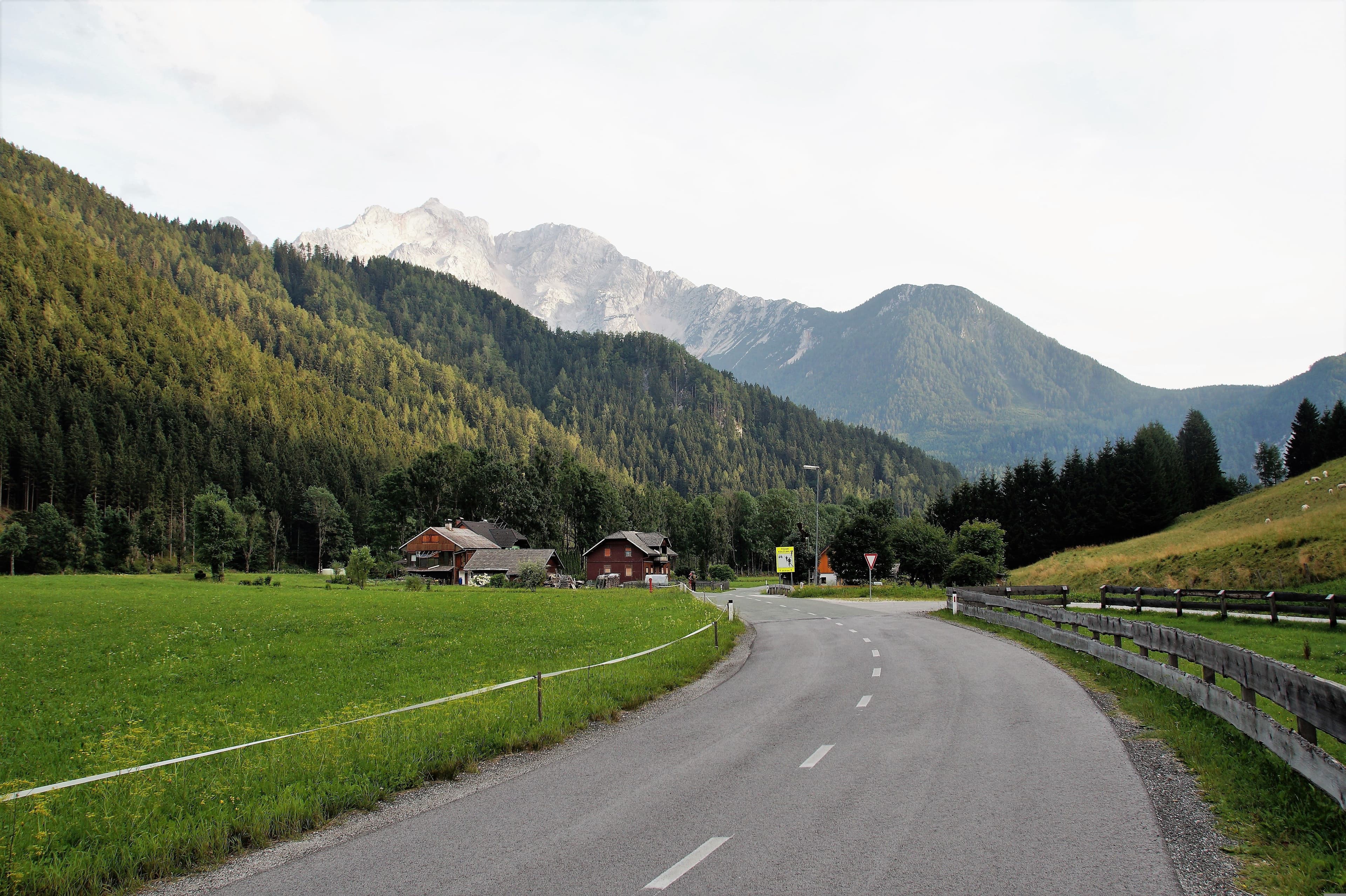
Visit Jezersko for a quieter mountain escape
Close to the Austrian border, you’ll find Jezersko hidden between forests, alpine roads and huge mountain peaks without the busier atmosphere around places like Bled or Bohinj. Among the smaller towns in Slovenia, this area is one of the nicest mountain stops. Around the valley, you can spend hours driving, hiking or cycling. During summer, little restaurants and wooden cabins appear beside rivers and mountain roads where you can stop for lunch or coffee. After a few busier destinations in Slovenia, you’ll probably enjoy how much calmer everything is here.
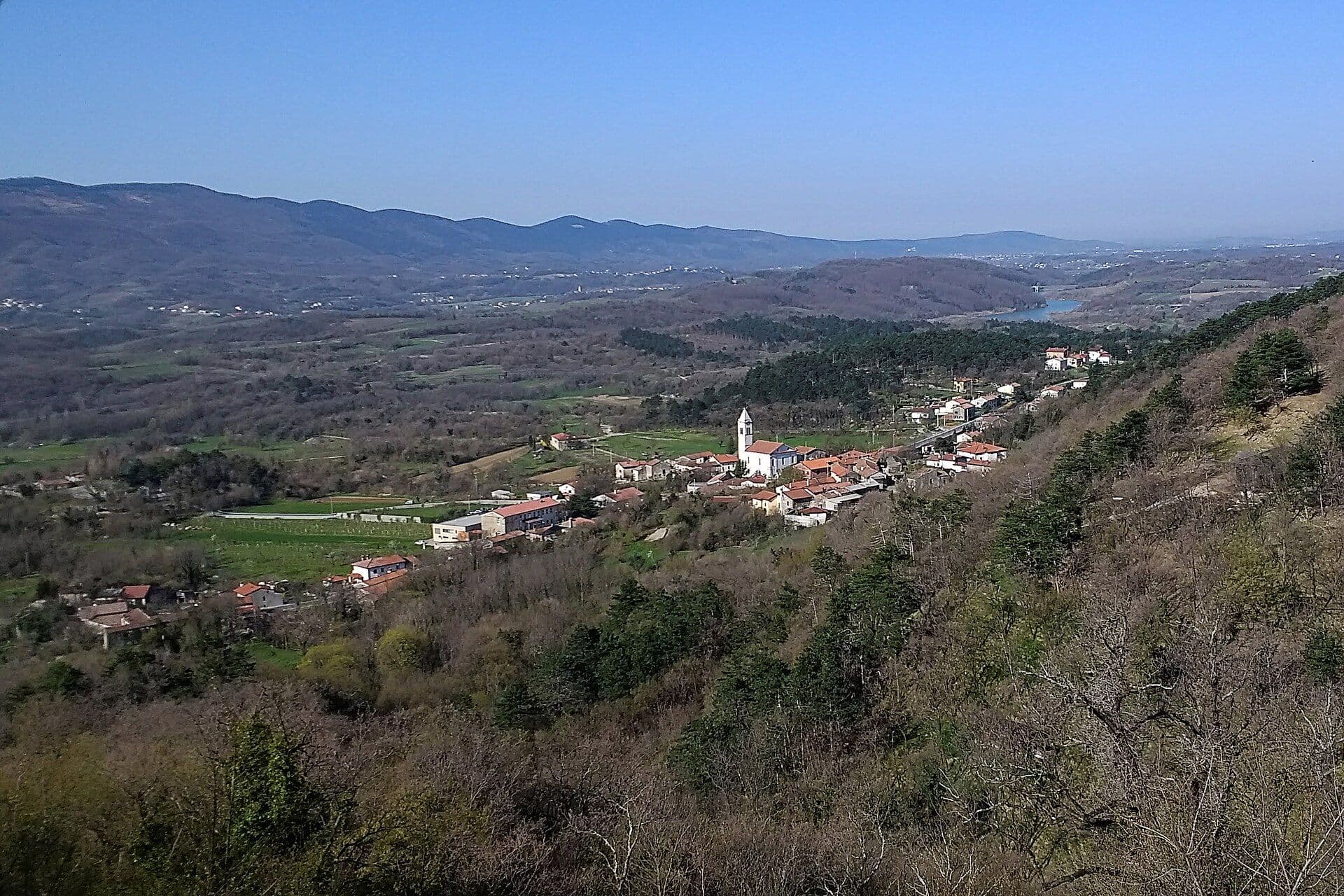
Explore Vipava Valley for food, wine and small villages
Out near western Slovenia, long vineyard roads and little stone villages slowly take over the landscape once you enter Vipava Valley. Around places like Vipava and Ajdovščina, outdoor terraces fill with local wine, regional dishes and long lunches that easily continue well into the afternoon. During warmer months, paragliders regularly float above the valley while people stay outside until late because evenings remain warm here for hours after sunset. Everything here revolves around wine, food and taking it easy.
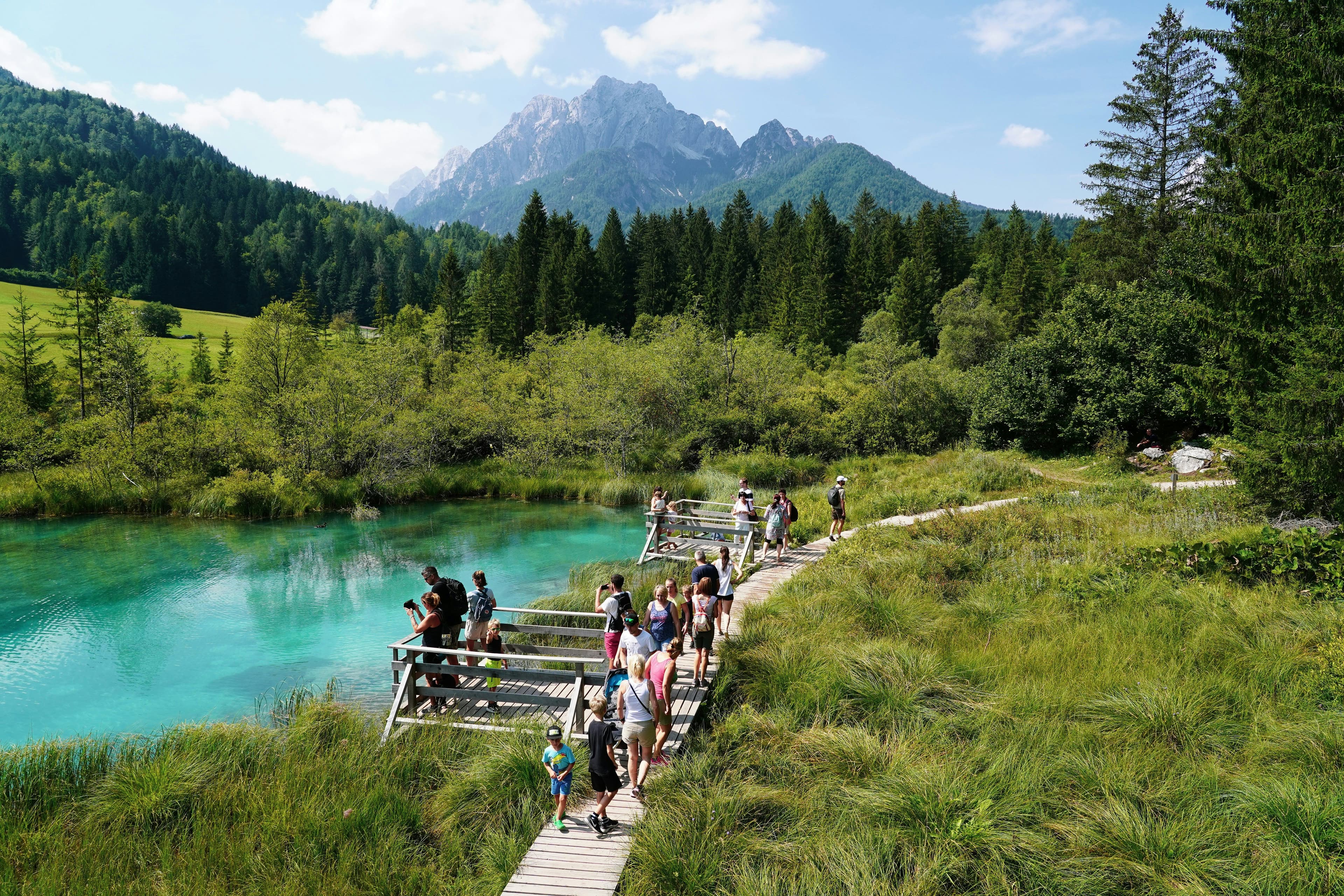
Visit Kranjska Gora for lakes and mountain views
If you want to travel beyond Slovenia’s tourist places, Kranjska Gora is one of those regions that quickly shows you a completely different side of the country. Near the borders of Austria and Italy, mountain lakes, ski slopes and alpine roads all sit close together around the town. Around Lake Jasna, bright water, wooden boardwalks and mountain views create one of the prettiest stops anywhere near the Julian Alps. During winter, snowy forests and ski resorts completely change the region, and throughout summer, hiking trails and cycling routes take over instead.
Slovenia itinerary ideas for your trip
Slovenia has many places to see. Luckily, the lakes, wine regions and little coastal towns all connect together surprisingly well, so you can see many different regions in one trip. We’ve put together a few itinerary ideas that connect the best regions, so you spend more time outside exploring!
5 to 7 day Slovenia itinerary
Day 1-2: Ljubljana, cafés, castles.
Day 3-4: Lake Bled and Lake Bohinj, swimming, hiking and mountains.
Day 5-7: Soča Valley or Piran, depending on whether you prefer mountains or the coast.
10 to 14 day Slovenia itinerary
Day 1 to 3: Ljubljana, castles, food markets, rivers.
Day 4 to 6: Lake Bled and Bohinj, mountain hikes, swimming and viewpoints.
Day 7 to 9: Soča Valley, rafting, waterfalls and mountain roads near Bovec.
Day 10 to 11: Kranjska Gora and alpine lakes.
Day 12: Logar Valley and Velika Planina.
Day 13 to 14: Vipava Valley and Piran, wine regions and Adriatic sunsets.
Looking for more inspiration? Explore these trips:
Fun things to do in Slovenia
Wondering what to do in Slovenia? Now that you know where your route might take you, the next step is figuring out what you actually want to spend your time doing once you arrive. We’ve gathered some ideas from fellow Guided travellers to help you make the most of your time.
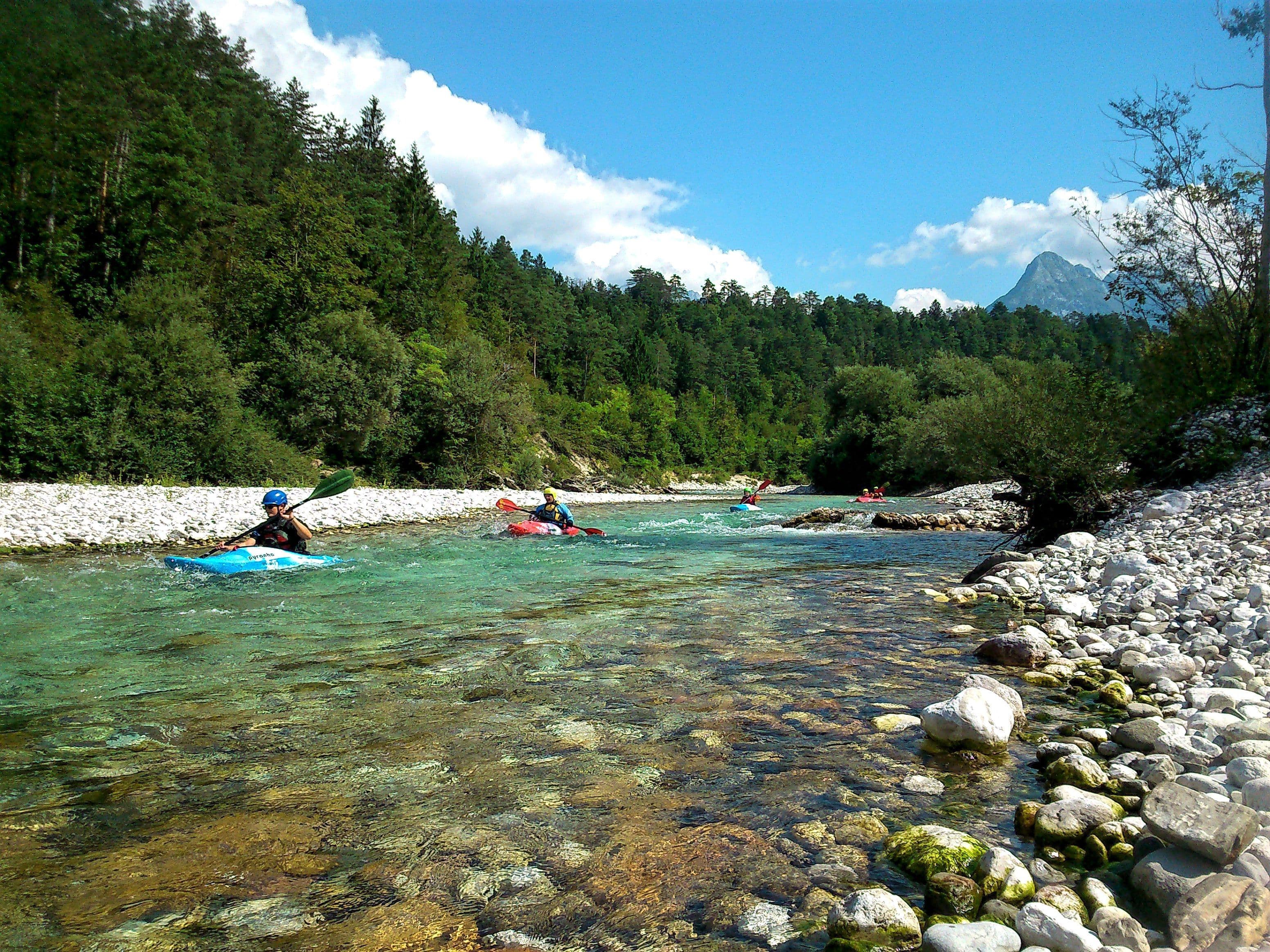
Go rafting and kayaking in the Soča Valley
During summer, you can spend entire afternoons rafting, kayaking, canyoning or swimming beside the river because warm temperatures stay around the valley well into the evening. Near little bridges and forest roads, small bars and swimming spots appear all through the region once you start driving around. After a few hours here, you’ll probably understand why so many people end up staying longer in the Soča Valley than originally planned.
Hike through Triglav National Park
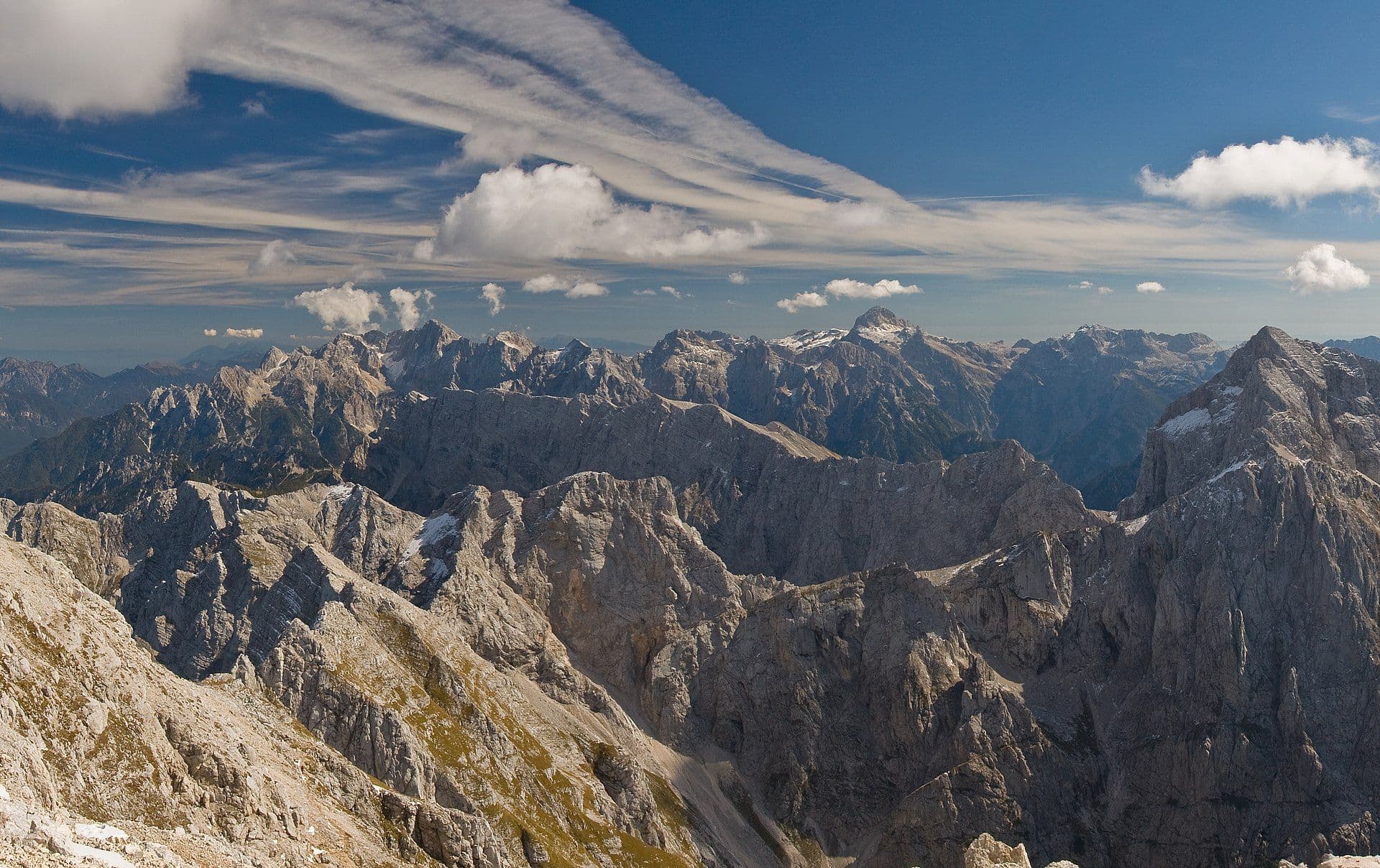
High inside the Julian Alps, hiking routes move past waterfalls, mountain huts and lakes surrounded by steep peaks in almost every direction. Around Bohinj and Kranjska Gora, shorter walks connect really easily with longer mountain trails, so you do not need to be an experienced hiker to enjoy the area. During summer, Vogel cable car takes you higher into the mountains where routes continue across alpine fields and rocky viewpoints. Near rivers and forests lower down, easier walking paths work really nicely for slower afternoons outside too.
Swim in lakes in Slovenia during summer
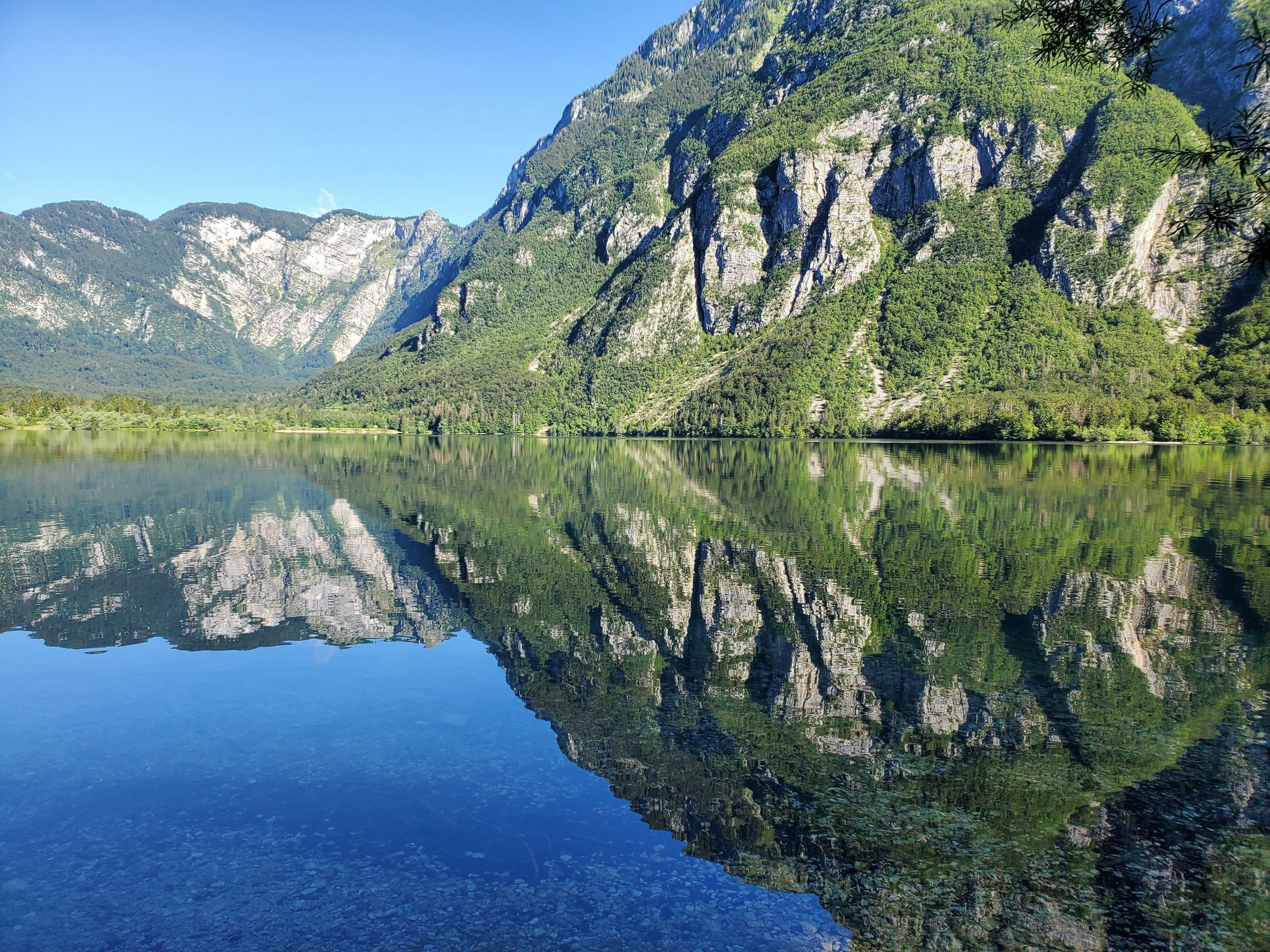
During warmer months, swimming quickly becomes one of the nicest parts of a holiday to Slovenia. Around Bohinj, little wooden docks and rocky beaches appear beside water cold enough to cool you down even during hotter afternoons. Near Bled, paddleboards and rowing boats stay out on the lake until sunset because evenings remain warm for hours. Further north, smaller alpine lakes around Kranjska Gora and Jasna also become really popular during summer road trips.
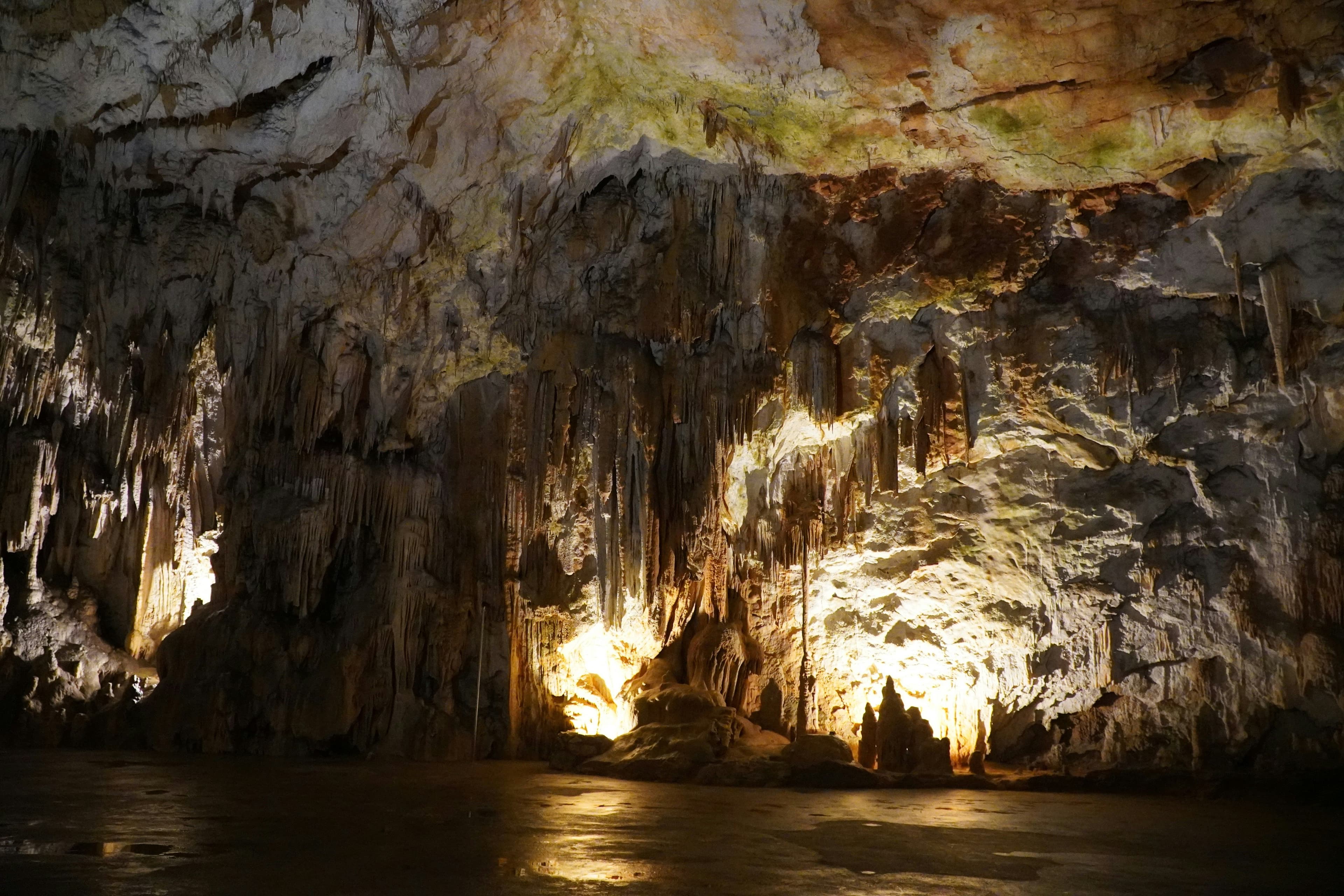
Explore caves beneath the mountains
Underneath southern Slovenia, cave systems continue for kilometres beneath forests and limestone hills hidden below the surface. Around Postojna Cave, underground trains take you through giant chambers filled with stalactites, rivers and tunnels carved out over thousands of years. In the Škocjan Caves, walking routes move above enormous underground canyons where river water disappears beneath the mountains. During hotter summer days, colder cave temperatures make these places really good afternoon stops too.
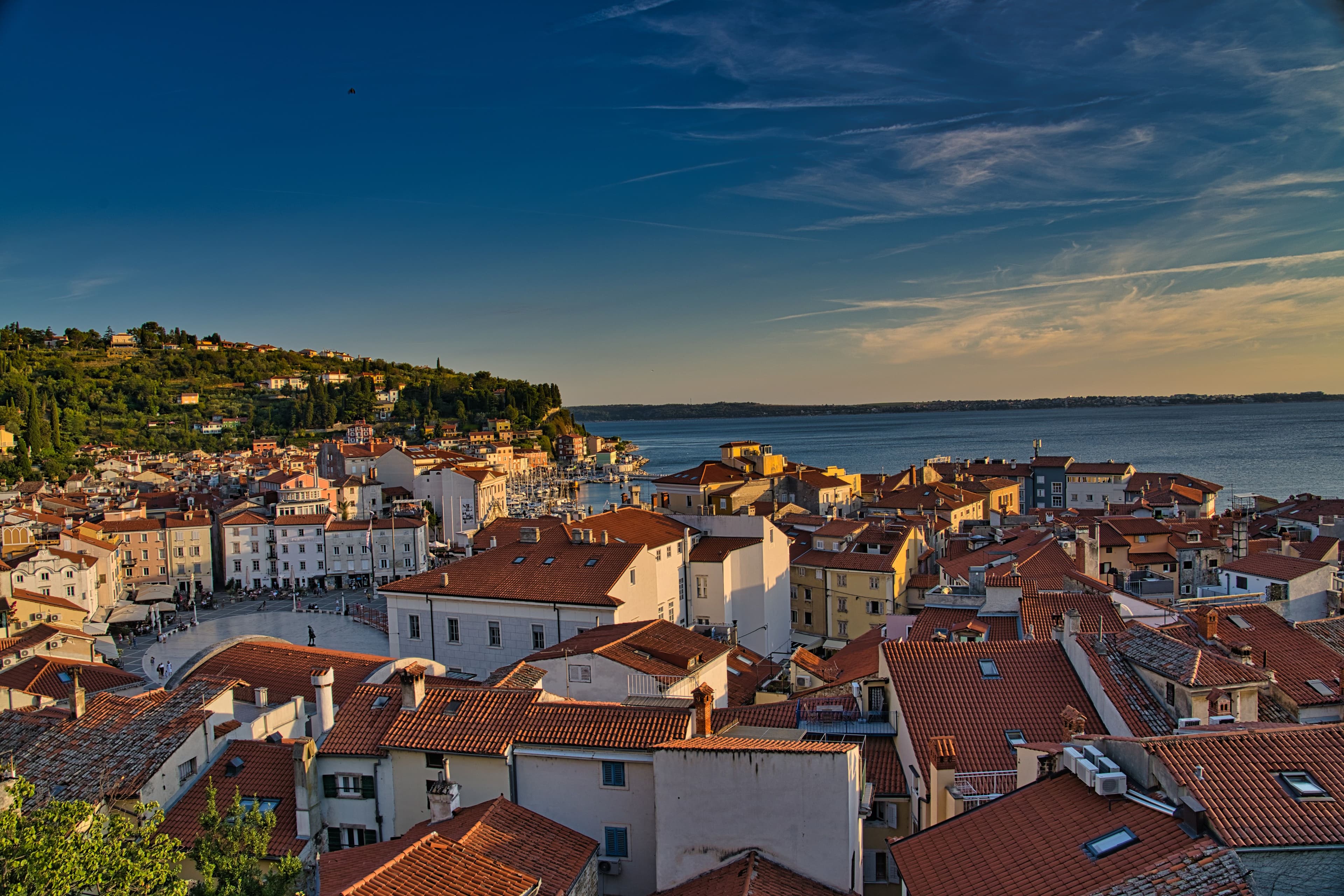
Spend a few days beside the Adriatic Sea
Down near Piran and Portorož, seafood restaurants, little swimming spots and coastal streets completely change the atmosphere compared to the mountains inland. Along the water, evenings usually continue outside until late because terraces and bars stay full beside the harbour. During summer, boats, paddleboards and swimming platforms appear along almost the entire coastline of Slovenia once temperatures rise. Near the Italian border, little towns beside the Slovenian coast like Piran and Izola also work really nicely for slower afternoons and seafood dinners after busier mountain stops.
When to go to Slovenia?
Did you know you can swim in bright blue mountain lakes during summer and go skiing through snowy alpine villages only a few months later? In Slovenia, mountain regions, wine valleys and the Adriatic coast all bring completely different weather patterns throughout the year, which changes your trip quite a lot depending on when you arrive.
Spring: waterfalls, green mountain valleys and fewer people around the lakes
Summer: swimming, rafting, hiking and long evenings beside the water
Autumn: vineyards, orange forests and cooler hiking temperatures
Winter: skiing, snowy mountain villages and Christmas markets
Not sure which month fits your trip best? Read our full blog about the best time to visit Slovenia to find out which month fits your plans best, from swimming in mountain lakes to hiking trails, ski villages and warmer days beside the Adriatic coast.
Did you know you can create your own itinerary?
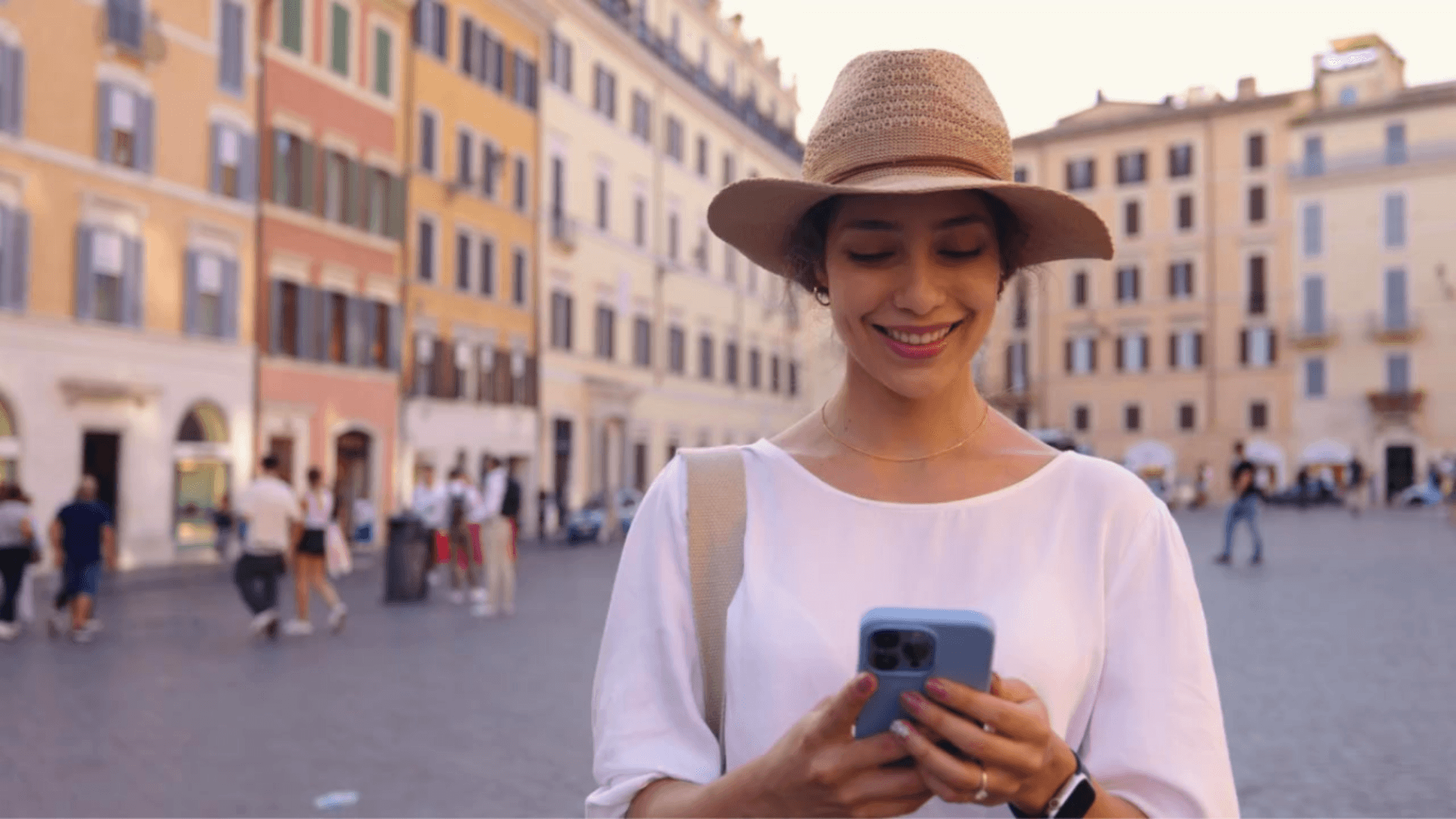
Now that you know what to see in Slovenia and where to stay, you can start creating your own trip. Do you want more time swimming in mountain lakes, or are you thinking more about wine villages and long dinners beside the Adriatic Sea? It’s all up to you. You can easily create your own trip in the Guided app for free, or use trips shared by others.
Where to stay in Slovenia?
Not every region works the same when you travel to Slovenia, which is why it’s a good idea to pick the right base before you plan your route. Around some places, your days revolve around hiking and swimming, and elsewhere you’ll spend more time in wine bars, seafood restaurants and little streets.
Stay in Ljubljana for riverside evenings and day trips
Around the centre, cafés, markets and bridges all stay close enough together that you rarely need transport once you arrive. Routes towards Bled, Bohinj and the coast keep day trips really simple during shorter stays. During warmer months, evenings beside the river stay busy with outdoor terraces and wine bars spread throughout the city. For a shorter Slovenia city break, Ljubljana works really well because you can still see a lot without spending hours getting around.
Base yourself around Lake Bohinj for hiking and swimming
Closer to Triglav National Park, Bohinj gives you much more mountain nature directly outside your accommodation. Around the lake, cabins, campsites and little guesthouses stay spread through forests and riverside areas instead of larger resort towns. During summer, you can go swimming, hiking and paddleboarding without needing to drive. Near Vogel, cable cars also connect quickly with mountain routes higher in the Alps.
Stay near Piran for seafood and Adriatic sunsets
If you like staying near the sea after spending time in the mountains, Piran works really nicely. Around Tartini Square, old buildings and little restaurants stay packed close together beside the harbour, so almost everything stays walkable once you arrive. During summer, swimming spots and seaside terraces continue along the coastline only minutes outside town. Near Portorož, hotels and beach areas bring a slightly different atmosphere with more space beside the sea.
Choose the Soča Valley for rafting and mountain roads
Deep inside western Slovenia, little villages near the Soča River place you right beside rafting areas, waterfalls and mountain hikes from the moment you wake up. Around Bovec and Kobarid, cabins and guesthouses are located close to walking paths and outdoor activity companies. During summer, cooler river water and mountain air make the valley really nice after hotter days near the coast.
Guided tip: Near the Adriatic coast, restaurants in places like Piran fill up pretty quickly during summer evenings, so booking dinner a little earlier already helps a lot.
Getting around when visiting Slovenia
Now that you know which regions to explore and where you might want to stay when visiting Slovenia, the next step is figuring out how to connect everything together. Luckily, getting around here is much easier than in many bigger European countries. You’ve got a few good options depending on the type of trip you want to have.
Use trains for cities and lake regions
Throughout the country, train routes connect Ljubljana with places like Jesenice, Celje and coastal areas fairly easily. Near Lake Bled, stations like Lesce Bled and Bohinjska Bistrica give you rail connections close to the mountains without needing a car straight away. During longer rail journeys, you’ll even see mountain views and river valleys along the way. Around summer, booking through Slovenia’s train website Slovenske železnice before arriving usually helps a lot because popular routes can fill up fairly quickly.
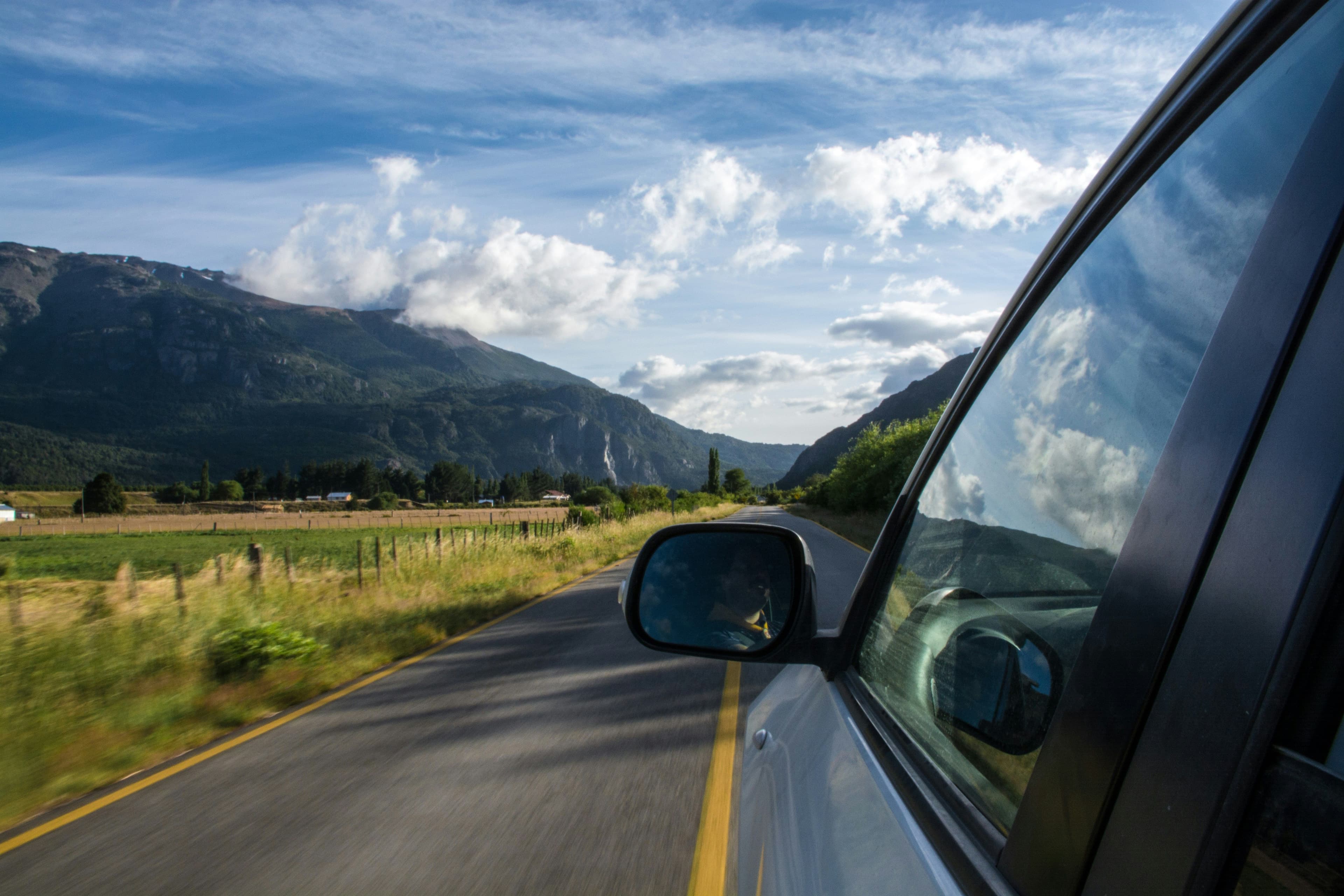
Rent a car for mountain villages and remote regions
Outside the main train routes, mountain valleys and wine regions become much easier to reach once you have your own car. Around places like Logar Valley, Velika Planina and smaller alpine villages, public transport stays far more limited compared to Ljubljana or Bled. During road trips, little restaurants, swimming spots and viewpoints also become much easier to stop at spontaneously.
Wondering if a road trip around Slovenia is worth it? Read our Slovenia road trip blog where we share the nicest mountain drives, lake regions and coastal stops to add along the way.
Expect surprisingly short travel times
Inside Slovenia, driving from the mountains towards the sea already takes far less time than you’d expect. From Ljubljana, Bled sits under an hour away by car, and Piran only takes around two hours further south. During one trip, you can easily spend the afternoon beside alpine lakes and still arrive near the Adriatic before dinner.
Guided tip: Splitting your trip between one mountain base and one coastal stop usually works much better than changing accommodation every single night.
Food and drinks you should try when visiting Slovenia
Slovenian food stays closely connected to mountains, wine regions and the Adriatic coast. Around different parts of the country, menus completely change once you start moving between alpine villages, seaside towns and vineyard areas. These are a few things you can try during your trip.
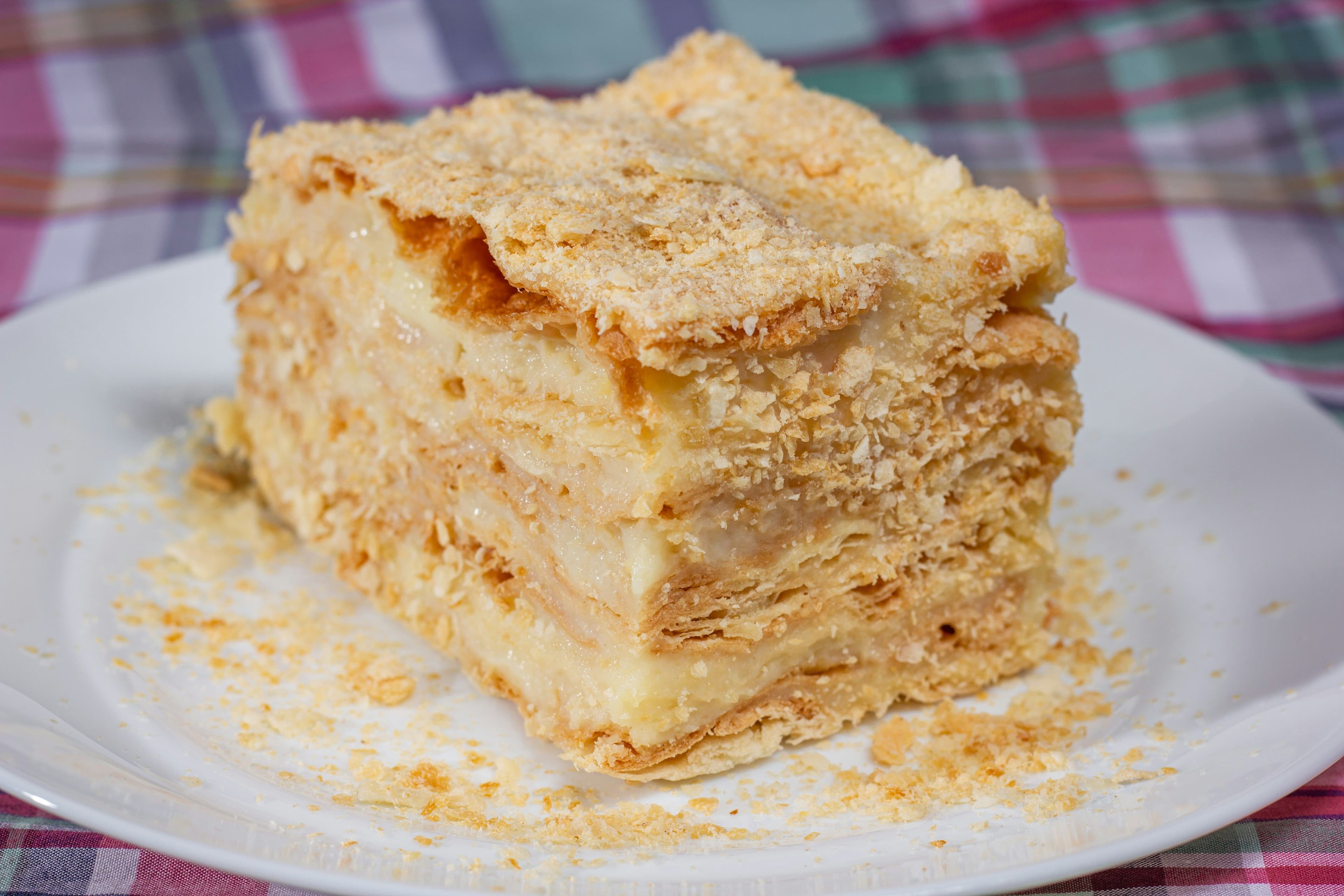
Try Kremna Rezina near Lake Bled
Near the lakefront in Bled, Kremna Rezina appears in almost every café window once you start walking through town. Crispy pastry, vanilla cream and whipped cream all stack together into the country’s most famous dessert, and yes, you’ll probably end up ordering it more than once.
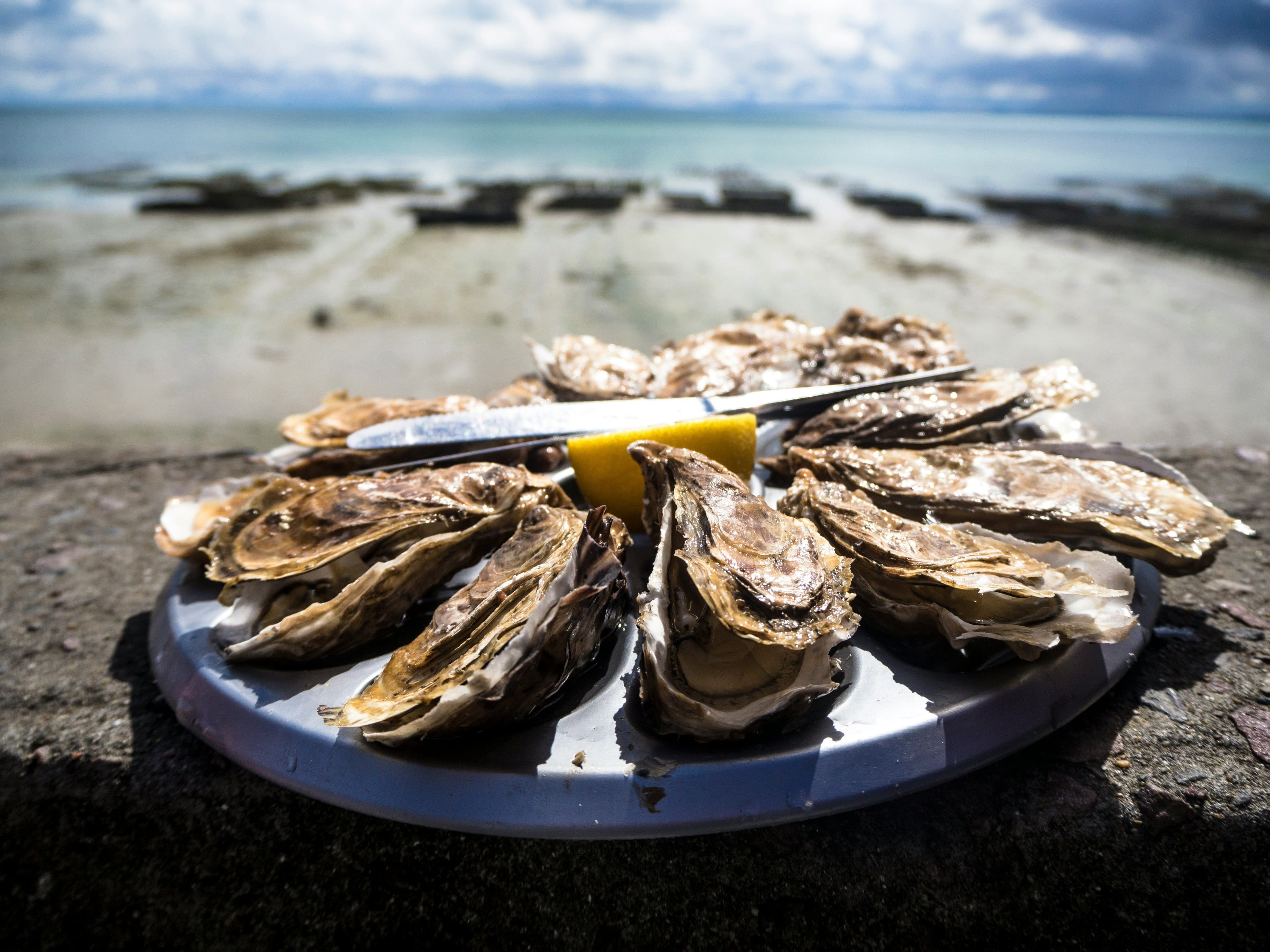
Eat seafood beside the Adriatic coast
Down near Piran and , seafood restaurants line the harbour with grilled squid, octopus, mussels and fresh fish caught nearby in the Adriatic Sea. During summer evenings, tables outside fill up with people staying beside the water long after sunset because temperatures remain warm for hours. Around the coast, olive oil and local wine also appear with almost every meal.
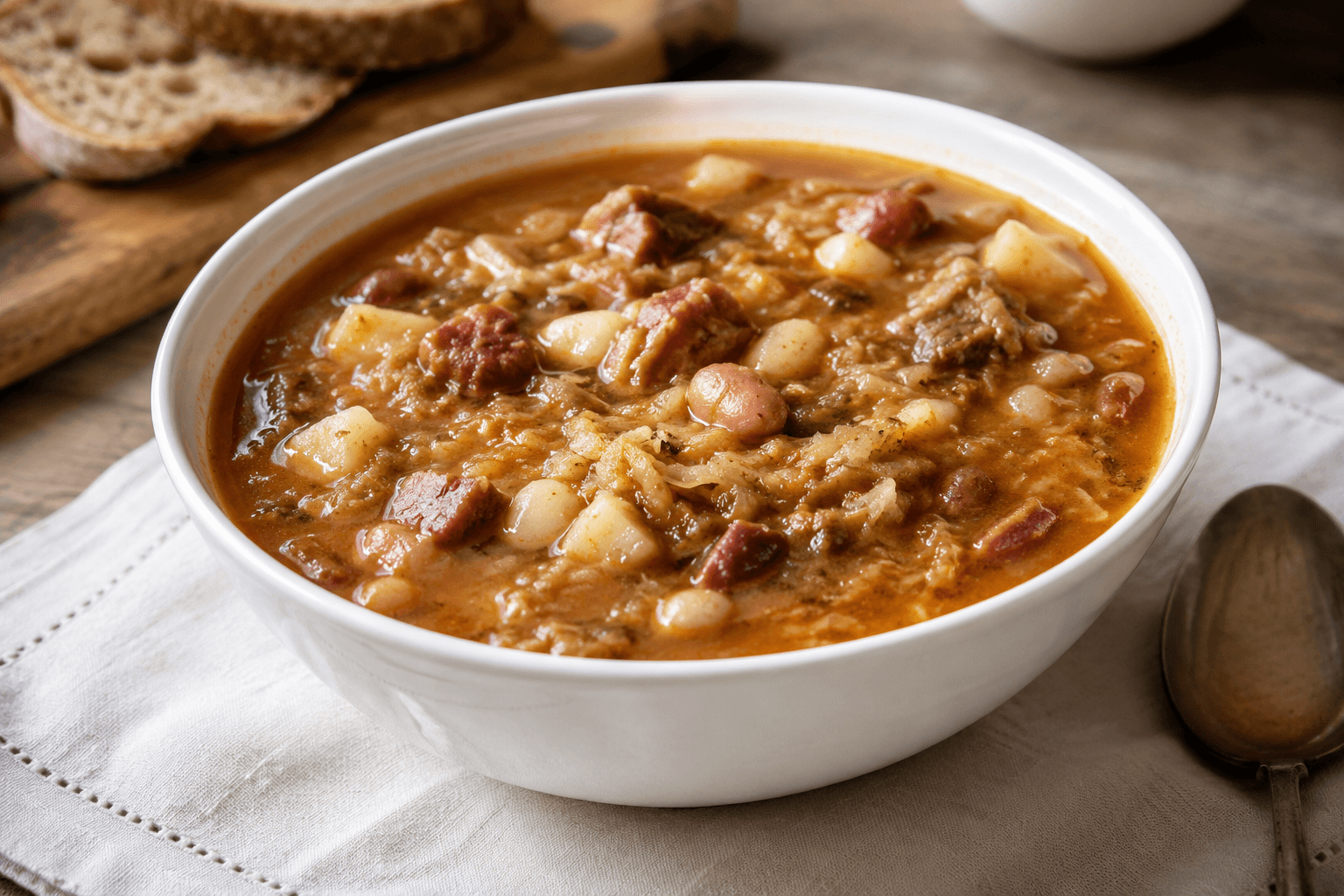
Taste mountain dishes in alpine villages
Higher up in the mountains, menus become heavier and much more connected to alpine traditions. Around Bohinj and Kranjska Gora, dishes like jota, sausages, dumplings and žganci appear in mountain huts and smaller restaurants after long hiking days. During colder months, soups and stews start taking over menus across ski villages and cabin restaurants.
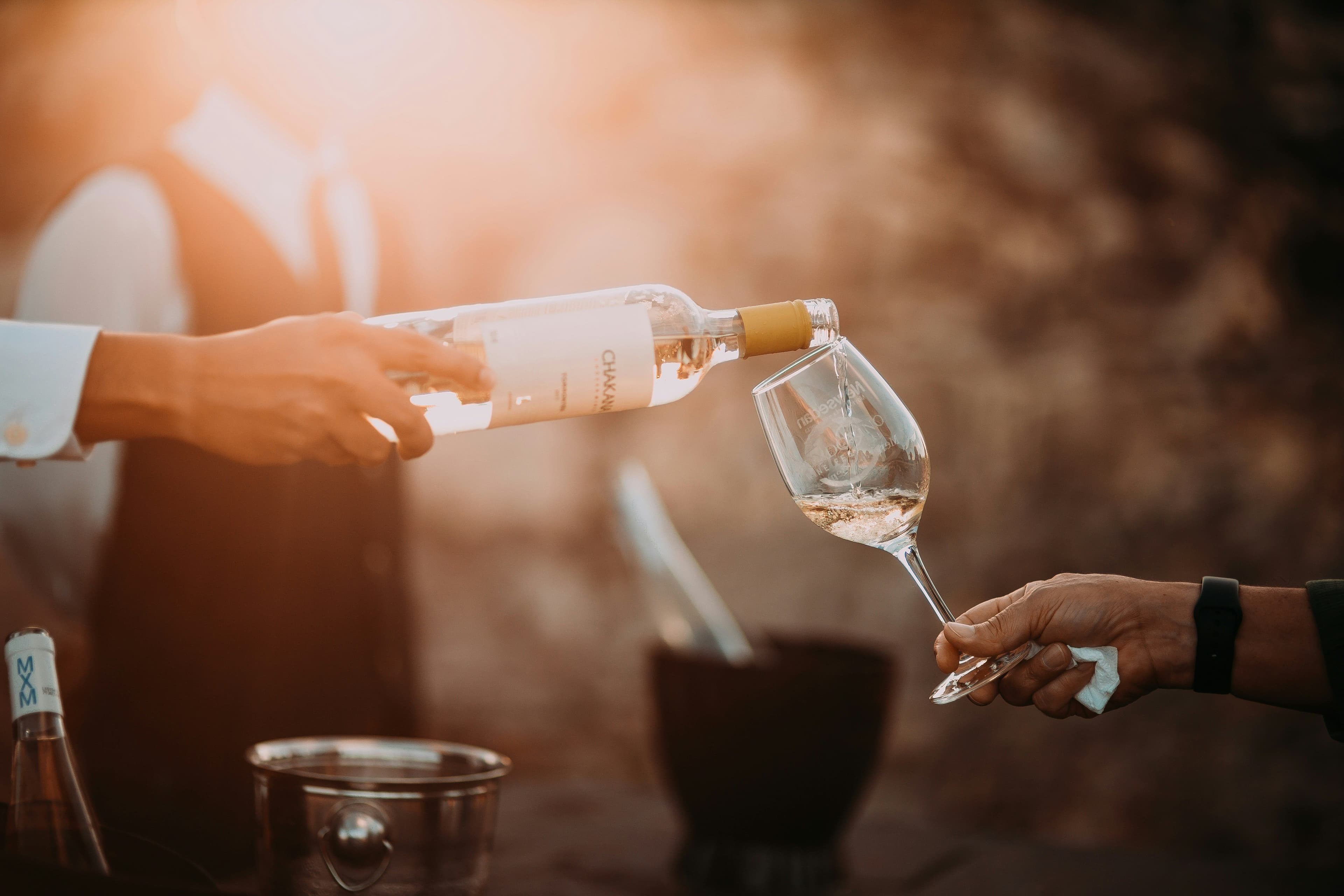
Visit wine regions like Vipava Valley and Goriška Brda
Across western Slovenia, vineyards cover huge sections of hills near the Italian border. Around Vipava Valley and Goriška Brda, wine tastings continue through little villages where outdoor terraces overlook rows of vines and old stone houses.
Culture and local habits you’ll notice when visiting Slovenia
Did you know Slovenia spent centuries influenced by the Roman Empire, the Austro-Hungarian Empire, Venice and later Yugoslavia, and you can still notice traces of all of them? In places like Piran or Izola, Venetian influence still shows up through colourful harbour towns, seafood restaurants and little squares that look very Italian. Higher into the mountains near Austria, you can see alpine architecture, wooden cabins and ski culture because northern Slovenia stayed closely connected to Austrian regions for centuries. And in Ljubljana, Austro-Hungarian influence still appears through elegant old buildings, bridges and wide streets built during the empire period.
Throughout smaller villages, homemade wine production, mountain hut lunches and long Sunday meals with family still stay deeply connected to everyday life today. In winter, Christmas markets and wooden stalls fill town squares with mulled wine, pastries and local food. And around summer, little festivals beside rivers, vineyards and village squares continue late into the evening with live music and outdoor dinners. Across Slovenia, regional traditions never really disappeared, and that’s exactly why the country still feels so different once you move from one area to another.
Looking for more unique places, trips and activities?
Subscribe to our Guided Newsletter for more travel inspiration.
Costs of a holiday to Slovenia
Compared to nearby countries like Austria, Switzerland or Northern Italy, prices around Slovenia actually stay fairly reasonable. During longer Slovenia trips, that already makes a big difference once you start adding up accommodation, activities and restaurant bills.
Food & Drink
Coffee
€1.50 – €4
Lunch
€11 – €20
Beer
€3 – €6
Accommodation
Hotels
€90 – €180
Airbnb
€70 – €160
Hostel dorm
€18 – €40
Transport
Trains
€3 – €15
Public Transport
€1.30 – €3
Car Rental
€25 – €70
Attractions

Museums
€5 – €15
Big Attractions
€16 – €40
Theatre
€15 – €45
Practical tips for visiting Slovenia
First time visiting Slovenia, and wondering what you should sort before arriving? Around mountain regions, lake areas and the Adriatic coast, a few small things already make your trip much smoother once you start moving around the country.
✔ Buy your vignette before driving on Slovenian motorways
Around Slovenia, motorways require a digital vignette even for fairly short drives. Near the Austrian and Italian borders, cameras check registrations automatically, so buying one online before crossing into the country already saves hassle later.
✔ Pack swimwear even if your trip is mostly about hiking
Around Bohinj, Bled and the Soča Valley, swimming spots appear almost everywhere once temperatures rise. During summer, lakes and rivers stay cold enough to cool you down really quickly after hiking or driving through the mountains.
✔ Stay at least two nights around Bohinj or the Soča Valley
Inside the mountains, weather changes pretty quickly, so having an extra day already helps a lot if hiking plans need adjusting. Around Bohinj and Bovec, swimming spots, rafting trips and mountain walks also easily fill entire afternoons without needing huge plans.
✔ Carry cash for mountain huts and smaller villages
Around larger towns and cities, card payments work almost everywhere now. Near hiking routes, mountain huts and little villages higher into the Alps, cash still helps quite a lot for food, drinks and parking areas.
✔ Start lake visits earlier during summer weekends
Around Bled and Bohinj, parking areas fill up surprisingly fast once the weather stays sunny. During July and August, arriving a bit earlier already helps if you want better swimming spots or quieter walking routes around the lakes.
✔ Keep an extra jumper or rain jacket in the car
Higher into the mountains, temperatures can suddenly drop even during warmer months. Around places like Vršič Pass or Vogel, rain showers and colder winds appear much faster compared to the coast or Ljubljana.
Fun facts about Slovenia
Lakes, mountains and Lake Bled are usually the first things people picture when thinking about Slovenia, though there are plenty of other things that make the country surprisingly unique:
Brown bears still live in Slovenian forests today
Inside Postojna Cave, an underground train has been in use for over 140 years.
Slovenia became the first country in the world to officially celebrate World Bee Day
In Kranjska Gora, ski jumping hills in Planica became famous for ski flying records.
More than 10,000 caves have been discovered beneath the mountains and forests.
During Kurentovanje festival, people wear fur costumes to chase away winter.
After a few days in Slovenia, you start noticing how quickly the country changes once you move around. One afternoon you’re swimming beside alpine lakes, and later that same evening you’re eating seafood near the Adriatic coast or drinking wine beside vineyards near the Italian border. Around different regions, history and outdoor life still stay deeply connected to daily life today, which keeps every stop feeling completely different from the previous one. Slovenia works really well if you like mountains, lakes, road trips and spending lots of time outside.
Ready to map out your trip to Slovenia?
We hope this Slovenia travel guide has given you a clear starting point for your trip. Stay tuned for more inspiration, itineraries and practical tips to help you shape your perfect holiday to Slovenia. And don’t forget to check out our Guided app, where you can create your own trip or use trips shared by other travellers for free.
FAQS about visiting Slovenia
- How many days do you need in Slovenia?
Around five to seven days already gives you enough time to see Ljubljana, Lake Bled, Bohinj and either the Soča Valley or the coast. During longer trips, adding wine regions, mountain villages and places like Logar Valley makes the route much more relaxed. Inside the Guided app, you can create your own trip route and find out how many places you can fit into your trip.
- Which part of Slovenia is the most beautiful?
- What is Slovenia known for?
- Can you visit Slovenia without a car?
- Is Slovenia expensive for a holiday?
- Is Lake Bled worth visiting?
- Where is Lake Bled in Slovenia?
- Where is Ljubljana Slovenia?