

Laos
Laos travel guide: how to plan your Laos trip
Green mountains, natural pools and deep caves: that’s what draws many people to Laos. Between those landscapes, you’ll come across small villages where daily life still happens at a slower pace, with farmers working the land and animals like goats moving freely through the area. Rivers like the Mekong connect different parts of the country, with boats often used instead of roads in certain regions. It’s a place you can’t rush through, you take it in as you go. This Laos travel guide helps you decide where to go in Laos and how to connect it into one clear trip.
5 reasons to visit Laos
In places like Luang Prabang, you can see monks collecting alms
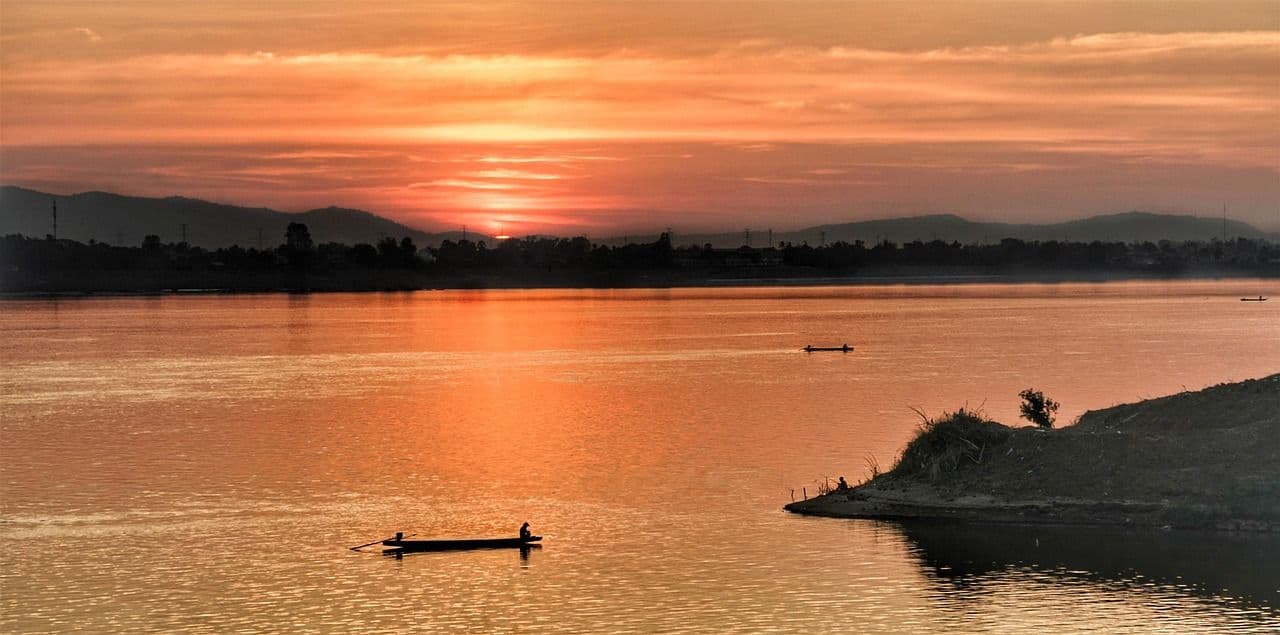
You can travel along the Mekong River like the locals do
Waterfalls like Kuang Si are easy to reach
You can swim in clear blue natural pools without long hikes
In Vang Vieng, you can kayak and explore caves
Laos cities and regions to explore
Getting excited? Once you know what places to visit, it gets much easier to picture what your days will actually look like. Each stop brings something different, from temples and rivers to viewpoints and smaller towns. Let’s take a look at the best stops you can include in your Laos trip.
Luang Prabang
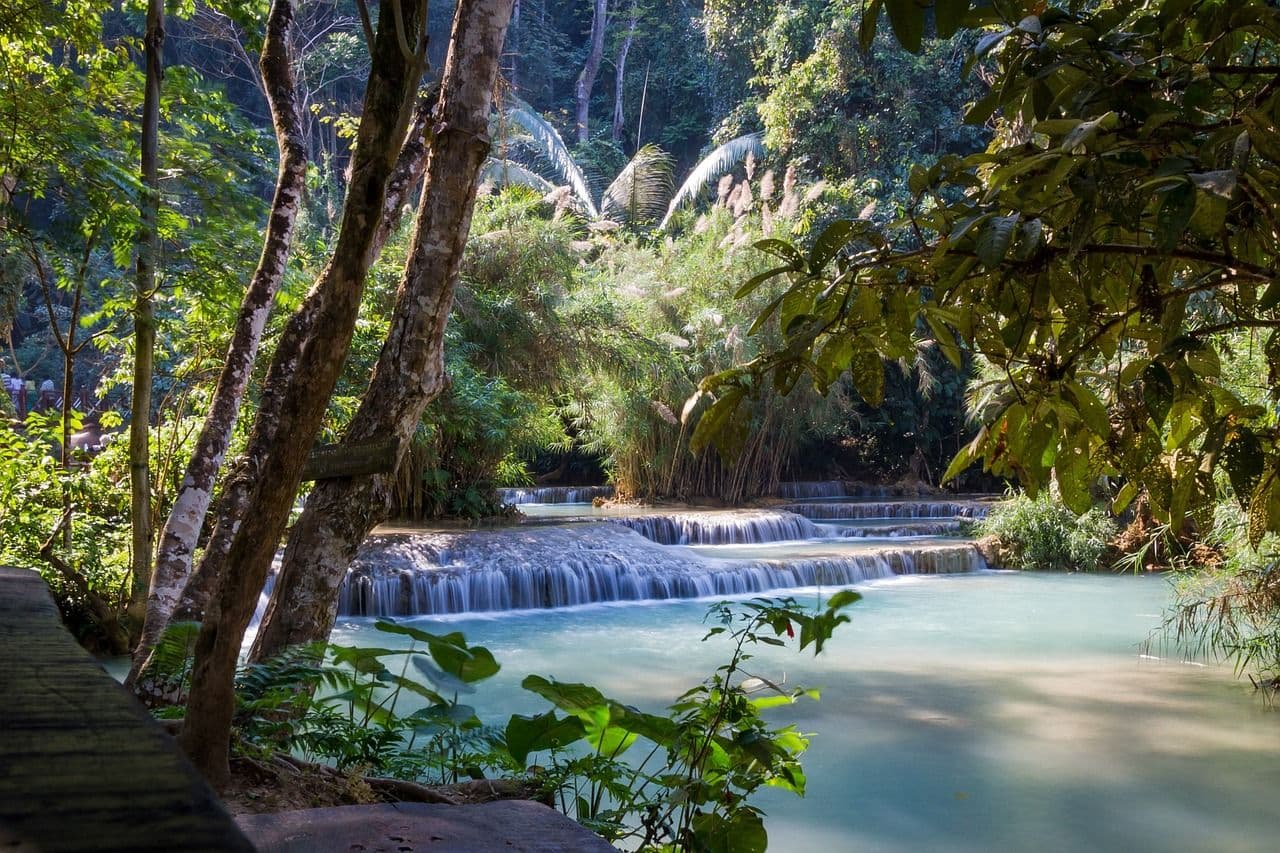
Luang Prabang is where many people begin, and for good reason. The old town is compact, so you can walk between temples, cafés and the riverside without needing transport. Kuang Si Waterfalls sit about 45 minutes away by tuk tuk, and boats leave daily for the Pak Ou Caves along the Mekong River.
Vang Vieng
Vang Vieng sits between Luang Prabang and Vientiane and is known for its limestone mountains. The Blue Lagoon is the main swimming spot, and several caves nearby can be visited with a local guide. Kayaking trips along the Nam Song river usually last half a day and include short stops at riverbanks.
Nong Khiaw
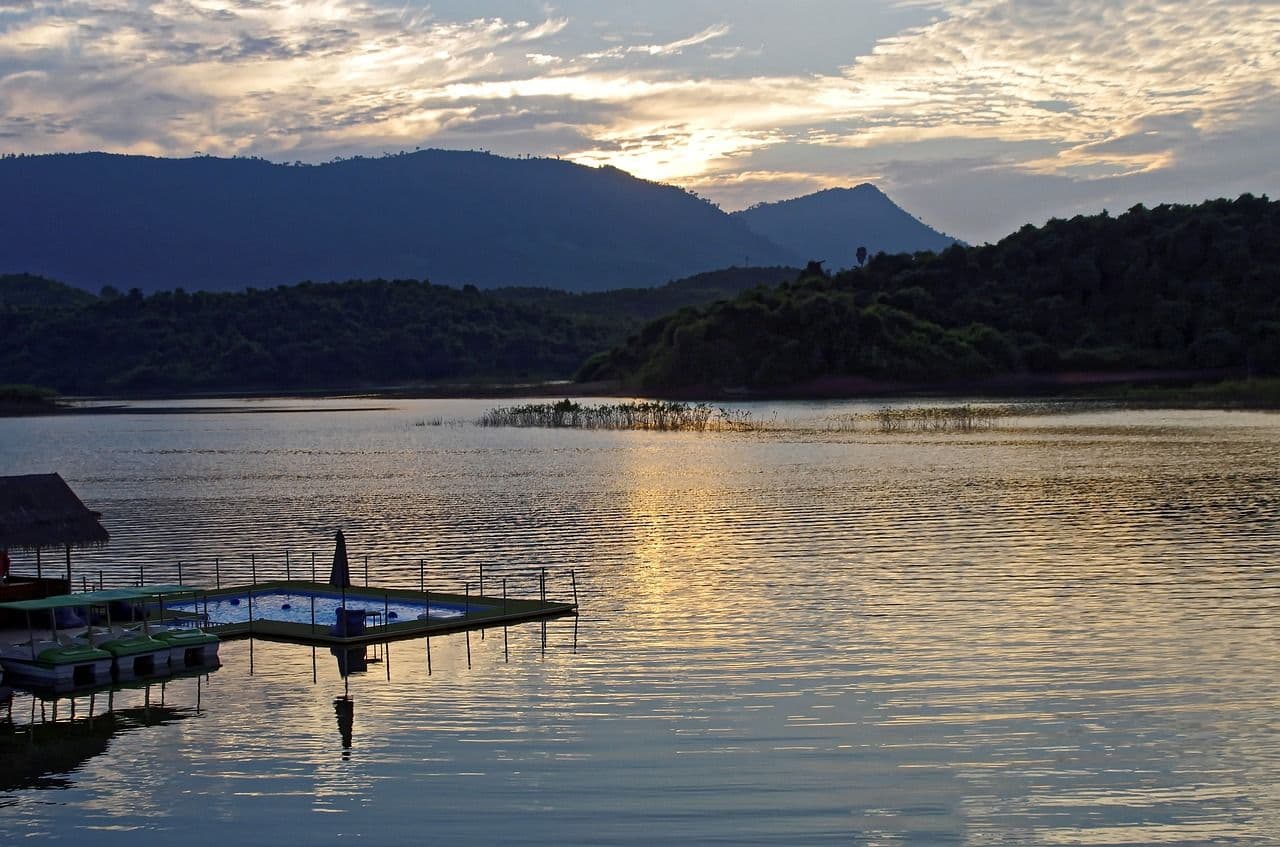
Nong Khiaw lies north of Luang Prabang and is reached by bus in about three to four hours. The main attraction is hiking to viewpoints that look over the Nam Ou river and surrounding mountains. Boat trips to nearby Muang Ngoi are also available from the small pier.
Southern Laos and the 4000 Islands
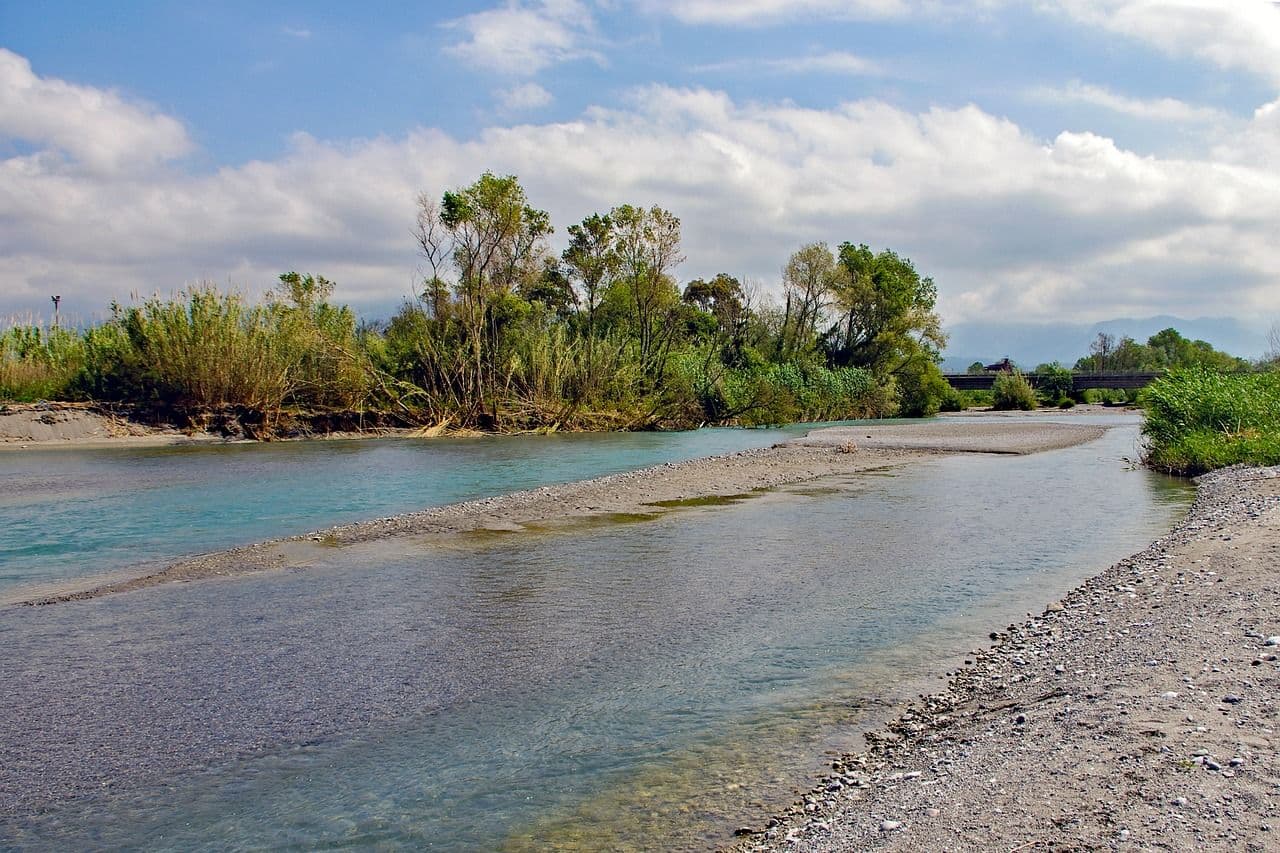
In southern Laos, most routes lead to Pakse and then further south to the 4000 islands. Don Det is a popular base, with bicycle rentals and boat trips to see Irrawaddy dolphins near the Cambodian border. The Bolaven Plateau near Pakse is known for its coffee farms and waterfalls, which can be visited on a one or two day motorbike loop.
Remember to bring cash before you go to the islands because there are no ATMs once you leave Pakse and go to the 4000 Islands.
Want to know what you can do and see in each area? Read our full Best Places to Visit in Laos guide before finalising your route, as it covers even more detailed suggestions.
Laos itinerary ideas for your trip
Now that you have a better idea of the main places, connecting them into a route in Laos is where things get interesting. Distances might look short on a map, yet travel can take longer due to mountains and dirt roads. We’ve put together a few Laos itineraries that help you structure your trip.
7–10 day Laos trip: northern highlights
Day 1–3: Luang Prabang, temples, Kuang Si waterfalls and Pak Ou Caves
Day 4–5: Vang Vieng, Blue Lagoon, viewpoints and river activities
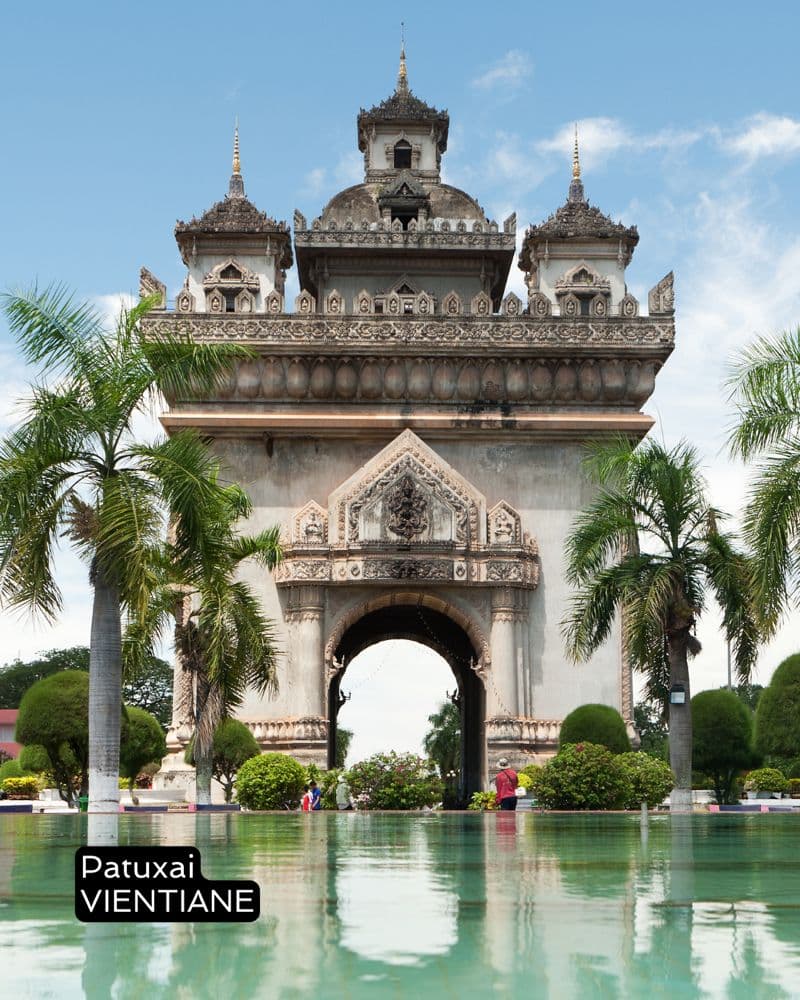
Day 6–7: Vientiane, explore temples and Buddha Park
10–14 day Laos trip: mountains to 4000 islands
Day 1–3: Luang Prabang
Day 4–5: Vang Vieng
Day 6–7: Vientiane
Day 8–10: Travel to Pakse and explore the Bolaven Plateau loop
Day 11–14: 4000 Islands, stay on Don Det or Don Khon
2–3 week Laos trip: deeper exploration
Day 1–3: Luang Prabang
Day 4–6: Nong Khiaw, hikes and river views
Day 7–8: Phonsavan, visit the Plain of Jars
Day 9–10: Vang Vieng
Day 11–12: Vientiane
Day 13–15: Pakse and Bolaven Plateau
Day 16–21: 4000 Islands
Looking for more inspiration? Explore these trips:

Fun things to do in Laos
Now that you know where to go during your Laos trip, the next step is figuring out what you actually want to do once you’re there. We’ve gathered a few ideas to help you make the most of your time.
Visit Kuang Si waterfalls and swim in the lower pools near Luang Prabang
Just outside Luang Prabang, Kuang Si waterfalls are one of those places you’ll want to spend a few hours. Turquoise pools sit at different levels, and you can actually swim in most of them. Getting there takes about 45 minutes by tuk tuk or shared minivan. Early morning or later in the afternoon works best if you want to avoid the busiest hours. Walking up to the top gives you a full view of the waterfall.
Take a slow boat to the Pak Ou caves along the Mekong
From Luang Prabang, boats leave daily towards the Pak Ou caves. The ride takes around two hours along the Mekong River, which is part of the experience. Inside the caves, thousands of Buddha statues have been placed over centuries. Tours usually combine both caves and include stops along the river. Booking through your guesthouse or a local agency is easy.
Kayak or go tubing on the Nam Song river in Vang Vieng
In Vang Vieng, the Nam Song river runs right through the town with limestone mountains all around you. Kayaking trips usually take half a day and include stops at caves or viewpoints. Tubing is a more relaxed option where you float downstream at your own pace. Most tours include transport back to town. Dry bags are worth bringing if you want to keep your things safe.
Hike to viewpoints above Vang Vieng for sunset
Around Vang Vieng, several viewpoints sit above the town and river. Trails usually take between 30 minutes to an hour to reach the top. Entrance fees are small and paid at the start of the hike. Late afternoon is the best time to go, since the light changes across the mountains. Good shoes help, especially on steeper sections.
Explore the Bolaven Plateau loop by motorbike near Pakse
Down south, the Bolaven Plateau is known for waterfalls and coffee plantations. Renting a motorbike in Pakse is the easiest way to explore the loop over two to three days. Stops like Tad Fane and Tad Yuang waterfalls are spread along the route. Roads are in decent condition, though distances take longer than expected. Guesthouses along the way make it easy to break up the trip.
Stay on Don Det and cycle around the 4000 islands
In the south near the Cambodian border, the 4000 islands area feels completely different. On Don Det, bicycles are the main way to get around. You can cycle between villages, see small waterfalls and watch sunset by the river. Ferries connect the islands, and most stays are within walking distance once you arrive. A couple of days here is enough to slow things down a bit.
When to visit Laos?
The best time to visit Laos is usually from November to March. This is when the temperatures are lower and the roads are easier to manage in Laos. We have written a full guide covering climate, festivals and regional differences. Read our best time to visit Laos article before booking flights, as weather varies between north and south.

Did you know you can create your own itinerary?
Now that you have a better idea of where to go in Laos and what to do there, you can start creating your own trip. Do you want to travel from north to south, or would you rather spend more time in one area and really get to know it? It’s all up to you. You can easily create your own trip in the Guided app for free, or use trips shared by others.
Getting Around During Your Laos Trip
When you are in Laos figuring out how to get around is a part of the fun. If you know what options you have you can plan your Laos trip the way you want to. Your Laos travel plan will be a bit different if you take the train, the bus or a boat.
High Speed Train Connections
There is a train that connects Laos to China. This train goes to Vientiane Vang Vieng and Luang Prabang. It only takes a hours to get to these places. The train stations are usually outside of the town so you will need to take a tuk tuk to get to your hotel.
Buses and Minivans
There are minivans that go to towns in Laos. You can book these minivans at your hotel or through a travel agency. The minivan will usually pick you up at your hotel or at a travel office in the town. The long distance buses in the south of Laos can take a long time, around eight to ten hours. This is because the roads are not very good and the bus driver might stop a lot.
Tip: never book onward connections too tightly after long bus rides, the buses in Laos often arrive later than planned.
River Boats
You can take a boat from Northern Thailand to Luang Prabang. This trip takes two days. You will stop overnight in Pakbeng. There are also boats that go around the 4000 Islands and on the Mekong River. These boats connect villages and islands.
Scooter and Motorbikes
Many people like to rent a scooter or motorbike in Luang Prabang, Vang Vieng or Pakse. This gives you the freedom to stop wherever you want like at a viewpoint or a waterfall. It usually costs around £5 to £8 per day to rent a scooter or motorbike. The rental shop will ask to see your passport. They might want to keep it as a deposit. But it is better to leave some cash as a deposit so you can keep your passport with you.
When you are driving outside of the town the roads can be very bad. One minute you are on a road and the next minute you are driving on a road with many potholes or gravel. During the rainy months some of the roads can be muddy and slippery. You might even see cows, dogs or chickens on the road. So you will need to drive carefully!
Food and drinks to try when you visit Laos
Food in Laos might not be the first thing you think about before going, yet once you’re there, it quickly becomes part of your day. Meals are often simple, full of herbs and shared across the table. Markets and small local restaurants are where you’ll find most of it. Here are a few things you can try:
Try laap, a minced meat salad with herbs and lime
Laap is one of the most traditional dishes in Laos, made with minced meat mixed with herbs, lime juice and spices. It’s often served with sticky rice, which you eat with your hands.
Eat sticky rice with your meals, not just as a side
Sticky rice is part of almost every meal in Laos. It’s served in small baskets and eaten by hand, rolled into small pieces. Instead of using utensils, you dip it into sauces or eat it with other dishes. You’ll see it everywhere, from street stalls to restaurants.
Try khao soi noodle soup in northern Laos
Khao soi in Laos is a noodle soup with a broth, meat and herbs, different from the Thai version. In Luang Prabang, it’s often served as a simple breakfast or lunch dish. Small street stalls usually prepare it fresh in front of you.
Drink Lao coffee from the Bolaven Plateau
Coffee in Laos comes mainly from the Bolaven Plateau in the south. It’s often served strong, sometimes with condensed milk. In cafés around Pakse or even in smaller towns, you’ll find local versions.
Try grilled fish along the Mekong River
Along the Mekong, grilled fish is a common dish, often cooked over open fire. It’s usually served whole, with herbs and dipping sauces on the side. Riverside restaurants or evening markets are the best places to try it.
Culture you’ll notice during your trip to Laos
Did you know Laos has been shaped by Buddhist traditions for centuries, with influences going back to the Lan Xang Kingdom in the 14th century? Temples were built across the country during that time, many of which are still standing today, especially in places like Luang Prabang. Daily routines grew around these traditions, which is why early mornings still include monks walking through the streets collecting alms. Over time, villages developed close to rivers and farmland, with communities depending on local resources and seasonal patterns.
Moving through Laos now, that connection to tradition is still easy to see. In smaller towns, daily life happens outdoors, with markets, cooking and farming all visible throughout the day. In places like Luang Prabang, temples remain active, not just historical sites, with locals visiting regularly. Travel between regions also reflects this slower way of life, with dirt roads and rivers shaping how people move.
Laos Backpacking and Budget Travel
Laos backpacking trips are really affordable. The cost of accommodation, food and transport is usually lower than in Thailand, which's a neighbouring country.
Accommodation Tips
You can find a lot of options on booking platforms. It is also a good idea to just walk into a guesthouse and ask if they have a room available. This usually works outside of the peak months. However in places like Luang Prabang and Vang Vieng it is a good idea to reserve a room ahead of time during the high season so you can make sure that your favourite hotel is not fully booked. Don Det has bungalows that get filled up quickly in December and January, so you should plan ahead for Laos backpacking.
Currency in Laos: Lao Kip
The currency of Laos is the Lao Kip, which is also called LAK. In towns like Luang Prabang and Vientiane you can easily find ATMs and they usually give you Lao Kip. The amount of money you can take out at one time is often around 1,500,000 to 2,000,000 LAK. Sometimes you can also use US dollars and Thai Baht in tourist areas. The exchange rates are different and you usually get your change in Lao Kip.
When you are Laos backpacking you should know that some higher end hotels and restaurants accept card payments but smaller guesthouses and places on the islands usually prefer cash so it is a good idea to have some Lao Kip with you.
Looking for more unique places, trips and activities?
Subscribe to our Guided Newsletter for more travel inspiration.
What do Laos holidays cost?
Laos is a cheap country to visit in Southeast Asia. The cost of traveling in Laos can be very different depending on how you like to travel and where you go.
Food & Drink

Coffee
15k – 30k LAK
Lunch
20k – 70k LAK
Beer
10k – 40k LAK
Accommodation

Hotels
400k – 1,200k LAK
Airbnb
200k – 800k LAK
Hostel dorm
50k – 150k LAK
Transport

Trains
100k – 300k LAK
Public Transport
10k – 30k LAK
Car Rental
150k – 400k LAK
Attractions

Museums
5k – 20k LAK
Big Attractions
30k – 150k LAK
Theatre
50k – 200k LAK
Practical tips for visiting Laos
First time travelling to Laos, and wondering what you should sort before you go? We’ve gathered a few tips that will make your trip smoother from the moment you arrive.
✔ Plan for slower travel days
Distances might look short, yet travel takes longer than expected. Mountain roads and river routes slow things down quite a bit. Leaving extra time between stops avoids stress. Arriving before dark is also a good idea, especially in smaller towns.
✔ Carry cash, cards are not always accepted
In many places, cash is still the main way to pay. ATMs are available in cities like Luang Prabang and Vientiane. Smaller towns and local markets often don’t accept cards. Having smaller notes helps when paying for transport or food.
✔ Dress respectfully at temples
Temples are active places, not just sights to visit. Covering shoulders and knees is expected when entering. Shoes need to be removed before going inside. Bringing a light scarf or something to cover up can be useful.
✔ Rent a scooter only if you’re comfortable driving
In places like Pakse or Vang Vieng, scooters are often used to get around. Roads can be uneven or less predictable than expected. Taking it slow and checking the bike before leaving helps. If it doesn’t feel right, joining a tour is an easier option.
✔ Start your day early to avoid heat
Temperatures rise quickly during the day. Mornings are cooler and better for activities like hiking or visiting waterfalls. Taking a break during midday is quite common. Late afternoons are usually comfortable again.
✔ Use local transport and guesthouses to book tours
Guesthouses often help arrange transport and activities. Prices are usually similar across different places, so comparing a bit helps. Booking directly once you arrive keeps things flexible. It’s also a good way to get local recommendations.
Fun facts about Laos
Mountains, rivers and waterfalls are what most people think of when they picture Laos, but there are plenty of other things you might not expect. So let’s take a look at what makes it so unique:
Laos is one of the few Southeast Asian countries without a coastline
Luang Prabang is a UNESCO-listed town with preserved architecture and temples
The Plain of Jars has thousands of large stone jars spread across hills
Coffee from the Bolaven Plateau is one of the country’s main exports
Buddhism influences daily routines, traditions and festivals across the country
Many rural areas still rely on farming and local resources for daily life
After a few days, you’ll start noticing how everything slows down without needing to plan it. Moving between places takes longer, which means you see more along the way. In towns like Luang Prabang, daily routines happen out in the open, from markets to morning rituals. Small villages and nature sit close together, without much separating them. Laos works really well if you like taking your time, being outdoors and exploring nature.
Ready to map out your trip to Laos?
We hope this Laos travel guide has given you a clear starting point for your trip. Stay tuned for more inspiration, itineraries and practical tips to help you shape your perfect Laos trip. And don’t forget to check out our Guided app, where you can create your own trip or use trips shared by other travellers for free.
FAQS about travelling to Laos
- Is a Laos trip right for me?
Laos trips are great for people who like nature, culture and taking it easy. You will like it more if you enjoy seeing temples, staying in simple guesthouses and taking long trips to see the country between big stops.
Laos trips feel different from trips in Southeast Asia. You will not see a lot of stores, giant malls or places to go out at night. Instead, people in Laos focus on temples, rivers and small family-run guesthouses which makes your Laos trip feel more personal.
- How many days do you need in Laos?
- Do you need a visa for Laos?
- Is Laos worth visiting?
- Is Laos safe?
- Can you drink tap water in Laos?
- Are ATMs easy to find in Laos?